
What are locals really saying about life in Garner? If you scroll through neighborhood forums or chat with someone at the grocery store, you’ll hear a lot of the same themes: affordable, convenient, family-friendly—but also a little predictable. Garner sits just southeast of Raleigh, close enough to feel connected but far enough to keep things quieter and more spread out. It’s a place where people tend to feel comfortable rather than electrified, where the tradeoff is usually “I get more house, but I drive more” or “It’s safe and easy, but not especially exciting.”
The emotional tone here isn’t about discovery or spontaneity—it’s about stability and access. People who thrive in Garner tend to be those who want suburban rhythms, reliable chains, good school options, and a reasonable drive to Raleigh when they need more. People who struggle here are usually the ones hoping for walkable streets, local character, or a social scene that doesn’t require planning and a car ride.
What the Everyday Conversation Sounds Like
In cities like Garner, locals often describe the vibe as “practical” and “low-drama.” On platforms like Facebook neighborhood groups and Reddit threads about the Triangle, Garner comes up as the place where you get suburban value without feeling completely disconnected. The tone is generally positive but pragmatic—people aren’t raving about hidden gems or unique experiences. Instead, they’re talking about commute times, school zones, and whether the new shopping center will have a Trader Joe’s.
Common threads include appreciation for how much house you can get compared to Raleigh, frustration with traffic on US-70 and White Oak Road, and a sense that the town is growing faster than its infrastructure. There’s also a recurring theme of identity: some residents embrace Garner as a bedroom community with easy Raleigh access, while others wish it had more of its own personality and walkable downtown energy.
“It’s a great place to raise kids—quiet, safe, good schools. But if you want to do anything fun, you’re driving to Raleigh.”
“I love that I can afford a yard here and still be 20 minutes from downtown. It’s not trendy, but it works.”
“Garner feels like it’s still figuring out what it wants to be. It’s growing, but it doesn’t have much of a center yet.”
How Local Coverage Frames the Town
Local news and community blogs tend to frame Garner through the lens of growth, affordability, and proximity. Coverage often highlights new retail developments, school performance, and transportation projects—stories that reflect a town in transition, adding amenities while trying to manage the pace of change. The tone is generally optimistic but occasionally cautious, especially around traffic congestion and the balance between residential expansion and infrastructure capacity.
Recurring topic buckets include:
- “New Retail and Dining Options Arrive Along Major Corridors”
- “Families Drawn to Affordability and School Access”
- “Residents Weigh Convenience Against Commute Times”
- “Community Debates What Growth Should Look Like”
- “Town Identity Evolves as Raleigh’s Influence Grows”
These aren’t declarations of crisis or celebration—they’re the steady hum of a suburban town managing expectations and trying to serve both longtime locals and newcomers who moved here for housing tradeoffs.
What Reviews and Public Perception Reveal
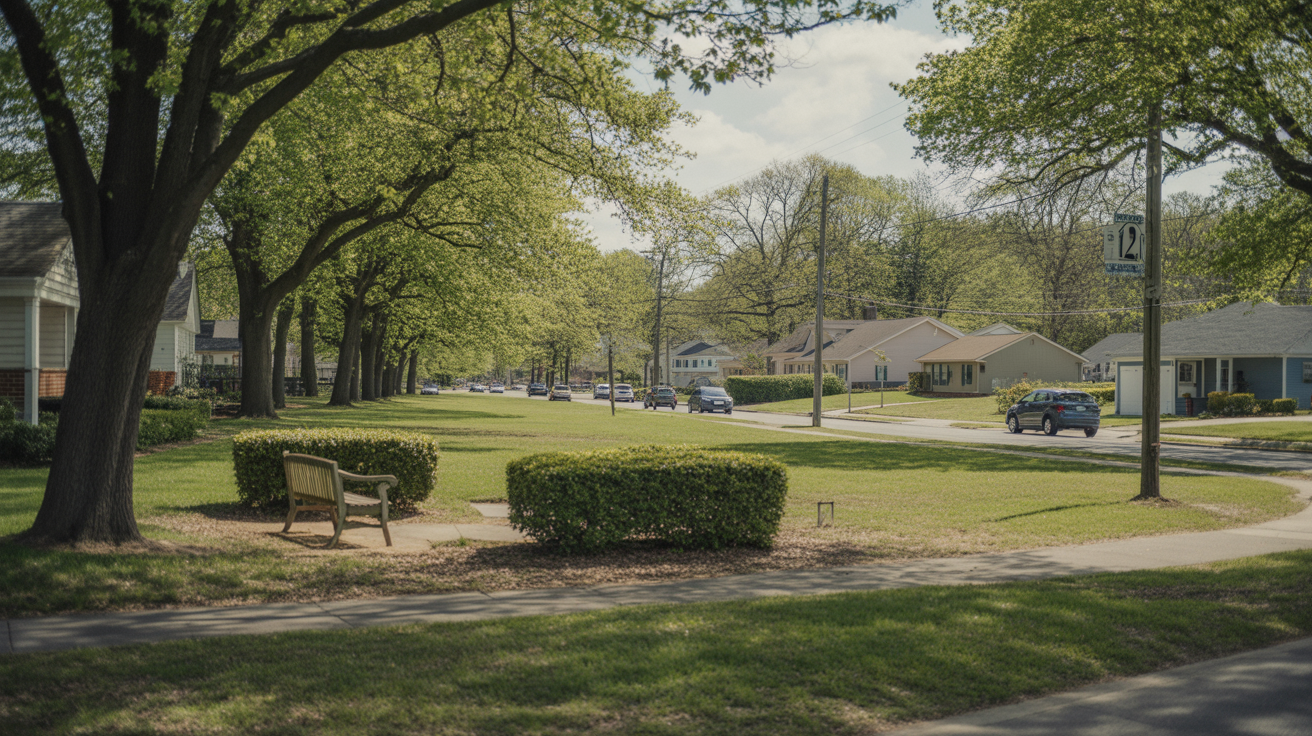
On platforms like Google Reviews, Yelp, and Nextdoor-style community boards, Garner gets consistent marks for safety, school quality, and suburban convenience. People who moved here from pricier parts of the Triangle tend to express relief and satisfaction—they got the yard, the garage, the good elementary school, and they’re still close enough to Raleigh for work and weekend plans.
But there’s also a pattern of mild disappointment among people who expected more walkability, local flavor, or spontaneous social options. Complaints tend to focus on chain-heavy retail, limited dining variety, traffic bottlenecks during rush hour, and a lack of a true “downtown” gathering spot. Newer planned neighborhoods get praise for being tidy and family-oriented, while older pockets are described as quieter and more established, though sometimes feeling a bit disconnected from the town’s growth energy.
The recurring sentiment is this: if you came to Garner looking for suburban comfort and Raleigh proximity, you’re probably happy. If you came hoping for a vibrant, walkable town with its own identity, you’re likely feeling restless.
How Garner Compares to Nearby Towns
| Dimension | Garner | Raleigh | Clayton |
|---|---|---|---|
| Overall Vibe | Suburban, practical, family-focused | Urban energy, cultural variety, walkable pockets | Smaller-town feel, growing fast, more rural edges |
| Housing Affordability | More accessible than Raleigh, good value | Higher prices, competitive market | Similar to Garner, slightly more sprawl |
| Walkability & Texture | Low—car-dependent, chain-heavy | Higher in core neighborhoods, mixed elsewhere | Very low—spread out, limited pedestrian infrastructure |
| Commute Tradeoff | Moderate—close to Raleigh but traffic can bite | Minimal if you live and work in city | Longer for Raleigh commuters, more rural routes |
| Social & Nightlife | Quiet, limited local options | Vibrant, diverse, lots of spontaneous activity | Very quiet, family and church-centered |
Garner sits in the middle: more affordable and spacious than Raleigh, but less walkable and culturally textured. It’s more connected and convenient than Clayton, but also busier and less small-town in feel. If you want urban energy and don’t mind paying for it, Raleigh wins. If you want maximum space and don’t mind a longer drive, Clayton might appeal. Garner works best for people who want suburban ease with reasonable access to the city—and who don’t need the city to come to them.
What Locals Are Saying
“We moved here from Cary and got twice the house for less money. The commute’s not bad, and the schools are solid. It’s not fancy, but it’s exactly what we needed.”
“I like Garner, but I wish there was more to do here. Everything closes early, and if you want a nice dinner or live music, you’re heading to Raleigh.”
“It’s a good starter-home town. Safe, affordable, close to everything. But I don’t see myself staying long-term—it just doesn’t have much personality.”
“Traffic on 70 is getting ridiculous. It used to be an easy drive, but now it’s stop-and-go during rush hour. Growth is good, but the roads haven’t kept up.”
“I’ve lived here for 15 years and raised my kids here. It’s changed a lot, but it’s still a solid, no-nonsense place to live. You know what you’re getting.”
“As a remote worker, Garner’s perfect. I don’t commute, I have space, and when I want city stuff, Raleigh’s right there. Best of both worlds.”
“It’s fine, but it feels like every other suburb. Same chains, same layout. I miss having a real downtown or local spots that feel unique.”
Does Garner Feel Like a Good Fit?
Garner doesn’t try to be everything to everyone, and that clarity is part of its appeal—and its limitation. It works beautifully for families and professionals who want day-to-day costs that feel manageable, a yard, good schools, and a reasonable drive to Raleigh. It’s a place where you can settle in, know your neighbors, and build a stable, predictable life without constant stimulation or surprise.
But it tends to frustrate people who crave walkability, spontaneous social scenes, or a strong sense of local identity. If you need texture, variety, and the ability to do things on foot, Garner will feel limiting. If you’re okay with driving for entertainment and prioritize space and value over vibrancy, it’s a solid choice.
The question isn’t whether Garner is “happy”—it’s whether the tradeoffs align with what you actually need. If you want suburban comfort with city access and you’re willing to drive for the good stuff, Garner tends to deliver. If you want the good stuff to be right outside your door, you’ll probably feel restless here. Understanding that difference is the key to knowing whether this town will feel like home or just a place you’re passing through.
For a clearer sense of how these tradeoffs play out financially and logistically, explore what quality of life looks like across different income levels and household types.
The perspectives shown reflect commonly expressed local sentiment and recurring themes in public discussion, rather than individual accounts.