
Understanding what you’ll pay for utilities in Apache Junction means understanding how desert heat, home type, and seasonal demand shape your monthly bills. Electricity dominates the cost structure here, driven by extended cooling seasons that push air conditioning systems hard from late spring through early fall. Water, trash, and natural gas play supporting roles, but it’s the interplay between climate and energy usage that defines utility exposure for most households.
Understanding Utilities in Apache Junction
Utility expenses in Apache Junction represent a significant share of household budgets, typically ranking second only to housing costs. For residents and newcomers alike, grasping how these bills behave throughout the year is essential for financial planning and avoiding seasonal surprises. Unlike rent or mortgage payments, which remain fixed, utilities fluctuate based on weather, household habits, and the efficiency of your home’s systems.
Most households in Apache Junction pay for electricity, water, natural gas, trash collection, and recycling. The exact billing structure varies depending on whether you live in a single-family home, an apartment, or a property governed by a homeowners association. Single-family homeowners typically manage all utility accounts independently, while apartment renters may find water, trash, or gas included in their lease. HOA-managed communities sometimes bundle trash and landscaping water into monthly dues, reducing the number of separate bills but not necessarily the total cost.
For those moving from cooler or more temperate climates, the intensity of summer cooling costs in Apache Junction can be jarring. Desert conditions mean air conditioning isn’t optional—it’s a baseline necessity for safety and livability. Winter heating costs, by contrast, remain modest due to mild temperatures, creating a lopsided annual cost curve that peaks sharply in the hottest months and flattens considerably from November through March.
Utilities at a Glance in Apache Junction
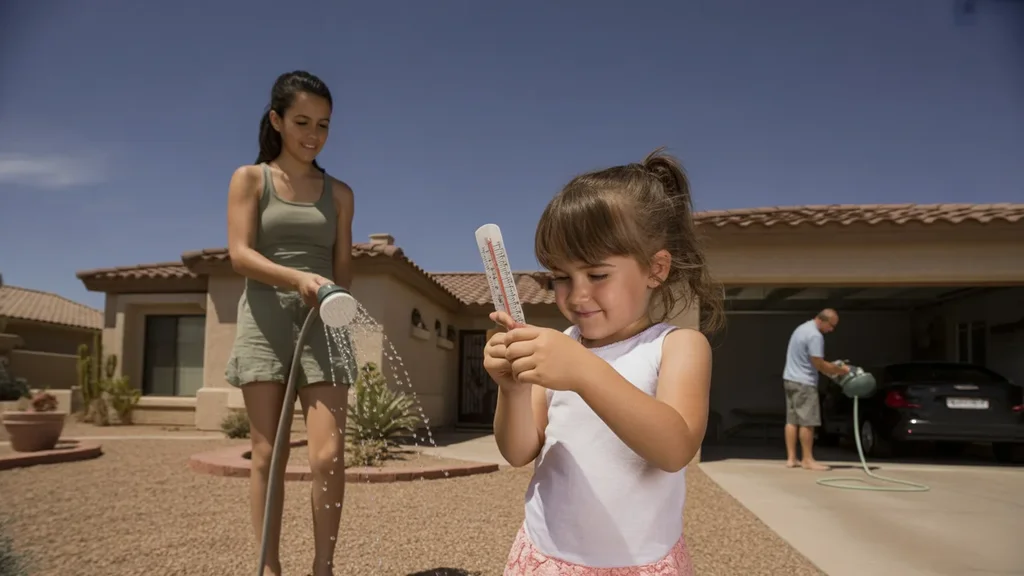
The table below shows how core utility costs typically behave for a mid-size household in a single-family home in Apache Junction. Where city-level prices are available in the data feed, they are shown directly. When exact figures are not provided, categories are described qualitatively to reflect how costs are structured and what drives variability.
| Utility | Cost Structure |
|---|---|
| Electricity | ~$155.50/month (illustrative, 1,000 kWh at 15.55¢/kWh, before fees/taxes) |
| Water | Tiered pricing; usage-dependent |
| Natural Gas | $23.77/MCF; winter-driven, minimal usage |
| Trash & Recycling | Often bundled with water or HOA |
| Total | Electricity dominates; seasonal swings driven by cooling |
This table reflects utility cost structure for a mid-size household in a single-family home in Apache Junction during 2026. Where exact figures are not provided in the IndexYard data feed, categories are described directionally to reflect how costs behave rather than a receipt-accurate total.
Electricity is the most exposure-sensitive utility in Apache Junction, driven more by climate and home efficiency than by base rates. The 15.55¢/kWh rate sits slightly above the national median, but the real cost driver is volume—households here consume significantly more kilowatt-hours during summer months due to continuous air conditioning. Older homes with insufficient insulation or aging HVAC systems face the steepest bills, while newer construction with efficient cooling and smart thermostats can moderate usage considerably.
Water costs in Apache Junction typically follow tiered pricing structures, meaning the more you use, the higher your per-unit rate climbs. Desert landscaping and outdoor irrigation push many households into higher tiers during warmer months, even as indoor water use remains stable. Providers often bill water and sewer together, and some neighborhoods see trash collection bundled into the same invoice.
Natural gas plays a minimal role in most Apache Junction households. With mild winters and limited heating demand, monthly usage rarely exceeds one or two MCF (thousand cubic feet) even during the coldest stretches. Homes with gas water heaters or ranges will see year-round baseline usage, but the seasonal swings common in colder climates simply don’t materialize here.
Trash and recycling services are often bundled with water bills or included in HOA fees, particularly in planned communities. Standalone service for single-family homes outside HOA governance typically runs as a fixed monthly charge, with costs varying by provider and service level. Recycling pickup is widely available but not universally included, so confirming what’s covered in your area is essential during a move.
How Weather Impacts Utilities in Apache Junction
Apache Junction’s desert climate creates a utility cost profile that diverges sharply from national norms. Triple-digit summer heat drives prolonged air conditioning usage, often running continuously from May through September. During peak summer months, it’s not uncommon for households to see electric bills double or even triple compared to spring or fall baseline levels. The intensity isn’t just about temperature—low humidity and relentless sun exposure mean homes absorb and retain heat aggressively, forcing cooling systems to work harder and longer.
Winter, by contrast, brings minimal heating demand. Freezing nights are rare, and daytime temperatures often climb into the 60s or 70s, meaning natural gas or electric heating systems see only occasional use. This creates a predictable annual pattern: high summer peaks, low winter troughs, and moderate shoulder seasons in spring and fall when neither heating nor cooling dominates.
One regional quirk worth noting is the role of monsoon season, which brings brief but intense rainstorms in late summer. While these storms can temporarily cool outdoor temperatures, they also increase humidity, which can make indoor spaces feel warmer and prompt households to lower thermostat settings further. The net effect on bills is usually modest, but the psychological shift—from dry heat to muggy heat—often drives behavioral changes that nudge usage upward.
How to Save on Utilities in Apache Junction
Reducing utility costs in Apache Junction starts with recognizing that electricity is the dominant lever. Strategies that lower cooling demand or shift usage to off-peak hours deliver the most meaningful impact. Insulation upgrades, reflective roofing, and shade trees all reduce the thermal load on your home, allowing air conditioning systems to cycle less frequently. Smart thermostats can automate temperature adjustments when you’re away or asleep, cutting usage without sacrificing comfort.
Many electricity providers in the Phoenix metro area, including those serving Apache Junction, offer time-of-use rate plans that charge lower rates during off-peak hours. Shifting high-energy activities—laundry, dishwashing, pool pumps—to late evening or early morning can reduce costs without requiring behavioral sacrifices. Some providers also offer budget billing programs that average your annual usage into equal monthly payments, smoothing out the summer spikes and making budgeting more predictable.
- Upgrade to a high-efficiency air conditioning system: Older units consume significantly more electricity for the same cooling output.
- Install a programmable or smart thermostat: Automating temperature adjustments reduces unnecessary runtime.
- Plant shade trees on south and west exposures: Reducing direct sun on walls and windows lowers indoor temperatures passively.
- Seal ducts and improve insulation: Preventing cooled air from escaping reduces the load on your HVAC system.
- Switch to LED lighting: Lower wattage and reduced heat output cut both electricity use and cooling demand.
- Check for utility rebates: Many providers offer incentives for energy-efficient appliances, AC upgrades, or solar installations.
- Adopt desert-friendly landscaping: Reducing outdoor water use keeps you in lower pricing tiers and cuts irrigation costs.
🏆 Tip: Check if your provider in Apache Junction offers rebates for energy-efficient AC units or heating systems. Many utilities in Arizona provide substantial incentives for upgrading to high-SEER cooling equipment, and federal tax credits may also apply to qualifying installations.
FAQs About Utility Costs in Apache Junction
Why are utility bills so high in Apache Junction during summer? Summer bills spike because air conditioning runs nearly continuously to combat triple-digit heat, often from May through September. Homes with older HVAC systems, poor insulation, or west-facing exposures see the steepest increases, sometimes doubling or tripling their spring baseline.
How much should a family of four budget for utilities in Apache Junction each month? Electricity will dominate, with summer months potentially reaching $200 to $300 or more depending on home size and efficiency, while winter months may drop to $100 or less. Water, trash, and minimal natural gas add secondary costs, but the annual average is heavily shaped by cooling season intensity.
Do HOAs in Apache Junction usually include trash or water in their fees? Many planned communities bundle trash collection and sometimes landscaping water into HOA dues, but individual household water usage for indoor needs is typically billed separately. The specifics vary widely by neighborhood, so reviewing the HOA disclosure documents before purchasing or renting is essential.
Does Apache Junction offer incentives for solar panels or energy-efficient appliances? Arizona utilities and state programs frequently offer rebates for solar installations, high-efficiency air conditioning, and smart thermostats. Federal tax credits for renewable energy systems also apply, making solar particularly attractive in a region with abundant sunshine and high cooling costs.
What is the average winter heating cost in Apache Junction? Winter heating costs remain minimal due to mild temperatures. Natural gas usage rarely exceeds one or two MCF per month even during the coldest stretches, translating to modest bills well below $50 for most households. Electric heating, where present, similarly sees low demand compared to summer cooling.
How Utilities Fit Into the Cost Structure in Apache Junction
Utilities in Apache Junction function as both a fixed baseline and a variable exposure, with electricity acting as the primary volatility driver. Unlike housing costs, which remain stable month to month, utility bills respond directly to weather, household behavior, and home efficiency. This makes them a critical factor in overall financial planning, particularly for households managing tight budgets or transitioning from climates with different seasonal cost patterns.
The dominance of cooling costs also means that housing choices—home age, insulation quality, HVAC efficiency—carry long-term utility implications. A slightly higher rent or mortgage payment for a newer, better-insulated home can pay for itself through lower summer electric bills. Similarly, neighborhoods with mature tree cover or north-facing orientations offer passive cooling benefits that reduce mechanical cooling demand.
For newcomers to Apache Junction, understanding this cost structure early allows for better housing decisions and more accurate budgeting. The city’s utility profile isn’t unusual for the desert Southwest, but it differs sharply from national averages, and those differences compound over time. Exploring related resources on housing tradeoffs, monthly budgeting, and regional cost drivers can provide the broader context needed to make confident, informed decisions about living in Apache Junction.
How this article was built: In addition to public economic data, this article incorporates location-based experiential signals derived from anonymized geographic patterns—such as access density, walkability, and land-use mix—to reflect how day-to-day living actually feels in Apache Junction, AZ.
—