
Utility costs in Scottsdale shift dramatically between seasons, with summer electric bills often running two to three times higher than winter months due to sustained air conditioning demand in the Sonoran Desert climate. Understanding how electricity, water, natural gas, and trash services behave throughout the year helps households anticipate exposure, manage volatility, and identify opportunities to reduce consumption without sacrificing comfort.
Understanding Utilities in Scottsdale
Utilities cost in Scottsdale reflects the structural realities of desert living, where cooling dominates household energy use for five to six months annually and water conservation shapes billing practices across the metro. For most households, utilities represent the second-largest monthly expense after housing, and the gap between low-usage and high-usage months can exceed a hundred dollars depending on home size, insulation quality, and thermostat discipline.
Core utility categories include electricity, water, natural gas, trash, and recycling. Electricity typically operates as a separate metered service billed by usage, while water and trash are often bundled together or included in homeowners association fees, particularly in master-planned communities. Natural gas serves a smaller role in Scottsdale than in colder climates, primarily supporting water heaters, ranges, and occasional winter heating in older homes without heat pumps.
For households moving to Scottsdale, the transition from climates with balanced seasonal exposure to one where summer cooling creates the dominant cost driver requires budget adjustment. Renters in apartments may see lower absolute bills due to smaller square footage and shared wall insulation, but they face the same seasonal volatility. Single-family homeowners carry greater exposure due to larger conditioned spaces, attic heat gain, and landscaping irrigation needs that layer onto indoor water use.
Utilities at a Glance in Scottsdale
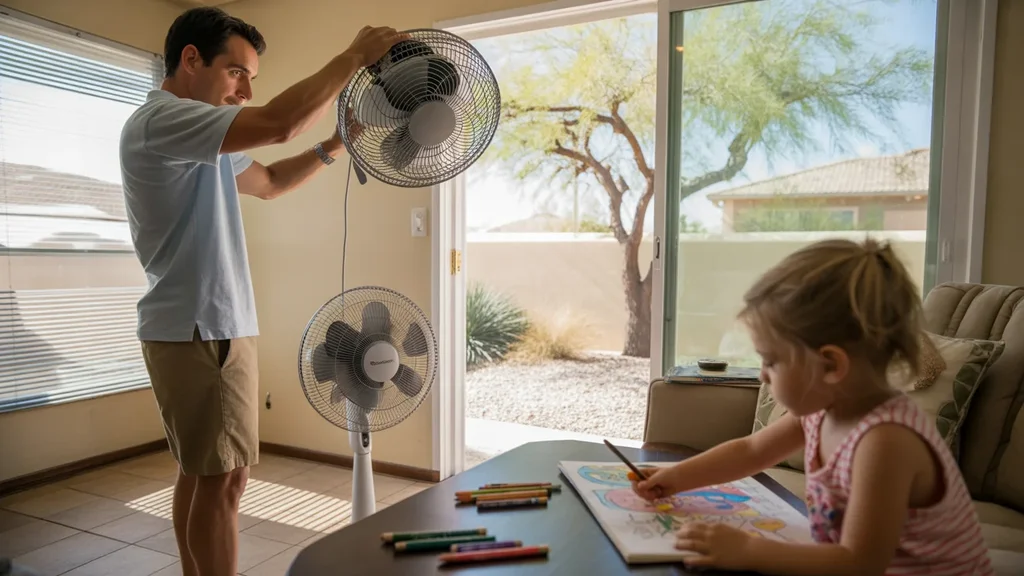
The table below shows how core utility costs typically behave for a mid-size household in a single-family home in Scottsdale. Where city-level prices are available in the data feed, they are shown directly. When exact figures are not provided, categories are described qualitatively to reflect how costs are structured and what drives variability.
| Utility | Cost Structure |
|---|---|
| Electricity | Usage-dependent; seasonal exposure driven by cooling demand |
| Water | Tiered pricing; usage-sensitive with conservation incentives |
| Natural Gas | Minimal; water heating and appliance-driven |
| Trash & Recycling | Often bundled with water or included in HOA fees |
| Total | Seasonal variability driven by electricity and cooling exposure |
This table reflects utility cost structure for a mid-size household in a single-family home in Scottsdale during 2026. Where exact figures are not provided in the IndexYard data feed, categories are described directionally to reflect how costs behave rather than a receipt-accurate total.
Electricity is typically the most exposure-sensitive utility in Scottsdale, driven more by climate and home efficiency than by base rates. Summer months see air conditioning systems running continuously during afternoon peaks when outdoor temperatures exceed one hundred degrees, and older homes without updated insulation or dual-pane windows experience even steeper usage spikes. Time-of-use rate structures reward households that shift discretionary loads like laundry and dishwashing to evening or overnight hours when grid demand falls.
Water costs in Scottsdale follow tiered pricing models that penalize high-volume users, reflecting regional conservation priorities in a desert metro dependent on Colorado River allocations and groundwater reserves. Indoor use for showers, toilets, and appliances forms the baseline, while outdoor irrigation for lawns and landscaping pushes many households into higher-rate tiers during spring and summer. Xeriscaping and drip irrigation systems reduce exposure by lowering total consumption and keeping usage within lower-cost brackets.
Natural gas plays a secondary role compared to electricity, primarily heating water and powering ranges or dryers in homes equipped with gas lines. Winter heating needs remain modest due to mild temperatures, and many newer homes rely entirely on electric heat pumps rather than gas furnaces. Households with gas service see stable monthly charges with minimal seasonal variation, making it one of the most predictable components of the utility mix.
Trash and recycling services in Scottsdale are often bundled with water billing or included in HOA fees, particularly in planned communities where waste management contracts cover entire neighborhoods. Standalone billing exists in older areas and county-jurisdiction properties, typically charging a flat monthly rate regardless of household size. Recycling pickup occurs on the same schedule as trash collection, and bulky item removal may incur additional fees depending on provider policies.
How Weather Impacts Utilities in Scottsdale
Seasonal weather patterns in Scottsdale create pronounced utility cost swings, with summer heat driving the most significant increases and winter months offering relative relief. From May through September, daytime highs routinely exceed one hundred degrees, forcing air conditioning systems to operate at or near capacity for extended periods. Nighttime temperatures during peak summer remain elevated compared to high-desert climates, limiting the effectiveness of evaporative cooling or nighttime ventilation strategies that work in drier, higher-elevation areas.
Monsoon season from July through September introduces humidity spikes that reduce evaporative cooling efficiency and increase the workload on refrigerated air conditioning systems. While monsoon storms provide occasional temperature relief, the added moisture in the air makes indoor spaces feel warmer at the same thermostat setting, prompting many households to lower setpoints and increase runtime. Dust storms preceding monsoon activity also clog HVAC filters more rapidly, reducing system efficiency and raising energy consumption if filters aren’t replaced promptly.
Winter months in Scottsdale bring mild daytime temperatures and cool evenings, with heating needs limited to early mornings and nighttime hours. Many households experience noticeably lower electric bills during winter compared to summer, as heating loads remain modest and cooling systems stay idle. Natural gas usage ticks up slightly for water heating as incoming water temperatures drop, but the increase rarely matches the magnitude of summer cooling costs. Spring and fall shoulder seasons offer the lowest utility exposure, with comfortable temperatures reducing both heating and cooling demand to near-zero levels for weeks at a time.
How to Save on Utilities in Scottsdale
Reducing utility costs in Scottsdale requires addressing cooling exposure, managing water consumption, and taking advantage of efficiency programs offered by local providers. Behavioral changes like raising thermostat setpoints by a few degrees during peak afternoon hours, closing blinds on south- and west-facing windows, and running ceiling fans to improve air circulation all help lower electricity usage without requiring upfront investment. Time-of-use rate plans reward households that shift discretionary loads to off-peak hours, and programmable or smart thermostats automate setpoint adjustments to reduce runtime when homes are unoccupied.
Home efficiency upgrades deliver long-term reductions in both cooling and water costs. Adding attic insulation, sealing duct leaks, and upgrading to high-efficiency HVAC systems reduce the energy required to maintain comfortable indoor temperatures. Replacing older water heaters with tankless or heat pump models lowers standby energy losses, and low-flow fixtures reduce both water consumption and the energy needed to heat that water. Desert landscaping with native plants and drip irrigation systems cuts outdoor water use significantly, keeping households within lower-cost billing tiers.
Utility providers and state programs in Arizona offer rebates and incentives for efficiency improvements, including air conditioning tune-ups, insulation upgrades, and appliance replacements. Solar panel installations benefit from federal tax credits and net metering policies that allow homeowners to offset grid electricity with rooftop generation, reducing exposure to peak summer rates. Some providers also offer budget billing programs that average costs across the year, smoothing out seasonal spikes and making monthly expenses more predictable.
- Enroll in time-of-use rate plans and shift laundry, dishwashing, and pool pumps to off-peak hours
- Install programmable or smart thermostats to automate cooling schedules and reduce runtime
- Seal attic and duct leaks to prevent conditioned air loss and improve HVAC efficiency
- Replace turf with desert landscaping and drip irrigation to lower outdoor water use
- Upgrade to high-efficiency air conditioning units and water heaters with available rebates
- Plant shade trees on south- and west-facing sides to reduce afternoon heat gain
- Install solar panels to offset peak electricity costs and take advantage of net metering
🏆 Tip: Check if your provider in Scottsdale offers rebates for energy-efficient AC units or heating systems, as these programs can reduce upfront costs and accelerate payback on efficiency upgrades.
FAQs About Utility Costs in Scottsdale
Why are utility bills so high in Scottsdale? Utility bills in Scottsdale peak during summer months due to sustained air conditioning demand driven by extreme desert heat, with daytime temperatures exceeding one hundred degrees for extended periods. Electricity dominates total utility costs, and homes with poor insulation, older HVAC systems, or west-facing exposure experience the steepest seasonal increases.
How does seasonal weather affect monthly utility bills in Scottsdale? Summer heat creates the largest cost swings, with electric bills often running two to three times higher than winter months due to continuous cooling needs from May through September. Winter heating costs remain minimal due to mild temperatures, and spring and fall shoulder seasons offer the lowest overall utility exposure as both heating and cooling demand drops near zero.
Do HOAs in Scottsdale usually include trash or water in their fees? Many master-planned communities and condominium associations in Scottsdale bundle trash and sometimes water into HOA fees, simplifying billing and leveraging bulk service contracts. Older neighborhoods and county-jurisdiction properties more commonly bill water and trash separately, either as combined utility invoices or through independent waste management providers.
Does Scottsdale offer incentives for solar panels or energy-efficient appliances? Arizona residents benefit from federal tax credits for solar panel installations and net metering policies that allow homeowners to offset grid electricity with rooftop generation. Local utility providers periodically offer rebates for high-efficiency air conditioning systems, water heaters, and insulation upgrades, though specific program availability and funding levels vary by year and provider.
What is the average winter heating cost in Scottsdale? Winter heating costs in Scottsdale remain modest compared to summer cooling expenses, as mild daytime temperatures and cool evenings require only limited furnace or heat pump operation during early mornings and nighttime hours. Many households see minimal increases in natural gas or electricity usage for heating, with total winter utility bills running well below summer peaks driven by air conditioning.
How Utilities Fit Into the Cost Structure in Scottsdale
Utilities represent a significant but variable component of household expenses in Scottsdale, with seasonal cooling demand creating predictable summer spikes that require budget flexibility. Electricity drives the majority of utility volatility, while water, natural gas, and trash services contribute smaller, more stable baseline costs. Understanding how these categories interact with climate, home efficiency, and usage behavior helps households anticipate exposure and identify high-impact opportunities to reduce consumption.
For households evaluating overall living costs in Scottsdale, utilities add meaningful seasonal pressure during summer months but remain manageable during winter and shoulder seasons when cooling demand disappears. Renters and homeowners face similar per-square-foot exposure, though single-family homes carry greater absolute costs due to larger conditioned spaces and outdoor water use. Efficiency upgrades, behavioral adjustments, and rate plan optimization all help smooth volatility and lower total annual spending without requiring major lifestyle changes.
Utilities interact with other cost categories in ways that shape household financial planning. Homes with lower utility costs due to newer construction, better insulation, or solar installations may command higher rents or purchase prices, shifting expenses from monthly bills to upfront housing costs. Conversely, older homes with lower acquisition costs often carry higher ongoing utility exposure, making total cost of occupancy the more relevant metric than rent or mortgage alone. For a complete view of how utilities fit alongside housing, transportation, and other expenses, consider the full monthly budget picture rather than evaluating any single category in isolation.
IndexYard provides localized cost data and decision tools to help households navigate utility expenses, housing tradeoffs, and budget planning across Scottsdale and the broader Phoenix metro. Explore related resources to compare neighborhoods, evaluate efficiency investments, and build realistic spending plans that account for seasonal variability and long-term cost trends.