
“It’s comfortable, but sometimes too comfortable—like you have everything you need, but nothing that surprises you.” That’s how one longtime resident described Upper Arlington, and it captures the tension many people feel here. This is a city that works beautifully for those who want green space, good schools, and a predictable rhythm. But for anyone craving spontaneity, texture, or a little creative friction, the vibe can feel a bit too polished, a bit too quiet.
Upper Arlington sits just northwest of Columbus, close enough to access the metro’s jobs and amenities but far enough to maintain its own carefully cultivated suburban identity. The emotional tone here is shaped by high expectations—this is an affluent community where people expect things to work, and mostly, they do. But that reliability comes with tradeoffs: limited nightlife, restrained retail variety, and a rhythm that can feel more like maintenance than discovery.
Who Feels at Home in Upper Arlington
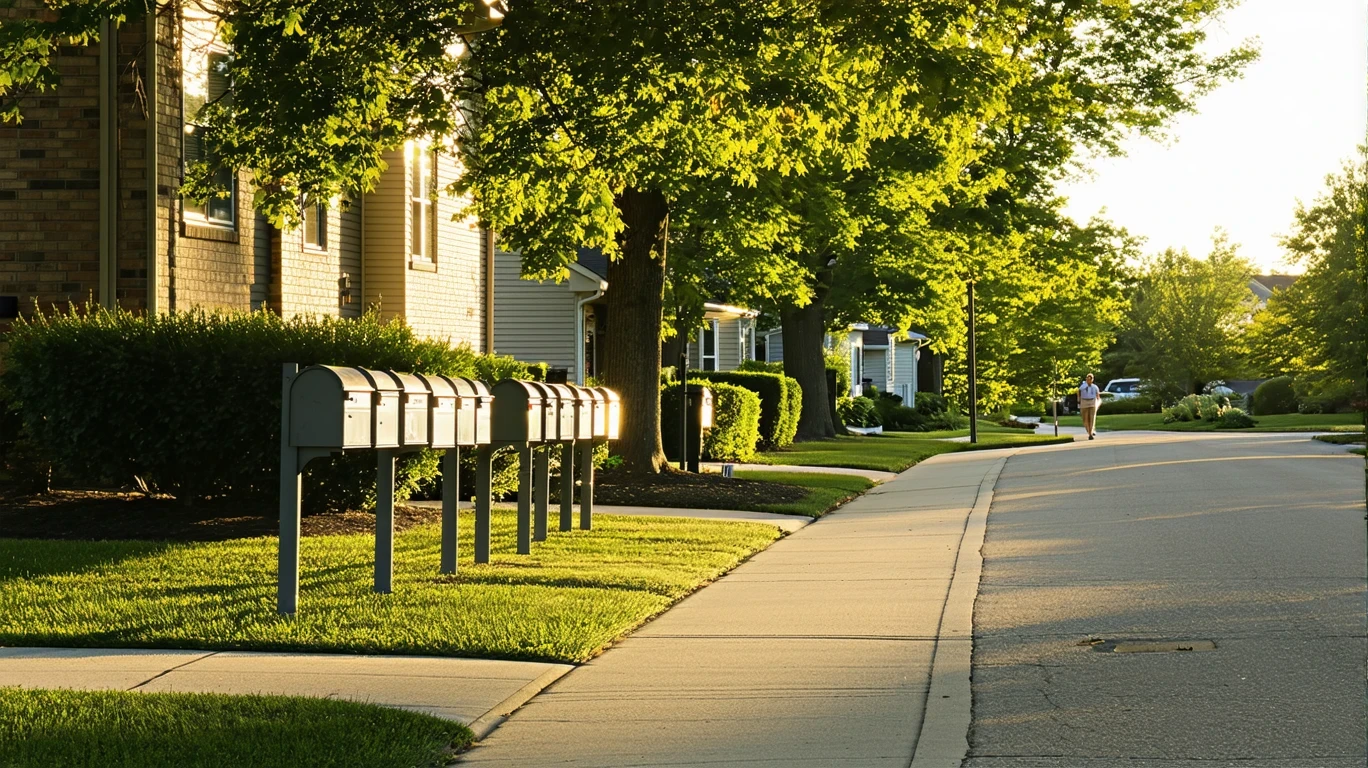
Upper Arlington tends to reward people looking for stability, safety, and a strong sense of place. Families appreciate the schools, the parks, and the neighborhoods where kids can bike to a friend’s house. Professionals who work in Columbus but want a quieter home base find the commute manageable and the environment restorative. Retirees who’ve spent decades here often describe a deep attachment to the tree-lined streets and the familiarity of long-term neighbors.
The city’s structure supports a particular kind of daily life. Food and grocery options are broadly accessible, with density that exceeds typical suburban thresholds—meaning you’re not driving across town for basics. Pedestrian infrastructure is substantial in pockets, especially around older commercial corridors and established neighborhoods, which makes errands and short trips feel less car-dependent than in many comparable suburbs. Parks are woven throughout the city, not just clustered in a few zones, so green space feels integrated rather than something you have to seek out. For households that value convenience within a suburban framework, this setup reduces friction and creates a rhythm that feels manageable.
But the city doesn’t offer much for people who want variety, surprise, or late-night energy. If your ideal Saturday involves stumbling onto a new gallery, catching live music on a whim, or choosing between a dozen unfamiliar restaurants, Upper Arlington will feel limiting. The vibe here is more “farmer’s market and brunch” than “food truck and dive bar.”
What People Talk About Online
On platforms like Facebook neighborhood groups and local Reddit threads, Upper Arlington residents tend to focus on preservation, pride, and mild frustration with change. There’s a protective tone around the city’s character—people want growth to happen carefully, if at all. Conversations about new development often carry an undertone of anxiety: will this still feel like Upper Arlington in ten years?
Common themes include:
- Debate over teardowns and rebuilds in older neighborhoods
- Praise for parks, trails, and green space maintenance
- Complaints about limited dining and entertainment options
- Commute strategies and frustration with Columbus traffic
- School district pride mixed with concern over enrollment pressure
Quote-style sentiments that surface regularly:
“It’s a great place to raise kids, but once they’re in bed, there’s not much to do.”
“I love that I can walk to the grocery store and the park, but I still need my car for everything else.”
“People here care a lot about property values, sometimes more than they care about neighbors.”
The tone isn’t hostile, but it’s not effusive either. People appreciate what Upper Arlington offers, but they’re also aware of what it doesn’t.
How Local Coverage Frames the City
Local news and community blogs tend to frame Upper Arlington through the lens of continuity and controlled evolution. Coverage often highlights civic engagement, school achievements, and infrastructure improvements, but there’s also recurring attention to tension points: development proposals, budget debates, and the challenge of maintaining identity as the metro grows.
Simulated headline-style topic buckets that reflect recurring coverage themes:
- “Residents Weigh New Development Against Neighborhood Character”
- “Parks and Recreation Investments Keep Green Space Central”
- “School District Navigates Growth and Resource Allocation”
- “Commuters Balance Proximity to Columbus with Suburban Calm”
- “Local Businesses Adapt as Retail Landscape Shifts”
The framing is rarely alarmist, but it’s not boosterish either. There’s a sense that Upper Arlington is managing change rather than embracing it, and that management requires constant negotiation.
What Reviews and Public Perception Reveal
On platforms like Google Reviews, Yelp, and Nextdoor-style forums, Upper Arlington earns praise for cleanliness, safety, and accessibility to basics. People moving from denser urban areas or from less affluent suburbs often express relief: the streets are well-maintained, the parks are plentiful, and the schools feel solid.
But there’s also a recurring note of disappointment among those who expected more texture. Newer planned areas tend to feel efficient but generic, while older pockets offer more architectural variety and walkable charm—but even those areas don’t deliver the spontaneity of a true urban neighborhood. The dining scene gets mixed reviews: reliable, but not adventurous. Retail options are adequate but not exciting.
Healthcare access is local and routine—clinics and pharmacies are present, though there’s no hospital within city limits. For everyday needs, that’s fine. For emergencies or specialized care, you’re heading into Columbus.
Transit is bus-only, which works for some commuters but leaves most households car-dependent. Cycling infrastructure exists in pockets, enough to make short recreational rides pleasant, but not enough to replace a car for daily logistics.
How Upper Arlington Compares to Nearby Cities
| Dimension | Upper Arlington | Dublin | Worthington |
|---|---|---|---|
| Overall Vibe | Polished, quiet, family-focused | Corporate, newer, more retail variety | Historic charm, walkable downtown, arts-friendly |
| Walkability | Pockets of strong pedestrian infrastructure | Car-oriented with planned paths | Stronger downtown walkability, older street grid |
| Dining and Nightlife | Limited, reliable, not adventurous | More chain options, some upscale spots | More local character, small-venue culture |
| Parks and Green Space | Integrated throughout, high density | Large planned parks, more spread out | Smaller parks, historic green spaces |
| Housing Character | Mix of older homes and teardown rebuilds | Newer construction, planned developments | Historic homes, preservation-minded |
Upper Arlington occupies a middle ground between Dublin’s corporate newness and Worthington’s historic texture. If you want the newest retail and a more polished suburban experience, Dublin might feel more aligned. If you want a walkable downtown with more arts and culture, Worthington offers that. Upper Arlington appeals to people who want green space, good schools, and proximity to Columbus without committing fully to either corporate suburbia or small-town charm.
What Locals Are Saying
Young professional, renting: “I moved here thinking it would be a quieter version of Columbus, but it’s more like a different planet. Everything closes early, and I still drive everywhere. It’s nice, but I’m not sure it’s for me long-term.”
Parent of two elementary-age kids: “We love it. The parks are amazing, the schools are solid, and I can walk my kids to the library. It’s exactly what we wanted after living in a condo downtown.”
Retiree, longtime resident: “It’s changed a lot, but it’s still home. I know my neighbors, I know the streets, and I can’t imagine living anywhere else.”
Remote worker, moved from out of state: “It’s safe and clean, but it feels a little sterile. I miss having more options for dinner or something spontaneous to do on a weeknight.”
Commuter to Columbus: “The commute is fine, and coming home feels like an exhale. But I do wish there was more here so I didn’t have to go back into the city for everything interesting.”
New parent, first-time homebuyer: “We stretched our budget to get here, and I think it’ll be worth it. The schools are the main reason, but I also like that I can walk to the park without feeling like I’m taking my life in my hands.”
Single professional, late 20s: “It’s fine if you’re settled, but if you’re still figuring out what you want, it can feel isolating. Everyone here already knows what they’re doing.”
How this article was built: In addition to public economic data, this article incorporates location-based experiential signals derived from anonymized geographic patterns—such as access density, walkability, and land-use mix—to reflect how day-to-day living actually feels in Upper Arlington, OH.
Does Upper Arlington Feel Like a Good Fit?
Upper Arlington works best for people who value predictability, green space, and a strong sense of community structure. If you’re a family looking for safety, good schools, and parks where your kids can play, this city delivers. If you’re a professional who wants a quiet home base near Columbus without urban density, the rhythm here will likely feel right.
But if you’re someone who thrives on variety, spontaneity, or cultural texture, Upper Arlington may feel too quiet, too controlled, too much like a place where everything is already decided. The city doesn’t reward exploration the way a denser, more mixed-use environment does. It rewards routine, and for some people, that’s exactly the problem.
Understanding monthly expenses can help clarify whether the financial structure aligns with the lifestyle the city offers. And if you’re weighing quality of life factors beyond just housing and commute, it’s worth considering what you actually need from a place versus what you’re willing to do without. For those evaluating housing tradeoffs, the question isn’t just affordability—it’s whether the environment you’re paying for matches the life you want to live.
The perspectives shown reflect commonly expressed local sentiment and recurring themes in public discussion, rather than individual accounts.