
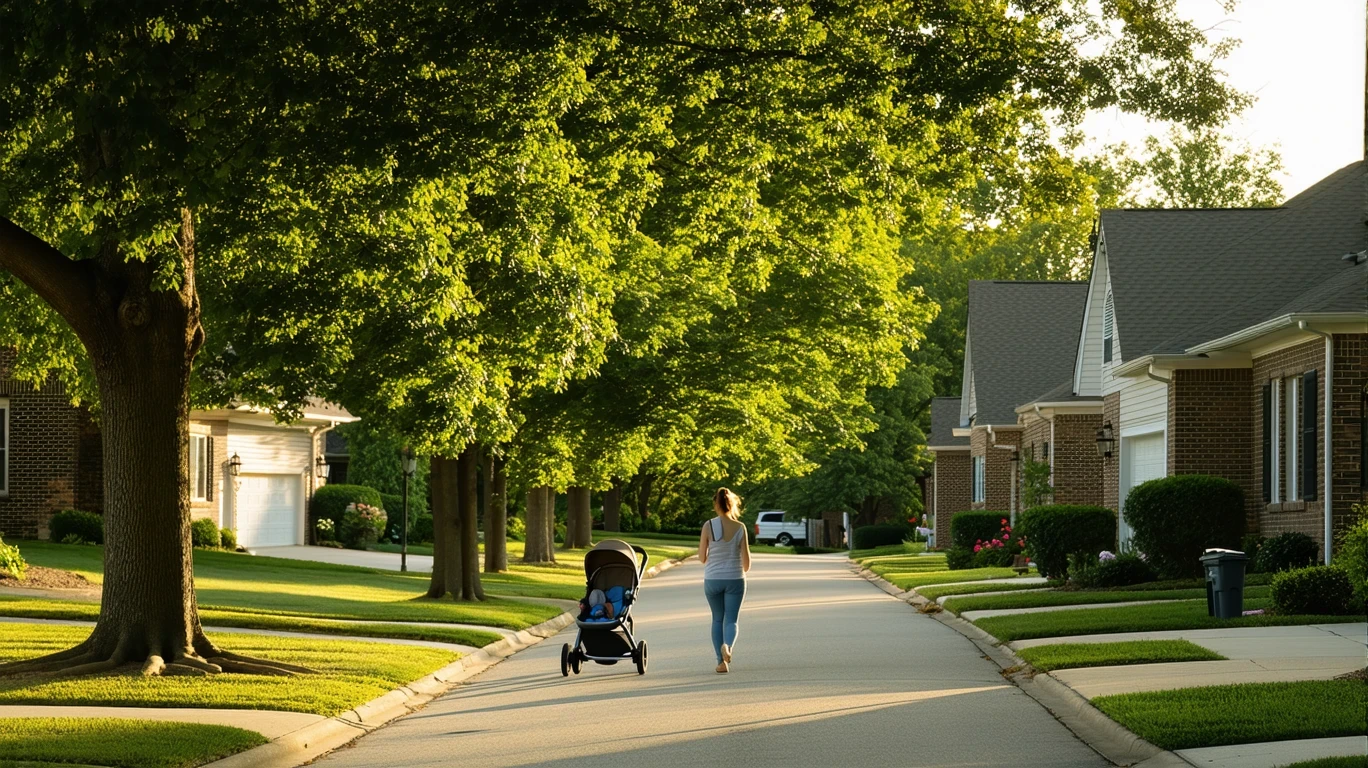
Shelbyville and Shively sit within the same Louisville metro area, share the same utility providers, and experience the same regional price environment—yet the financial experience of living in each feels remarkably different. The distinction isn’t about one city being universally “cheaper” or “better.” It’s about where cost pressure concentrates, how predictably expenses behave, and which households find themselves with more flexibility versus those navigating tighter constraints. In 2026, families weighing a move between these two cities are really deciding between higher housing entry costs paired with more space and car-dependent convenience in Shelbyville, versus lower upfront housing expenses and bus access in Shively—but with less income cushion and sparser grocery infrastructure.
Both cities reflect low-rise, mixed-use suburban form with limited park density and modest family infrastructure. Neither offers rail transit, and both require intentional planning around errands and healthcare. The choice hinges on whether a household prioritizes lower monthly obligations and proximity to Louisville’s urban core, or whether they value newer housing stock, more elbow room, and the ability to absorb higher fixed costs without feeling squeezed. This comparison explains how the same categories of spending—housing, utilities, groceries, transportation, and fees—create different types of financial friction depending on income level, household size, and lifestyle priorities.
What follows is a detailed look at how costs behave differently in Shelbyville and Shively, structured to help households understand not just what things cost, but how those costs interact with daily logistics, long-term predictability, and the realities of managing a budget in each place.
Housing Costs
Housing is where the two cities diverge most sharply. Shelbyville’s median home value sits at $223,900, while Shively’s is $133,400—a substantial gap that shapes affordability, entry barriers, and ongoing obligations. For renters, the pattern holds: Shelbyville’s median gross rent is $947 per month, compared to Shively’s $824 per month. These aren’t small differences. They represent fundamentally different housing markets, with Shelbyville catering to households seeking newer construction, larger lots, and more separation from Louisville’s denser inner suburbs, while Shively offers older housing stock, smaller footprints, and closer proximity to the city.
The higher entry cost in Shelbyville doesn’t just affect the down payment or first month’s rent—it cascades into property taxes, insurance premiums, and maintenance expectations. Homes in Shelbyville tend to be newer, which can reduce immediate repair costs but increases the baseline cost of entry. Shively’s lower home values make ownership more accessible to first-time buyers or households with limited savings, but older homes often come with higher ongoing maintenance exposure and less energy-efficient construction. For renters, the $123 monthly difference between median rents may seem modest, but it compounds over a year and interacts with income constraints differently depending on household earnings.
Families prioritizing space, privacy, and modern finishes will find Shelbyville’s housing stock more aligned with those goals, but they’ll need higher gross monthly income to manage the front-loaded costs without feeling stretched. Single adults or couples who value walkability to errands and bus access may find Shively’s lower rent more compatible with their logistics, even if the housing itself feels more dated. The decision isn’t about which city is “cheaper”—it’s about which housing cost structure aligns with a household’s income level, savings cushion, and tolerance for ongoing maintenance versus upfront expense.
| Housing Type | Shelbyville | Shively |
|---|---|---|
| Median Home Value | $223,900 | $133,400 |
| Median Gross Rent | $947/month | $824/month |
| Typical Housing Stock | Newer single-family, larger lots | Older single-family, smaller lots |
Housing takeaway: Shelbyville’s housing market creates higher entry barriers but offers newer construction and more space, fitting households with higher income and a preference for car-dependent suburban living. Shively’s lower home values and rents make entry more accessible, but older housing stock introduces maintenance unpredictability. Renters sensitive to monthly obligations may find Shively more forgiving; buyers seeking long-term predictability and modern finishes will lean toward Shelbyville if their income supports it.
Utilities and Energy Costs
Both Shelbyville and Shively share identical utility rate structures—14.27¢/kWh for electricity and $12.52/MCF for natural gas—because they draw from the same regional providers within the Louisville metro. This means the difference in utility costs isn’t about pricing; it’s about exposure driven by housing size, age, and construction quality. Shelbyville’s newer housing stock tends to feature better insulation, more efficient HVAC systems, and tighter building envelopes, which can reduce baseline electricity and gas usage even when homes are larger. Shively’s older homes often lack modern weatherization, meaning heating and cooling costs can creep higher despite smaller square footage.
Kentucky’s climate brings hot, humid summers and cold winters, so both heating and cooling matter. Households in larger Shelbyville homes will use more total energy simply because there’s more space to condition, but the efficiency gains from newer construction can offset some of that exposure. In Shively, smaller homes mean lower absolute usage, but older windows, insufficient attic insulation, and aging HVAC systems can make bills feel unpredictable—especially during extreme weather. Single adults or couples in smaller Shively homes may see lower summer cooling bills, but families in older, poorly insulated houses can experience surprising spikes when temperatures drop or humidity climbs.
Utility cost volatility also interacts with household routines. Families with kids home during the day, remote workers, or retirees will see higher baseline usage regardless of city. In Shelbyville, that usage happens in a more efficient envelope; in Shively, it can feel more exposed to seasonal swings. Renters in Shively may have less control over efficiency upgrades, while Shelbyville homeowners can invest in programmable thermostats, attic insulation, or HVAC tune-ups to stabilize costs over time. Neither city offers a structural advantage in rates, but the housing stock creates different levels of control and predictability.
Utility takeaway: Shelbyville households benefit from newer, more efficient housing stock that reduces volatility despite larger home sizes, making utility costs more predictable for families and remote workers. Shively households face higher exposure to seasonal swings due to older construction, especially in single-family homes, though smaller square footage can keep absolute bills lower for singles and couples. The primary difference is predictability versus baseline cost, not rate structure.
Groceries and Daily Expenses
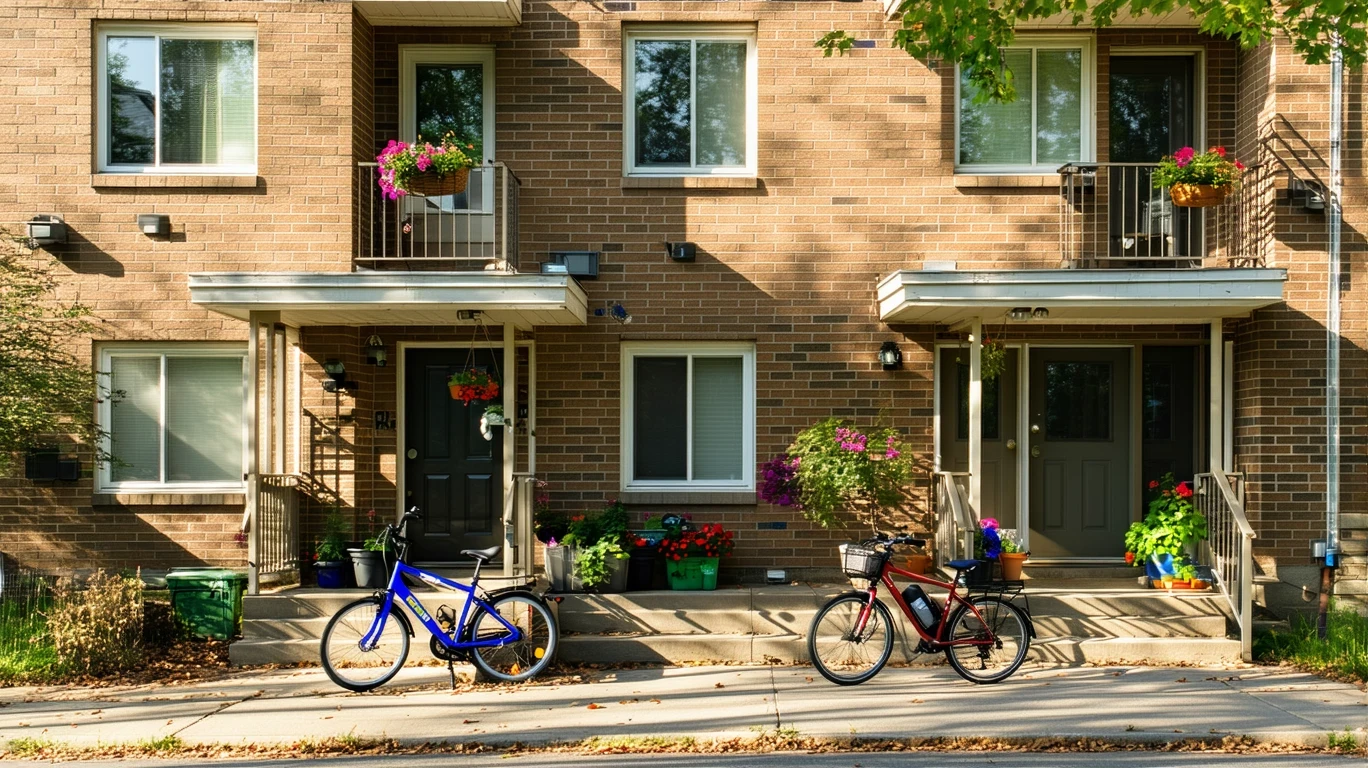
Grocery and daily spending pressure in Shelbyville and Shively reflects different access patterns rather than different price levels. Both cities fall within the same regional price parity index (94, meaning costs run about 6% below the national baseline), so staple prices at comparable stores don’t vary meaningfully. What does vary is how easily households can access discount grocers, how often they’re forced into convenience purchases, and how much time and fuel they spend managing errands.
Shelbyville’s food and grocery infrastructure clusters along commercial corridors, meaning most households need to drive to shop. This setup works well for families who batch errands and prefer big-box stores, warehouse clubs, or regional chains that offer competitive pricing on bulk staples. The trade-off is that quick trips for forgotten items often mean driving several miles, which can nudge households toward convenience stores or higher-priced options when time is tight. Shively’s grocery density sits below typical thresholds, meaning fewer options within walking distance and a similar reliance on driving—but its proximity to Louisville’s denser commercial areas gives households more flexibility to combine grocery runs with other errands or access a wider range of discount and ethnic grocery options.
Daily spending beyond groceries—coffee runs, takeout, household goods—follows similar logic. Shelbyville’s car-dependent layout means fewer spontaneous stops, which can reduce impulse spending but increases planning friction. Shively’s bus service and closer proximity to Louisville’s urban core make it easier for non-drivers to access pharmacies, dollar stores, and quick-service dining without needing a car, though the limited local grocery density means larger shopping trips still require driving or longer bus routes. Families managing larger grocery volumes will find Shelbyville’s corridor-clustered big-box access more efficient; single adults or couples without cars may find Shively’s transit access reduces daily friction even if grocery shopping requires more intentional planning.
Grocery takeaway: Shelbyville fits households who drive, batch errands, and prioritize access to big-box grocers along commercial corridors, reducing per-unit costs but requiring more planning. Shively’s sparse local grocery density creates similar car dependence for major shopping, but bus access and proximity to Louisville reduce friction for smaller, frequent purchases and give non-drivers more flexibility. Price sensitivity is less about cost per item and more about access friction and time spent managing logistics.
Taxes and Fees
Property taxes, local fees, and consumption taxes shape ongoing cost obligations differently depending on housing type, ownership status, and length of stay. Shelbyville’s higher median home values translate directly into higher absolute property tax bills, even if effective tax rates remain comparable to Shively. Homeowners in Shelbyville pay more in property taxes simply because the tax base is higher, and those costs are predictable but non-negotiable. Renters don’t pay property taxes directly, but landlords pass those costs through in rent, meaning Shelbyville’s higher rents already reflect that burden.
Shively’s lower home values mean lower property tax bills for owners, which can ease ongoing obligations for households on fixed incomes or those stretching to afford homeownership. However, older housing stock in Shively can introduce less predictable costs—special assessments for infrastructure repairs, higher water and sewer fees in aging neighborhoods, or unexpected code compliance expenses. Shelbyville’s newer developments often bundle some services (trash, stormwater management) into HOA fees or municipal charges, which can feel more predictable but less flexible.
Sales taxes apply equally across both cities, so consumption-based tax exposure depends more on household spending habits than location. Families who spend more on goods and dining will pay more in sales tax regardless of city, but Shelbyville’s car-dependent errands layout may reduce spontaneous purchases, while Shively’s proximity to Louisville’s commercial districts can increase exposure to discretionary spending. The primary tax difference is structural: Shelbyville front-loads cost through higher property taxes tied to home values, while Shively spreads cost across lower property taxes but introduces more variability through aging infrastructure and less bundled services.
Taxes and fees takeaway: Shelbyville homeowners face higher property tax obligations due to higher home values, creating predictable but non-negotiable ongoing costs that favor households with stable income. Shively’s lower property taxes ease baseline obligations but introduce more variability through aging infrastructure and less bundled services, fitting households prioritizing lower fixed costs even if unpredictability increases. Renters in both cities absorb these differences indirectly through rent levels.
Transportation & Commute Reality
Transportation costs and commute friction differ sharply between Shelbyville and Shively, driven by transit access, proximity to Louisville’s job centers, and the role of car dependency in daily logistics. Shively offers bus service, making it possible—though not always convenient—for households to manage errands, healthcare appointments, and commutes without owning a car. Shelbyville has no public transit, meaning every trip requires a personal vehicle. Gas prices sit at $3.74/gal in both cities, so the cost difference isn’t at the pump—it’s in how often households need to drive, how far, and whether they have alternatives.
Shelbyville’s layout assumes car ownership. Grocery stores, clinics, schools, and workplaces are spread across corridors and require intentional driving. Households with two working adults often need two cars, doubling insurance, maintenance, and registration costs. Families who value space and privacy may accept this trade-off willingly, but single adults or couples on tighter budgets can find the forced car dependency expensive and inflexible. Shively’s bus access doesn’t eliminate the need for a car—most households still drive for major errands—but it creates a safety net for non-drivers, reduces the pressure to own multiple vehicles, and makes it easier to manage logistics when a car is in the shop or a household member doesn’t drive.
Commute patterns also matter. Shively sits closer to Louisville’s urban core, meaning shorter drives to downtown jobs, hospitals, and entertainment districts. Shelbyville’s farther location adds time and mileage for households commuting into Louisville, though it offers easier access to jobs in eastern Jefferson County or Shelby County. The time cost of commuting—measured in fuel, wear on vehicles, and daily schedule friction—can outweigh modest rent or housing savings if a household spends an extra hour per day on the road.
Transportation takeaway: Shelbyville requires car ownership for all households, creating higher baseline transportation costs and less flexibility for non-drivers, but offers easier access to eastern metro jobs and newer, car-oriented retail corridors. Shively’s bus service and proximity to Louisville reduce car dependency for some errands and commutes, fitting households prioritizing transit access or managing with one vehicle, though most major shopping and healthcare still require driving.
Cost Structure Comparison
Housing dominates the cost experience in both cities, but the nature of that pressure differs. Shelbyville’s higher home values and rents create a front-loaded barrier—households need higher gross monthly income to clear the entry threshold, but once inside, they benefit from newer construction, more space, and predictable utility costs. Shively’s lower housing costs make entry easier, but older housing stock introduces maintenance unpredictability, and lower median household income means less cushion to absorb unexpected expenses. For renters, the $123 monthly rent difference compounds over a year, but the real question is whether that savings buys meaningful flexibility or just shifts pressure to other categories like transportation or healthcare access.
Utilities introduce more volatility in Shively due to older, less efficient housing, even though rates are identical. Shelbyville households pay more in absolute terms because homes are larger, but the costs behave more predictably. Families with kids, remote workers, or anyone home during the day will feel utility exposure more acutely in Shively’s older stock, while Shelbyville’s newer homes offer more control through efficiency upgrades and better baseline insulation.
Transportation patterns matter more in Shelbyville, where car ownership is non-negotiable and every errand requires driving. Shively’s bus service doesn’t eliminate car costs for most households, but it reduces the pressure to own multiple vehicles and creates flexibility for non-drivers. Households sensitive to transportation friction—single adults, couples sharing one car, or families managing tight schedules—may find Shively’s transit access and proximity to Louisville worth the trade-off in housing age and grocery access.
Groceries and daily errands create similar friction in both cities, though for different reasons. Shelbyville’s corridor-clustered access works well for households who drive and batch errands, while Shively’s sparse grocery density requires intentional planning but benefits from proximity to Louisville’s wider commercial options. Neither city offers walkable, neighborhood-scale grocery access, so the difference is more about driving distance and time cost than price per item.
The decision between Shelbyville and Shively isn’t about which city is “cheaper overall”—it’s about which cost structure aligns with a household’s income level, flexibility needs, and tolerance for predictability versus variability. Households sensitive to housing entry costs may prefer Shively’s lower rents and home values, even if older housing introduces maintenance risk. Households prioritizing space, newer construction, and car-dependent convenience may find Shelbyville’s higher upfront costs worth the trade-off if their income supports it. For households managing on lower or fixed incomes, Shively’s bus access and proximity to Louisville can reduce transportation and healthcare friction, while Shelbyville’s layout assumes higher income and car ownership from the start.
How the Same Income Feels in Shelbyville vs Shively
Single Adult
Housing becomes the first non-negotiable cost, and the $123 rent difference between cities compounds quickly when paired with transportation needs. In Shelbyville, car ownership is mandatory, meaning insurance, gas, and maintenance absorb a larger share of income before groceries or discretionary spending enter the picture. Flexibility exists in dining out and entertainment, but the car-dependent layout reduces spontaneity and increases planning friction. In Shively, lower rent and bus access create more breathing room for non-drivers or those managing with one older vehicle, though limited local grocery density and healthcare options mean some errands still require driving or longer transit routes. The time cost of commuting into Louisville matters less from Shively, while Shelbyville’s farther location adds daily mileage and schedule rigidity.
Dual-Income Couple
Housing entry costs hit harder in Shelbyville, but two incomes can absorb the higher rent or mortgage if both partners work steadily. The primary trade-off becomes transportation—Shelbyville often requires two cars, doubling insurance and maintenance costs, while Shively’s bus service and proximity to Louisville make it possible to manage with one vehicle if work schedules align. Flexibility appears in grocery strategy and discretionary spending, though Shelbyville’s corridor-clustered errands layout rewards households who batch trips and plan ahead. In Shively, older housing stock introduces more maintenance unpredictability, but lower baseline housing costs leave more room for savings or absorbing unexpected expenses. The couple’s combined income determines whether Shelbyville’s predictability or Shively’s lower entry costs feel more stable.
Family with Kids
Housing size and school access become non-negotiable, and Shelbyville’s larger, newer homes align with family space needs despite higher costs. Utilities, groceries, and transportation all scale with household size, and Shelbyville’s newer construction reduces utility volatility while car-dependent errands increase fuel and time costs. Flexibility disappears quickly—families need reliable transportation, predictable housing costs, and proximity to schools and healthcare. In Shively, lower housing entry costs create initial savings, but older homes with less efficient heating and cooling can introduce seasonal bill spikes, and limited local family infrastructure (schools, playgrounds, clinics) increases reliance on driving into Louisville for services. The decision hinges on whether the family prioritizes space and predictability in Shelbyville or lower upfront costs and bus access in Shively, with the understanding that both cities require intentional logistics planning and car ownership for most daily needs.
Decision Matrix: Which City Fits Which Household?
| Decision factor | If you’re sensitive to this… | Shelbyville tends to fit when… | Shively tends to fit when… |
|---|---|---|---|
| Housing entry + space needs | You need predictable housing costs and modern finishes but can absorb higher upfront expense | You prioritize newer construction, larger lots, and can manage higher rent or mortgage payments | You need lower entry costs and can tolerate older housing stock with maintenance unpredictability |
| Transportation dependence + commute friction | You want alternatives to car ownership or need to minimize daily driving time | You own reliable vehicles, batch errands efficiently, and work in eastern Louisville metro | You value bus access, shorter commutes to downtown Louisville, or manage with one vehicle |
| Utility variability + home size exposure | You want predictable monthly bills and control over energy efficiency | You prioritize newer, well-insulated homes even if total usage is higher due to size | You accept seasonal bill swings in exchange for smaller baseline square footage and lower rent |
| Grocery strategy + convenience spending creep | You need efficient access to big-box grocers and can plan trips in advance | You drive, batch errands along corridors, and prioritize bulk pricing over spontaneous access | You value proximity to Louisville’s wider grocery options and can tolerate sparse local density |
| Fees + friction costs (HOA, services, upkeep) | You want predictable, bundled services even if baseline costs are higher | You prefer newer developments with bundled trash, stormwater, and predictable property taxes | You prioritize lower property taxes and can manage variability from aging infrastructure |
| Time budget (schedule flexibility, errands, logistics) | You need to minimize daily logistics friction and maximize schedule control | You can absorb longer drives and car-dependent errands in exchange for space and privacy | You value shorter commutes, bus access for non-drivers, and proximity to Louisville services |
Lifestyle Fit
Shelbyville and Shively offer distinct lifestyle textures shaped by their proximity to Louisville, transit access, and built environment. Shelbyville functions as a car-dependent suburb with newer housing stock, larger lots, and a layout that assumes households will drive for errands, healthcare, and recreation. The city’s pedestrian infrastructure supports some walking within neighborhoods, but daily life revolves around driving to corridor-clustered commercial areas. Families seeking space, privacy, and separation from Louisville’s denser inner suburbs will find Shelbyville’s layout familiar and functional, though it requires reliable transportation and intentional planning for all household logistics.
Shively sits closer to Louisville’s urban core and offers bus service, making it more accessible for households without cars or those managing with one vehicle. The city’s older housing stock, smaller lots, and mixed land use create a more compact feel, though limited local grocery density and healthcare infrastructure mean most households still drive for major errands. Shively’s proximity to Louisville reduces commute times for downtown jobs and makes it easier to access the city’s wider range of dining, entertainment, and specialty retail options. Both cities show low-rise building character and limited park density, so outdoor recreation typically requires driving to regional parks or trails.
Cultural and recreational amenities in both cities lean modest. Shelbyville offers access to equestrian culture and rural landscapes to the east, while Shively benefits from proximity to Louisville’s museums, sports venues, and urban parks. Households prioritizing walkability, spontaneous errands, or car-free living will find both cities challenging, though Shively’s bus access and shorter distances to Louisville create more flexibility. Families valuing space, newer construction, and suburban privacy will lean toward Shelbyville if their income supports higher housing costs. Singles, couples, or households on tighter budgets may find Shively’s lower entry costs and transit access reduce daily friction, even if the housing itself feels older and less polished.
Shelbyville median household income: $74,433 per year
Shively median household income: $45,953 per year
The income gap between the two cities is substantial and shapes not just affordability but also the type of cost pressure households experience. Shelbyville’s higher median income aligns with its higher housing costs, creating a market where entry barriers are steep but ongoing obligations feel manageable for dual-income families or professionals. Shively’s lower median income means households have less cushion to absorb unexpected expenses, making predictability and flexibility more critical even if baseline costs are lower.
Frequently Asked Questions
Is Shelbyville or Shively better for families trying to balance housing costs and space in 2026?
Shelbyville offers larger, newer homes with more predictable utility costs, but higher rent and home values create steeper entry barriers. Shively provides lower housing entry costs and bus access, making it easier for families managing on tighter budgets, though older housing stock introduces maintenance unpredictability and limited local family infrastructure. The better fit depends on whether your household prioritizes space and modern finishes or lower upfront costs and transit flexibility.
How do transportation costs differ between Shelbyville and Shively for single adults in 2026?
Shelbyville requires car ownership for all errands, healthcare, and commuting, meaning insurance, gas, and maintenance become non-negotiable baseline costs. Shively’s bus service and proximity to Louisville reduce car dependency for some trips, making it possible to manage with one older vehicle or rely on transit for non-drivers. The cost difference isn’t just fuel—it’s whether you need to own and maintain a car at all.
Which city has more predictable utility bills, Shelbyville or Shively, in 2026?
Both cities share identical utility rates, but Shelbyville’s newer housing stock offers better insulation and more efficient HVAC systems, reducing seasonal volatility even in larger homes. Shively’s older construction creates more exposure to heating and cooling spikes, especially during extreme weather, though smaller square footage can keep absolute bills lower. Predictability favors Shelbyville; baseline cost favors Shively for smaller households.
Do Shelbyville and Shively have different grocery costs or just different access patterns in 2026?
Both cities fall within the same regional price parity index, so staple prices at comparable stores don’t vary meaningfully. The difference is access: Shelbyville’s corridor-clustered grocery infrastructure works well for households who drive and batch errands, while Shively’s sparse local grocery density requires similar driving but benefits from proximity to Louisville’s wider range of discount and specialty grocers. Cost sensitivity is more about time and convenience than price per item.
How does living in Shelbyville versus Shively affect commute costs and time for Louisville workers in 2026?
Shively’s closer proximity to downtown Louisville reduces commute time and mileage for households working in the urban core, while Shelbyville’s farther location adds daily driving but offers easier access to jobs in eastern Jefferson County or Shelby County. Shively’s bus service creates flexibility for non-drivers or single-vehicle households, while Shelbyville assumes car ownership and often requires two vehicles for dual-income families. The cost difference is less about gas prices and more about time, vehicle wear, and whether transit access matters to your household.
Conclusion
Shelbyville and Shively present two distinct cost structures within the same Louisville metro area, shaped by housing entry barriers, transit access, and the trade-offs between predictability and flexibility. Shelbyville fits households with higher income who prioritize space, newer construction, and car-dependent suburban living, accepting higher upfront housing costs in exchange for predictable utility bills and modern finishes. Shively fits households prioritizing lower entry costs, bus access, and proximity to Louisville’s urban core, accepting older housing stock and maintenance unpredictability in exchange for reduced baseline obligations and shorter commutes.
The decision isn’t about which city is “cheaper overall”—it’s about which cost pressures a household can absorb and which trade-offs align with their income level, transportation needs, and daily logistics. Families seeking space and stability will lean toward Shelbyville if their income supports it. Singles, couples, or households managing on tighter budgets may find Shively’s lower housing costs and transit access create more breathing room, even if the housing itself feels older and less polished. Both cities require intentional planning around errands, healthcare, and recreation, but the nature of that planning—and the financial friction it creates—differs meaningfully depending on where cost pressure concentrates and how much flexibility a household has to navigate it.
How this article was built: In addition to public economic data, this article incorporates location-based experiential signals derived from anonymized geographic patterns—such as access density, walkability, and land-use mix—to reflect how day-to-day living actually feels in Shelbyville and Shively.