
Santa Clara, CA vs. San Jose, CA: Cost of Living Comparison (2025)
As the tech industry continues to drive growth in Silicon Valley, many residents find themselves comparing the cost of living between nearby cities like Santa Clara and San Jose. While both offer proximity to major employers, each presents distinct lifestyle tradeoffs—from urban amenities to family-friendly neighborhoods. For those relocating in 2025, understanding the nuances of housing, groceries, utilities, and taxes can make all the difference in choosing where to call home.
Consider the Gupta family, who are debating between a spacious rental in Santa Clara and a more compact apartment in the heart of San Jose. Anika, a software engineer, prioritizes a shorter commute, while her husband Ravi hopes to maximize their budget for a growing family. As they weigh the pros and cons, cost of living emerges as the central factor in their decision for 2025.
Housing Costs
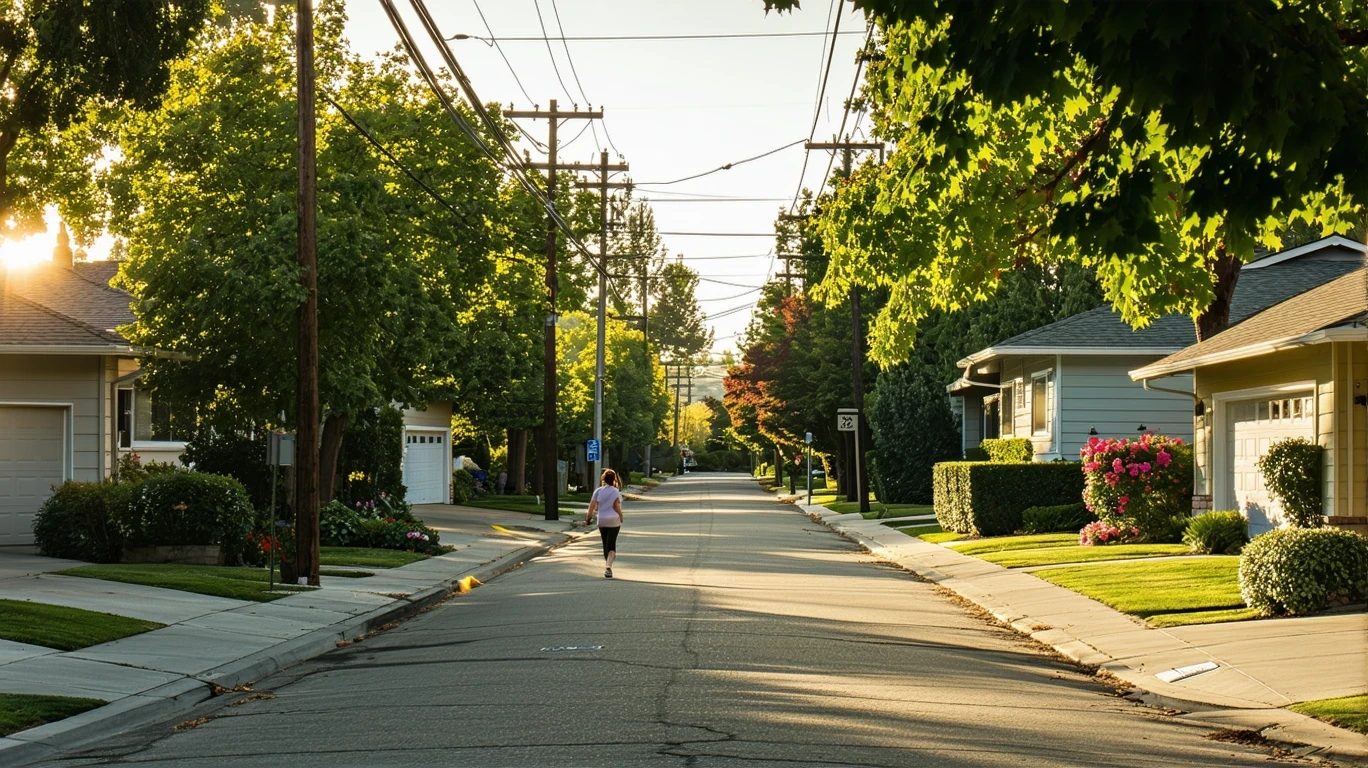
Housing often represents the largest expense for Silicon Valley residents, and the differences between Santa Clara and San Jose can be significant. In Santa Clara, renters can expect to pay around $3,200 per month for a typical 2-bedroom apartment in 2025, while a comparable unit in San Jose averages closer to $3,600. For those looking to purchase, the median home price in Santa Clara hovers around $1.5 million, compared to $1.1 million in San Jose.
However, these averages don’t tell the whole story. Santa Clara tends to offer a higher proportion of single-family homes and townhouses, appealing to families who prioritize space. San Jose, on the other hand, features a greater concentration of apartments and condos, attracting young professionals who value urban living. Neighborhood-level differences also come into play, with prices varying based on proximity to transit, schools, and amenities.
| Housing Type | Santa Clara | San Jose |
|---|---|---|
| 2BR Apartment (Monthly Rent) | $3,200 | $3,600 |
| 3BR House (Monthly Mortgage) | $6,500 | $4,800 |
| Median Home Price | $1.5M | $1.1M |
For the Guptas, Santa Clara’s family-friendly housing stock and slightly lower rents make it an attractive option. However, they’d need to weigh the added space against Anika’s longer commute. Alternatively, choosing a smaller apartment in San Jose could allow them to save on monthly costs while still enjoying urban conveniences.
Overall, while San Jose offers lower home prices and rents compared to Santa Clara, the latter tends to provide more square footage for the money. Families who prioritize space may find better value in Santa Clara, while young professionals on a budget may appreciate San Jose’s lower-cost apartments.
Utilities and Energy Costs
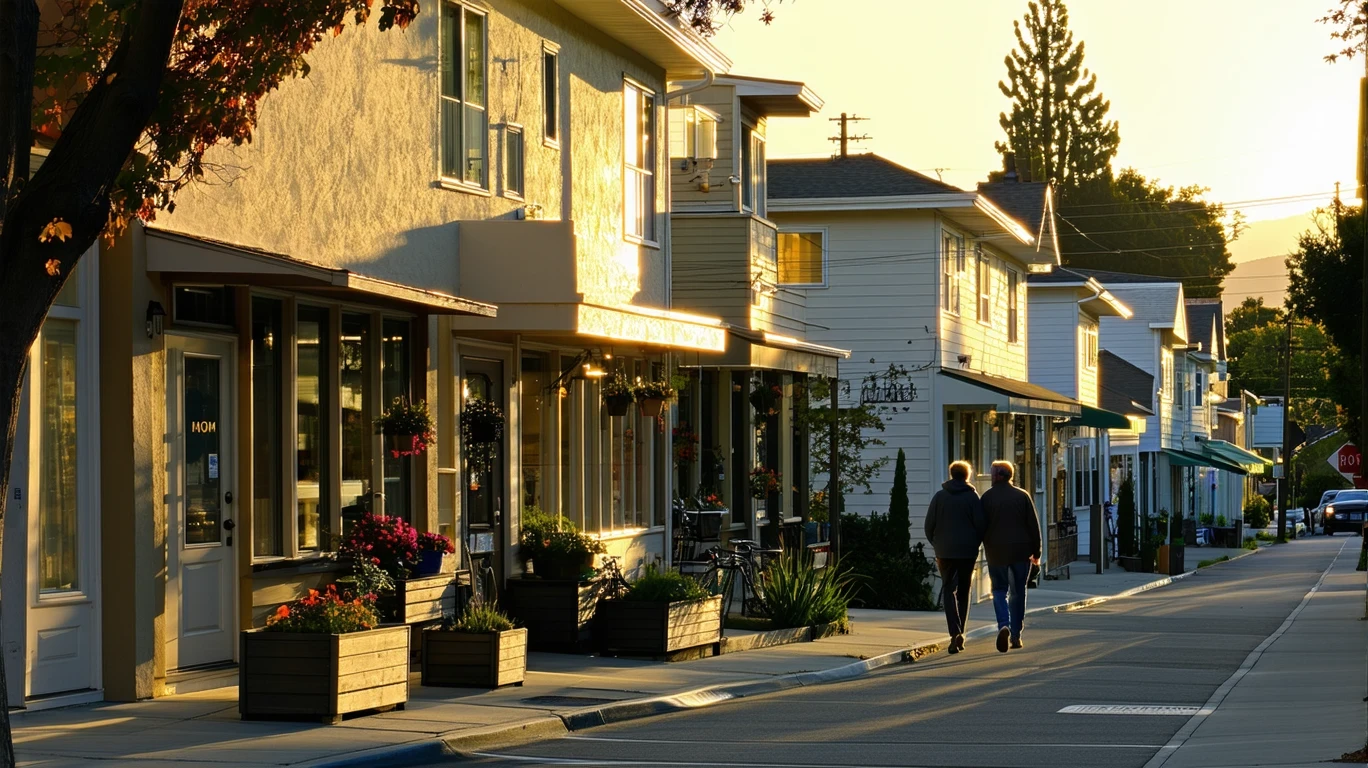
Utility costs can add up quickly in Silicon Valley, where summer temperatures soar and many homes rely on air conditioning. In Santa Clara, residents can expect to pay around $180 per month for a typical household’s electricity, gas, and water bills. San Jose residents, on the other hand, often see slightly higher utility costs, averaging $200 per month.
These differences are largely due to the age and size of homes in each city. Santa Clara’s newer construction tends to be more energy-efficient, with better insulation and modern appliances that keep utility bills in check. San Jose’s older housing stock, while charming, can lead to higher heating and cooling costs.
Household size also plays a role, with larger families consuming more electricity and water than singles or couples. The Guptas, with two young children, may find that opting for a newer home in Santa Clara helps keep their utility bills manageable.
Ultimately, while utility costs are slightly higher in San Jose, the difference may be negligible for some households. However, those sensitive to monthly expenses may appreciate the energy efficiency of Santa Clara’s newer homes.
Groceries and Daily Expenses
When it comes to groceries and everyday items, Santa Clara and San Jose offer similar prices at major supermarkets like Safeway and Trader Joe’s. However, residents note some cost differences when it comes to dining out and specialty goods.
In Santa Clara, a typical fast-casual meal for two averages around $30, while sit-down restaurants tend to be pricier, with dinner for two often exceeding $80. San Jose, known for its diverse culinary scene, offers a wider range of price points. Budget-conscious diners can find meals for under $20 per person, while upscale restaurants command prices similar to Santa Clara.
For specialty items like organic produce or imported goods, San Jose’s larger international markets may offer lower prices and more variety compared to Santa Clara’s boutique grocers. However, cost-conscious shoppers in both cities can find deals by comparing prices at different stores and taking advantage of loyalty programs.
For the Gupta family, grocery costs may be comparable between the two cities, but they could save on dining out by taking advantage of San Jose’s more diverse restaurant scene. However, if they prioritize organic or specialty foods, Santa Clara’s upscale markets may be more convenient.
In summary, while grocery costs are similar in both cities, San Jose offers more variety and budget-friendly options for dining out. However, specialty items may be slightly cheaper at San Jose’s larger international markets compared to Santa Clara’s smaller grocers.
Taxes and Fees
California’s high tax rates apply equally to Santa Clara and San Jose, with both cities subject to a base sales tax of 9.25%. However, local taxes and fees can vary slightly between the two.
In Santa Clara, property taxes are around 1.2% of a home’s assessed value, while San Jose’s property tax rate is slightly lower at 1.1%. For the Guptas, this could mean a difference of several hundred dollars per year, depending on their home’s value.
Both cities also charge fees for services like trash collection and parking permits. In Santa Clara, residents pay around $400 per year for garbage and recycling services, while San Jose residents pay closer to $500. Parking permits in both cities typically cost between $50 and $100 per year, depending on the neighborhood.
Renters may not directly pay property taxes or city fees, but these costs are often passed down through higher rents. As such, the Guptas may find that choosing a slightly older rental in San Jose could help offset the city’s higher fees.
Overall, while taxes and fees are similar between Santa Clara and San Jose, the latter’s slightly lower property tax rate may appeal to homeowners. However, renters may find that San Jose’s higher city fees translate to marginally higher living costs compared to Santa Clara.
Cost Summary Table
| Category | Santa Clara | San Jose |
|---|---|---|
| Housing (2BR Rent) | $3,200 | $3,600 |
| Utilities | $180 | $200 |
| Groceries | $500 | $500 |
| Transportation | $100 | $80 |
| Taxes (1.2% vs 1.1%) | $600 | $550 |
| Misc. | $250 | $250 |
| Estimated Monthly Total | $4,830 | $5,180 |
Based on these estimates, a typical household could expect to spend around $4,830 per month living in Santa Clara, compared to $5,180 in San Jose. The biggest driver of this difference is housing, with San Jose’s median rents coming in $400 higher than Santa Clara’s. However, San Jose’s slightly lower transportation and tax costs help offset some of this difference.
Estimates reflect 2025 costs for a mid-size household (2-bedroom apartment or 3-bedroom home) using published national data and regional benchmarks. Actual expenses will vary with household size, lifestyle, and neighborhood.
Lifestyle Fit
While cost is a major consideration, lifestyle fit can be equally important when choosing between Santa Clara and San Jose. Santa Clara is known for its family-friendly atmosphere, with highly rated public schools, ample parks, and a quieter pace of life. The city’s newer housing stock and planned communities appeal to those who value space and modern amenities.
San Jose, as the larger city, offers a more urban lifestyle with a vibrant downtown, diverse dining and entertainment options, and a more robust public transit system. Commute times in San Jose average 30 minutes, compared to 25 minutes in Santa Clara. However, San Jose’s greater density and walkability can make it easier to run errands or enjoy a night out without relying on a car.
For the Guptas, Santa Clara’s family-oriented amenities and shorter commute times may be the deciding factor. However, if they value cultural diversity and urban conveniences, San Jose’s lifestyle could be worth the slightly higher living costs. Ultimately, the choice between the two cities will depend on each household’s unique priorities and preferences.
Frequently Asked Questions
Is Santa Clara more affordable than San Jose in 2025?
Overall, Santa Clara tends to be slightly more affordable than San Jose, with lower median rents and home prices. However, the difference in living costs can vary depending on factors like neighborhood, housing type, and lifestyle preferences.
How do grocery costs compare between Santa Clara and San Jose?
Grocery costs are generally similar between the two cities, with major supermarkets offering comparable prices. However, San Jose’s larger international markets may offer lower prices on specialty items compared to Santa Clara’s boutique grocers.
Are property taxes higher in San Jose than in Santa Clara?
No, property taxes are actually slightly lower in San Jose, at 1.1% of a home’s assessed value compared to 1.2% in Santa Clara. However, this difference may be offset by San Jose’s higher city fees for services like trash collection and parking.
What is the average monthly cost of living for a family of four in Santa Clara vs. San Jose?
Based on 2025 estimates, a family of four could expect to spend around $6,000 per month in Santa Clara, compared to $6,400 in San Jose. This assumes a larger housing unit (3-4 bedrooms) and higher expenses for groceries, utilities, and child-related costs.
Is Santa Clara considered a better value for homebuyers compared to San Jose?
While Santa Clara’s median home prices are higher than San Jose’s, many homebuyers feel they get more for their money in terms of square footage, newer construction, and family-friendly amenities. However, value ultimately depends on individual priorities and budget.
Conclusion
Choosing between Santa Clara and San Jose ultimately comes down to weighing the cost of living against lifestyle priorities. Santa Clara offers a more affordable, family-oriented experience, with newer homes, top-rated schools, and a quieter atmosphere. San Jose, while slightly pricier, provides an urban lifestyle with diverse dining, entertainment, and transit options.
For the Gupta family, Santa Clara’s lower housing costs and family-friendly amenities may make it the better choice, especially if they prioritize space and good schools. However, if they value cultural diversity and urban living, San Jose could be worth the slightly higher expenses. By carefully considering the tradeoffs between cost and lifestyle, relocating families can make an informed decision that fits their unique needs and budget in 2025.
To explore cost of living factors in more detail, check out our sample monthly budgets for Santa Clara in 2025, which break down typical expenses across housing, groceries, transportation, and more. For a high-level overview of affordability, our Santa Clara cost of living guide provides a helpful summary. And if you’re planning a move, be sure to compare moving company costs and options to find the best fit for your needs and budget.