
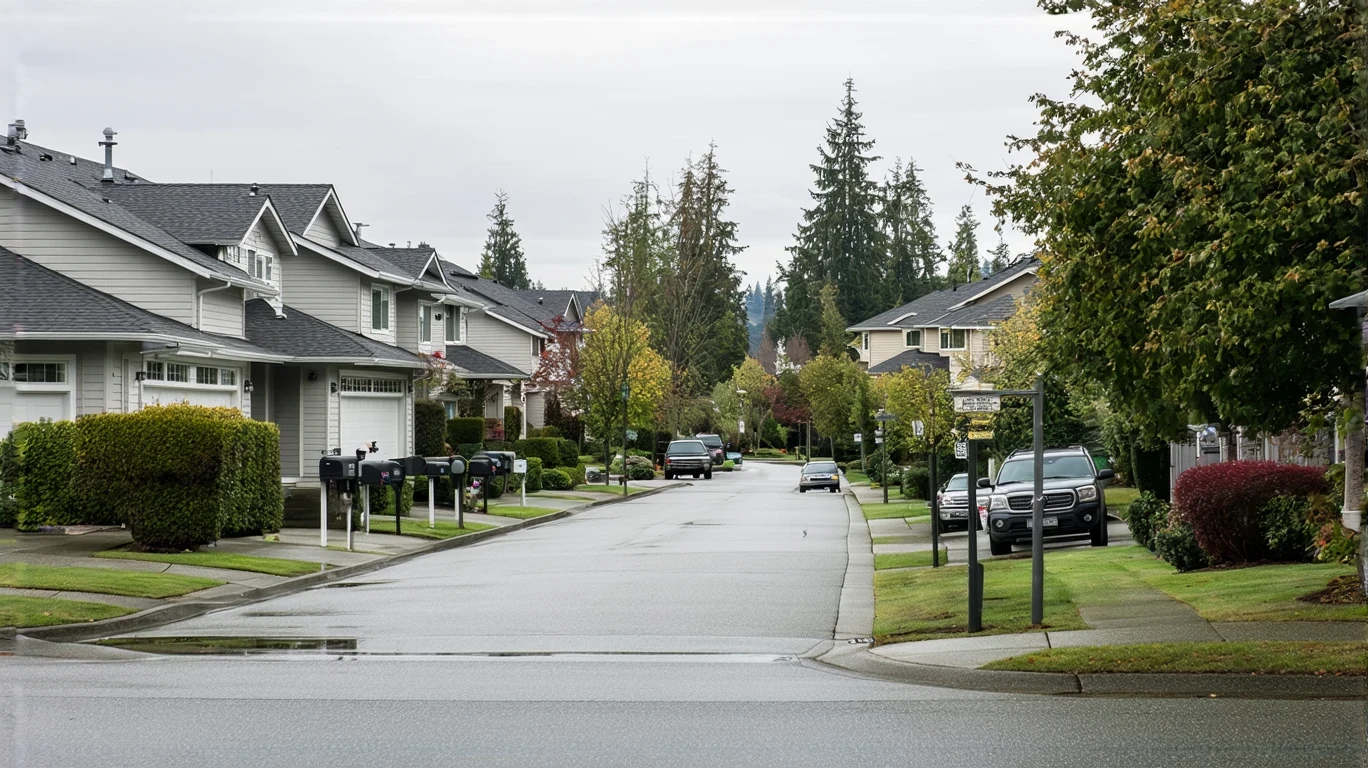
Redmond median home value: $1,026,400 | Kent median home value: $478,400
Redmond median rent: $2,299/month | Kent median rent: $1,742/month
Redmond median household income: $155,287/year | Kent median household income: $86,966/year
Redmond gas price: $5.45/gal | Kent gas price: $5.26/gal
Kent average commute: 30 minutes | Kent long commute share: 48.3%
Redmond and Kent sit within the same Seattle metro area, but the cost experience in each city reflects fundamentally different tradeoffs. Redmond anchors the Eastside tech corridor, where proximity to major employers commands a steep premium in both rent and home prices. Kent stretches south along the Green River Valley, offering more accessible housing entry points in exchange for longer commutes and greater car dependence. The decision between these two cities in 2026 isn’t about which costs less overall—it’s about which cost structure aligns with how a household earns, spends, and moves through daily life.
Both cities share certain infrastructure advantages: rail transit access, walkable pockets in parts of town, and broadly accessible grocery and errand options. But the housing gap creates cascading differences in how income gets allocated, how much flexibility remains after fixed costs, and whether time or money becomes the binding constraint. For households weighing Redmond against Kent, the question isn’t whether one is affordable and the other isn’t—it’s whether front-loaded housing costs or ongoing commute friction and time costs dominate the household’s financial and logistical reality.
This comparison explains where cost pressure concentrates differently in Redmond and Kent, how the same income feels different depending on which city you choose, and which households find better structural fit in each place. It does not calculate total cost of living or declare a winner. Instead, it clarifies the mechanisms that make each city work—or not work—for specific household types navigating the Seattle metro in 2026.
Housing Costs in Redmond vs Kent
Housing dominates the cost structure in both cities, but the entry barrier and ongoing obligation differ sharply. Redmond’s median home value of $1,026,400 reflects its position in the Eastside tech economy, where proximity to employment clusters and established neighborhoods drives prices well above regional norms. Kent’s median home value of $478,400 offers a lower threshold for ownership, though it still represents a significant commitment in the broader Seattle metro context. For renters, the gap narrows but remains substantial: Redmond’s median gross rent of $2,299 per month compared to Kent’s $1,742 per month creates a difference of over $6,600 annually in base housing pressure.
The housing stock in each city reflects different development patterns and household priorities. Redmond’s walkable pockets and mixed-use areas support both apartment living and single-family homes within closer proximity to transit and employment. Kent’s more car-oriented layout favors single-family homes with larger lots, where space comes at the cost of commute time rather than purchase price. For first-time buyers, the difference in down payment requirements alone can determine whether ownership is feasible: a conventional 20% down payment in Redmond exceeds $205,000, while the same percentage in Kent requires roughly $95,000. This front-loaded cost gap shapes not just who can buy, but when and with what remaining financial flexibility.
Renters face a similar structural divide. Redmond’s rental market caters heavily to tech workers and dual-income professionals, with newer apartment complexes offering amenities that justify higher base rents but also introduce less flexibility for households sensitive to lease renewals or income volatility. Kent’s rental stock includes more older single-family homes and smaller apartment buildings, where rents remain lower but maintenance quality and landlord responsiveness vary more widely. For families prioritizing space—especially those with school-age children—Kent’s housing market offers more bedrooms and yard access per dollar spent, while Redmond’s market rewards proximity and walkability over square footage.
| Housing Type | Redmond | Kent |
|---|---|---|
| Median Home Value | $1,026,400 | $478,400 |
| Median Gross Rent | $2,299/month | $1,742/month |
The housing takeaway is conditional on household type and income stability. For dual-income professionals with high earnings and stable employment, Redmond’s housing premium buys time savings, transit access, and proximity to job centers that can offset the higher monthly obligation. For single-income households, families prioritizing space, or buyers stretching to enter the market, Kent’s lower entry costs and larger homes provide more breathing room in the monthly budget, even if commute time and transportation costs rise as a result. The difference isn’t about which city is more affordable in absolute terms—it’s about whether the household is more exposed to housing entry barriers or ongoing commute and transportation friction.
Utilities and Energy Costs
Utility costs in Redmond and Kent reflect similar climate exposure but different housing stock and infrastructure patterns. Redmond’s electricity rate of 14.11¢ per kWh sits slightly above Kent’s 13.33¢ per kWh, while natural gas prices follow a similar pattern: $17.38 per MCF in Redmond compared to $15.51 per MCF in Kent. These differences are modest in isolation, but they compound over time depending on home size, age, and heating system efficiency. Both cities experience the Pacific Northwest’s mild, wet winters and warm, dry summers, where heating dominates winter bills and cooling remains optional but increasingly common as summer temperatures rise.
The housing stock in each city shapes how these rates translate into monthly exposure. Redmond’s mixed building height profile and newer construction in walkable pockets often means better insulation, more efficient HVAC systems, and lower baseline usage per square foot. Kent’s older single-family homes—especially those built before modern energy codes—tend to experience higher heating costs in winter and more variable cooling costs in summer, particularly in larger homes where temperature control across multiple floors becomes less predictable. For renters in older buildings, utility bills can swing more dramatically between seasons, introducing volatility that newer apartment complexes in Redmond are better designed to avoid.
Household size and home type determine where utility exposure concentrates. Single adults or couples in smaller apartments face lower absolute bills but less control over efficiency upgrades, relying instead on landlord decisions about insulation, windows, and appliance quality. Families in larger single-family homes—more common in Kent—experience higher baseline usage and greater seasonal swings, but also gain more control over efficiency improvements like programmable thermostats, weatherization, and appliance replacement. In both cities, older homes introduce more exposure to heating costs during extended cold snaps, while newer construction offers more predictable monthly obligations regardless of weather.
The utility takeaway is less about which city costs more and more about which households experience volatility versus predictability. Renters in Redmond’s newer apartment stock benefit from lower seasonal swings and more stable monthly bills, even if base rates run slightly higher. Homeowners in Kent’s older single-family stock face more variable costs but also gain more leverage to reduce usage through upgrades and behavioral changes. For households sensitive to budget predictability—especially those with fixed incomes or tight monthly margins—Redmond’s newer housing stock and smaller average unit size reduce exposure to seasonal spikes. For households willing to manage efficiency actively and prioritize space over predictability, Kent’s larger homes offer more control at the cost of higher baseline usage and greater seasonal variation.
Groceries and Daily Expenses
Grocery and daily spending pressure in Redmond and Kent reflects different regional price adjustments and access patterns, even though both cities benefit from broadly accessible food and grocery options. Redmond’s regional price parity index of 151 indicates costs run higher than the national baseline, while Kent’s index of 113 suggests more moderate pricing relative to the broader economy. These differences show up most clearly in grocery staples: Redmond’s derived estimates place ground beef at $10.12 per pound and milk at $6.14 per half-gallon, compared to Kent’s $7.62 per pound for ground beef and $4.55 per half-gallon for milk. (Derived estimate based on national baseline adjusted by regional price parity; not an observed local price.)
The structural difference isn’t just about shelf prices—it’s about how access, convenience, and shopping habits interact with household size and income. Both cities show high food and grocery establishment density, meaning residents in either location can reach multiple grocery options without long drives. But Redmond’s walkable pockets and mixed-use areas support more frequent, smaller shopping trips on foot or by transit, which can reduce reliance on bulk buying and large grocery hauls. Kent’s more car-oriented layout favors larger, less frequent trips to big-box stores, where per-unit prices may run lower but transportation costs and time investment rise. For single adults or couples, Redmond’s convenience-oriented access reduces friction in daily errands. For families managing larger volumes and meal planning over longer intervals, Kent’s big-box access and lower per-unit pricing offer more flexibility to buy in bulk and stretch grocery budgets.
Dining out and convenience spending introduce another layer of differentiation. Redmond’s proximity to tech employment clusters and higher median household income supports a denser concentration of restaurants, coffee shops, and prepared food options, where convenience comes at a premium. Kent’s restaurant landscape includes more chain options and family-oriented dining, where prices remain lower but variety and walkability decrease. For households prone to convenience spending—grabbing coffee on the way to work, picking up takeout after long days—Redmond’s density makes it easier to spend more without noticing. For households disciplined about cooking at home and planning meals in advance, Kent’s lower grocery baseline and reduced temptation from walkable dining options can help keep daily spending in check.
The grocery and daily expense takeaway is conditional on household composition and spending discipline. Single adults and dual-income couples in Redmond face higher grocery prices but benefit from walkable access and reduced need for car-dependent shopping trips, which can offset some of the price premium if transit or walking replaces driving. Families in Kent experience lower per-unit grocery costs and better access to bulk pricing, but must absorb the time and transportation costs of larger, less frequent shopping trips. For households sensitive to convenience creep—where small, frequent purchases add up—Kent’s lower density and car-oriented layout impose more friction, which can paradoxically help control spending. For households already managing tight grocery budgets, Redmond’s higher baseline prices create more pressure, even if access and convenience improve.
Taxes and Fees
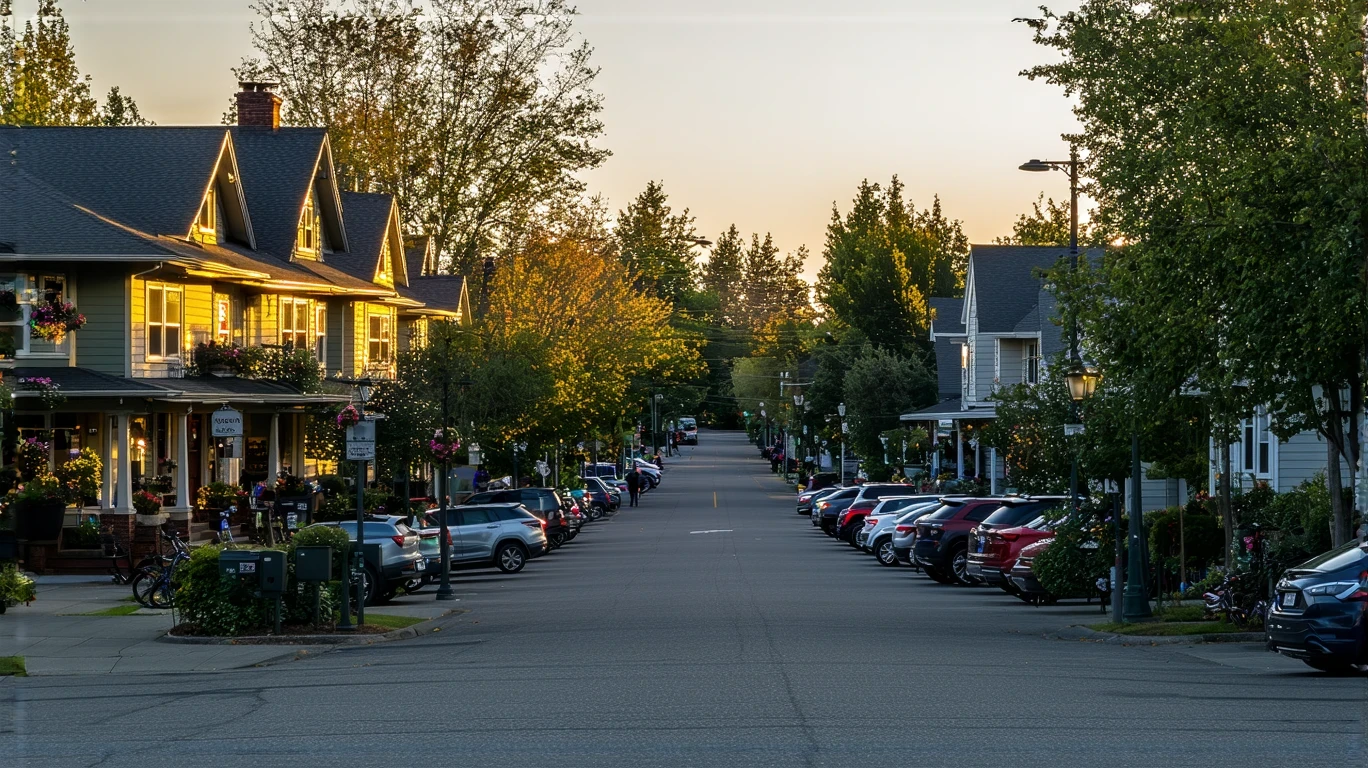
Washington State imposes no personal income tax, so the tax burden in both Redmond and Kent comes primarily from sales taxes, property taxes, and local fees. Both cities share the same statewide sales tax foundation, but local rates and fee structures introduce differences in how tax pressure shows up for different household types. Property taxes in particular create divergent obligations depending on home value and length of ownership, where Redmond’s higher assessed values translate into higher annual tax bills even if millage rates remain comparable.
For homeowners, property taxes represent a recurring obligation that scales with home value and adjusts over time as assessments rise. Redmond’s median home value of $1,026,400 means property tax bills run significantly higher in absolute terms than Kent’s median home value of $478,400, even if the effective rate structure remains similar. This difference compounds for long-term residents who purchased years ago and now face reassessments reflecting current market values, where Redmond’s rapid appreciation creates steeper jumps in annual obligations. Kent’s more moderate appreciation pace means property tax increases remain more predictable, though still subject to countywide levy adjustments and voter-approved measures.
Renters experience property taxes indirectly, as landlords pass through costs via base rent or annual increases. In Redmond, where rental demand remains high and landlord leverage strong, property tax increases often translate quickly into lease renewals with higher rents. In Kent, where rental markets remain more competitive and tenant turnover higher, landlords face more friction in passing through tax increases, though long-term renters still absorb gradual adjustments over time. For renters planning to stay several years, Redmond’s tighter rental market and higher baseline rents mean less insulation from property tax trends, while Kent’s softer market offers slightly more negotiating room during renewals.
Local fees—trash collection, water, sewer, and stormwater—vary by provider and service area, with some costs bundled into utility bills and others billed separately. Homeowners in both cities face these fees directly, while renters may see them included in rent or billed as separate line items depending on lease terms. HOA fees introduce another layer of variability, particularly in Redmond’s newer mixed-use developments where monthly dues can cover landscaping, shared amenities, and exterior maintenance. Kent’s older single-family neighborhoods less commonly include HOAs, reducing recurring fees but shifting maintenance responsibility entirely to the homeowner.
The tax and fee takeaway is less about total burden and more about predictability and control. Homeowners in Redmond face higher absolute property tax bills and more frequent exposure to HOA fees, but benefit from bundled services and less direct maintenance responsibility in newer developments. Homeowners in Kent experience lower property tax obligations and fewer HOA fees, but absorb more variable costs for upkeep, repairs, and service contracts. Renters in Redmond face less transparency into how property taxes and fees affect their monthly rent, but benefit from landlords who often bundle utilities and services into lease terms. Renters in Kent gain more visibility into fee structures but face more variability in what’s included and what gets billed separately, requiring closer attention to lease terms and renewal negotiations.
Transportation & Commute Reality
Transportation costs and commute patterns create one of the sharpest structural differences between Redmond and Kent, even though both cities benefit from rail transit access. Redmond’s position in the Eastside tech corridor means many residents work nearby, reducing commute distance and time for those employed in the immediate area. Kent’s location farther south in the metro means longer average commutes for workers heading to Seattle, Bellevue, or other Eastside employment centers: the average commute in Kent runs 30 minutes, with 48.3% of workers experiencing long commutes. This time cost compounds over weeks and months, where an extra 20–30 minutes each way translates into 160–240 hours annually spent in transit.
Gas prices in both cities remain high by national standards—$5.45 per gallon in Redmond and $5.26 per gallon in Kent—but the real cost difference comes from how much driving each city requires. Redmond’s walkable pockets, high pedestrian-to-road ratio, and notable bike infrastructure mean households can reduce car dependence for errands, school runs, and short trips, even if a car remains necessary for longer journeys. Kent’s walkable pockets exist but with medium confidence, and bike infrastructure remains more limited, concentrated in specific areas rather than distributed citywide. For households relying on a car for most trips, Kent’s lower housing costs get partially offset by higher fuel consumption, more frequent oil changes, and accelerated vehicle depreciation from higher annual mileage.
Transit access in both cities includes rail service, but proximity and frequency determine how useful it becomes for daily commuting. Redmond’s transit-oriented development patterns place more residents within walking distance of stations, making rail a viable option for commuting to Seattle or Bellevue without driving. Kent’s rail access exists but serves fewer neighborhoods directly, meaning many residents still drive to park-and-ride lots or rely on bus connections to reach stations. For households where one or both adults commute daily, this difference in first-mile and last-mile access determines whether transit replaces a second car or remains a backup option used occasionally.
The transportation takeaway is conditional on employment location and household composition. For workers employed in Redmond, Bellevue, or other Eastside tech hubs, living in Redmond reduces commute time, fuel costs, and vehicle wear, even if housing costs run higher. For workers commuting to Seattle or other parts of the metro, Kent’s lower housing costs come with longer commute times and higher transportation exposure, where time and fuel costs erode some of the housing savings. For single-car households or those trying to avoid a second vehicle, Redmond’s walkability and transit access reduce car dependence more effectively. For households comfortable with longer commutes and car-oriented logistics, Kent’s layout and lower housing entry costs offer more space and flexibility, even if transportation costs and time investment rise as a result.
Cost Structure Comparison
Housing pressure dominates the cost experience in both cities, but the nature of that pressure differs fundamentally. In Redmond, the challenge is entry: high home values and rents create steep front-loaded costs that determine whether a household can access the city at all. In Kent, housing remains the largest line item, but the entry barrier sits lower, shifting the binding constraint toward ongoing obligations like commute time, transportation costs, and the logistics of car-dependent daily life. For households evaluating these two cities, the question isn’t which costs more overall—it’s which cost structure aligns with how the household earns, spends, and moves through the week.
Utilities introduce more volatility in Kent’s older single-family housing stock, where larger homes and less efficient construction create seasonal swings in heating and cooling bills. Redmond’s newer apartment stock and smaller average unit size reduce exposure to weather-driven spikes, offering more predictable monthly obligations even if base rates run slightly higher. For households prioritizing budget stability—especially those with fixed incomes or tight monthly margins—Redmond’s utility predictability reduces financial friction. For households willing to manage efficiency actively and comfortable with seasonal variation, Kent’s larger homes offer more control over usage at the cost of less predictable bills.
Groceries and daily expenses reflect Redmond’s higher regional price adjustment, where staples cost more but walkable access reduces the need for car-dependent shopping trips. Kent’s lower grocery baseline and big-box access favor households that plan ahead, buy in bulk, and minimize convenience spending. For single adults and couples prone to frequent, smaller purchases, Redmond’s density makes it easier to spend more without noticing. For families managing larger volumes and disciplined meal planning, Kent’s lower per-unit costs and reduced walkable temptation help stretch grocery budgets further.
Transportation patterns matter more in Kent, where longer average commutes and greater car dependence introduce time costs and fuel exposure that Redmond’s proximity and transit access help avoid. For workers employed on the Eastside, Redmond’s location reduces commute friction and supports car-light or car-free living in walkable pockets. For workers commuting to Seattle or other parts of the metro, Kent’s lower housing costs come with longer drives, higher fuel consumption, and more time spent in transit—costs that don’t show up in rent or mortgage payments but shape daily life and financial flexibility just as much.
The decision between Redmond and Kent depends on which costs dominate the household’s financial and logistical reality. Households sensitive to housing entry barriers may find Kent’s lower home values and rents create the only viable path to ownership or sufficient space. Households sensitive to commute friction and time costs may find Redmond’s proximity and transit access worth the housing premium, especially if both adults work on the Eastside. Households sensitive to budget predictability may prefer Redmond’s newer housing stock and stable utility exposure. Households comfortable with longer commutes and active cost management may prefer Kent’s lower baseline costs and greater space per dollar, even if transportation and time investment rise as a result.
How the Same Income Feels in Redmond vs Kent
Single Adult
For a single adult, housing becomes the first non-negotiable cost, and the difference between Redmond’s median rent of $2,299 and Kent’s $1,742 determines how much flexibility remains for everything else. In Redmond, the higher rent buys proximity to employment and walkable errands, reducing car dependence and commute time. In Kent, the lower rent creates more breathing room in the monthly budget, but longer commutes and greater car reliance introduce time costs and fuel exposure that erode some of that flexibility. Flexibility exists in Redmond through reduced transportation needs; flexibility exists in Kent through lower baseline housing obligations.
Dual-Income Couple
For a dual-income couple, the decision hinges on where both adults work and whether proximity or space matters more. If both work on the Eastside, Redmond’s housing premium gets offset by reduced commute time, lower transportation costs, and the option to live car-light in walkable pockets. If one or both commute to Seattle or other parts of the metro, Kent’s lower housing costs and larger homes offer more space and financial cushion, even if commute friction and fuel costs rise. Non-negotiable costs in Redmond concentrate in housing; non-negotiable costs in Kent distribute across housing, transportation, and time spent commuting.
Family with Kids
For families, space and school access become non-negotiable, and Kent’s lower home values and larger single-family stock offer more bedrooms and yard access per dollar spent. Redmond’s strong family infrastructure—higher school and playground density—supports walkable access to parks and schools, reducing the need for constant driving. Kent’s present family infrastructure requires more car-dependent logistics for school runs, activities, and errands. Flexibility in Redmond comes from proximity and walkability; flexibility in Kent comes from lower housing entry costs and more space to absorb the needs of a growing household. The role of commute friction becomes more acute for families, where time spent driving cuts into evenings, weekends, and the ability to manage household logistics without constant scheduling pressure.
Decision Matrix: Which City Fits Which Household?
| Decision factor | If you’re sensitive to this… | Redmond tends to fit when… | Kent tends to fit when… |
|---|---|---|---|
| Housing entry + space needs | You need to minimize down payment or maximize bedrooms per dollar | You prioritize proximity over square footage and can manage higher monthly obligations | You need lower entry costs and more space even if commute time increases |
| Transportation dependence + commute friction | You want to minimize time spent commuting or reduce car dependence | You work on the Eastside and value walkable errands and transit access | You can absorb longer commutes in exchange for lower housing costs and more space |
| Utility variability + home size exposure | You prefer predictable monthly bills over seasonal swings | You live in smaller, newer housing stock with stable utility costs | You can manage efficiency actively and accept seasonal variation in larger homes |
| Grocery strategy + convenience spending creep | You want to minimize per-unit grocery costs and avoid walkable temptation | You value walkable access even if baseline prices run higher | You plan ahead, buy in bulk, and minimize convenience purchases |
| Fees + friction costs (HOA, services, upkeep) | You want to avoid recurring HOA fees and bundled service costs | You prefer bundled services and reduced direct maintenance responsibility | You want lower recurring fees and more control over maintenance decisions |
| Time budget (schedule flexibility, errands, logistics) | You need to minimize time spent on errands and household logistics | You benefit from walkable errands, transit access, and reduced driving | You can absorb car-dependent logistics and longer trips in exchange for lower housing costs |
Lifestyle Fit
Redmond and Kent offer distinct lifestyle textures shaped by employment proximity, infrastructure density, and how daily life unfolds beyond work hours. Redmond’s position in the Eastside tech corridor places residents close to major employers, extensive trail networks, and a concentration of parks and water features that support outdoor recreation without long drives. The city’s walkable pockets and mixed-use areas mean errands, coffee runs, and casual dining happen on foot or by bike in certain neighborhoods, reducing the need for constant car trips. Kent’s location farther south offers more space and larger homes, but daily life requires more driving: school runs, grocery trips, and weekend activities typically involve a car, even with rail transit access available for commuting.
Both cities benefit from integrated green space access, with high park density and water features present in each. Redmond’s trail systems connect neighborhoods to Lake Sammamish and the Sammamish River Trail, supporting walking, running, and cycling as regular parts of weekly routines. Kent’s Green River Trail and nearby parks offer similar outdoor access, though reaching trailheads often requires a short drive rather than a walk from home. For families, Redmond’s strong family infrastructure—medium-density schools and playgrounds distributed throughout the city—supports walkable access to parks and play spaces. Kent’s present family infrastructure means schools and playgrounds exist but with less density, requiring more intentional trips rather than spontaneous afternoon visits.
Healthcare access differs meaningfully between the two cities. Redmond’s hospital presence means emergency care, specialist visits, and routine medical needs can be managed locally without driving to neighboring cities. Kent’s routine local healthcare—clinics and pharmacies present but no hospital—requires residents to travel to nearby Auburn, Renton, or Seattle for hospital-level care. For families with young children, older adults, or anyone managing chronic conditions, this difference in healthcare proximity shapes not just convenience but also peace of mind and logistical complexity during medical emergencies.
Redmond median household income: $155,287 | Kent median household income: $86,966
Kent work-from-home percentage: 12.0%
The lifestyle differences between Redmond and Kent indirectly affect costs in ways that don’t show up in rent or grocery bills. Redmond’s walkability and transit access reduce the need for a second car, lowering insurance, maintenance, and fuel costs for households that can manage with one vehicle or none. Kent’s car-oriented layout makes a second car nearly essential for dual-income families, adding recurring costs that offset some of the housing savings. Redmond’s newer housing stock and hospital access reduce the friction and unpredictability of managing household logistics, while Kent’s larger homes and lower entry costs offer more space and financial cushion at the expense of more driving and more active cost management.
Frequently Asked Questions
Is Redmond or Kent more affordable for renters in 2026?
Kent offers lower baseline rent—$1,742 per month compared to Redmond’s $2,299—but affordability depends on where you work and how much you drive. Renters in Kent face longer commutes and higher transportation costs if employed on the Eastside, which can erode the rent savings. Renters in Redmond pay more upfront but benefit from proximity to employment, walkable errands, and reduced car dependence, which lowers transportation exposure and time costs.
How do housing costs in Redmond compare to Kent for first-time buyers in 2026?
Redmond’s median home value of $1,026,400 creates a steep entry barrier, requiring over $205,000 for a conventional 20% down payment. Kent’s median home value of $478,400 lowers that threshold to roughly $95,000, making ownership more accessible for buyers with limited savings. The difference isn’t just about monthly payments—it’s about whether a household can enter the market at all and how much financial flexibility remains after closing.
Which city has lower grocery costs, Redmond or Kent, in 2026?
Kent’s regional price adjustment runs lower, placing ground beef at $7.62 per pound and milk at $4.55 per half-gallon, compared to Redmond’s $10.12 per pound for