
Mara opened her first full utility bill in Plymouth and stared at the total, confused. She’d budgeted for rent, groceries, and gas — but the combined charges for electricity, water, trash, and natural gas added up to more than she’d expected, and it was only April. She wondered: was this normal? Would it get worse in summer? And what was she actually paying for?
Understanding Utilities in Plymouth
Utilities cost in Plymouth reflects the reality of living in a mid-size Minnesota suburb with a long heating season, moderate summers, and a mix of single-family homes and apartment complexes. For most households, utilities represent the second-largest monthly expense after housing, and understanding how they’re structured — and what drives variability — is essential for accurate budgeting and financial planning.
Utility bills in Plymouth typically include electricity, water, natural gas, trash, and recycling. Some households also pay for sewer service separately, while others have trash and recycling bundled with water or included in HOA fees. The exact mix depends on whether you’re renting an apartment (where some utilities may be included) or owning a single-family home (where you’re responsible for all services directly). Unlike rent or a mortgage, utility costs fluctuate month to month based on usage, weather, and household behavior — making them harder to predict but also more controllable.
For people moving to Plymouth, one of the biggest surprises is the seasonal swing. Winter heating costs can dominate the budget from November through March, while summer cooling adds a secondary peak in July and August. Apartments tend to have lower baseline usage and sometimes include heat or water in the rent, but single-family homeowners face the full exposure to Minnesota’s climate extremes. Understanding this structure helps households plan for volatility rather than react to it.
Utilities at a Glance in Plymouth
The table below shows how core utility costs typically behave for a mid-size household in a single-family home in Plymouth. Where city-level prices are available in the data feed, they are shown directly. When exact figures are not provided, categories are described qualitatively to reflect how costs are structured and what drives variability.
| Utility | Cost Structure |
|---|---|
| Electricity | 14.98¢/kWh; usage-sensitive, seasonal exposure |
| Water | Tiered pricing; usage-dependent |
| Natural Gas | $11.17/MCF; winter-driven, heating-dependent |
| Trash & Recycling | Bundled with water or HOA in many neighborhoods |
| Total | Seasonal variability driven by electricity and heating |
This table reflects utility cost structure for a mid-size household in a single-family home in Plymouth during 2026. Where exact figures are not provided in the IndexYard data feed, categories are described directionally to reflect how costs behave rather than a receipt-accurate total.
Electricity is billed per kilowatt-hour in Plymouth, and most households see the highest usage during summer cooling months and the lowest in spring and fall. The rate itself — 14.98¢/kWh — is moderate, but total bills depend heavily on home size, insulation quality, and thermostat habits. For illustrative context, a household using 1,000 kWh per month would see a bill around $150 before fees and taxes, though actual usage varies widely. Electricity is typically the most exposure-sensitive utility in Plymouth, driven more by climate and home efficiency than by base rates.
Water costs in Plymouth are structured on tiered pricing, meaning the more you use, the higher the per-unit rate climbs. This makes water bills relatively predictable for small households but more volatile for families with irrigation, pools, or high indoor usage. Because no specific rate is provided in the data feed, it’s best understood as usage-dependent and moderate compared to other metro areas, with most single-family homes seeing monthly charges that reflect both consumption and infrastructure fees.
Natural gas dominates winter utility costs in Plymouth. Priced at $11.17 per thousand cubic feet (MCF), gas is used primarily for heating, and usage spikes from November through March as temperatures drop well below freezing. Homes with gas furnaces, water heaters, and dryers will see the highest bills during the coldest months, while electric-heat households shift that exposure to the electric bill instead. Natural gas is the primary driver of seasonal cost swings in Plymouth.
Trash and recycling services in Plymouth are often bundled with water bills or included in HOA fees, depending on the neighborhood. Standalone trash service exists but is less common for single-family homes in managed developments. Because no specific fee is provided in the data feed, it’s best understood as a minor, stable line item — typically ranging from negligible (if included) to modest (if billed separately).
How Weather Impacts Utilities in Plymouth
Plymouth sits in the northern Midwest, where winters are long, cold, and snowy, and summers are warm but not extreme. This creates a dual-season cost structure: heating dominates from late fall through early spring, and cooling adds a secondary but meaningful peak in July and August. Many Plymouth households experience noticeably higher electric bills during peak summer compared to spring, but the winter heating season is typically the longer and more expensive exposure.
In winter, natural gas usage climbs as furnaces run continuously to maintain indoor comfort during stretches of below-zero temperatures. Homes with poor insulation, older windows, or high ceilings face the highest heating costs, and even well-insulated homes see meaningful increases compared to mild months. Electric heating systems shift this cost to the electric bill, often resulting in even higher winter totals due to the relative inefficiency of resistance heating compared to gas furnaces.
Summer cooling costs are driven by humidity as much as temperature. Plymouth’s moderate summer heat — typically in the 80s, occasionally reaching the low 90s — doesn’t require the same intensity as southern climates, but the combination of warm days and humid air means air conditioners run steadily from June through August. Homes with central AC, poor attic ventilation, or south-facing windows see the highest summer electric bills. One regional quirk: Plymouth’s proximity to lakes and green space can create microclimates with slightly cooler evening temperatures, offering natural relief that reduces overnight AC usage compared to more urbanized areas.
How to Save on Utilities in Plymouth
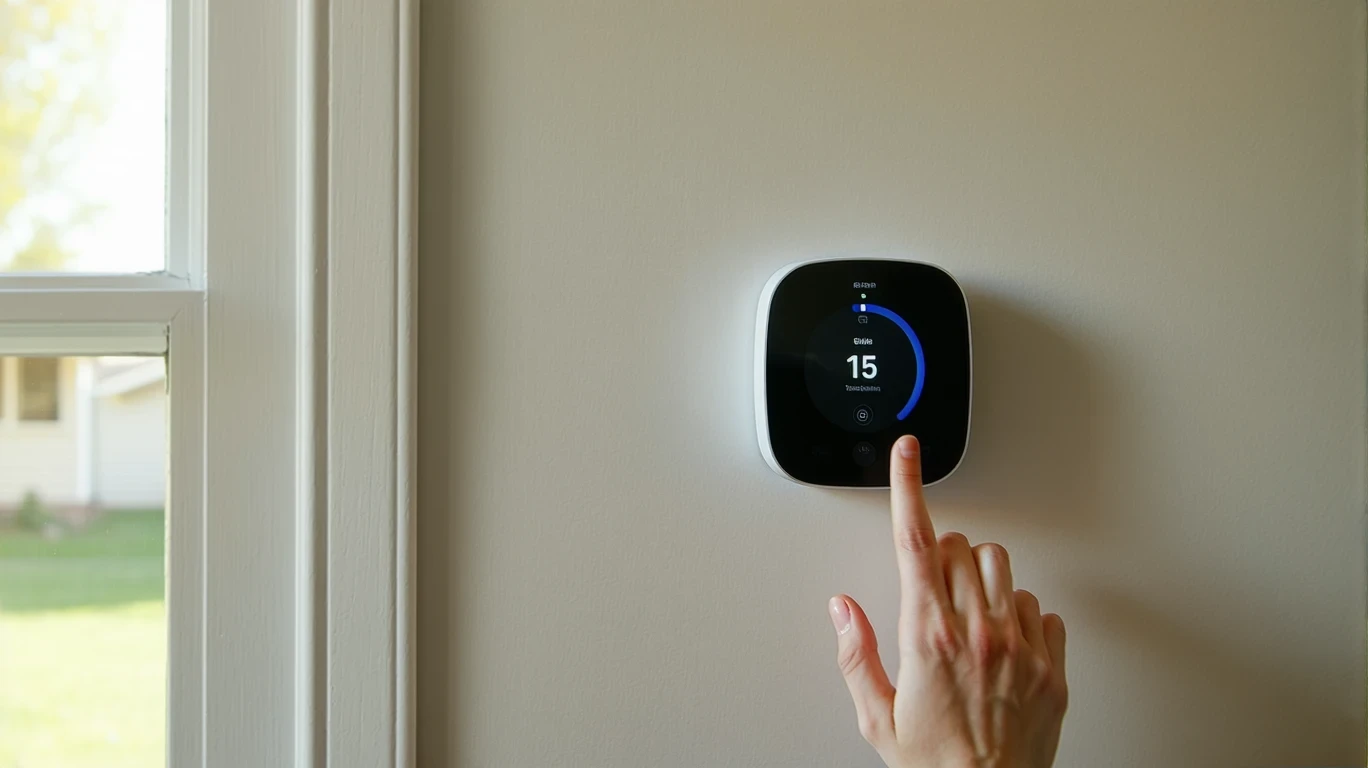
Reducing utility costs in Plymouth starts with understanding what drives your usage and then targeting the biggest levers. Heating and cooling are the dominant cost drivers, so improving insulation, sealing air leaks, and upgrading to a programmable or smart thermostat can lower exposure without sacrificing comfort. Many households also benefit from scheduling annual furnace and AC maintenance to ensure systems run efficiently, especially before the start of heating and cooling seasons.
Water costs respond well to behavioral changes: shorter showers, efficient irrigation schedules, and fixing leaks can prevent tier escalation and keep monthly bills predictable. For electricity, shifting high-usage activities like laundry or dishwashing to off-peak hours (if your provider offers time-of-use rates) can reduce costs, and replacing incandescent bulbs with LEDs lowers baseline consumption year-round.
Common strategies for lowering utility costs in Plymouth include:
- Enrolling in budget billing or equalized payment plans to smooth seasonal swings
- Checking for utility provider rebates on energy-efficient furnaces, AC units, or water heaters
- Installing a smart thermostat to automate heating and cooling schedules
- Adding insulation to attics and basements, especially in older homes
- Planting shade trees on south- and west-facing sides of the home to reduce summer cooling load
- Switching to low-flow showerheads and faucet aerators to reduce water usage
- Exploring solar panel incentives at the state or federal level, if roof orientation and budget allow
🏆 Tip: Check if your provider in Plymouth offers rebates for energy-efficient AC units or heating systems — many utilities provide upfront incentives or financing options that lower the cost of upgrades and reduce long-term exposure to seasonal volatility.
FAQs About Utility Costs in Plymouth
Why are utility bills so high in Plymouth during winter?
Winter heating costs dominate because Plymouth experiences a long, cold heating season from November through March, with frequent below-zero temperatures. Natural gas furnaces run continuously, and even well-insulated homes see meaningful increases compared to mild months.
What is the average monthly electric bill for an apartment in Plymouth compared to a single-family home?
Apartments typically have lower baseline usage due to smaller square footage and shared walls that reduce heating and cooling loss. Single-family homes face higher exposure to seasonal swings, especially if they have poor insulation, high ceilings, or older HVAC systems.
Do HOAs in Plymouth usually include trash or water in their fees?
Many HOAs in Plymouth bundle trash, recycling, and sometimes water into monthly fees, especially in townhome or condo developments. Single-family neighborhoods may have standalone billing, but bundling is common enough that it’s worth confirming during the lease or purchase process.
How does seasonal weather affect monthly utility bills in Plymouth?
Plymouth’s dual-season climate creates two cost peaks: winter heating (November–March) driven by natural gas or electric heat, and summer cooling (June–August) driven by air conditioning. Spring and fall are the lowest-cost months, with minimal heating or cooling needed.
Does Plymouth offer incentives for solar panels or energy-efficient appliances?
State and federal incentives for solar panels and energy-efficient appliances exist, and some local utility providers offer rebates or financing for qualifying upgrades. It’s worth checking with your provider and reviewing state-level programs to see what’s available for Plymouth residents in 2026.
How Utilities Fit Into the Cost Structure in Plymouth
Utilities in Plymouth are a cost driver and a volatility factor, not a fixed line item. Unlike rent or a mortgage, which stay constant month to month, utility bills fluctuate based on weather, household behavior, and seasonal exposure. For single-family homeowners, heating and cooling costs can swing by hundreds of dollars between winter peaks and spring lows, making utilities one of the hardest expenses to predict — but also one of the most controllable through efficiency upgrades and behavioral changes.
Understanding how utilities behave in Plymouth helps households plan for seasonal swings, identify opportunities to reduce exposure, and avoid budget surprises. Electricity and natural gas dominate the cost structure, but water, trash, and recycling add smaller, steadier charges that vary by neighborhood and provider. For a complete picture of where money goes each month in Plymouth — including housing, transportation, groceries, and discretionary spending — the Monthly Budget guide provides the full breakdown and context.
Utilities are not the largest expense in Plymouth, but they are one of the most variable. By understanding what drives your bills, targeting the biggest levers, and planning for seasonal peaks, you can reduce volatility, lower costs, and gain more control over your household budget. Explore related IndexYard resources to see how utilities fit into the broader financial landscape of living in Plymouth.
How this article was built: In addition to public economic data, this article incorporates location-based experiential signals derived from anonymized geographic patterns—such as access density, walkability, and land-use mix—to reflect how day-to-day living actually feels in Plymouth, MN.