
Is Plant City the kind of place you grow roots—or just pass through? That question sits at the heart of what it feels like to live here. Tucked between Tampa and Lakeland, Plant City offers something increasingly rare in Florida: a slower pace, affordable space, and a small-town identity that hasn’t been entirely swallowed by sprawl. But that identity is shifting. Growth is arriving in waves—new subdivisions, young families, commuters drawn by lower housing costs—and with it comes a quiet tension between preserving what made Plant City feel like home and adapting to what it’s becoming.
For some, that tension feels exciting. For others, it feels like loss. Understanding which side of that line you fall on is the key to knowing whether Plant City will feel like a good fit.
The Emotional Landscape of Plant City
Plant City’s vibe is rooted in contrast. It’s a place where agricultural heritage—strawberry festivals, open land, multigenerational families—meets the realities of suburban expansion. The result is a community that feels grounded and unpretentious, but also caught between two futures. People who love it here tend to value predictability, space, and the ability to know their neighbors. People who feel restless often cite limited walkability, sparse nightlife, and a sense that you need to leave town to access the variety they crave.
The city’s layout reflects this. While some pockets offer higher pedestrian-to-road ratios and mixed residential and commercial land use, much of daily life still requires a car. Errands tend to cluster along specific corridors rather than being broadly accessible, and while parks and water features are present, family-oriented infrastructure like schools and playgrounds falls below density thresholds in many areas. For families seeking suburban comfort without Tampa prices, that tradeoff often feels worth it. For those expecting urban texture or walkable convenience, it can feel limiting.
What keeps coming up emotionally is this: Plant City rewards people who are comfortable building routines around driving, who value affordability and space over spontaneity, and who find community in slower, more intentional ways. It frustrates people who want to walk to dinner, who crave late-night options, or who expect a dense network of amenities within a five-minute radius.
What People Are Talking About Online
Social media discussions about Plant City tend to orbit around a few recurring themes: growth, traffic, identity, and the tension between old-timers and newcomers. On platforms like Facebook and Reddit, you’ll find pride mixed with protectiveness. Long-time residents often express affection for the town’s agricultural roots and tight-knit feel, while newer arrivals talk about affordability and proximity to Tampa. But both groups share frustration with infrastructure that hasn’t kept pace—roads that feel crowded during rush hour, limited dining variety, and a sense that the town is caught between being a bedroom community and something more self-contained.
“It’s quiet, and that’s exactly what we wanted. But you do have to plan ahead—everything closes early, and if you need something specific, you’re driving to Brandon or Tampa.”
“The strawberry festival is charming, but I wish there was more to do year-round. It feels like the town shuts down after 8 p.m.”
“We moved here for the schools and the space. It’s not flashy, but it’s stable, and our kids have room to play.”
The tone is rarely angry, but it’s often wistful—people wishing for more local options, more walkability, more of the texture that makes a place feel layered. At the same time, there’s a strong undercurrent of appreciation for what Plant City isn’t: it’s not overbuilt, not overpriced, not impersonal.
How Local Coverage Frames the City
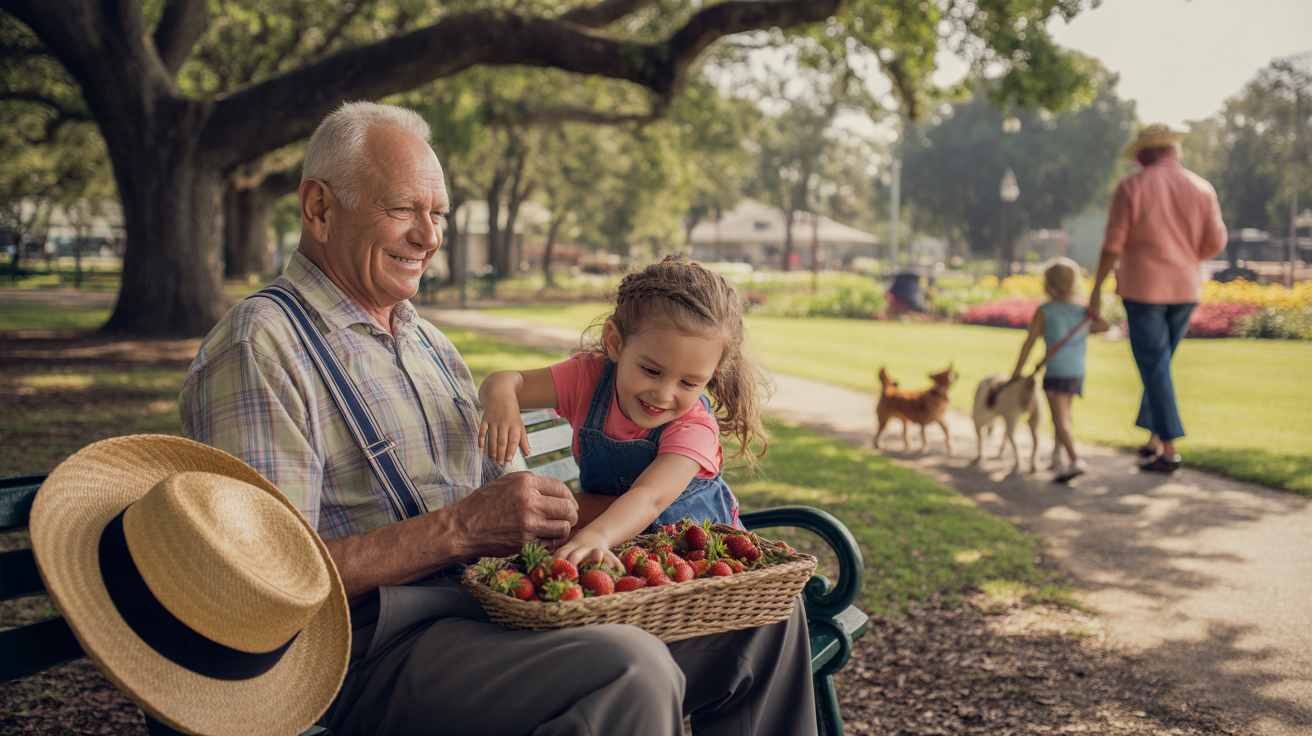
Local news and community coverage tend to frame Plant City through the lens of change and continuity. Headlines and story themes often focus on growth management, new development, and the balancing act between preserving small-town character and accommodating new residents. The tone is rarely alarmist, but it’s often reflective—asking what kind of place Plant City wants to be as it grows.
Common topic buckets include:
- “Community Debates What Growth Should Look Like”
- “New Subdivisions Bring Families, Questions About Infrastructure”
- “Residents Weigh Convenience vs Quiet”
- “Agricultural Heritage Meets Suburban Expansion”
- “Local Businesses Adapt as Demographics Shift”
The framing is rarely celebratory or critical in isolation—it’s more observational, reflecting a community in transition. That ambivalence shows up in public sentiment, too. People aren’t sure whether to embrace change or resist it, and that uncertainty colors how the city feels day to day.
What Reviews and Public Perception Reveal
On platforms like Google, Yelp, and Nextdoor, Plant City’s public perception splits along predictable lines. People who moved here for suburban affordability and family space tend to leave positive reviews, praising the sense of safety, the friendliness of neighbors, and the lower cost of housing tradeoffs compared to Tampa. People who expected more urban amenities—walkable downtowns, diverse dining, late-night options—tend to express mild disappointment.
Newer planned areas often get praised for cleanliness, modern layouts, and family-friendly design, though some residents note they can feel a bit sterile or disconnected from the older parts of town. Older pockets, by contrast, get credit for character and established trees, but sometimes draw complaints about inconsistent upkeep or limited nearby services.
Healthcare access is a bright spot—Plant City has a hospital and pharmacies, which residents appreciate. But the limited density of schools and playgrounds in some areas can be a friction point for families with young children, especially those comparing options across the metro.
The recurring theme in reviews is expectation matching. If you came here wanting a quiet, affordable suburban base near Tampa, you’re likely to feel satisfied. If you came expecting walkable variety or a vibrant social scene, you’re likely to feel like something’s missing.
How Plant City Compares to Nearby Cities
| Dimension | Plant City | Brandon | Lakeland |
|---|---|---|---|
| Overall Vibe | Quiet, small-town, car-dependent | Suburban, busier, more retail density | Mid-sized city feel, more self-contained |
| Walkability | Pockets of pedestrian infrastructure, mostly car-oriented | Limited, heavily car-dependent | More walkable downtown core |
| Dining & Nightlife | Limited, closes early | More chain options, some variety | Broader local dining scene |
| Community Feel | Tight-knit, slower pace | Transient, commuter-heavy | Established, more layered |
| Proximity to Tampa | 20–30 minutes, easy commute | 10–20 minutes, very close | 30–40 minutes, more independent |
Plant City sits in an interesting middle ground. It’s quieter and more affordable than Brandon, but less self-sufficient than Lakeland. If you value small-town intimacy and don’t mind driving for variety, Plant City offers a compelling tradeoff. If you want more dining options and don’t mind paying a bit more, Brandon might feel more convenient. If you prefer a city that feels complete on its own, Lakeland offers more texture—but at the cost of a longer commute to Tampa.
None of these is objectively better. The question is which set of tradeoffs aligns with how you actually live.
What Locals Are Saying
“We moved here from Tampa to get more space for our money. The commute isn’t bad, and our kids have a backyard. It’s not exciting, but it’s stable, and that’s what we needed.”
“I love the slower pace, but I do wish there were more local coffee shops or places to meet up. A lot of socializing happens at home or at chain restaurants.”
“Plant City feels like a place where people actually know each other. That’s rare these days, and I don’t take it for granted.”
“It’s fine if you have a family and a routine. But if you’re single or looking for nightlife, you’re going to feel isolated. Everything fun is in Tampa.”
“The strawberry festival is cute, but it’s also kind of the only thing that happens here. I wish there was more going on year-round.”
“We’re retirees, and this is exactly what we wanted—quiet, affordable, and close enough to Tampa when we need it. No complaints.”
“The growth is noticeable. More traffic, more houses going up. I hope we don’t lose what made this place special.”
Does Plant City Feel Like a Good Fit?
Plant City doesn’t try to be everything to everyone, and that clarity is part of its appeal—and its limitation. It tends to work for families seeking affordable suburban space, retirees who value quiet and predictability, and commuters who want proximity to Tampa without Tampa prices. It rewards people who are comfortable with car dependency, who build community through intention rather than spontaneity, and who find satisfaction in simplicity.
It tends to frustrate young professionals seeking walkable nightlife, households expecting dense urban amenities, and anyone who wants variety and texture within a five-minute radius. The limited density of family infrastructure—schools and playgrounds—can also be a friction point for families with young children, depending on which part of town you’re considering.
The city is growing, and with that growth comes both opportunity and uncertainty. Some residents see new development as a chance for Plant City to gain more services and amenities. Others worry it will erode the small-town feel that drew them here in the first place. That tension isn’t resolved yet, and how you feel about it will shape how you experience living here.
If you’re trying to decide whether Plant City is right for you, the question isn’t whether it’s a “happy” place in the abstract. It’s whether the tradeoffs it offers—affordability and space in exchange for limited walkability and nightlife, small-town intimacy in exchange for fewer spontaneous options—align with what you actually need day to day. For some, that alignment feels like relief. For others, it feels like compromise.
Understanding where money goes and how lifestyle needs play out in practice can help clarify which side of that line you’re on.
How this article was built: In addition to public economic data, this article incorporates location-based experiential signals derived from anonymized geographic patterns—such as access density, walkability, and land-use mix—to reflect how day-to-day living actually feels in Plant City, FL.
The perspectives shown reflect commonly expressed local sentiment and recurring themes in public discussion, rather than individual accounts.