
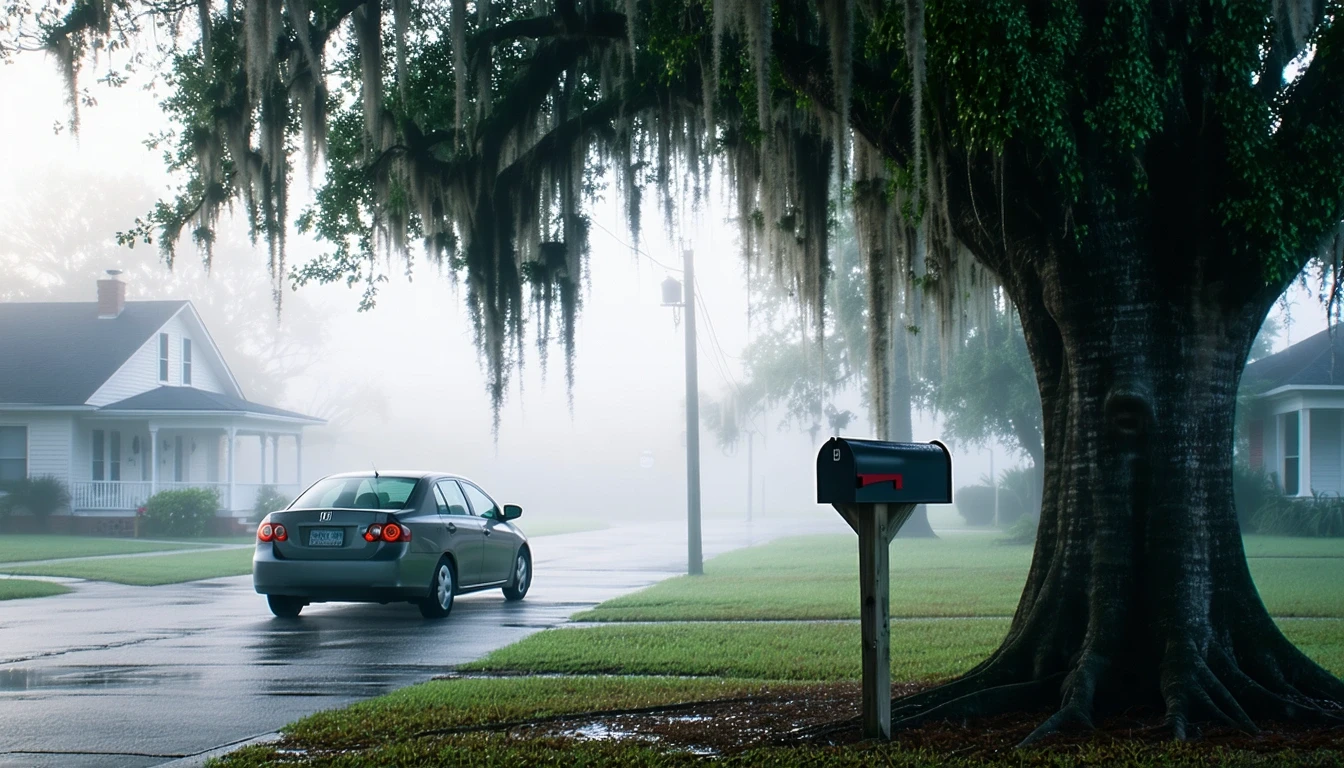
Apartment vs House in Plant City — Cost Behavior Comparison
| Expense Category | Apartment | House |
|---|---|---|
| Base Cost | $1,232/month median rent | Ownership cost varies by financing; median home value $225,700 |
| Utilities | Lower cooling load; shared walls reduce exposure; electricity at 15.92¢/kWh | Higher cooling load in extended Florida season; standalone structure increases AC runtime and square footage exposure |
| Maintenance & Upkeep | Landlord absorbs HVAC, roof, exterior; renter handles interior only | Owner absorbs all: AC maintenance, humidity-driven exterior wear, storm prep, landscaping in warm climate |
| Flexibility | Lease terms allow relocation; no sale process or equity lock-in | Selling requires time, transaction costs, and market exposure; equity builds but liquidity is delayed |
What drove these differences: Plant City’s extended cooling season and humidity create meaningful utility and maintenance distinctions between apartments and houses. Apartments benefit from shared-wall insulation and landlord-managed HVAC replacement, while houses expose owners to full cooling costs, exterior wear, and storm preparation. Flexibility differences reflect Plant City’s moderate home values ($225,700 median) and position as a Tampa metro bedroom community—renters can relocate without sale friction, while owners gain equity but sacrifice liquidity. Categories like parking and amenities were omitted because they don’t vary meaningfully in Plant City’s suburban context.
The Housing Market in Plant City Today
Plant City sits in the Tampa metro area with a median home value of $225,700 and median rent of $1,232 per month. What shapes this market is its role as a bedroom community with mixed urban form—walkable pockets exist, but errands and services cluster along commercial corridors rather than spreading evenly across neighborhoods. The regional price parity index of 126 suggests costs run above the national baseline, yet home values remain moderate relative to that adjustment, creating an accessibility point for buyers willing to navigate Tampa metro commutes and plan around corridor-based shopping.
Newcomers often misunderstand how Plant City’s infrastructure affects daily logistics. The city has bus service and areas with strong pedestrian-to-road ratios, but grocery and food options concentrate in medium-density bands along specific routes. This means where money goes depends partly on how much driving, planning, and time you’re willing to trade for housing affordability. Families face additional friction: school and playground density fall below typical thresholds, so households with children may find themselves driving more for activities and education access despite living in a place with some walkable features.
The housing stock reflects this mixed character—building heights fall in a medium range, and both residential and commercial land use appear throughout the city. That creates variety but also unevenness: some blocks feel suburban and car-dependent, others support foot traffic and errand-running within a smaller radius. For buyers and renters evaluating Plant City, the question isn’t whether it’s walkable or drivable—it’s which parts of your routine will require a car and whether that tradeoff makes sense given the housing cost savings compared to closer Tampa metro options.
Renting in Plant City
At $1,232 per month median gross rent, Plant City offers a moderate entry point for renters tied to the Tampa metro area but seeking lower housing costs than core urban markets. Rental pressure here reflects the city’s commuter role: you’re paying for proximity to Tampa employment centers without the density or transit infrastructure of the metro’s inner ring. Bus service exists, but most renters should expect to own a car—gas runs $4.15 per gallon, and errands cluster along corridors rather than within walking distance of all neighborhoods.
Renters gain flexibility in a market where homeownership locks you into storm exposure, humidity-driven maintenance, and property-level responsibilities. The rental stock includes both apartments with shared-wall efficiency and standalone houses where cooling costs climb during Florida’s extended summer. Landlords typically cover major systems—HVAC replacement, roof work, exterior upkeep—which matters in a climate where air conditioning dominates expenses and humidity accelerates wear. Renters avoid those capital outlays but also miss equity accumulation in a market where home values, while moderate, still represent the primary wealth-building tool for many households.
Location within Plant City determines how much driving and planning your routine requires. Corridor-clustered food and grocery access means some rentals put you within a short drive of daily needs, while others require longer trips or more intentional route-planning. For renters without school-age children, this may feel minor. For families, the limited school and playground density adds another layer of driving and logistics, even in neighborhoods that otherwise support some walkability.
Owning a Home in Plant City
Owning a home in Plant City means taking on the full cost structure of Florida housing: extended cooling seasons, humidity-driven exterior maintenance, storm preparation, and the ongoing expense of keeping air conditioning systems running efficiently. The median home value of $225,700 makes ownership accessible relative to many Tampa metro markets, but that entry point comes with exposure to costs that renters avoid. Property taxes, insurance, and maintenance aren’t optional, and Florida’s climate ensures that roofs, HVAC, and exterior surfaces degrade faster than in drier or cooler regions.
Ownership in Plant City also means navigating the city’s mixed infrastructure. Walkable pockets exist, and some homes sit near commercial corridors where errands concentrate, but many properties require driving for groceries, schools, and services. Families face the sharpest tradeoff: lower home prices than closer Tampa options, but limited school and playground density that increases driving and planning burden. The presence of a hospital and pharmacies supports healthcare access, but day-to-day household logistics—especially for families with children—often require a car and route planning.
The ownership experience differs from renting primarily in control and exposure. Owners can upgrade insulation, replace aging HVAC with more efficient systems, and manage landscaping to reduce water and maintenance costs. But they also absorb the risk of storm damage, the inevitability of humidity-related repairs, and the long-term cost of cooling a standalone structure in a region where summer heat dominates the calendar. Selling requires time and transaction costs, so ownership works best for households planning to stay long enough to offset those frictions and build equity in a market where home values, while moderate, remain the primary vehicle for wealth accumulation.
Utilities & Upkeep Differences
Utility exposure in Plant City is shaped by Florida’s extended cooling season and the structural differences between apartments and houses. Electricity runs 15.92¢ per kilowatt-hour, and in a standalone house, that rate applies to a larger cooling load, longer AC runtime, and no shared-wall insulation to buffer heat gain. Apartments benefit from adjacent units and smaller square footage, which reduces the intensity of summer utility bills. For illustrative context, a typical household using 1,000 kWh per month would face roughly $159 in electricity costs before fees and taxes—but actual usage varies widely depending on home size, insulation, thermostat habits, and how much of the year demands active cooling.
Maintenance differences are driven by Plant City’s humidity and heat. Houses expose owners to exterior wear—roofs degrade faster, paint and siding require more frequent attention, and HVAC systems work harder and need replacement sooner than in milder climates. Landscaping costs rise with water needs and the year-round growing season. Apartment renters avoid most of this; landlords handle HVAC replacement, roof work, and exterior upkeep, shifting the cost and planning burden away from the tenant. For owners, the ability to control upgrades (better insulation, efficient AC units, drought-tolerant landscaping) offers long-term savings potential, but the upfront cost and ongoing responsibility remain.
Storm preparation adds another layer. Houses require gutter maintenance, tree trimming, and sometimes shutter installation or reinforcement. Apartments centralize these tasks under property management. The distinction isn’t just financial—it’s also about time, attention, and whether you want to manage those exposures yourself or pay rent to delegate them. In Plant City’s climate, the intensity of maintenance and utility exposure is noticeable, not minor, and it compounds over time in ways that affect both monthly cash flow and long-term housing costs.
Rent vs Buy: Long-Term Exposure in Plant City
Renting and owning in Plant City create different risk profiles over time, shaped by the city’s moderate home values, Florida’s climate-driven cost structure, and the logistics of living in a bedroom community with corridor-clustered services. Renters face lease renewals and the potential for rent increases, but they avoid property tax exposure, insurance volatility, and the capital costs of replacing HVAC systems or repairing storm damage. Rent offers predictability in the short term and flexibility to relocate without sale friction, which matters in a commuter market where job changes or family needs might pull you closer to Tampa’s core or into a different metro entirely.
Ownership shifts the exposure. Monthly costs may start lower than rent if financing aligns, but owners absorb all variability: property taxes adjust over time, insurance costs respond to storm risk and claims history, and maintenance expenses arrive unpredictably. Florida’s extended cooling season and humidity mean that HVAC replacement, roof work, and exterior upkeep aren’t rare events—they’re recurring costs that compound over years of ownership. Equity builds as the mortgage pays down and home values shift, but liquidity remains locked until sale, and selling in Plant City requires navigating a market where buyers weigh the same commute and infrastructure tradeoffs you did.
The long-term calculus depends on how long you plan to stay and what you value. Ownership rewards households that remain in place long enough to offset transaction costs, build equity, and control their environment—upgrading efficiency, managing landscaping, and avoiding landlord constraints. Renting rewards households that prioritize flexibility, want to avoid maintenance risk, or plan to move within a few years. In Plant City, the decision also hinges on whether you’re willing to navigate the city’s mixed infrastructure: corridor-based errands, limited family amenities, and the need for a car despite some walkable pockets. Ownership locks you into that structure; renting lets you test it or leave when circumstances change.
How this article was built: In addition to public economic data, this article incorporates location-based experiential signals derived from anonymized geographic patterns—such as access density, walkability, and land-use mix—to reflect how day-to-day living actually feels in Plant City, FL.
FAQs About Housing Costs in Plant City
What is the median home value in Plant City, FL?
The median home value in Plant City is $225,700. This reflects the city’s position as a Tampa metro bedroom community with moderate pricing relative to closer urban markets, though buyers take on Florida-specific ownership costs including extended cooling seasons, humidity-driven maintenance, and storm preparation.
How much does it cost to rent in Plant City?
Median gross rent in Plant City is $1,232 per month. Renters gain flexibility and avoid property-level maintenance, but most will need a car to navigate the city’s corridor-clustered errands and limited transit options, with gas at $4.15 per gallon adding to transportation costs.
Are utilities higher in a house or apartment in Plant City?
Houses in Plant City face higher utility costs due to larger cooling loads, standalone structure heat gain, and no shared-wall insulation. Electricity runs 15.92¢ per kilowatt-hour, and Florida’s extended summer means air conditioning dominates expenses. Apartments benefit from smaller square footage and adjacent units that buffer temperature swings.
Is Plant City affordable for families with children?
Plant City offers moderate housing pressure compared to closer Tampa metro options, but families face tradeoffs: school and playground density fall below typical thresholds, requiring more driving for education and activities. The city has a hospital and some walkable pockets, but daily logistics often depend on car access and corridor-based errand planning.
Does owning a home in Plant City make sense long-term?
Ownership in Plant City makes sense for households planning to stay long enough to build equity and offset transaction costs, and who are willing to absorb Florida’s climate-driven maintenance exposure—HVAC replacement, roof work, humidity-related repairs, and storm prep. Renters avoid those risks but miss equity accumulation and pay for flexibility instead.
Making Housing Choices in Plant City
Housing costs in Plant City reflect a tradeoff between Tampa metro access and the realities of a bedroom community with mixed infrastructure. Home values at $225,700 and rent at $1,232 per month offer moderate entry points, but both renters and owners navigate corridor-clustered errands, limited family amenities, and the need for a car despite some walkable neighborhoods. Florida’s extended cooling season and humidity drive utility and maintenance exposure, making the choice between apartments and houses partly a question of who absorbs climate-driven costs and upkeep responsibility.
Renters gain flexibility and avoid capital outlays, but they pay for landlord-managed maintenance and miss equity-building. Owners control their environment and accumulate wealth through home equity, but they take on property taxes, insurance volatility, and the recurring costs of HVAC, roofing, and storm preparation. The decision depends on how long you plan to stay, whether you value liquidity or control, and how much driving and planning you’re willing to accept in exchange for lower housing costs than closer Tampa options.
For families, Plant City’s limited school and playground density adds friction that may outweigh housing savings. For commuters, the city’s position in the Tampa metro and bus service provide some connectivity, but car dependency remains the norm. For first-time buyers, moderate home values create accessibility, but Florida’s climate ensures that ownership comes with ongoing exposure that renters avoid. Understanding how these costs behave—not just what they are today—helps you decide whether Plant City’s housing market fits your household’s priorities, timeline, and tolerance for the logistics that come with living here.