
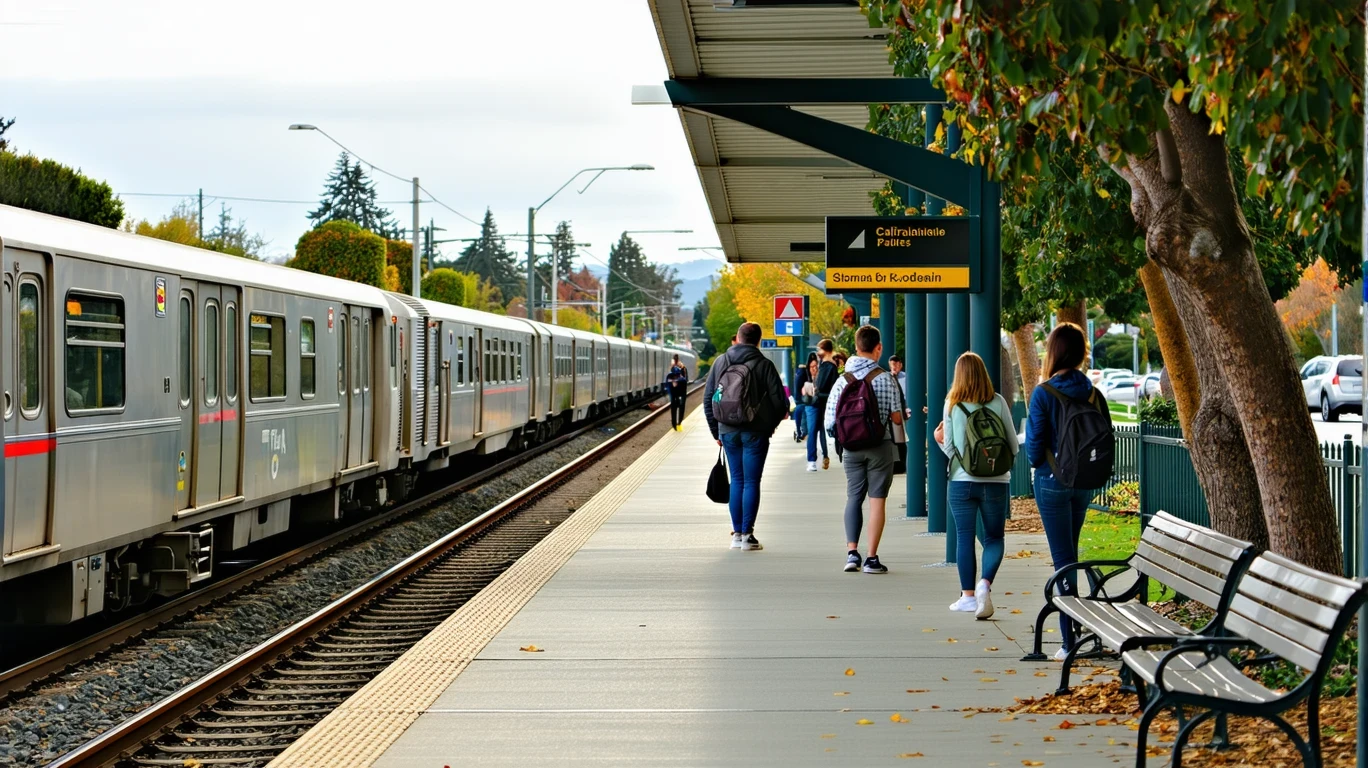
What You’ll Spend on Transit in Palo Alto
It’s a typical weekday morning in Palo Alto. Sarah, a local resident, hops on the VTA 22 bus for her daily commute to downtown. She taps her Clipper card, paying the standard fare of $2.50. As a regular rider, Sarah invests in a monthly pass to keep her public transportation costs in Palo Alto predictable. A 30-day VTA pass runs $90 in 2025, providing unlimited rides on buses and light rail throughout Santa Clara County.
With a cost of living index of 537, overall expenses in Palo Alto trend well above the U.S. average, which often extends to transit and commuting. However, for many residents, the convenience and affordability of public transportation still outweigh the costs of car ownership in this bustling Silicon Valley city.
Navigating Palo Alto by Transit
While Palo Alto itself doesn’t have an extensive intracity transit network, residents can take advantage of several regional providers to get around the Bay Area:
- VTA (Santa Clara Valley Transportation Authority) operates buses and light rail connecting Palo Alto to San Jose and other South Bay communities.
- Caltrain provides commuter rail service between San Francisco and Gilroy, with stops in Palo Alto.
- SamTrans runs buses linking Palo Alto to San Mateo County destinations.
- Dumbarton Express offers transbay bus service to the East Bay via the Dumbarton Bridge.
For longer trips, Palo Altans can connect to BART (Bay Area Rapid Transit) in Millbrae or catch ACE (Altamont Corridor Express) trains in Santa Clara. Within the city, the Palo Alto Shuttle provides free rides between popular destinations like Stanford University and downtown.
Monthly Cost Breakdown
How much you’ll spend on transit in Palo Alto depends on your commuting habits. Let’s compare three common scenarios:
| Rider Profile | Monthly Transit Costs |
|---|---|
| 5-day weekly commuter | $90 (VTA monthly pass) |
| Weekend-only rider | $20-$30 (8-12 one-way trips) |
| Heavy daily rider | $120-$150 (VTA pass + Caltrain or SamTrans) |
| Car commuter (for comparison) | $200-$300 (gas, parking, maintenance) |
Estimates reflect 2025 fares for standard adult riders. Actual costs may vary depending on discounts, pass types, and commuting frequency.
Is Public Transit Worth It in Palo Alto?
For many Palo Altans, using transit can be a smart financial choice, especially with high housing costs in the area. The average bus commute in Palo Alto takes around 30 minutes, while driving often means battling Silicon Valley traffic. Caltrain rides from Palo Alto to San Francisco clock in at about an hour. With gas prices hovering near $4.50/gallon, even occasional transit use can add up to significant savings.
Of course, the value of public transportation depends on your location and lifestyle. Neighborhoods like Downtown North and Evergreen Park offer the most walkable access to transit hubs. In Palo Alto, buses and trains run frequently during weekday rush hours but may be more limited on weekends and off-peak times.
Ways to Save on Transit
Savvy commuters in Palo Alto use these strategies to keep transit costs down:
- Purchase monthly passes for frequent rides (save up to 20% vs. single fares)
- Take advantage of free transfers between VTA buses and light rail
- Check if your employer offers subsidized transit passes or pre-tax commuter benefits
- Use the Palo Alto Shuttle for free rides around town
- Consider biking or walking for short trips to avoid fares entirely
🏆 Pro tip: Combining a VTA monthly pass with strategic biking can help you navigate Palo Alto cheaply and efficiently, with annual transit savings of $1,000 or more compared to driving.
FAQs About Transit in Palo Alto
How much does a single bus or light rail ride cost in Palo Alto?
As of 2025, a one-way VTA fare is $2.50 for adult riders. Clipper card users get free transfers for 2 hours.
What’s the cheapest way to commute by transit in Palo Alto?
For most commuters, a VTA monthly pass ($90) provides the best value. Caltrain and SamTrans also offer monthly passes starting around $100.
How does the cost of public transit in Palo Alto compare to driving?
With gas prices over $4/gallon, taking transit can easily save $100/month or more vs. driving. The real savings depend on your commute distance and frequency.
Is Palo Alto transit reliable for daily commutes?
Major routes like VTA’s 22 and 522 Rapid buses and Caltrain’s commuter rail offer frequent, reliable service during peak hours. Off-peak and weekend schedules may be more limited.
Does Palo Alto have discounted transit fares for seniors, students, or low-income riders?
Yes, VTA and other Bay Area transit agencies offer reduced fares for youth, seniors, people with disabilities, and Medicare cardholders. Low-income riders may qualify for additional discounts.
Getting Around Smarter in Palo Alto
With some planning, taking transit in Palo Alto can be an affordable alternative to driving. Expect to budget around $90-$150/month for passes if you’re a daily commuter, or $30-$50/month for more occasional rides. Biking, walking, or carpooling can also help trim transportation costs.
The real key to saving on transit is tapping into discounts and employer benefits whenever possible. Palo Alto workers should always ask HR about pre-tax commuter perks or subsidized passes. By shifting even a few trips a week from driving to riding, you can make a real dent in your monthly expenses.
To learn more about the cost of living in Palo Alto, check out our guides on monthly budgeting and housing costs in the heart of Silicon Valley.