
Deciding whether to rent or buy in Oldsmar means understanding how this Tampa Bay suburb’s housing market actually works—not just what homes cost today, but how ownership and rental expenses behave over time in a place shaped by Florida’s climate, commuter patterns, and mixed suburban character.
With a median home value of $323,200 and median rent at $1,330 per month, Oldsmar sits in a price band that reflects its role as an established residential community with access to Tampa’s employment centers. But the real decision isn’t about comparing two numbers—it’s about understanding which cost structure fits your household’s timeline, risk tolerance, and how you’ll actually live here.
This article breaks down where your money goes in Oldsmar when it comes to housing, explaining what drives costs for renters and owners, how apartments and houses differ in practice, and what long-term exposure looks like in a market where climate, infrastructure, and regional growth all shape your monthly reality.
—
The Housing Market in Oldsmar Today
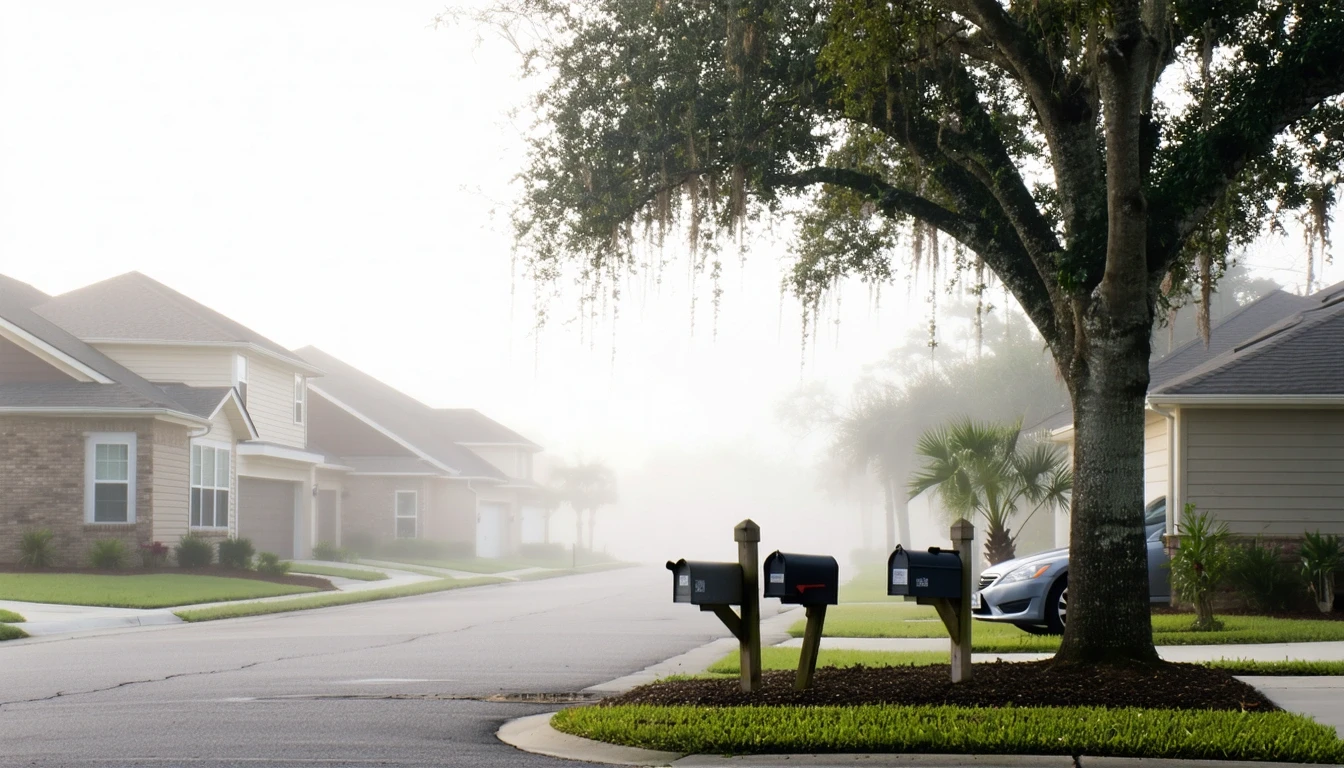
Oldsmar’s housing market reflects its position as a smaller city within the broader Tampa metro area—close enough to major employment hubs to attract commuters, but distinct enough to maintain a quieter, more residential character. The median home value of $323,200 positions Oldsmar below some of Tampa’s more expensive coastal or downtown-adjacent neighborhoods, but above many inland or rural alternatives.
What shapes this market isn’t just regional demand—it’s the city’s infrastructure and layout. Oldsmar has walkable pockets with a high pedestrian-to-road ratio, meaning some neighborhoods support daily errands on foot or bike, while others remain car-dependent. Food and grocery options cluster along corridors rather than spreading evenly, which means your housing location determines how much you’ll rely on a vehicle for routine tasks. For buyers, this creates meaningful variation: homes near mixed-use corridors offer different lifestyle tradeoffs than those in purely residential zones.
The presence of both residential and commercial land use, combined with moderate park density and water features, gives Oldsmar a more textured suburban feel than many sprawl-heavy Florida markets. Families are drawn here in part because school and playground density both meet meaningful thresholds—this isn’t a place where you’re isolated from family-oriented infrastructure. But healthcare access is limited locally, with no hospital present and reliance on pharmacies and external facilities for serious care. That’s a cost consideration for households managing chronic conditions or planning for aging in place.
Newcomers often misunderstand Oldsmar as a generic Tampa suburb, but the city’s layout and infrastructure create real differences in how housing costs play out. Renting near a walkable pocket reduces transportation friction; buying in a car-dependent zone increases it. The market rewards location-specific research, not assumptions.
—
Renting in Oldsmar
At $1,330 per month for median gross rent, Oldsmar’s rental market sits in a range that reflects steady demand from commuters, families, and workers tied to Tampa’s broader economy. Rental pressure here isn’t driven by extreme scarcity or luxury development—it’s shaped by the city’s appeal as a stable, accessible residential option without the intensity of urban Tampa or the isolation of more rural Hillsborough County locations.
Renters in Oldsmar face a tradeoff between proximity to errands and commute flexibility. Because food and grocery options cluster along corridors rather than spreading uniformly, choosing an apartment near these zones reduces daily car dependency and the friction of running errands after work. Choosing a rental farther from these corridors often means lower rent, but higher transportation costs and time spent driving for routine needs.
The rental experience also varies by housing type. Apartment complexes in Oldsmar tend to concentrate near commercial corridors, offering walkability to some services but less access to green space or quieter residential streets. Single-family rentals, more common in purely residential zones, offer more space and privacy but typically require a car for nearly every errand. For renters without vehicles or those trying to minimize car costs, location matters more than square footage.
Rental volatility in Oldsmar follows broader Tampa metro trends—lease renewals can shift with regional demand, and renters have limited control over timing or magnitude of increases. Unlike ownership, where property taxes and insurance rise gradually, rent adjustments happen annually and reflect landlord response to market conditions. For households planning to stay in Oldsmar long-term, this creates ongoing uncertainty that ownership avoids.
—
Owning a Home in Oldsmar
Owning a home in Oldsmar at a median value of $323,200 means taking on a different cost structure than renting—one where upfront barriers are higher, but long-term predictability improves. Ownership here isn’t just about monthly payments; it’s about exposure to Florida-specific costs that renters never see directly: property taxes, homeowners insurance, hurricane preparedness, and the ongoing maintenance demands of a humid, storm-prone climate.
Property taxes in Florida are governed by local millage rates and assessment rules, and while Oldsmar benefits from the state’s homestead exemption framework, the actual tax burden depends on assessed value, exemptions you qualify for, and how your property is classified. Buyers often underestimate this exposure because it’s not fixed—reassessments, voter-approved levies, and changes in exemption eligibility all shift what you owe over time. Unlike rent, which adjusts annually, property taxes rise incrementally but persistently.
Homeowners insurance in coastal Florida is a dominant cost factor, even for inland suburbs like Oldsmar. Proximity to water features and the Gulf Coast increases storm risk, and insurers price accordingly. Policies here typically cost more than in non-coastal states, and coverage requirements are stricter. Buyers coming from regions without hurricane exposure often face sticker shock when they see Florida insurance quotes—it’s not a minor line item, and it doesn’t stay flat.
Maintenance in Oldsmar is shaped by heat, humidity, and seasonal storm activity. Air conditioning systems run longer and harder than in temperate climates, shortening their lifespan and increasing replacement costs. Roofs, siding, and exterior paint degrade faster under UV exposure and moisture. Landscaping requires irrigation during dry months, and drainage systems need attention during heavy rain seasons. These aren’t catastrophic expenses, but they’re persistent—and they’re entirely the owner’s responsibility.
Governance also plays a role. Some Oldsmar neighborhoods operate under homeowners associations, which bundle services like landscaping, exterior maintenance, or community amenities into monthly fees. These fees add predictability for some costs but reduce owner control. Buyers need to know whether a property falls under HOA rules, what those fees cover, and how they’ve changed historically. Renters never deal with this layer; owners can’t avoid it.
The ownership experience in Oldsmar rewards households who value stability, control, and the ability to modify their living space. It penalizes those who underestimate Florida-specific exposure or assume costs will behave like they do in other regions. The climate alone ensures that ownership here is more expensive to maintain than in drier, cooler states—and that gap widens the longer you stay.
—
Apartment vs House in Oldsmar — Cost Behavior Comparison
Choosing between an apartment and a house in Oldsmar isn’t just about size or price—it’s about which cost exposures you’re willing to manage and how the city’s layout affects your daily routine. The table below highlights categories where the two housing types behave meaningfully differently in Oldsmar, based on local climate, infrastructure, and governance patterns.
| Expense Category | Apartment | House |
|---|---|---|
| Cooling costs | Lower total usage due to smaller square footage and shared walls reducing heat gain | Higher usage due to larger space, more exterior surface area, and full sun exposure on all sides |
| Exterior maintenance | Managed by landlord or association; tenant has no direct cost or control | Owner responsible for roof, siding, paint, and storm damage—persistent in Florida’s UV and humidity |
| Errands and car dependency | More likely located near corridor-clustered commercial zones, reducing daily driving | More likely in residential-only zones, requiring a car for nearly all errands |
| Insurance | Renters insurance required by most landlords; covers contents only, lower cost | Homeowners insurance required by lenders; covers structure and contents, significantly higher in Florida |
| Governance and fees | No HOA involvement; landlord handles all external decisions | Some neighborhoods have HOA fees covering landscaping, exterior rules, and amenities; adds fixed monthly cost |
Why these categories? Oldsmar’s mixed urban form and corridor-clustered errands mean apartment and house residents experience meaningfully different transportation and convenience costs. Florida’s climate makes cooling and exterior maintenance dominant cost drivers for houses, while apartments shift that burden to landlords. Categories like water or trash weren’t included because they often don’t vary significantly by housing type in this market, and their cost behavior doesn’t depend on Oldsmar-specific conditions.
—
Utilities & Upkeep Differences
Utility and maintenance costs in Oldsmar don’t just vary by housing type—they’re shaped by Florida’s extended cooling season, high humidity, and the infrastructure age of the property you choose. These aren’t minor differences; they’re structural cost exposures that change how much you spend and how often you deal with repairs.
Electricity dominates utility costs here, driven almost entirely by air conditioning. At 15.02¢ per kWh, Oldsmar’s rate sits near the state average, but the real cost driver is usage intensity. Cooling season in this region runs from late spring through early fall, with peak summer months requiring near-constant AC operation to maintain livable indoor temperatures. Houses face higher exposure because they have more square footage, more exterior walls absorbing heat, and often older or less efficient HVAC systems. Apartments, especially those with shared walls and smaller footprints, use less electricity for the same comfort level—but tenants still pay the bill.
Natural gas, priced at $23.62 per thousand cubic feet, plays a smaller role in Oldsmar than in colder climates. Most homes use it for water heating or cooking, not space heating, so monthly costs stay relatively low and stable. This is one area where Florida’s climate reduces exposure compared to northern states, but it also means homeowners can’t offset high summer electricity bills with low winter heating costs—the budget pressure is lopsided.
Maintenance exposure in Oldsmar is dominated by heat and moisture. HVAC systems work harder and fail sooner than in temperate climates. Filters clog faster due to humidity and pollen. Ductwork in older homes may lack proper insulation, forcing systems to overcool and waste energy. Homeowners face these costs directly; renters depend on landlord responsiveness, which varies.
Exterior upkeep is relentless. Paint fades and peels under UV exposure. Roofs degrade faster, especially after storm seasons. Gutters and drainage systems clog with organic debris and need regular clearing to prevent water intrusion during heavy rains. Landscaping requires irrigation during dry stretches, and Florida’s growth rates mean mowing, trimming, and pest control are year-round tasks, not seasonal ones. For house owners, this is a persistent cost and time commitment. For apartment renters, it’s invisible—but often reflected in higher rent.
The utility and upkeep gap between apartments and houses in Oldsmar isn’t subtle. Houses offer more space and control, but they also expose owners to Florida’s climate in ways that compound over time. Apartments buffer that exposure by shifting responsibility to landlords, but they don’t eliminate it—they just hide it in the lease price.
—
Rent vs Buy: Long-Term Exposure in Oldsmar
The decision to rent or buy in Oldsmar isn’t about which option costs less in year one—it’s about which cost structure aligns with how long you’re staying, how much volatility you can absorb, and what kind of control you need over your living environment. Over time, these two paths diverge in ways that go beyond monthly payments.
Renting in Oldsmar offers flexibility and limited responsibility. Lease renewals happen annually, and rent adjustments reflect landlord response to market conditions, regional demand, and property-level factors. Renters have no control over timing or magnitude of increases, and they can’t lock in long-term predictability. But they also avoid property tax exposure, insurance volatility, and the maintenance costs that come with Florida’s climate. When an HVAC system fails or a roof needs replacement, the landlord absorbs the cost and the logistics. For households uncertain about their timeline in Oldsmar or unwilling to manage repair risk, renting keeps exposure contained.
Buying in Oldsmar shifts the cost structure entirely. The purchase price is a one-time threshold, but ongoing costs—property taxes, insurance, maintenance, and utilities—persist and grow. Property taxes rise with assessed values and millage rate changes. Insurance premiums adjust annually based on risk models, claims history, and statewide market conditions; Florida’s coastal exposure ensures this isn’t a stable line item. Maintenance costs escalate as homes age, and Florida’s heat and humidity accelerate that aging process. Owners can’t defer these expenses without risking larger failures down the line.
But ownership also creates predictability in one critical area: housing cost control. A fixed-rate mortgage payment doesn’t change, even as rents in the surrounding market rise. Property taxes and insurance grow, but incrementally—not in the sharp, lease-renewal jumps renters face. Over a decade, that stability compounds. Owners also gain the ability to modify their property, control maintenance timing, and build equity as the mortgage balance falls. For households planning to stay in Oldsmar long-term, ownership converts ongoing monthly expenses into a mix of predictable debt service and controllable upkeep.
The tradeoff isn’t about which path is cheaper—it’s about which risks you’re equipped to manage. Renters face income-driven affordability risk and displacement risk, but avoid capital risk and maintenance risk. Owners face maintenance risk, insurance volatility, and illiquidity, but gain stability and control. In Oldsmar, where climate-driven costs are persistent and regional demand fluctuates with Tampa’s economy, both paths have exposure—just to different forces.
Households who plan to stay five years or longer, who can absorb repair costs without financial strain, and who value control over their living environment tend to find ownership rewarding in Oldsmar. Those with shorter timelines, uncertain income, or limited savings for unexpected repairs often find renting less risky, even if the monthly cost feels high. Neither choice eliminates exposure—they just allocate it differently.
—
FAQs About Housing Costs in Oldsmar
Is $323,200 considered affordable for a home in Oldsmar, FL?
Affordability depends on household income, debt, and down payment capacity, not just the purchase price. At a median household income of $73,984 per year, a $323,200 home sits near the upper end of conventional affordability heuristics, especially after accounting for property taxes, insurance, and Florida-specific maintenance costs. Buyers with stable income, low debt, and significant savings may find it manageable; those stretching to qualify often underestimate ongoing ownership costs.
How does renting in Oldsmar compare to nearby Tampa neighborhoods?
Oldsmar’s median rent of $1,330 per month typically falls below many urban Tampa neighborhoods closer to downtown or the waterfront, but above more rural or inland areas. The tradeoff is access: Oldsmar offers a quieter, more residential setting with moderate commute times, but less walkable density and fewer immediate entertainment or dining options than central Tampa. Renters prioritizing space and family infrastructure over nightlife often find Oldsmar a better value.
What drives homeowners insurance costs higher in Oldsmar?
Florida’s hurricane exposure, even for inland suburbs like Oldsmar, increases wind and flood risk, which insurers price into premiums. Proximity to water features and the Gulf Coast raises risk models, and statewide market conditions—including insurer exits and reinsurance costs—affect pricing. Homeowners insurance here is a dominant cost factor, not a minor one, and it adjusts annually based on factors outside individual control.
Do apartments in Oldsmar require less car dependency than houses?
In many cases, yes. Apartments in Oldsmar tend to locate near corridor-clustered commercial zones, where food, grocery, and service options are more accessible on foot or by bike. Houses are more common in residential-only zones, where errands require a car. The city’s walkable pockets and notable bike infrastructure support reduced car dependency in specific areas, but this varies by neighborhood. Location matters more than housing type alone.
How does Oldsmar’s housing market respond to Tampa’s economic growth?
Oldsmar benefits from Tampa’s regional employment growth, which drives demand for housing in commuter-accessible suburbs. When Tampa’s economy strengthens, rental and ownership demand in Oldsmar typically rises, pushing prices upward. Conversely, economic slowdowns or shifts in remote work patterns can reduce pressure. The city’s housing market is tied to Tampa’s trajectory, but it doesn’t move in lockstep—local factors like school quality, infrastructure, and available inventory also shape outcomes.
—
Making Housing Choices in Oldsmar
Housing costs in Oldsmar aren’t just about what you pay each month—they’re about how those costs behave over time, which risks you’re willing to manage, and how the city’s layout and climate shape your day-to-day expenses. Renting offers flexibility and limits responsibility, but it leaves you exposed to annual volatility and landlord decisions. Owning offers stability and control, but it requires absorbing Florida’s climate-driven maintenance costs, insurance exposure, and property tax growth.
The city’s mixed suburban character—walkable pockets, corridor-clustered errands, strong family infrastructure, and limited local healthcare—creates real variation in how housing location affects your total cost of living. Choosing a home near commercial corridors reduces transportation friction; choosing one in a purely residential zone increases it. Families with school-age children benefit from Oldsmar’s infrastructure density; households managing chronic health conditions face added travel for serious care.
For newcomers weighing housing tradeoffs, the key is understanding that Oldsmar rewards location-specific research and realistic assessment of your timeline. If you’re planning to stay long-term, can handle repair costs, and value control, ownership makes sense. If your timeline is uncertain, your savings are limited, or you prefer someone else to manage maintenance risk, renting avoids the exposure. Neither path is universally better—they just fit different households at different stages.
And if you’re planning a move to Oldsmar, understanding pods vs trucks: which move is best for you? can help you manage the logistics and costs of getting here in the first place. Housing decisions start before you arrive, and the structure you choose shapes everything that follows.
How this article was built: In addition to public economic data, this article incorporates location-based experiential signals derived from anonymized geographic patterns—such as access density, walkability, and land-use mix—to reflect how day-to-day living actually feels in Oldsmar, FL.