
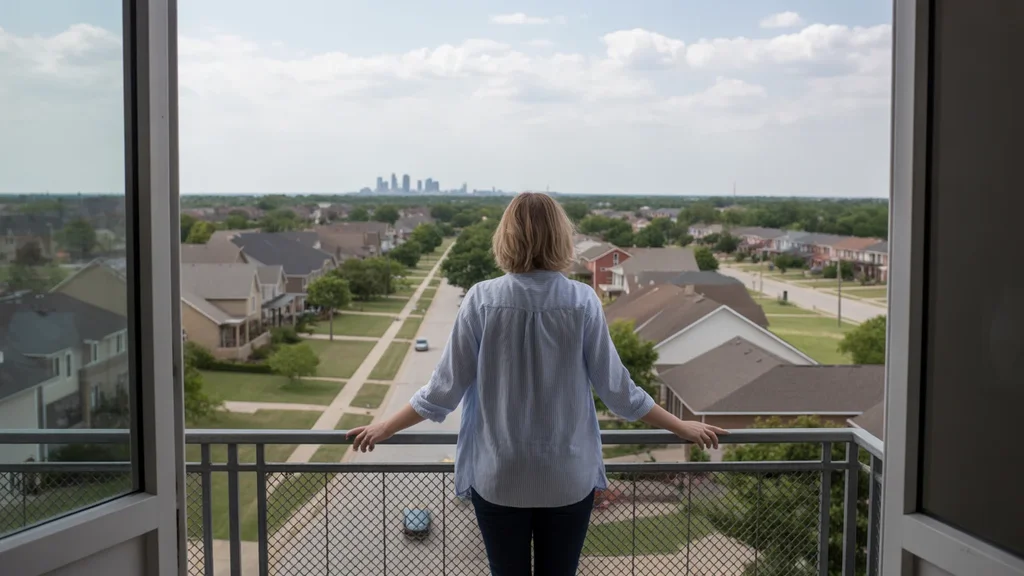
Which city wins on cost? For households weighing Norman against Oklahoma City in 2026, the answer isn’t about which metro suburb rings up cheaper at checkout—it’s about where cost pressure concentrates and which household type feels it most. Both cities sit within the same Oklahoma City metro area, share identical utility rates and gas prices, and operate under the same regional price environment. Yet the decision between them hinges on structural differences: how housing entry barriers compare, where daily errands require extra driving, and whether family logistics run smoother in one place versus the other. Norman, home to the University of Oklahoma, offers a college-town character with walkable pockets but sparse grocery infrastructure. Oklahoma City counters with lower home prices, stronger park and school density, and more accessible errands corridors. The trade isn’t affordability in the abstract—it’s which costs become non-negotiable first and which households have flexibility to absorb them.
Understanding these differences matters because identical incomes produce different experiences. A household earning the metro median can feel stable in one city and stretched in the other, not because prices diverge wildly, but because the rhythm of daily life—commute friction, errands logistics, housing form—shapes where money and time disappear. Norman’s higher home values create a steeper entry threshold for buyers, while Oklahoma City’s lower purchase prices ease ownership access but may require navigating a larger, more sprawling metro. Renters face near-identical monthly obligations, shifting the decision toward housing type availability and proximity to work or schools. Utility exposure remains consistent across both cities, but household size and home age determine whether cooling costs dominate summer months or baseline usage stays predictable year-round.
This comparison explains how cost structure differences show up in 2026 for households deciding between Norman and Oklahoma City. It does not calculate total cost of living, declare a universal winner, or estimate monthly budgets. Instead, it clarifies where financial pressure concentrates, which trade-offs matter most, and how different household types experience the same metro area depending on which city they choose.
Housing Costs
Housing represents the most visible structural difference between Norman and Oklahoma City. Norman’s median home value sits at $224,900, while Oklahoma City’s median home value comes in at $196,700—a gap that translates directly into down payment requirements, mortgage size, and monthly principal-and-interest obligations for buyers. This difference matters most for first-time buyers or households stretching to enter ownership, where the higher entry threshold in Norman can delay purchase timelines or require larger savings buffers. Oklahoma City’s lower median value eases access to ownership, particularly for households prioritizing space over proximity to a specific school district or employer. Neither city offers a clear advantage on rent: Norman’s median gross rent stands at $1,004 per month, while Oklahoma City’s median gross rent registers at $1,012 per month. The near-identical rental costs shift the decision away from monthly obligation size and toward housing type availability, lease flexibility, and proximity to daily destinations.
The housing stock in each city reflects different development patterns and household priorities. Norman’s mixed building height character and walkable pockets suggest a concentration of single-family homes near the university core, with newer apartment complexes serving student and young professional populations. Oklahoma City’s more vertical building profile and integrated green space access point to a broader mix of mid-rise apartments, townhomes, and single-family neighborhoods spread across a larger metro footprint. For renters, this means Norman may offer tighter inventory in walkable areas, while Oklahoma City provides more options along transit corridors and near parks. For buyers, Norman’s higher home values often correspond to proximity to university amenities and established neighborhoods, while Oklahoma City’s lower prices may require accepting longer commutes or less walkable surroundings in exchange for more square footage or yard space.
Households sensitive to housing entry barriers face different trade-offs in each city. First-time buyers prioritizing lower down payments and smaller mortgage obligations will find Oklahoma City’s median home value more accessible, though they may need to navigate a larger metro to find neighborhoods that match their work or school needs. Families seeking proximity to strong school and playground density—evidenced by Oklahoma City’s family infrastructure signals—may accept the lower home prices as a pathway to ownership in neighborhoods with better parks and recreational access. Renters, facing nearly identical monthly costs, should focus on housing type and location rather than price: Norman’s sparse errands accessibility means renters may need cars for grocery runs and daily tasks, while Oklahoma City’s corridor-clustered food and grocery options offer more walkable or transit-accessible alternatives in certain neighborhoods. The housing takeaway is not that one city is cheaper, but that Norman front-loads cost pressure into the purchase price, while Oklahoma City distributes it across a larger metro requiring more intentional neighborhood selection.
Utilities and Energy Costs
Utility cost exposure in Norman and Oklahoma City starts from an identical baseline: both cities share the same electricity rate of 12.25¢/kWh and natural gas price of $11.08/MCF. This parity eliminates rate-driven differences and shifts the focus entirely to usage patterns, housing stock, and seasonal behavior. Oklahoma’s climate—characterized by hot, humid summers and mild to cool winters—means cooling dominates utility exposure from late spring through early fall, while heating needs remain moderate and concentrated in shorter winter months. Households in both cities face similar seasonal swings, but the intensity of that exposure depends on home size, insulation quality, and whether the housing unit is an apartment with shared walls or a detached single-family home with greater surface area exposed to outdoor temperatures.
Norman’s mixed building height character and walkable pockets suggest a concentration of older single-family homes and newer apartment complexes, creating variability in energy efficiency. Older homes in established neighborhoods may lack modern insulation or efficient HVAC systems, amplifying cooling costs during triple-digit summer heat. Newer apartments, particularly those built in the past decade, typically feature better insulation and more efficient climate control, reducing baseline usage and smoothing out seasonal spikes. Oklahoma City’s more vertical building profile and integrated green space access point to a broader mix of mid-rise apartments and townhomes, which generally offer lower per-unit cooling exposure due to shared walls and smaller conditioned spaces. Single-family homeowners in Oklahoma City face similar cooling pressure as their Norman counterparts, but the city’s larger metro footprint means housing age and construction quality vary widely across neighborhoods.
Household size and housing type determine where utility costs become predictable versus volatile. Single adults or couples in newer apartments—common in both cities—experience lower baseline usage and more stable monthly bills, with cooling costs rising in summer but remaining manageable due to smaller square footage. Families in larger single-family homes face higher absolute usage and greater seasonal variability, particularly if the home was built before modern efficiency standards took hold. Older homes in Norman or Oklahoma City may see summer cooling bills climb significantly during extended heat waves, while newer construction with programmable thermostats and better insulation keeps costs more predictable. Renters in apartments benefit from lower exposure overall, though those in older complexes without central air or with window units may experience higher costs and less comfort during peak summer months. The utility takeaway is that neither city offers a structural cost advantage—both share identical rates and similar climate exposure—but households in newer, smaller housing units experience more predictable costs, while those in older, larger homes face greater volatility driven by cooling season intensity.
Groceries and Daily Expenses
Grocery and daily expense pressure in Norman and Oklahoma City diverges not in price levels—both cities operate within the same regional price environment—but in access patterns and the friction costs that come with them. Norman’s sparse daily errands accessibility, evidenced by food density in the medium band and grocery density below the low threshold, means households often need to drive farther or visit multiple stores to complete a full grocery run. This pattern increases both time costs and the likelihood of convenience spending, as households may default to prepared foods, takeout, or quick stops at smaller stores when full grocery trips require extra planning. Oklahoma City’s corridor-clustered food and grocery options, with food density exceeding the high threshold and grocery density in the medium band, concentrate shopping options along major corridors and near transit routes, reducing the need for long drives and offering more flexibility to combine errands in a single trip.
The structural difference in errands accessibility shapes how households manage grocery budgets and daily spending. In Norman, households without easy access to large-format grocery stores or discount chains may rely more heavily on convenience stores, campus-area markets, or smaller neighborhood shops, where per-unit prices tend to run higher and bulk purchasing becomes less practical. Families managing larger grocery volumes—those with kids or households cooking most meals at home—feel this friction most acutely, as the time cost of driving to a big-box store or the price premium of shopping closer to home both add up over time. Oklahoma City’s corridor-clustered pattern offers more options for price-sensitive shoppers, with major grocery chains, discount retailers, and specialty stores concentrated along accessible routes, making it easier to compare prices or stock up on staples without dedicating an entire afternoon to the task.
Dining out and convenience spending follow similar patterns. Norman’s college-town character supports a dense concentration of coffee shops, casual dining, and takeout options near campus, but these tend to cluster in specific neighborhoods, leaving other parts of the city more car-dependent for quick meals or coffee runs. Oklahoma City’s larger metro footprint and more vertical building profile distribute dining and convenience options more broadly, though households in suburban pockets may still face the same car-dependent patterns as Norman residents. Single adults and couples, particularly those living near walkable corridors in either city, can reduce convenience spending by accessing coffee, prepared foods, and quick errands on foot or by bike. Families, especially those in car-dependent neighborhoods, face higher friction costs as every errand requires driving, increasing both fuel expenses and the temptation to consolidate trips by grabbing takeout or convenience items rather than planning ahead.
The grocery and daily expense takeaway is that Norman’s sparse errands infrastructure increases the time and planning burden for households, particularly families managing larger volumes or those without flexible schedules to accommodate longer grocery trips. Oklahoma City’s corridor-clustered access reduces friction for households living near major routes or transit corridors, offering more price flexibility and easier errand consolidation. Neither city offers a clear price advantage—both operate within the same regional cost environment—but the difference in access patterns means households in Norman may spend more on convenience or absorb higher time costs, while those in Oklahoma City gain flexibility at the expense of navigating a larger, more sprawling metro to find the neighborhoods where errands feel easiest.
Taxes and Fees

Tax and fee structures in Norman and Oklahoma City operate under the same state and county frameworks, meaning property tax rates, sales tax rates, and most local fees follow similar patterns across both cities. The primary differences emerge not in the rates themselves but in how housing values and local service models translate those rates into actual household obligations. Norman’s higher median home value of $224,900 means homeowners face larger absolute property tax bills compared to Oklahoma City’s median home value of $196,700, even if the millage rate remains identical. This difference matters most for long-term homeowners planning to stay several years, as property taxes represent a recurring obligation that scales with home value and can rise over time as assessments adjust to market conditions.
Sales taxes in both cities apply to groceries, dining, and most consumer goods, with local municipalities sometimes layering additional fractions of a percent onto the state base rate to fund specific services or infrastructure projects. Households that spend more on taxable goods—dining out frequently, purchasing prepared foods, or buying non-essential items—feel sales tax pressure more acutely, though the difference between Norman and Oklahoma City remains minimal in practice. The more significant distinction lies in local fees and service charges. Norman’s college-town character and smaller municipal footprint may result in different fee structures for trash collection, water, sewer, and stormwater management compared to Oklahoma City’s larger metro service area. Some neighborhoods in either city may also fall under homeowners association (HOA) governance, where monthly or annual fees bundle services like landscaping, common area maintenance, or trash pickup, adding predictability for some households but reducing flexibility for others.
Renters in both cities typically see property taxes and many local fees embedded in their monthly rent, meaning the direct impact of these costs remains less visible but still present. Homeowners, by contrast, face property taxes as a separate line item, often paid through escrow accounts alongside mortgage principal and interest. This structure makes property tax differences more tangible in Norman, where higher home values translate to higher tax bills, even if the effective rate doesn’t differ meaningfully from Oklahoma City. Households planning to stay long-term should account for the possibility of assessment increases, particularly in neighborhoods experiencing rising home values or new development. Oklahoma City’s lower median home value offers a smaller baseline tax obligation, though households in rapidly appreciating neighborhoods may see assessments rise faster than in more stable areas of Norman.
The tax and fee takeaway is that Norman’s higher home values create larger absolute property tax obligations for homeowners, while Oklahoma City’s lower home values ease that recurring cost. Renters in both cities face similar exposure, with taxes and fees embedded in rent rather than paid directly. Households sensitive to predictable, recurring costs may prefer Oklahoma City’s lower baseline property tax exposure, while those prioritizing proximity to specific amenities or school districts in Norman should account for the higher tax obligation as part of the total ownership cost. Neither city imposes dramatically different fee structures, but households should verify local service charges, HOA fees, and municipal billing practices before committing to a specific neighborhood.
Transportation & Commute Reality
Transportation costs in Norman and Oklahoma City share identical fuel pricing—$3.24 per gallon—but diverge sharply in how daily mobility patterns shape household time and money. Oklahoma City reports an average commute time of 22 minutes, reflecting a larger metro footprint where jobs, housing, and services spread across a broader area. Norman lacks reported commute data, but its college-town scale and concentration of employment around the university suggest shorter average commutes for those working locally, though households commuting to Oklahoma City or other metro employers face longer drives. The structural difference lies not in fuel cost but in how often households need to drive, how far they travel for daily errands, and whether transit or bike infrastructure offers viable alternatives to car dependence.
Norman’s sparse daily errands accessibility and some_pockets bike presence mean most households rely on cars for grocery runs, errands, and non-work trips, even if the university core supports walkable pockets for students and nearby residents. Oklahoma City’s corridor-clustered errands accessibility and notable bike infrastructure offer more opportunities to reduce car trips, particularly for households living near transit corridors or in neighborhoods with higher food and grocery density. Both cities show rail transit presence, but the practical utility of that transit depends on where households live and work: those near rail stations in either city can reduce commute costs and time, while those in car-dependent neighborhoods see transit as a non-option regardless of its technical availability.
The time-versus-money trade-off plays out differently depending on household type and location. Single adults or couples living near walkable corridors in Oklahoma City may reduce fuel costs and car wear by biking or walking for errands, while those in Norman’s sparse errands zones face more frequent car trips even for short distances. Families managing school drop-offs, grocery runs, and extracurricular activities in either city typically default to car dependence, but Oklahoma City’s stronger family infrastructure and integrated parks mean those trips may consolidate more easily around clustered amenities. Commuters working outside their home city—Norman residents commuting to Oklahoma City, or vice versa—absorb both fuel costs and time costs, with the latter often mattering more for households juggling tight schedules or childcare logistics.
Cost Structure Comparison
Housing pressure dominates the cost experience in both Norman and Oklahoma City, but the nature of that pressure differs. Norman front-loads cost into the purchase price, with a median home value of $224,900 creating a steeper entry barrier for buyers compared to Oklahoma City’s $196,700 median. Renters face nearly identical monthly obligations—$1,004 in Norman versus $1,012 in Oklahoma City—shifting the decision toward housing type availability and proximity to work or schools rather than affordability. Families prioritizing homeownership and willing to absorb higher purchase prices may find Norman’s established neighborhoods and college-town character worth the premium, while those seeking easier entry into ownership or more square footage for the same price will find Oklahoma City’s lower home values more accommodating.
Utilities introduce similar seasonal volatility in both cities, with identical electricity rates of 12.25¢/kWh and natural gas prices of $11.08/MCF eliminating any rate-driven advantage. The difference lies in housing stock and household size: newer apartments in either city offer more predictable costs due to better insulation and smaller conditioned spaces, while older single-family homes face higher cooling exposure during Oklahoma’s hot summers. Households in larger homes or those with older HVAC systems experience greater volatility, regardless of which city they choose. The utility cost structure doesn’t favor one city over the other—it favors newer, smaller housing units over older, larger ones.
Transportation patterns matter more in Norman than Oklahoma City, not because fuel costs differ—they don’t—but because Norman’s sparse errands accessibility forces more frequent car trips for groceries and daily tasks. Oklahoma City’s corridor-clustered food and grocery options, combined with notable bike infrastructure and integrated parks, reduce the friction cost of running errands and offer more opportunities to consolidate trips or substitute walking and biking for short drives. Families managing tight schedules or households without flexible work-from-home arrangements feel this difference most acutely: in Norman, every grocery run or errand requires planning and driving, while in Oklahoma City, households near accessible corridors can reduce car dependence and reclaim time.
Daily living costs—groceries, dining, and convenience spending—don’t diverge in price levels, but access patterns shape how households experience them. Norman’s sparse grocery infrastructure increases the likelihood of convenience spending or longer drives to reach big-box stores, while Oklahoma City’s corridor-clustered access offers more price flexibility and easier errand consolidation. Single adults and couples living near walkable pockets in either city can minimize convenience spending by accessing coffee, prepared foods, and quick errands on foot, but families in car-dependent neighborhoods face higher friction costs regardless of location.
The decision between Norman and Oklahoma City isn’t about which city costs less overall—it’s about which cost pressures dominate a household’s daily life and which trade-offs feel manageable. Households sensitive to housing entry barriers will find Oklahoma City’s lower home values more accessible, while those prioritizing college-town character and proximity to the university may accept Norman’s higher purchase prices. Households seeking easier errands logistics and stronger family infrastructure will benefit from Oklahoma City’s corridor-clustered access and integrated parks, while those comfortable with car dependence and willing to plan around sparse grocery options may find Norman’s smaller scale and walkable pockets appealing. Neither city offers a universal advantage—each fits different households depending on what costs matter most and where flexibility exists.
How the Same Income Feels in Norman vs Oklahoma City
Single Adult
For a single adult, housing becomes the first non-negotiable cost, and the near-identical rent in both cities shifts the decision toward housing type and location rather than monthly obligation size. Flexibility exists in transportation and convenience spending: living near walkable corridors in Oklahoma City reduces car trips and allows for biking or walking to errands, while Norman’s sparse grocery infrastructure forces more frequent driving even for short tasks. The primary difference lies in time cost versus cash cost—Norman requires more planning and driving for daily errands, while Oklahoma City offers more opportunities to consolidate trips or substitute walking for short drives. Households prioritizing predictable routines and minimal errand friction will find Oklahoma City’s corridor-clustered access easier to navigate, while those comfortable with car dependence and drawn to Norman’s college-town character may accept the extra planning burden.
Dual-Income Couple
For a dual-income couple, housing entry becomes the dominant decision point, with Norman’s higher home values creating a steeper down payment threshold and larger mortgage obligation compared to Oklahoma City’s lower purchase prices. Flexibility exists in commute patterns and errands logistics: couples with one or both partners working remotely or near home can reduce transportation costs and time, while those commuting to opposite ends of the metro face longer drives and higher fuel exposure. Oklahoma City’s stronger bike infrastructure and corridor-clustered errands accessibility offer more opportunities to reduce car dependence, particularly for couples living near transit routes or in neighborhoods with higher food density. Norman’s sparse grocery options and walkable pockets concentrated near the university core mean couples living outside those areas absorb more car trips and planning friction, even if fuel costs remain identical.
Family with Kids
For families with kids, housing size and school proximity become non-negotiable first, with Oklahoma City’s lower home values easing access to larger single-family homes and stronger family infrastructure offering better park and playground density. Flexibility disappears quickly in transportation and errands logistics: school drop-offs, grocery runs, and extracurricular activities require car dependence in both cities, but Oklahoma City’s integrated green space and corridor-clustered food access allow families to consolidate trips more easily. Norman’s sparse errands accessibility and limited grocery density increase the time cost of managing household logistics, particularly for families juggling tight schedules or childcare constraints. The primary difference lies in whether cost pressure concentrates in housing entry—Norman’s higher home values—or in ongoing friction costs like driving farther for groceries and managing less accessible parks and schools.
Decision Matrix: Which City Fits Which Household?
| Decision factor | If you’re sensitive to this… | Norman tends to fit when… | Oklahoma City tends to fit when… |
|---|---|---|---|
| Housing entry + space needs | Down payment size, mortgage obligation, or square footage per dollar | You prioritize college-town character and proximity to the university over lower purchase prices | You seek easier ownership access or more space for the same price |
| Transportation dependence + commute friction | Time cost of commuting, car dependence, or transit viability | You work locally or near campus and accept car dependence for errands | You value bike infrastructure and transit corridors that reduce car trips |
| Utility variability + home size exposure | Seasonal bill swings, cooling costs, or predictability | You choose newer apartments or smaller homes that smooth seasonal volatility | You choose newer apartments or smaller homes that smooth seasonal volatility |
| Grocery strategy + convenience spending creep | Errands planning burden, price flexibility, or time spent driving to stores | You accept longer drives or higher convenience spending in exchange for smaller-city scale | You prioritize corridor-clustered access that reduces errands friction and offers more price options |
| Fees + friction costs (HOA, services, upkeep) | Recurring obligations, service bundling, or predictability | You accept higher property taxes tied to higher home values | You benefit from lower baseline property tax exposure due to lower home values |
| Time budget (schedule flexibility, errands, logistics) | Managing school drop-offs, grocery runs, or extracurricular activities | You have flexible schedules and can absorb sparse errands infrastructure | You need integrated parks and stronger family infrastructure to consolidate trips |
Lifestyle Fit
Norman and Oklahoma City offer distinct lifestyle textures shaped by their size, development patterns, and regional roles. Norman’s college-town character centers around the University of Oklahoma, creating a concentration of walkable pockets near campus with coffee shops, casual dining, and student-oriented amenities. The city’s smaller scale means less sprawl and shorter distances within the core, though households living outside the university area face more car-dependent routines. Oklahoma City’s larger metro footprint supports a broader mix of neighborhoods, from dense urban corridors with mid-rise apartments and bike infrastructure to suburban pockets with single-family homes and integrated parks. The city’s more vertical building profile and corridor-clustered errands accessibility reflect a more developed transit and bike network, offering households more options to reduce car dependence if they choose neighborhoods near rail stations or major routes.
Recreation and outdoor access differ meaningfully between the two cities. Norman’s green space access sits in the moderate range, with parks present but not as densely distributed as in Oklahoma City, where park density exceeds the high threshold and water features add variety to outdoor options. Families prioritizing playground access and school density will find Oklahoma City’s strong family infrastructure more accommodating, with both schools and playgrounds meeting density thresholds compared to Norman’s more limited playground availability. Oklahoma City’s integrated parks and higher park density mean families can access outdoor space more easily without long drives, while Norman’s moderate park presence requires more intentional planning to reach larger green spaces or recreational facilities.
Cultural and community character also shape daily life in each city. Norman’s university presence infuses the city with a younger demographic, college sports culture, and academic events, creating a distinct rhythm tied to the academic calendar. Oklahoma City’s role as the state capital and regional economic hub supports a broader mix of industries, cultural institutions, and professional networks, offering more diversity in employment sectors and social environments. Households drawn to college-town energy and proximity to university amenities may find Norman’s smaller scale and concentrated walkable core appealing, while those seeking a larger metro with more varied neighborhoods and stronger transit infrastructure may prefer Oklahoma City’s broader options. Norman’s unemployment rate of 2.9% reflects a tight labor market, while Oklahoma City’s 3.2% unemployment rate remains low by national standards. Both cities experience hot, humid summers with extended cooling seasons, though Oklahoma City’s larger metro footprint and more vertical building profile may offer more shaded corridors and tree-lined streets in established neighborhoods.
How this article was built: In addition to public economic data, this article incorporates location-based experiential signals derived from anonymized geographic patterns—such as access density, walkability, and land-use mix—to reflect how day-to-day living actually feels in Norman, OK.
Frequently Asked Questions
Is Norman or Oklahoma City cheaper for renters in 2026?
Renters face nearly identical monthly costs in both cities, with Norman’s median gross rent at $1,004 per month and Oklahoma City’s at $1,012 per month. The decision shifts away from price and toward housing type availability, proximity to work or schools, and access to errands infrastructure. Norman’s sparse grocery density means renters may need cars for daily tasks, while Oklahoma City’s corridor-clustered food and grocery options offer more walkable or transit-accessible alternatives in certain neighborhoods.
How do home prices in Norman compare to Oklahoma City for first-time buyers in 2026?
Norman’s median home value of $224,900 creates a steeper entry barrier compared to Oklahoma City’s $196,700 median, translating to larger down payment requirements and higher mortgage obligations. First-time buyers prioritizing lower purchase prices and easier ownership access will find Oklahoma City more accommodating, while those drawn to Norman’s college-town character and proximity to the university may accept the higher cost for location and amenities.
Which city has lower transportation costs, Norman or Oklahoma City, in 2026?
Both cities share identical gas prices at $3.24 per gallon, but transportation costs differ in friction