
Deciding whether to rent or buy in Norman means understanding how a college town’s rhythm shapes housing pressure, availability, and long-term cost exposure. The University of Oklahoma anchors demand, creating seasonal rental churn and competition that affects both renters and owners. For newcomers, the question isn’t just affordability—it’s whether Norman’s housing market aligns with your timeline, household needs, and tolerance for car-dependent errands in a city where your monthly budget in Norman reflects both lower baseline costs and structural tradeoffs.
Norman’s median home value sits at $224,900, well below many metro markets, while median gross rent runs $1,004 per month. With median household income at $62,849 per year and a regional price parity index of 91 (9% below the national baseline), the city offers numerical relief. But housing decisions here hinge less on sticker price and more on how college enrollment cycles, sparse grocery infrastructure, and ownership’s stability premium interact with your household’s daily logistics and long-term plans.
This article explains how housing costs behave in Norman—what drives rental volatility, where ownership exposure concentrates, and how the structure of daily life (errands, commutes, and infrastructure access) changes the rent-versus-buy calculus in ways that aren’t obvious from median figures alone.
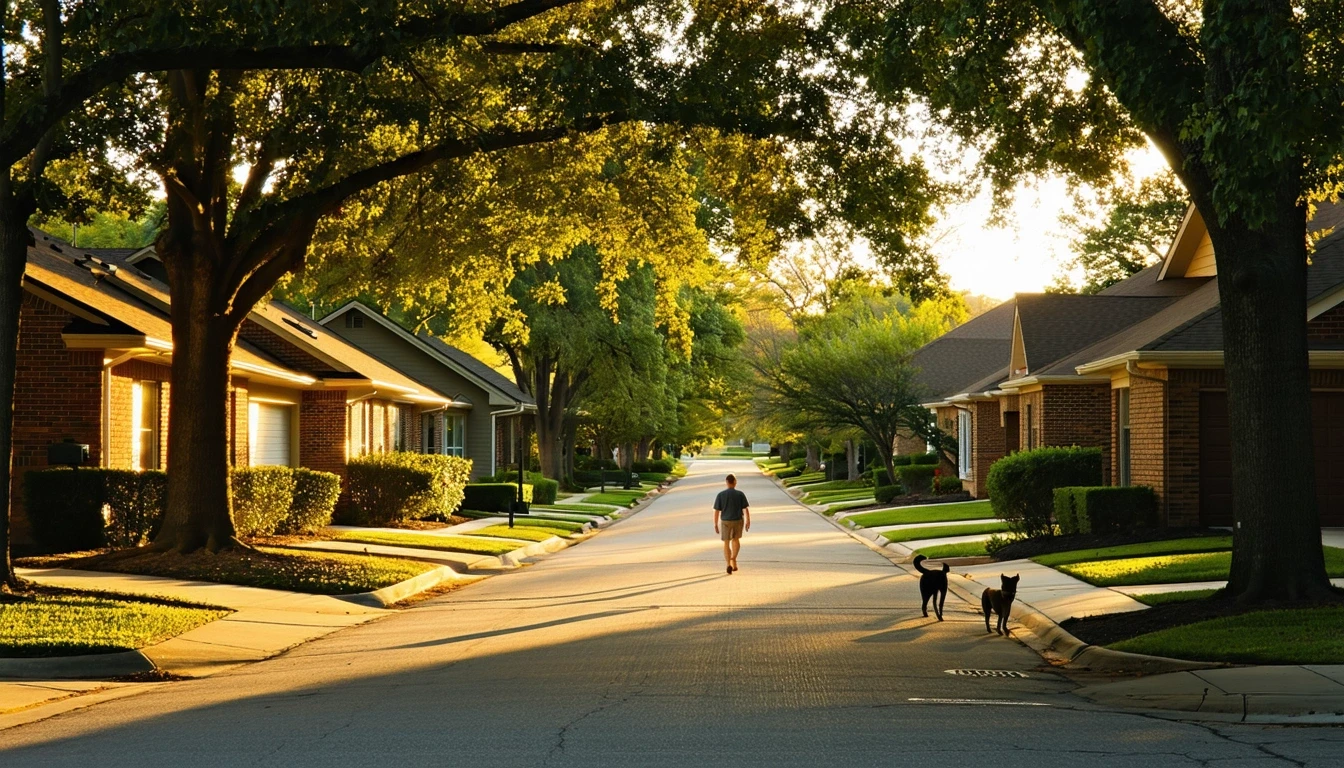
The Housing Market in Norman Today
Norman’s housing market operates on two overlapping timelines: the academic calendar and the slower rhythm of family settlement. The University of Oklahoma enrolls tens of thousands of students, creating persistent rental demand that peaks before fall semester and softens in summer. This cycle doesn’t just affect student housing—it compresses availability citywide, pushes lease timing into predictable windows, and creates competition that families and young professionals feel even in non-campus neighborhoods.
The result is a market where rental turnover is high, but ownership remains stable. Homes here don’t appreciate as aggressively as in coastal or Sun Belt metros, but they also don’t swing wildly. The lower median home value reflects both Oklahoma’s broader cost structure and Norman’s role as a college town rather than a primary employment hub. Most buyers here are settling for schools, university employment, or proximity to Oklahoma City’s job market—not speculating on rapid equity growth.
What newcomers often misunderstand is how the real cost pressures in Norman extend beyond rent or mortgage. The city’s infrastructure—particularly its sparse grocery density and car-oriented errands landscape—means that housing location determines not just commute time but daily planning burden. Walkable pockets exist, especially near campus where pedestrian-to-road ratios are high and rail service is present, but most of Norman requires a car for routine tasks. That car dependency doesn’t show up in housing price, but it shapes the total cost and convenience profile of living here.
Renting in Norman
Renting in Norman means navigating a market shaped by student demand, even if you’re not a student. Lease cycles align with the academic year, so availability peaks in late spring and early summer, then tightens as fall approaches. If you’re searching off-cycle—say, in January or March—you’ll find fewer options and less negotiating room. Landlords know the rhythm and price accordingly.
Median gross rent of $1,004 per month reflects a mix of older single-family homes, small apartment complexes, and purpose-built student housing. Location matters significantly: proximity to campus commands a premium, while neighborhoods farther south or east offer more space and lower rent but require longer drives for errands and work. The city’s sparse grocery infrastructure—grocery density falls below typical thresholds—means renters in outlying areas spend more time planning trips or consolidating errands, a friction that doesn’t appear in rent figures but affects daily convenience.
For students and short-term residents, renting offers the flexibility to align housing with academic or job timelines without ownership risk. For families, the tradeoff is harder: rental stock skews toward smaller units or older homes, and competing with student demand can mean fewer choices during peak months. Renters also face the reality that Norman’s walkable pockets, while present, don’t eliminate the need for a car. Even in denser areas near campus, daily errands often require driving due to the corridor-clustered pattern of food and grocery options.
Rental volatility in Norman isn’t extreme, but it’s persistent. Lease renewals tend to track enrollment trends and local wage growth rather than dramatic market swings. The unemployment rate of 2.9% signals a tight labor market, which supports rent stability but also limits downward pressure. Renters should expect modest, predictable increases rather than sudden spikes or relief.
Owning a Home in Norman
Ownership in Norman trades rental flexibility for cost predictability and insulation from the academic calendar’s churn. At a median home value of $224,900, entry costs are accessible compared to many U.S. markets, but the decision hinges on whether you’re prepared for the exposures that come with owning in a college town with car-dependent infrastructure.
Property taxes, while not specified in available data, represent a recurring cost that rises with assessed value and local levy decisions. Oklahoma’s tax structure and Norman’s municipal needs shape this exposure, but without a fixed rate, buyers should verify current millage rates and understand that reassessments can shift annual obligations even when home values appreciate modestly. Maintenance costs in Norman reflect the region’s climate—hot summers drive air conditioning wear, while occasional severe weather (storms, hail) can accelerate roof and exterior upkeep needs. These aren’t catastrophic, but they’re more frequent than in milder climates.
HOA presence varies by neighborhood. Newer subdivisions may include mandatory associations with fees covering landscaping, amenities, or exterior standards, while older areas typically lack them. The absence of HOA data in the feed means buyers must research specific neighborhoods, but the general pattern holds: newer development equals higher likelihood of fees and rules, older stock equals more autonomy and lower recurring costs.
Ownership in Norman also means committing to a car-dependent lifestyle for most households. While walkable pockets exist and rail service is present near campus, the city’s errands infrastructure—sparse grocery density, corridor-clustered food options—requires a vehicle for routine tasks. Families benefit from moderate park density and hospital presence, but school density falls below typical thresholds, meaning proximity to quality schools becomes a location-specific concern that affects both purchase decisions and long-term satisfaction.
The ownership experience here differs from renting primarily in control and exposure. Owners avoid lease-cycle competition and gain stability, but they absorb all maintenance risk, tax changes, and the opportunity cost of capital tied to a home in a market with modest appreciation. For households planning to stay five years or more, that tradeoff often makes sense. For those uncertain about timeline or career path, renting preserves flexibility without the exit friction of selling.
Apartment vs House in Norman — Cost Behavior Comparison
The table below isolates cost categories where apartments and houses behave meaningfully differently in Norman, based on local housing stock, climate, and infrastructure. Rows are included only where the distinction reflects Norman-specific conditions, not generic housing differences.
| Expense Category | Apartment | House |
|---|---|---|
| Cooling Exposure | Shared walls and smaller footprint reduce summer AC load; landlord may control system efficiency | Full envelope exposure to Oklahoma heat; owner controls efficiency upgrades but absorbs full seasonal cost at 12.25¢/kWh |
| Storm & Exterior Maintenance | Landlord responsible for roof, siding, and hail damage—common in Norman’s weather pattern | Owner absorbs all storm-related repair costs and exterior upkeep; frequency higher than milder climates |
| Errands & Grocery Access | Often located near campus or corridors with moderate food density; walkable pockets reduce car dependency for some trips | Typically in residential areas with sparse grocery density; requires car for nearly all errands and planning to consolidate trips |
| Lease Cycle Pressure | High turnover aligned with academic calendar; limited off-cycle availability and negotiating leverage | Rental houses face same cycle but with slightly more flexibility; ownership eliminates cycle entirely |
Methodology note: This comparison reflects Norman’s college-town rental cycle, hot-summer climate driving cooling costs, frequent storm activity requiring exterior maintenance, and sparse grocery infrastructure creating car dependency in residential areas. Categories omitted (e.g., heating, water, trash) either don’t vary meaningfully between unit types in Norman or lack local data to justify inclusion. The distinctions above are driven by the city’s infrastructure layout, weather exposure, and university-anchored demand patterns.
Utilities & Upkeep Differences
Utility and maintenance exposure in Norman diverges between apartments and houses primarily due to climate intensity and infrastructure age. Oklahoma’s extended cooling season—characterized by long stretches of heat that push air conditioning systems hard—means houses with full building envelope exposure face notably higher summer electricity costs than apartments with shared walls and smaller conditioned space. At 12.25¢/kWh, the rate itself is moderate, but the volume of usage during peak months becomes the dominant cost driver for single-family homes.
Natural gas, priced at $11.08/MCF, plays a smaller role in Norman’s utility profile than in colder climates. Heating needs are present but not extreme, so gas costs remain secondary to electricity for most households. Apartments often bundle or allocate gas differently than houses, but the seasonal exposure is less pronounced than cooling.
Maintenance differences stem from Norman’s weather patterns and housing stock age. Severe weather—hail, high winds, occasional ice—accelerates roof and exterior wear, an exposure that apartment renters avoid entirely but house owners must budget for. Older homes, common in Norman’s established neighborhoods, may also carry deferred maintenance or aging HVAC systems that increase both repair frequency and cooling inefficiency. Apartments, especially newer complexes, shift this burden to landlords, though rent may reflect those costs indirectly.
The car dependency created by Norman’s sparse grocery density doesn’t directly affect utilities, but it does add a maintenance layer: more driving means more fuel, tire wear, and vehicle upkeep. Families in houses, often located farther from errands corridors, feel this more acutely than apartment dwellers near campus or mixed-use areas where some trips remain walkable.
Rent vs Buy: Long-Term Exposure in Norman
The rent-versus-buy decision in Norman hinges less on monthly payment math and more on how each path handles volatility, control, and the structural realities of living in a college town with car-dependent infrastructure.
Renting preserves flexibility and shields you from maintenance risk, tax changes, and the capital lock-in of ownership. In a city where the academic calendar drives housing rhythm, renters can exit cleanly at lease end, avoid competing for buyers in a modest-appreciation market, and shift housing location as job or family needs evolve. The cost is ongoing exposure to lease-cycle pressure and rent increases that, while not extreme in Norman, remain persistent and outside your control. Over time, rent payments build no equity and offer no hedge against future housing cost growth.
Ownership in Norman stabilizes your largest recurring cost—once you’ve locked a mortgage, principal and interest don’t change—but it shifts risk onto you. Property taxes, insurance, and maintenance all remain variable, and in a climate with extended heat and periodic severe weather, those variables aren’t trivial. Owners also absorb the opportunity cost of capital tied to a home in a market where appreciation is steady but modest, meaning the wealth-building argument for buying is weaker here than in faster-growing metros.
What ownership does provide is insulation from Norman’s rental churn and the autonomy to optimize your living situation for the long term. You can upgrade HVAC efficiency to control cooling costs, choose a neighborhood based on school access or commute rather than lease availability, and avoid the annual uncertainty of renewal terms. For families planning to stay through a child’s school years, or professionals committed to university or Oklahoma City employment, that stability carries significant value even if the financial payoff is incremental.
The structural tradeoff is this: renting keeps you mobile and limits downside risk, but it leaves you perpetually subject to a market shaped by student demand and landlord pricing. Buying locks you into Norman’s infrastructure reality—car dependency, sparse grocery access, moderate park availability—but it gives you control over how you navigate that reality and removes the friction of competing for housing every lease cycle.
Neither path is universally better. The right choice depends on your timeline, risk tolerance, and whether Norman’s housing market aligns with your household’s daily logistics and long-term plans. If you’re uncertain about staying five years or more, renting avoids the exit cost and complexity of selling. If you’re committed and value predictability over flexibility, ownership offers a stability premium that’s harder to quantify but easier to live with.
FAQs About Housing Costs in Norman
Is it cheaper to rent or buy in Norman, OK?
At a median home value of $224,900 and median rent of $1,004 per month, buying can be cheaper on a monthly basis if you’re financing at favorable rates and planning to stay long enough to absorb closing costs and maintenance. But “cheaper” depends on timeline and risk tolerance—renting avoids ownership exposure (taxes, repairs, storm damage) and preserves flexibility in a college-town market where lease cycles and student demand shape availability. Ownership makes sense for households committed to staying five-plus years and willing to manage the car-dependent errands infrastructure and climate-driven upkeep costs.
How does the University of Oklahoma affect housing costs in Norman?
The university drives persistent rental demand, compresses lease availability into predictable windows (peak before fall semester), and creates competition that affects both students and non-student renters. This cycle stabilizes rental income for landlords but reduces flexibility and negotiating power for tenants. For buyers, the university’s presence supports long-term demand and employment stability, but it also means the housing market is less driven by speculative appreciation and more by steady, enrollment-linked fundamentals.
What are the biggest hidden costs of owning a home in Norman?
Climate-driven maintenance—air conditioning wear from extended heat, roof and exterior damage from hail and storms—creates recurring costs that are higher in Norman than in milder regions. Property taxes and insurance also remain variable, and the car dependency required by sparse grocery infrastructure adds fuel and vehicle upkeep that doesn’t appear in housing expense but affects total cost of living. Buyers should budget for these exposures beyond the mortgage payment.
Does Norman have neighborhoods where you don’t need a car?
Walkable pockets exist, particularly near campus where pedestrian infrastructure is denser and rail service is present. However, the city’s sparse grocery density and corridor-clustered food options mean even in these areas, a car remains necessary for routine errands. Norman’s infrastructure is fundamentally car-dependent for most households, regardless of neighborhood. Families and long-term residents should plan for vehicle ownership as a baseline cost.
How do housing costs in Norman compare to Oklahoma City?
Norman’s median home value of $224,900 and rent of $1,004 per month are generally lower than Oklahoma City’s urban core but comparable to OKC’s suburban areas. The key difference isn’t price—it’s structure. Norman’s costs are shaped by university demand, academic-year lease cycles, and a smaller, more car-dependent errands landscape. Oklahoma City offers more neighborhood variety, denser commercial corridors, and less seasonal rental pressure, but at the cost of longer commutes for those working or studying in Norman.
Making Housing Choices in Norman
Housing costs in Norman reflect a market where college-town dynamics, modest home values, and car-dependent infrastructure create distinct tradeoffs for renters and owners. The median home value of $224,900 and median rent of $1,004 per month offer numerical accessibility, but the real decision hinges on how well you can navigate the structural realities: lease-cycle competition, sparse grocery access, extended cooling seasons, and the stability premium that ownership provides in a market with steady but modest appreciation.
Renters gain flexibility and avoid maintenance risk, but they remain subject to a housing rhythm shaped by the University of Oklahoma’s enrollment calendar and limited infrastructure for walkable errands. Owners absorb upfront costs and ongoing exposure to taxes, repairs, and climate-driven upkeep, but they gain control, predictability, and insulation from rental churn. Families planning to stay long-term benefit from ownership’s stability and access to Norman’s moderate park density and hospital presence, while students and short-term residents are better served by renting’s exit flexibility.
The choice isn’t about which path costs less—it’s about which cost structure aligns with your timeline, household needs, and tolerance for the planning burden that comes with living in a city where a car is essential and daily logistics require intentionality. For those considering pods vs trucks: which move is best for you?, understanding Norman’s housing landscape before arrival helps you choose not just a unit, but a location and ownership model that fits how you’ll actually live here.
How this article was built: In addition to public economic data, this article incorporates location-based experiential signals derived from anonymized geographic patterns—such as access density, walkability, and land-use mix—to reflect how day-to-day living actually feels in Norman, OK.