
It’s 6:45 a.m. on a Tuesday in Norco, and Sarah is already at the corner of Sixth Street, transit card in hand, waiting for the regional shuttle that connects her to her job in Riverside. The bus is on time today—she’s learned to budget an extra fifteen minutes just in case—and as she steps aboard, she’s one of three passengers making the early route. By the time she transfers downtown, she’ll have spent nearly an hour in motion, but she’s avoided the stress of freeway merges and the expense of parking. For Sarah, public transit in Norco works, but only because her schedule is flexible, her destination aligns with the route, and she lives near one of the few corridors where service runs reliably. For most of her neighbors, the calculus is different.
Norco sits in California’s Inland Empire, a region shaped by low-density residential development, wide lots, and a street grid built around cars. The city’s nickname—”Horsetown USA”—hints at its rural character, even as it functions as a suburban bedroom community for workers commuting to Riverside, Corona, and beyond. Understanding transportation options in Norco means recognizing that the infrastructure here was designed for driving first, with transit layered in later as a supplemental option rather than a structural backbone. That doesn’t mean transit is absent, but it does mean that for the vast majority of households, getting around without a car requires either significant compromise or a very specific set of circumstances.
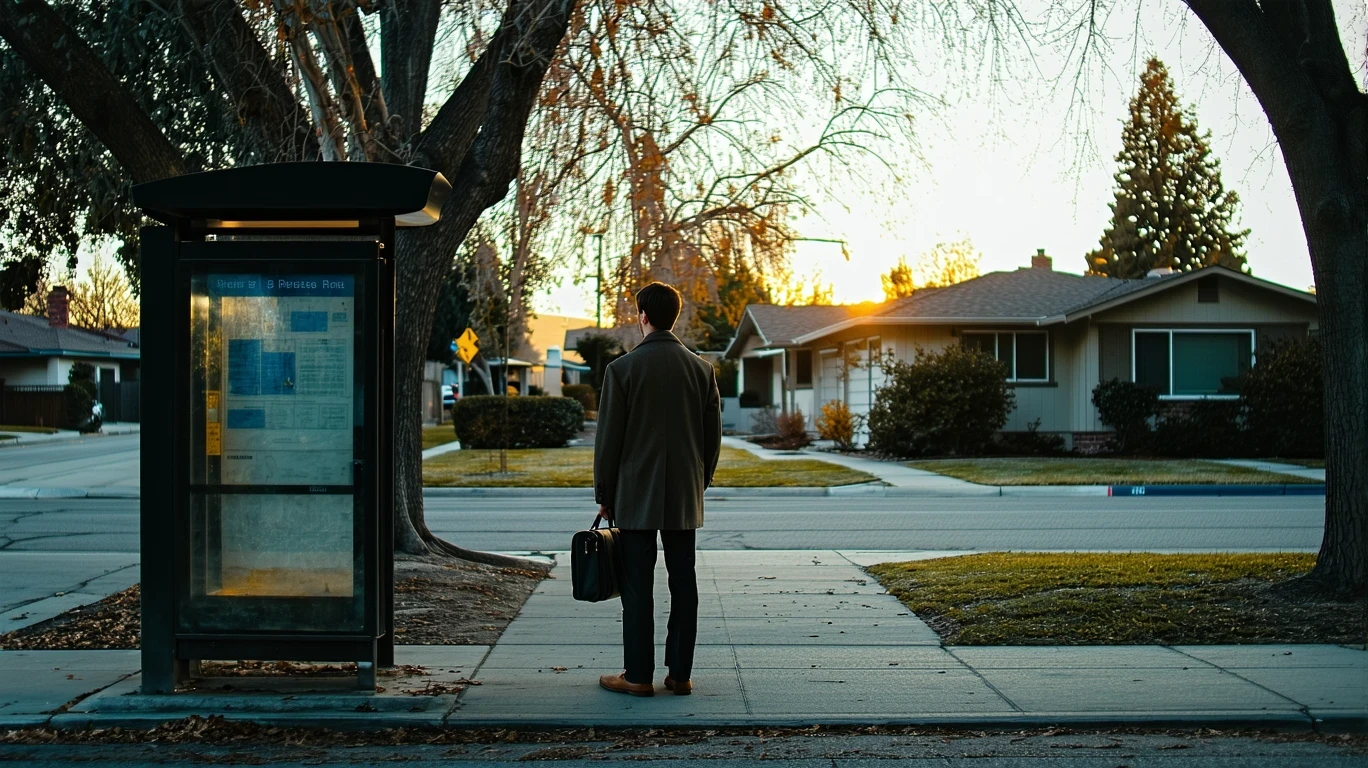
How People Get Around Norco
Norco’s layout tells you most of what you need to know about how people move through the city. The urban form is low-rise and spread out, with residential neighborhoods extending across a wide area and commercial activity clustered along a few main corridors. While some parts of the city show higher pedestrian infrastructure relative to road networks—suggesting that walking is possible in pockets—the overall structure is car-oriented. Errands accessibility is sparse, meaning that even if you can walk comfortably in your immediate neighborhood, the grocery store, pharmacy, or doctor’s office is likely far enough away that driving becomes the default.
This isn’t a city where you can easily string together daily tasks on foot or by bike. Cycling infrastructure exists in some areas, but it’s limited, and the bike-to-road ratio sits in a middle band that suggests occasional recreational use rather than a practical commuting network. For most residents, the car is the primary tool for managing daily life—not because transit doesn’t exist, but because the city’s land use and density make car-free living logistically difficult for all but a small subset of households.
Public Transit Availability in Norco
Public transit in Norco is present, but it plays a supporting role rather than a leading one. The city is served by regional bus routes that connect residents to nearby employment centers, shopping districts, and transit hubs in Riverside and Corona. These routes tend to work best for people who live near the corridors where service runs and whose destinations align with the fixed schedules and limited stop patterns typical of suburban bus systems.
Transit coverage is not citywide. If you live in one of the more peripheral neighborhoods—away from the main arterials where buses run—your access to public transportation drops significantly. There’s no rail service in Norco itself, so any connection to regional rail systems requires a bus transfer or a drive to a nearby station. For someone whose daily routine involves multiple stops, off-peak travel, or destinations not served by existing routes, transit quickly becomes impractical.
That said, for riders whose lives fit the structure of the system—predictable schedules, single-destination commutes, proximity to stops—bus service can be a viable option. It’s not a question of whether transit exists, but whether it matches the specific logistics of your household.
Driving & Car Dependence Reality
In Norco, driving isn’t just convenient—it’s structurally necessary for most households. The city’s low-rise, spread-out form means that daily errands, school drop-offs, medical appointments, and social activities are rarely within walking distance. Parking is abundant and free in most areas, which removes one of the friction points that might otherwise encourage transit use in denser cities. The trade-off is that households absorb the full cost and responsibility of car ownership: fuel, insurance, maintenance, registration, and the time spent behind the wheel.
Gas prices in the area run higher than the national average, and while that doesn’t translate directly into a monthly transportation budget here, it does mean that households driving long distances or making frequent trips feel the impact more acutely. The flexibility that comes with driving—being able to leave when you want, take the route you prefer, and handle multiple stops in one trip—is hard to replicate with transit in a city like Norco, and that’s why car dependence remains the norm.
For families, the calculus is even more tilted toward driving. Coordinating school schedules, extracurriculars, grocery runs, and work commutes on a fixed bus schedule is functionally impossible for most households. The car becomes the tool that makes daily logistics manageable, even if it comes with ongoing costs.
Commuting Patterns & Daily Mobility
Norco functions as a bedroom community, meaning that many residents commute outbound to jobs in Riverside, Corona, Ontario, and other parts of the Inland Empire. The structure of these commutes varies widely depending on where you work and what time you need to be there. Some residents make a single, predictable trip each day; others juggle multiple stops, irregular hours, or job sites that change week to week.
For those with straightforward, peak-hour commutes to major employment centers, transit can sometimes work—especially if the destination is near a bus route or regional transit hub. But for anyone whose schedule doesn’t align with fixed service hours, or whose job requires flexibility and mobility throughout the day, driving is the only practical option. The city’s land use and errands accessibility mean that even non-commute travel—running errands, picking up kids, attending appointments—requires a car for most households.
The absence of detailed commute data for Norco doesn’t change the underlying reality: this is a city where daily mobility is structured around personal vehicles, and where transit serves as a supplement for a small share of trips rather than a primary mode for most residents.
Who Transit Works For — and Who It Doesn’t
Transit in Norco works best for individuals who live near bus corridors, have flexible schedules, and commute to destinations that are well-served by existing routes. This might include single workers commuting to Riverside for office jobs, students traveling to nearby colleges, or retirees making occasional trips to medical appointments or shopping districts along major arterials.
Transit does not work well for families managing complex household logistics, for workers with irregular hours or multiple job sites, or for anyone living in the more peripheral parts of the city where bus service is infrequent or absent. It also struggles to serve households that rely on being able to make multiple stops in a single trip—picking up groceries, dropping off dry cleaning, stopping at the pharmacy—all tasks that are difficult to coordinate on a fixed-route bus schedule in a low-density environment.
Renters living near transit corridors may find bus service more practical than homeowners in outlying neighborhoods, but even then, the sparse accessibility of daily errands means that car-free living requires significant planning and compromise. For most households, transit is a backup option or a cost-saving measure for specific trips, not a replacement for car ownership.
Transportation Tradeoffs in Norco
Choosing between transit and driving in Norco is less about comparing costs and more about comparing control, predictability, and flexibility. Driving offers the ability to leave on your own schedule, take the most direct route, and handle complex, multi-stop trips without coordination headaches. It also means absorbing the full responsibility for fuel, maintenance, insurance, and parking—though in Norco, parking is rarely a constraint.
Transit offers lower direct costs for individual trips and removes the burden of vehicle ownership, but it comes with significant tradeoffs in time, coverage, and flexibility. Routes are limited, schedules are fixed, and the city’s land use means that even if you can get to your primary destination by bus, you may still need a car for errands, family obligations, or off-peak travel.
For households trying to decide whether transit is viable, the question isn’t whether it’s possible in theory—it’s whether the specific structure of your daily life aligns with the specific structure of the transit system. In Norco, that alignment exists for a small subset of residents, but not for the majority.
FAQs About Transportation in Norco (2026)
Is public transit usable for daily commuting in Norco?
Public transit can work for daily commuting in Norco if you live near a bus corridor, commute to a destination served by existing routes, and have a schedule that aligns with fixed service hours. For most households, however, the limited coverage and sparse errands accessibility make driving the more practical option for managing daily logistics.
Do most people in Norco rely on a car?
Yes. Norco’s low-density, spread-out layout and sparse accessibility of daily errands mean that the vast majority of households depend on personal vehicles for commuting, errands, and family logistics. Transit exists as a supplemental option, but it doesn’t replace the need for a car for most residents.
Which areas of Norco are easiest to live in without a car?
Areas near major bus corridors and closer to commercial clusters along main arterials offer the best chance of reducing car dependence, but even in those areas, car-free living requires significant compromise. The city’s land use and errands structure make it difficult to manage daily life without a vehicle, regardless of neighborhood.
How does commuting in Norco compare to nearby cities?
Norco functions as a bedroom community with many residents commuting outbound to Riverside, Corona, and other Inland Empire employment centers. Compared to denser cities with more robust transit networks, Norco offers less coverage and fewer alternatives to driving, but it also provides abundant parking and less congestion within city limits.
Can you bike for transportation in Norco?
Cycling infrastructure exists in some parts of Norco, but it’s limited and primarily suited for recreational use rather than practical commuting. The city’s spread-out form and sparse errands accessibility mean that biking for daily transportation requires careful route planning and is not practical for most households managing complex logistics.
How Transportation Fits Into the Cost of Living in Norco
Transportation in Norco isn’t just a line item—it’s a structural factor that shapes where you can live, how you manage your time, and what kind of flexibility you have in your daily routine. The city’s car-oriented layout means that for most households, vehicle ownership is a prerequisite for managing work, errands, and family life, and that ongoing cost becomes part of the baseline expense of living here.
For a clearer picture of how transportation costs interact with housing, utilities, and other expenses, see A Month of Expenses in Norco: What It Feels Like, which walks through the full structure of household spending in the city. Understanding how mobility works in Norco—and what it requires—helps clarify whether the city’s layout and infrastructure align with your household’s needs and priorities.
Transit exists here, and for a small share of residents, it works. But for most households, getting around Norco means driving, and that reality shapes both the cost and the rhythm of daily life.
How this article was built: In addition to public economic data, this article incorporates location-based experiential signals derived from anonymized geographic patterns—such as access density, walkability, and land-use mix—to reflect how day-to-day living actually feels in Norco, CA.