
“We moved to Norco for the schools, but stayed for the neighbors.”
That sentiment captures a lot about what draws people to Norco—and what keeps them here even when the tradeoffs start to show. This small city in Riverside County carries a distinct identity: it’s known as “Horsetown USA,” a place where equestrian trails weave through residential streets and the pace of life feels deliberately slower than the rest of the Inland Empire. But beneath that rural charm lies a tension familiar to many suburban communities: the gap between the lifestyle people imagine and the logistics they actually navigate day to day.
Norco tends to work beautifully for families who prioritize space, outdoor access, and a tight-knit community feel. It frustrates those who expect walkable errands, nearby healthcare, or the kind of spontaneous convenience that comes with denser neighborhoods. Understanding whether Norco feels like a good fit means understanding that tradeoff—and whether you’re willing to plan around it.
What Defines the Norco Vibe
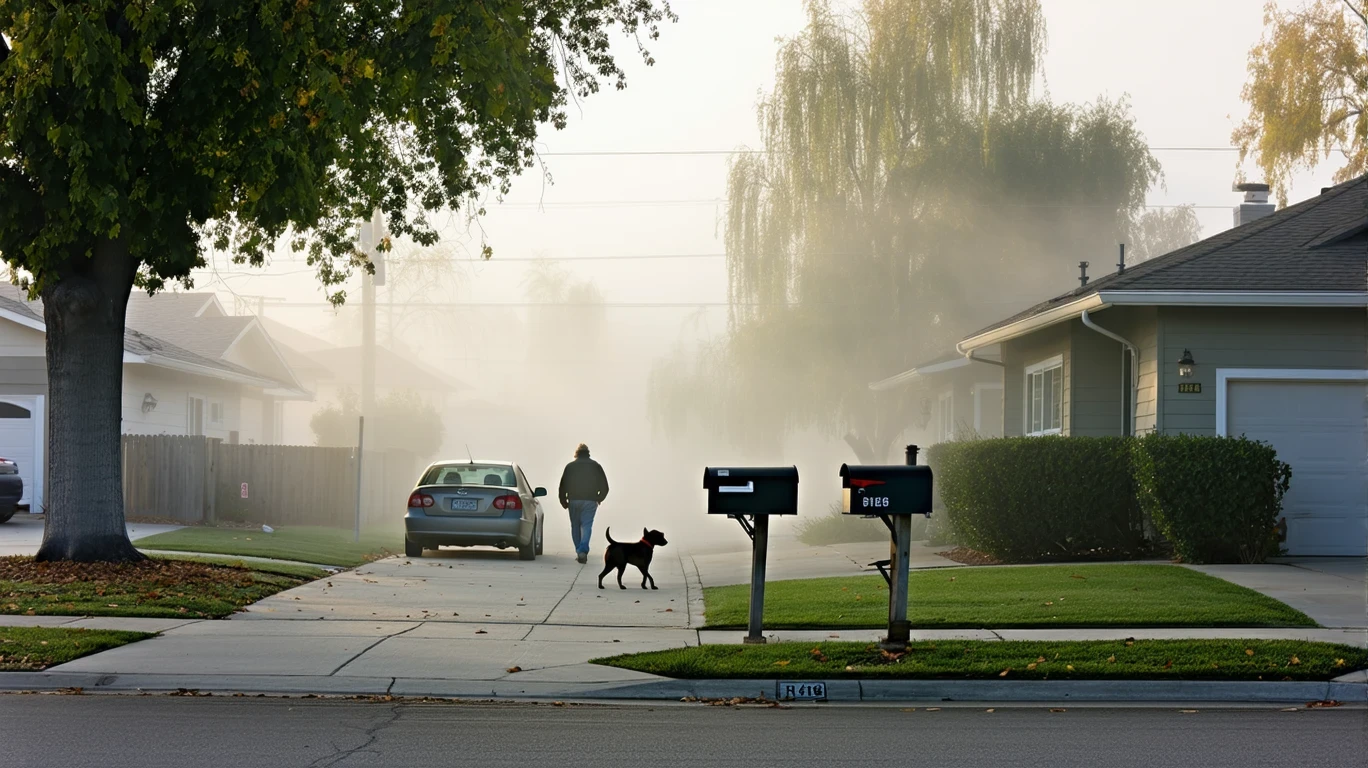
Norco’s emotional tone is shaped by its commitment to a specific vision: low-density living, agricultural zoning, and a community culture built around horses, open space, and neighborly familiarity. People who thrive here tend to describe it as peaceful, grounded, and refreshingly different from the strip-mall sprawl of nearby cities. There’s pride in the trails, the animal-friendly ordinances, and the fact that you can still see stars at night.
But that same character creates friction for households who need more than beauty and space. Grocery runs require planning. Medical appointments often mean driving to neighboring cities. The walkable pockets that do exist—mostly around older residential cores—don’t connect to much in the way of daily services. For renters paying $1,884 per month or buyers navigating a median home value of $683,200, the question becomes whether the lifestyle payoff justifies the accessibility compromise.
People who feel at home in Norco tend to be those who wanted exactly this: room to breathe, a slower pace, and a community that still feels like a small town. Those who feel restless are often the ones who underestimated how much day-to-day logistics would require a car, a plan, and a tolerance for distance.
Social Media Buzz in Norco
Online discussion about Norco tends to circle around a few recurring themes: pride in the city’s unique character, frustration with limited services, and protective instincts when outsiders suggest the city should “modernize.” On platforms like Facebook and local community groups, you’ll find residents celebrating trail rides, sharing photos of sunsets over open fields, and organizing neighborhood events that feel genuinely communal.
But you’ll also find threads about the hassle of driving to Corona or Riverside for basic errands, debates about whether the city should allow more commercial development, and occasional complaints about the lack of dining or entertainment options. The tone is rarely angry—more often it’s resigned, affectionate, or matter-of-fact.
“It’s not for everyone, and that’s kind of the point,” one commenter wrote. “If you need a Target on every corner, this isn’t your place.”
“I love the space and the quiet, but I do miss being able to walk to a coffee shop,” another noted. “Everything here is a drive.”
“People move here for the lifestyle, then complain about the tradeoffs. You can’t have both,” a long-time resident observed.
The emotional undercurrent is protective. Norco residents tend to feel that the city’s identity is fragile—that too much growth or convenience would erode what makes it special. That protectiveness can feel welcoming if you share the vision, or exclusionary if you’re hoping for change.
Local News Tone
Coverage of Norco in regional outlets and hyperlocal blogs tends to frame the city through a few recurring lenses: its equestrian heritage, its resistance to high-density development, and the ongoing conversation about what growth should look like in a place that defines itself by what it isn’t.
Simulated headline-style themes that capture the tone of local discussion include:
- “Community Debates What Growth Should Look Like”
- “Residents Weigh Convenience vs Quiet”
- “Equestrian Trails Remain Central to City Identity”
- “New Families Arrive as Housing Costs Rise Across Inland Empire”
- “Small-Town Feel Tested by Regional Pressures”
The framing is rarely crisis-oriented. Instead, it reflects a city in slow negotiation with itself: how to preserve character while accommodating the reality that people are moving in, housing is expensive, and services remain limited. The tone is cautious, community-focused, and occasionally nostalgic.
Review-Based Public Perception
On platforms like Google Reviews, Yelp, and Nextdoor-style forums, Norco’s public perception splits along predictable lines. People who wanted space, trails, and a family-friendly environment tend to praise the city warmly. Those who expected urban-style convenience or walkable errands often express disappointment.
Positive reviews emphasize the parks, the sense of safety, the neighborly culture, and the appeal of raising kids in a place where outdoor play is still central. Parents appreciate the schools and the fact that children can ride bikes or walk to friends’ houses in certain pockets. Outdoor enthusiasts love the trail access and the integration of green space throughout the city.
Critical reviews focus on the lack of nearby grocery stores, the need to drive for almost everything, and the limited dining or nightlife options. Renters, in particular, sometimes express frustration that the cost of living doesn’t align with the level of accessibility or amenities. A few reviews note that the city feels isolated, especially for people who work in Los Angeles or Orange County and face long commutes.
Neighborhood variation exists, though it’s often described in broad terms: newer planned areas tend to feel more polished and family-oriented, while older pockets have more character and slightly better walkability within their own blocks. But even in the most walkable sections, you’re still driving for groceries, healthcare, and most services.
Comparison to Nearby Cities
| Aspect | Norco | Corona | Riverside |
|---|---|---|---|
| Overall Vibe | Quiet, rural-suburban, equestrian-focused | Suburban, family-oriented, more commercial | Urban-suburban mix, more diverse, denser |
| Walkability | Pockets exist, but errands require driving | Limited; car-dependent for most needs | Better in downtown core, mixed elsewhere |
| Dining & Nightlife | Very limited; mostly chains nearby | Moderate suburban options | Stronger variety, more local spots |
| Outdoor Access | Excellent; trails and parks integrated | Good; parks available but less character | Solid; more urban parks, some trails |
| Community Feel | Tight-knit, protective, small-town | Suburban-friendly, less distinct identity | More transient, diverse, less cohesive |
Norco, Corona, and Riverside each serve different needs. Norco works for people who want space, trails, and a slower pace—and who are willing to drive for convenience. Corona offers more suburban infrastructure and commercial options, but less character and outdoor integration. Riverside provides more urban texture, dining variety, and walkable pockets, but at the cost of density and noise.
If you value quiet and outdoor lifestyle above all else, Norco is hard to beat. If you need nearby services or prefer not to plan every errand around a car, Corona or Riverside might feel less restrictive. The choice isn’t about which city is “better”—it’s about which set of tradeoffs you’re equipped to handle.
What Locals Are Saying
“We love the trails and the space. Our kids can ride bikes to their friends’ houses, and we see neighbors out walking horses in the evening. It’s exactly what we wanted when we left Orange County.”
“The lack of grocery stores is a real pain. I have to drive to Corona for almost everything, and it adds up in time and gas. I wish there were more options closer to home.”
“Norco feels like a throwback in the best way. People know each other. There’s no rush. But if you’re young and want things to do, you’ll probably feel bored pretty quickly.”
“I work remotely, so the isolation doesn’t bother me. I actually prefer it. But my partner commutes to Irvine, and that’s rough. The drive wears on you.”
“It’s a great place to raise a family if you’re okay with driving everywhere. The schools are solid, the parks are beautiful, and it feels safe. Just don’t expect walkable errands or a vibrant downtown.”
“I moved here for the horses and the community. I knew what I was signing up for. But I do think people underestimate how much you need a car for literally everything.”
“The vibe is protective, almost defensive. People here really don’t want Norco to change, and I get it. But sometimes it feels like the city is stuck in the past when it comes to services and accessibility.”
Does Norco Feel Like a Good Fit?
Norco’s emotional profile is consistent: it rewards people who wanted exactly this kind of place and frustrates those who hoped for more flexibility. If you’re drawn to open space, equestrian culture, and a tight-knit community where neighbors still wave and kids play outside, Norco delivers. If you need walkable errands, nearby healthcare, or the spontaneous convenience of urban-style living, you’ll feel the friction quickly.
The city works best for families with cars, flexible schedules, and a genuine preference for low-density living. It tends to frustrate renters paying high costs without corresponding accessibility, commuters facing long drives, and people who underestimated how much planning daily life would require.
Norco isn’t trying to be everything to everyone. It’s a place with a clear identity and a community that protects it. Whether that feels like home or like compromise depends entirely on what you value most—and what you’re willing to drive for.
If you’re still weighing whether Norco aligns with your needs, consider exploring what a month of expenses feels like or how housing pressure shapes daily decisions. Understanding the full picture—costs, logistics, and lifestyle tradeoffs—helps clarify whether the vibe you’re imagining matches the reality you’ll navigate.
How this article was built: In addition to public economic data, this article incorporates location-based experiential signals derived from anonymized geographic patterns—such as access density, walkability, and land-use mix—to reflect how day-to-day living actually feels in Norco, CA.
The perspectives shown reflect commonly expressed local sentiment and recurring themes in public discussion, rather than individual accounts.