
Most people assume utility bills in Noblesville are predictable and modest—just another fixed expense like rent or a car payment. The truth is more nuanced: utilities in Noblesville are among the most variable monthly costs a household faces, driven by seasonal extremes, home efficiency, and usage patterns that shift dramatically between summer cooling and winter heating months.
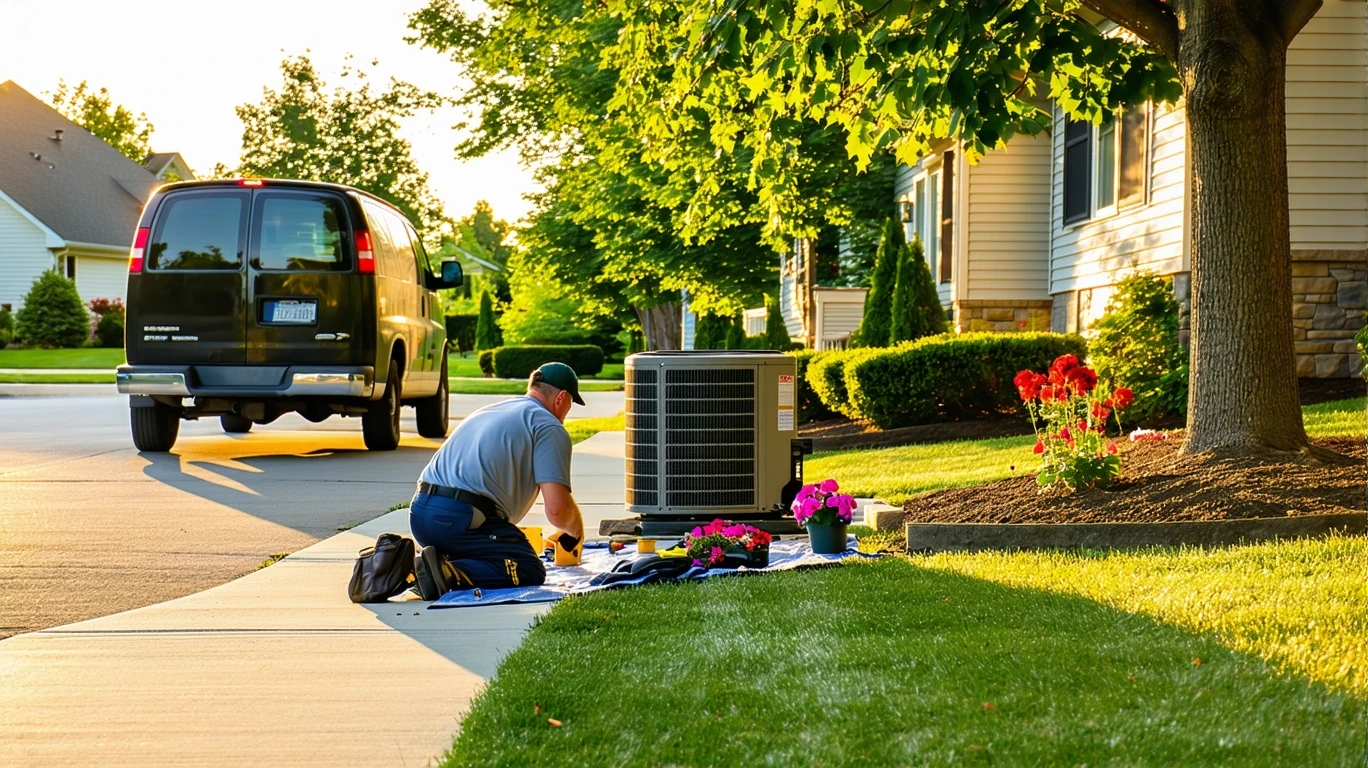
Understanding Utilities in Noblesville
When planning a household budget in Noblesville, utilities often rank as the second-largest recurring expense after housing. Unlike rent or a mortgage, which stay constant month to month, utility costs fluctuate based on weather, occupancy, and how efficiently a home uses energy and water. For families moving to Noblesville or renters comparing apartments to single-family homes, understanding this variability is essential to avoiding budget surprises.
Core utilities typically include electricity, water, natural gas, trash collection, and recycling. In Noblesville, as in much of Indiana, these services are billed separately for most single-family homes, though apartment complexes and some homeowners associations may bundle water, trash, or recycling into rent or HOA fees. The structure of these bills—whether usage-based, tiered, or flat-rate—shapes how much control households have over monthly totals.
For newcomers, the distinction between apartment and single-family utility exposure is significant. Apartment dwellers often benefit from smaller square footage, shared walls that reduce heating and cooling loads, and landlords who cover water or trash. Single-family homeowners, by contrast, face full exposure to seasonal swings, larger spaces to heat and cool, and separate billing for every service. In Noblesville’s mixed suburban landscape—where building types range from low-rise apartments to detached homes—this difference can mean hundreds of dollars in seasonal variation.
Utilities at a Glance in Noblesville
The table below shows how core utility costs typically behave for a mid-size household in a single-family home in Noblesville. Where city-level prices are available in the data feed, they are shown directly. When exact figures are not provided, categories are described qualitatively to reflect how costs are structured and what drives variability.
| Utility | Cost Structure |
|---|---|
| Electricity | 15.91¢/kWh; usage-sensitive, seasonal exposure |
| Water | Tiered pricing; usage-dependent |
| Natural Gas | $10.25/MCF; winter-driven, heating-dependent |
| Trash & Recycling | Often bundled with water or HOA; varies by provider |
| Total | Seasonal variability driven by electricity and heating |
This table reflects utility cost structure for a mid-size household in a single-family home in Noblesville during 2026. Where exact figures are not provided in the IndexYard data feed, categories are described directionally to reflect how costs behave rather than a receipt-accurate total.
Electricity is typically the most exposure-sensitive utility in Noblesville, driven more by climate and home efficiency than by base rates. At 15.91¢ per kilowatt-hour, the rate itself sits near the national average, but usage swings dramatically between seasons. Homes with central air conditioning, older insulation, or south-facing windows can see summer bills climb steeply during extended heat and humidity, while milder spring and fall months bring relief. The key driver is not the rate—it’s how many kilowatt-hours a household pulls during peak cooling months.
Water costs in Noblesville are structured on tiered pricing, meaning the more a household uses, the higher the per-unit rate climbs. This design penalizes heavy irrigation, large families, or inefficient fixtures. While exact pricing varies by provider and neighborhood, water bills tend to be more stable than electricity or gas, with the largest swings occurring in summer when outdoor watering increases. Apartments and condos often see water bundled into rent or HOA fees, insulating renters from direct usage volatility.
Natural gas becomes the dominant cost driver in winter, when furnaces run for extended periods during cold snaps and overnight lows. Priced at $10.25 per thousand cubic feet (MCF), natural gas in Noblesville follows seasonal demand curves: minimal usage in summer, moderate in spring and fall, and sharply elevated from December through February. Homes relying on electric heat avoid this bill entirely but face higher electricity costs instead. The tradeoff between gas and electric heating is one of the most consequential decisions for long-term utility exposure.
Trash and recycling services in Noblesville are often bundled with water bills or covered by homeowners association fees, making them less visible as a standalone cost. When billed separately, trash collection typically runs as a flat monthly fee rather than usage-based pricing. Recycling may be included or offered as an optional add-on, depending on the provider. For renters, these services are almost always included in the lease, while single-family homeowners should confirm whether their neighborhood has municipal collection or requires a private hauler contract.
How Weather Impacts Utilities in Noblesville
Noblesville’s Midwest location subjects households to both extended cooling seasons and long heating winters, creating a double exposure that many Sun Belt or temperate coastal cities avoid. Summer heat and humidity drive air conditioning systems to run for hours each day, often from late May through early September. Unlike dry climates where evaporative cooling or nighttime temperature drops provide relief, Noblesville’s humid summers keep indoor comfort dependent on mechanical cooling, pushing electricity usage—and bills—well above spring baselines.
Winter brings the opposite pressure: cold snaps, freezing nights, and snow-covered ground mean furnaces cycle frequently to maintain indoor warmth. Natural gas furnaces dominate in Noblesville’s single-family housing stock, so December through February bills reflect sustained heating demand. Homes with older windows, minimal attic insulation, or drafty basements see the steepest increases, as heat loss forces systems to work harder. For households relying on electric baseboards or heat pumps, winter electricity bills replace gas charges but often climb even higher due to the inefficiency of resistive heating.
The shoulder seasons—spring and fall—offer a reprieve. Many Noblesville households experience noticeably lower utility bills during April, May, October, and November, when neither heating nor cooling dominates. This seasonal rhythm is predictable but not uniform: an unusually hot September or a late-winter cold snap can extend peak-cost months, making year-to-year budgeting more art than science. Understanding this volatility helps households set aside reserves during low-cost months to cover the inevitable summer and winter spikes.
How to Save on Utilities in Noblesville
Reducing utility costs in Noblesville starts with controlling the two largest drivers: electricity for cooling and natural gas for heating. Because these expenses are usage-sensitive rather than fixed, even modest behavioral changes or efficiency upgrades can lower exposure. The goal is not to eliminate comfort but to reduce waste—sealing air leaks, upgrading insulation, and using programmable thermostats to avoid heating or cooling an empty home during work hours.
Many utility providers in Indiana offer programs designed to help customers manage costs. Time-of-use billing, for example, rewards households that shift electricity usage away from peak afternoon hours, when grid demand and rates are highest. Budget billing plans smooth out seasonal swings by averaging annual costs into equal monthly payments, making it easier to plan without sacrificing total spending. Some providers also offer rebates for energy-efficient appliances, smart thermostats, or HVAC tune-ups, reducing both upfront costs and long-term usage.
Practical strategies that work well in Noblesville’s climate and housing stock include:
- Installing a programmable or smart thermostat to reduce heating and cooling when the home is unoccupied
- Sealing windows, doors, and attic hatches to prevent conditioned air from escaping
- Planting shade trees on south- and west-facing sides of the home to block summer sun
- Upgrading to LED lighting and Energy Star–rated appliances to lower baseline electricity draw
- Scheduling an HVAC tune-up before peak summer and winter months to ensure efficient operation
- Checking for utility rebates on high-efficiency furnaces, air conditioners, or water heaters
- Reducing water waste with low-flow showerheads and fixing leaks promptly to avoid tiered pricing penalties
🏆 Tip: Check if your provider in Noblesville offers rebates for energy-efficient AC units or heating systems—many Indiana utilities provide incentives that cover a portion of upgrade costs, shortening payback periods and lowering long-term exposure.
FAQs About Utility Costs in Noblesville
Why are utility bills so high in Noblesville during summer and winter?
Noblesville’s climate creates dual exposure: hot, humid summers demand sustained air conditioning, while cold winters require extended heating. Both seasons push usage well above spring and fall baselines, and because electricity and natural gas are billed by usage, costs rise accordingly.
What is the average monthly electric bill for an apartment in Noblesville compared to a single-family home?
Apartments typically see lower electricity bills due to smaller square footage, shared walls that reduce heating and cooling loads, and less exposure to outdoor temperature extremes. Single-family homes, by contrast, face higher seasonal swings and larger spaces to condition, often resulting in bills that are 50% to 100% higher during peak months.
Do HOAs in Noblesville usually include trash or water in their fees?
Many homeowners associations in Noblesville bundle trash collection and sometimes water or sewer service into monthly HOA fees, particularly in townhome or condo communities. Single-family neighborhoods with HOAs may still bill these separately, so it’s important to confirm what’s covered before budgeting.
How does seasonal weather affect monthly utility bills in Noblesville?
Seasonal weather is the primary driver of utility volatility in Noblesville. Summer heat and humidity push electricity usage higher for cooling, while winter cold increases natural gas consumption for heating. Spring and fall offer relief, with many households seeing bills drop by a third or more during these milder months.
Does Noblesville offer incentives for solar panels or energy-efficient appliances?
Indiana utilities and state programs periodically offer rebates and tax incentives for solar installations, high-efficiency HVAC systems, and Energy Star appliances. Availability and amounts vary by provider and year, so checking with your local utility or the Indiana Office of Energy Development is the best way to confirm current programs.
How Utilities Fit Into the Cost Structure in Noblesville
Utilities represent one of the most volatile components of household spending in Noblesville, second only to housing in both scale and unpredictability. Unlike rent or mortgage payments, which remain fixed, utility bills respond directly to weather, occupancy patterns, and home efficiency. This variability makes them a key planning challenge for families managing tight budgets or trying to forecast annual expenses.
In Noblesville’s suburban landscape, where car-dependent errands and sparse daily accessibility mean households spend more time at home, utility exposure is amplified. Longer commutes and less walkable neighborhoods translate to more hours of heating, cooling, and electricity usage, as homes remain occupied throughout the day rather than sitting idle. This structural reality—rooted in how the city is built and how people move through it—shapes utility costs in ways that go beyond simple rate comparisons.
For a complete picture of how utilities interact with housing, transportation, and other recurring expenses, explore IndexYard’s detailed monthly budget breakdown for Noblesville. Understanding where utility costs fit within the broader cost structure helps households prioritize efficiency upgrades, plan for seasonal swings, and make informed tradeoffs between upfront investments and long-term savings.
How this article was built: In addition to public economic data, this article incorporates location-based experiential signals derived from anonymized geographic patterns—such as access density, walkability, and land-use mix—to reflect how day-to-day living actually feels in Noblesville, IN.