
What does it actually feel like to live in Newington, CT? For many residents, the answer depends less on what the town offers and more on what they need from it. Newington sits in a comfortable middle ground—close enough to Hartford for work, green enough for weekend trails, and suburban enough to feel predictable. But that predictability cuts both ways. People who wanted a quiet, park-rich suburb with decent access to errands tend to feel satisfied. People who hoped for walkable spontaneity, vibrant nightlife, or car-free convenience often feel the friction of a place built around driving, even when sidewalks exist.
According to local sentiment, 74 out of 100 residents say they’re happy in Newington. That number reflects a town that works well for specific household types—families who value green space, commuters who prioritize affordability over urban texture, and long-time residents who appreciate stability. But it also reflects the tradeoffs: limited transit options, corridor-clustered errands that require planning, and a healthcare landscape that handles routine needs but lacks a nearby hospital. Newington doesn’t try to be everything. The question is whether what it does offer aligns with what you actually need.
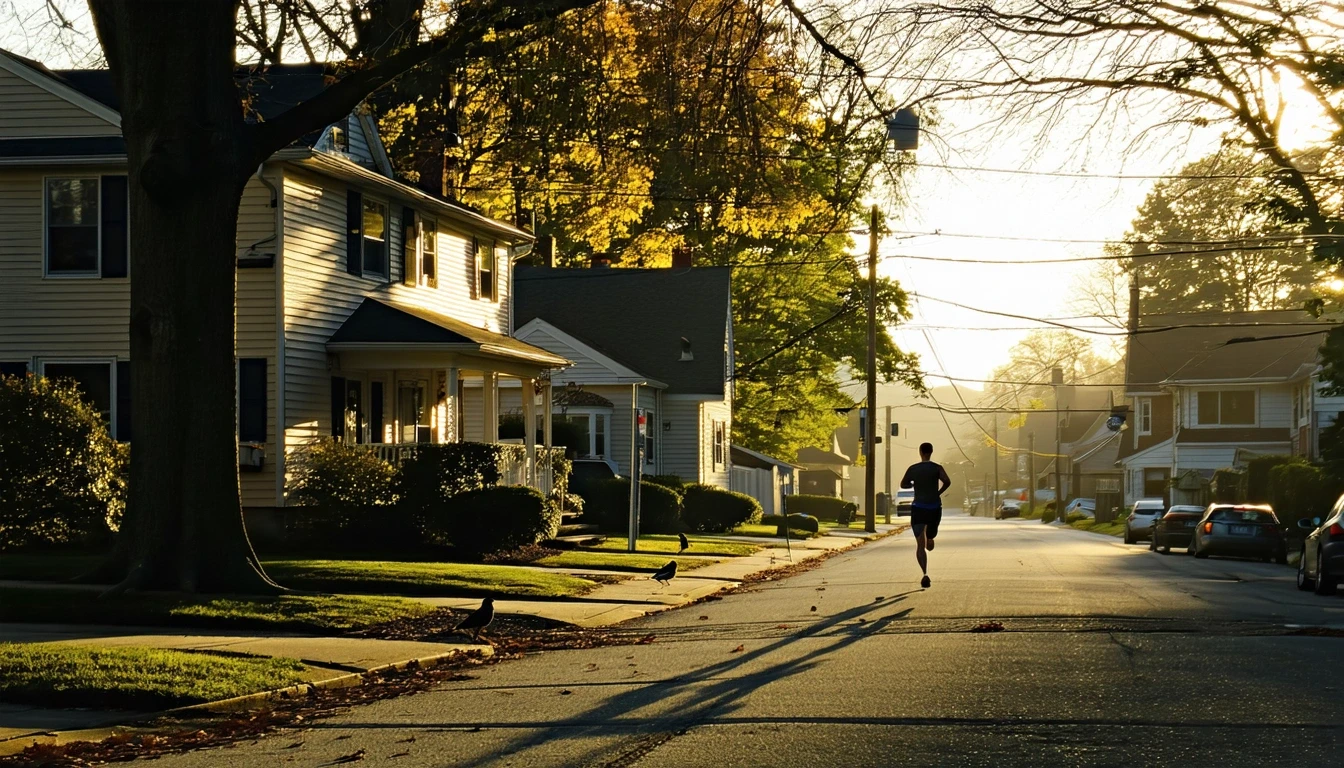
The Emotional Landscape of Newington
Newington’s vibe is shaped by a tension between suburban ease and logistical compromise. The town has integrated parks, water features, and a pedestrian-to-road ratio that exceeds typical suburban norms in certain pockets. That creates moments of walkability—tree-lined blocks, accessible playgrounds, and trails that feel woven into daily life. But those pockets don’t connect into a comprehensive network. Errands cluster along commercial corridors, and getting to them almost always means getting in the car. For families who value outdoor access and don’t mind driving to the grocery store, that tradeoff feels minor. For households hoping to reduce car dependency or live more spontaneously, it feels like a daily reminder of what’s missing.
The town’s mixed building character—neither entirely low-rise nor vertically dense—creates varied neighborhood texture. Older residential blocks sit near newer developments, and both residential and commercial land use coexist. That mix appeals to people who find cookie-cutter subdivisions sterile, but it also means the town lacks a singular identity. Some residents describe Newington as “comfortable but not memorable.” Others appreciate that it doesn’t try to be trendy or overly polished. The emotional experience depends heavily on whether you’re seeking a backdrop for life or a place that actively shapes how you spend your time.
Social Media Buzz in Newington
On platforms like Facebook and Reddit, Newington residents tend to discuss three recurring themes: parks and outdoor access, the logistics of getting around, and the town’s position relative to Hartford. The tone is rarely extreme—neither effusively proud nor deeply frustrated—but it’s often pragmatic. People share trail recommendations, complain about traffic on Berlin Turnpike, and debate whether the town is “boring” or “peaceful,” depending on life stage and expectations.
“It’s a great place to raise kids if you’re okay with driving everywhere. The parks are genuinely nice, but don’t expect to walk to dinner or grab coffee without planning ahead.”
“I moved here for affordability and proximity to work. It’s quiet, safe, and predictable. But if you’re looking for nightlife or a walkable downtown, you’ll be disappointed.”
“The green space is underrated. We use the trails constantly, and the playgrounds are well-maintained. It’s not flashy, but it works for us.”
Discussion about transit is less frequent but more pointed when it appears. The presence of bus service registers as a feature on paper, but in practice, most residents describe the town as car-dependent. Cycling infrastructure exists in pockets, which creates occasional optimism about biking to errands, but the gaps between those pockets mean most people default to driving. The emotional tone around mobility is less about anger and more about resignation—people adjust their expectations and move on.
Local News Tone
Local coverage of Newington tends to frame the town through the lens of steady growth, infrastructure maintenance, and community identity debates. The tone is rarely urgent or crisis-driven, but it reflects ongoing questions about what kind of place Newington wants to be as it evolves. Headlines and story themes often circle around development, access, and the balance between preserving suburban character and accommodating change.
- “Community Debates What Growth Should Look Like”
- “New Retail Options Arrive Along Commercial Corridors”
- “Residents Weigh Convenience vs Quiet in Planning Discussions”
- “Parks and Trails Remain Central to Town Identity”
- “Families Seek Clarity on School Access and Enrollment”
The framing is generally constructive, but it reflects a town in mild tension with itself. Long-time residents often express protectiveness over the town’s quiet, park-focused character. Newcomers—especially younger families and commuters—sometimes push for more walkable density, better transit, or expanded amenities. Neither side dominates the conversation, which leaves Newington feeling like a place still figuring out its next chapter.
Review-Based Public Perception
On platforms like Google Reviews, Yelp, and Nextdoor, Newington’s public perception splits along expectation lines. People who moved to Newington seeking suburban comfort, green space, and proximity to Hartford tend to leave positive reviews. People who hoped for urban texture, walkable errands, or vibrant social scenes tend to express mild disappointment. The town rarely gets harsh criticism, but it also rarely gets passionate praise. The emotional center is “it does what it’s supposed to do.”
Praise often focuses on parks, safety, and family-friendliness. Residents mention Mill Pond Park, trails, and playgrounds as genuine assets. The town’s location—close to Hartford but not in it—appeals to commuters who want affordability without sacrificing access. Newer planned areas receive positive mentions for feeling tidy and well-maintained, though some describe them as lacking character.
Complaints tend to focus on car dependency, limited dining and entertainment options, and the lack of a cohesive downtown. Errands require planning, and spontaneous outings often mean driving to West Hartford or Hartford instead. Some residents note that while sidewalks and bike lanes exist in certain areas, they don’t connect into a usable network. Healthcare access also comes up occasionally—clinics handle routine needs, but the absence of a nearby hospital creates concern for families with medical complexity.
Older residential pockets receive mixed reviews. Some residents appreciate the mature trees and established feel; others describe them as dated or inconsistent in upkeep. The variation in neighborhood texture means that two households can have very different experiences depending on where they land within the town.
Comparison to Nearby Cities
| Dimension | Newington | West Hartford | Wethersfield |
|---|---|---|---|
| Walkability | Pockets exist but disconnected | Comprehensive and central to identity | Limited, car-oriented overall |
| Dining & Nightlife | Sparse, requires planning | Abundant and varied | Minimal, quiet focus |
| Parks & Green Space | Integrated and accessible | Present but less emphasized | Strong, historic character |
| Affordability | Moderate, commuter-friendly | Higher, reflects amenities | Comparable, slightly quieter |
| Transit Options | Bus only, car-dependent | Better bus network, more walkable | Minimal, car-dependent |
Newington sits between West Hartford’s urban texture and Wethersfield’s quieter suburban character. If you prioritize walkability, dining variety, and a cohesive downtown, West Hartford will feel more aligned—but you’ll pay more for it. If you want a quieter, more affordable suburb with strong green space and don’t mind driving for errands, Newington and Wethersfield both deliver, with Newington offering slightly more commercial access and Wethersfield leaning into historic charm. The choice hinges on whether you value spontaneity and walkable density or whether you’re comfortable with a car-dependent rhythm in exchange for parks, affordability, and proximity to Hartford.
What Locals Are Saying
“We moved here from Hartford for the schools and parks. The outdoor space is genuinely great, and our kids love the playgrounds. But we do wish there were more walkable options for errands—it’s a lot of driving.”
“I work in Hartford and wanted something affordable without a brutal commute. Newington checks those boxes. It’s not exciting, but it’s stable and predictable, which is what I needed.”
“The town feels like it’s stuck between being a suburb and trying to be more walkable. There are sidewalks and bike lanes in some areas, but they don’t really connect. You end up driving anyway.”
“I’ve been here for 20 years, and I love the parks and the quiet. It’s not flashy, but it’s a good place to raise a family if you’re not looking for nightlife or a downtown scene.”
“The lack of a nearby hospital is a concern for us. The clinics are fine for routine stuff, but if something serious happens, you’re driving to Hartford or another town.”
“It’s affordable compared to West Hartford, and you’re still close to everything. But if you’re hoping to walk to coffee or dinner, you’ll be disappointed. It’s very car-dependent.”
“The green space is the best part. We use the trails all the time, and the parks are well-maintained. If you value outdoor access, Newington delivers.”
Does Newington Feel Like a Good Fit?
Newington works best for households who value suburban comfort, integrated green space, and proximity to Hartford without needing walkable urban density or comprehensive transit. Families who prioritize parks, playgrounds, and outdoor access tend to feel satisfied, especially if they’re comfortable with car ownership and don’t mind planning errands around commercial corridors. Commuters who want affordability and a reasonable drive to work often describe the town as a practical, low-drama choice.
But Newington tends to frustrate households seeking car-free viability, spontaneous walkability, or vibrant social scenes. The town’s mobility texture—walkable pockets that don’t connect—creates moments of pedestrian-friendly experience without delivering comprehensive walkability. Errands cluster along corridors, which means even short trips often require driving. For households hoping to reduce car dependency or live more spontaneously, that structure feels limiting. Similarly, the absence of a nearby hospital and lower school density may create concern for families with specific medical or educational needs.
The town’s emotional center is pragmatic rather than passionate. People who feel at home here tend to describe it as “comfortable,” “stable,” and “good enough.” People who feel restless describe it as “boring,” “car-dependent,” or “lacking character.” Newington doesn’t try to be everything, and that clarity helps. If what it offers—parks, affordability, proximity to Hartford, and suburban predictability—aligns with what you need, the tradeoffs feel manageable. If you’re hoping for more texture, spontaneity, or walkable density, those tradeoffs will show up daily.
For a deeper look at monthly expenses, budget planning, cost breakdown, or to explore quality of life factors, lifestyle needs, amenities, and housing tradeoffs, those guides can help you understand whether Newington’s structure supports the life you’re trying to build.
How this article was built: In addition to public economic data, this article incorporates location-based experiential signals derived from anonymized geographic patterns—such as access density, walkability, and land-use mix—to reflect how day-to-day living actually feels in Newington, CT.
The perspectives shown reflect commonly expressed local sentiment and recurring themes in public discussion, rather than individual accounts.