
Is Newington expensive to live in? Newington is considered moderately priced in 2026, with a median home value of $266,200 and median rent of $1,401 per month. The value proposition depends on housing entry cost versus car dependence, as transportation and seasonal utility exposure add recurring pressure beyond the initial housing decision.
Is the true cost of living higher than you think?
Overall Cost of Living Snapshot
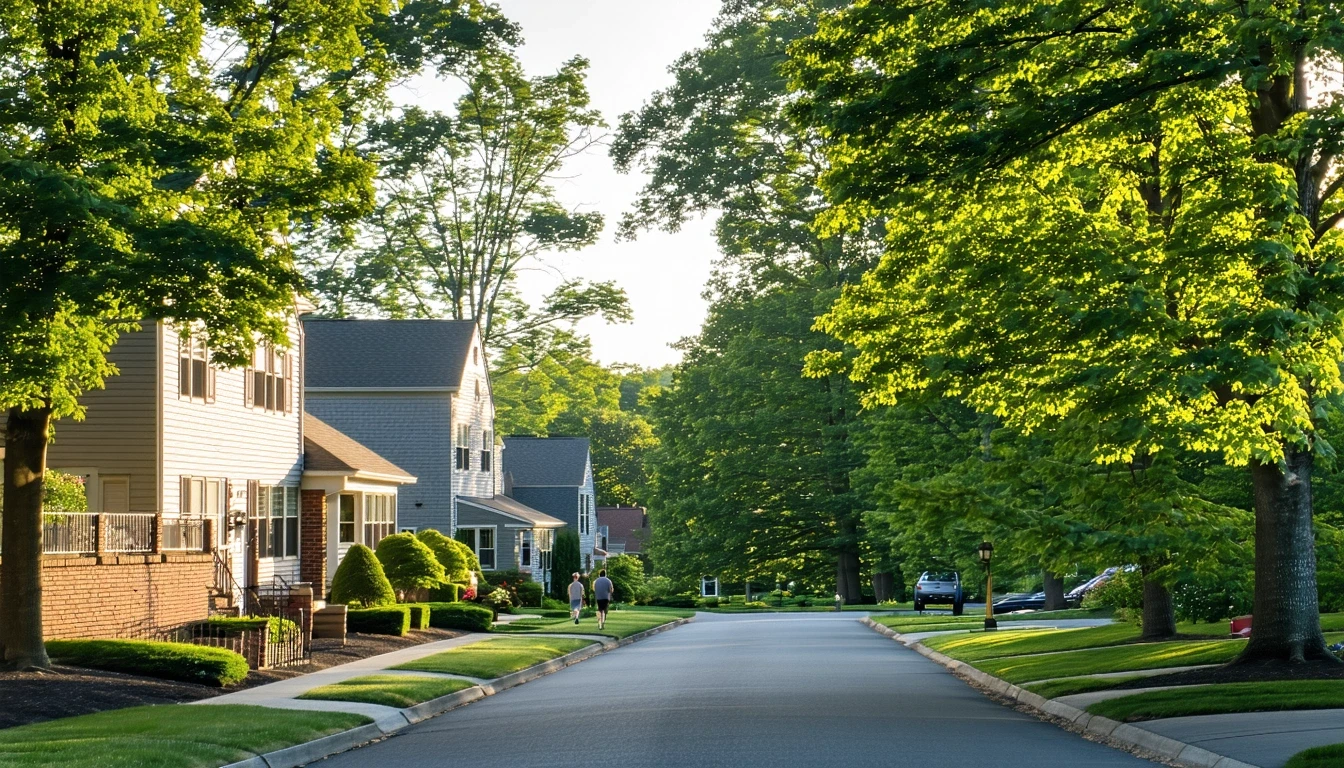
Newington sits in the Hartford metro area with a regional price parity index of 110, meaning the overall cost structure runs about 10 percent above the national baseline. That premium shows up unevenly: housing and utilities carry the most weight, while day-to-day costs like groceries and gas reflect broader Connecticut pricing rather than extreme local surcharges. The city functions as a suburban bedroom community with moderate home values, accessible grocery infrastructure, and a commute profile that assumes car ownership for most households.
The primary cost driver is housing entry—whether you’re buying or renting, that initial monthly commitment sets the floor. Transportation comes next, not because gas is unusually expensive, but because the structure of daily life here assumes you own a vehicle and use it frequently. Utility volatility, especially in winter, adds a third layer of exposure that many newcomers underestimate. Surprises tend to come from the interaction of these forces: a manageable rent paired with a long commute and high heating bills can shift the overall picture quickly.
Driver verdict: Housing entry cost dominates, but transportation dependence and seasonal utility swings determine whether the city feels expensive or manageable over time.
Housing Costs (Primary Driver)
Housing is the anchor. The median home value of $266,200 positions Newington as accessible compared to coastal Connecticut markets, but it still requires a substantial down payment and mortgage capacity. For renters, the median gross rent of $1,401 per month reflects a similar dynamic: not the highest in the state, but enough to claim a significant share of household cash flow before any other expenses enter the picture.
The renting-versus-owning calculus here tilts toward ownership for households planning to stay. Rental inventory exists, but the city’s infrastructure, school access, and park density suggest it’s built for families and long-term residents rather than transient renters. If you’re deciding between the two, consider how long you plan to stay and whether you’re prepared for the maintenance, tax, and insurance obligations that come with ownership. Renting offers flexibility and predictable monthly costs; owning builds equity but exposes you to property tax changes, repair volatility, and insurance adjustments.
Conclusion: Newington is an ownership-oriented city with a moderate entry barrier. Renting is viable, but the housing stock and community design favor buyers.
| Housing Type | Cost Anchor | What That Buys You |
|---|---|---|
| Median Home | $266,200 | Ownership equity, suburban space, family infrastructure access |
| Median Rent | $1,401/month | Flexibility, predictable monthly cost, no maintenance burden |
Utilities & Energy Risk
Electricity in Newington costs 28.30 cents per kilowatt-hour, which is high compared to much of the country but typical for Connecticut. Summer cooling and year-round baseload (refrigeration, lighting, electronics) create steady demand, but the real exposure comes in winter. Natural gas is priced at $16.18 per MCF (roughly equivalent to 100 therms), and heating a home through a long New England winter can drive significant month-to-month swings in utility bills.
The risk isn’t that any single month will be catastrophic—it’s that the variability makes budgeting harder. A mild winter reduces exposure; a cold snap with sustained below-freezing temperatures increases it sharply. Homes with older insulation, single-pane windows, or inefficient heating systems amplify this volatility. Renters in buildings where heat is included avoid the direct cost but may face higher base rent as a result.
Risk classification: moderate. Utility costs are manageable with planning, but winter heating exposure is real and can surprise households unfamiliar with New England seasonal swings.
Groceries & Daily Costs
Grocery costs in Newington reflect the regional price parity premium, running somewhat above the national average but without extreme outliers. The city’s food and grocery establishment density exceeds high thresholds along commercial corridors, meaning access is strong if you live near the right strips. You won’t need to drive long distances for routine shopping, and the presence of multiple options creates some competitive pressure on pricing.
For households, this translates to steady but elevated grocery bills—not a crisis, but enough to notice over time. Families with children or dietary restrictions will feel the cumulative effect more than single adults or couples. The key is that grocery pressure here is structural, not speculative: it’s baked into the regional cost environment rather than driven by local scarcity or monopoly pricing.
Transportation Reality
The average commute in Newington is 21 minutes, which is manageable by regional standards. But that figure assumes car ownership. Bus service exists, but there’s no rail transit, and the pedestrian-to-road ratio is high only in pockets of the city. For most residents, getting to work, running errands, and managing household logistics means owning and operating a vehicle.
Gas prices sit at $4.06 per gallon, which is elevated but not extreme. The real cost isn’t the fuel—it’s the recurring exposure: insurance, maintenance, registration, and depreciation. A household with two working adults often needs two cars, doubling that baseline. Even if your commute is short, the structure of daily life here assumes you can drive to the grocery store, the pharmacy, the school pickup line, and weekend errands without relying on transit or walking.
This isn’t a city where you can easily substitute transit for car ownership. If you’re evaluating moving companies and considering Newington, factor in the cost of maintaining at least one vehicle as a non-negotiable part of your household budget.
Cost Exposure Profiles
Cost pressure in Newington is shaped by three structural exposures: housing entry, transportation dependence, and utility volatility. The intensity of each depends on your household situation, not your income alone.
Low-exposure profile: You own a home with a fixed-rate mortgage, work locally or from home, drive a fuel-efficient vehicle, and live in a well-insulated house with modern heating equipment. Your largest cost is locked in (mortgage), your commute is minimal, and your utility bills are predictable. Surprises are rare.
High-exposure profile: You’re renting and facing potential lease renewals, commuting 30+ minutes each way to Hartford or another metro hub, operating an older vehicle with lower fuel efficiency, and heating a drafty rental where you have no control over insulation or equipment. Every category—housing, transportation, utilities—carries both baseline cost and volatility risk. Small changes (a rent increase, a cold winter, a car repair) compound quickly.
The difference isn’t about who can or cannot afford the city—it’s about which households face predictable costs versus which face recurring uncertainty. Owners with short commutes and efficient homes experience Newington as stable and manageable. Renters with long commutes and older housing stock experience it as more expensive and less predictable, even at the same income level.
How this article was built: In addition to public economic data, this article incorporates location-based experiential signals derived from anonymized geographic patterns—such as access density, walkability, and land-use mix—to reflect how day-to-day living actually feels in Newington, CT.
Frequently Asked Questions
Is Newington more affordable than Hartford in 2026? Newington generally offers lower housing entry costs than Hartford, with a median home value of $266,200 compared to higher urban pricing in the capital. However, transportation dependence is greater in Newington, which can offset some of the housing savings for commuters.
What does a typical cost profile look like in Newington? A typical household faces moderate housing costs (either a mortgage around $266,200 or rent near $1,401/month), elevated utility bills in winter due to heating, and recurring transportation expenses tied to car ownership. Grocery costs run somewhat above the national average but remain manageable with planning.
Do utilities cost more in Newington than nearby areas? Utility rates in Newington are consistent with broader Connecticut pricing, which tends to be higher than the national average. Electricity costs 28.30 cents per kilowatt-hour, and natural gas is priced at $16.18 per MCF, both of which are typical for the region rather than outliers.
What costs tend to surprise newcomers in Newington? Winter heating bills often surprise people unfamiliar with New England’s long heating season, especially in older or poorly insulated homes. Transportation costs also catch some off guard, as the city’s structure assumes car ownership for nearly all daily activities, even short errands.
Are property taxes higher in Newington than West Hartford? Property tax rates vary by municipality in Connecticut, and while specific millage rates aren’t provided here, Newington’s moderate home values mean total tax bills may be lower in absolute terms than in higher-priced towns like West Hartford, even if rates are similar.
Is Newington a good value for families in 2026? Newington offers strong family infrastructure, including parks, playgrounds, and schools, along with accessible grocery options and moderate housing costs. Families planning to stay long-term and buy a home will find better value than those renting short-term or commuting long distances.
How does the cost of living in Newington compare to the Hartford metro overall? Newington sits near the middle of the Hartford metro cost spectrum: less expensive than inner-ring suburbs with premium housing, but more expensive than outer rural areas. The regional price parity index of 110 reflects this moderate positioning.
Can you live in Newington without a car? It’s difficult. Bus service exists, but most daily errands, commutes, and household logistics assume car ownership. Walkability is present in pockets, but the overall structure of the city is car-dependent, especially for families or working adults.