
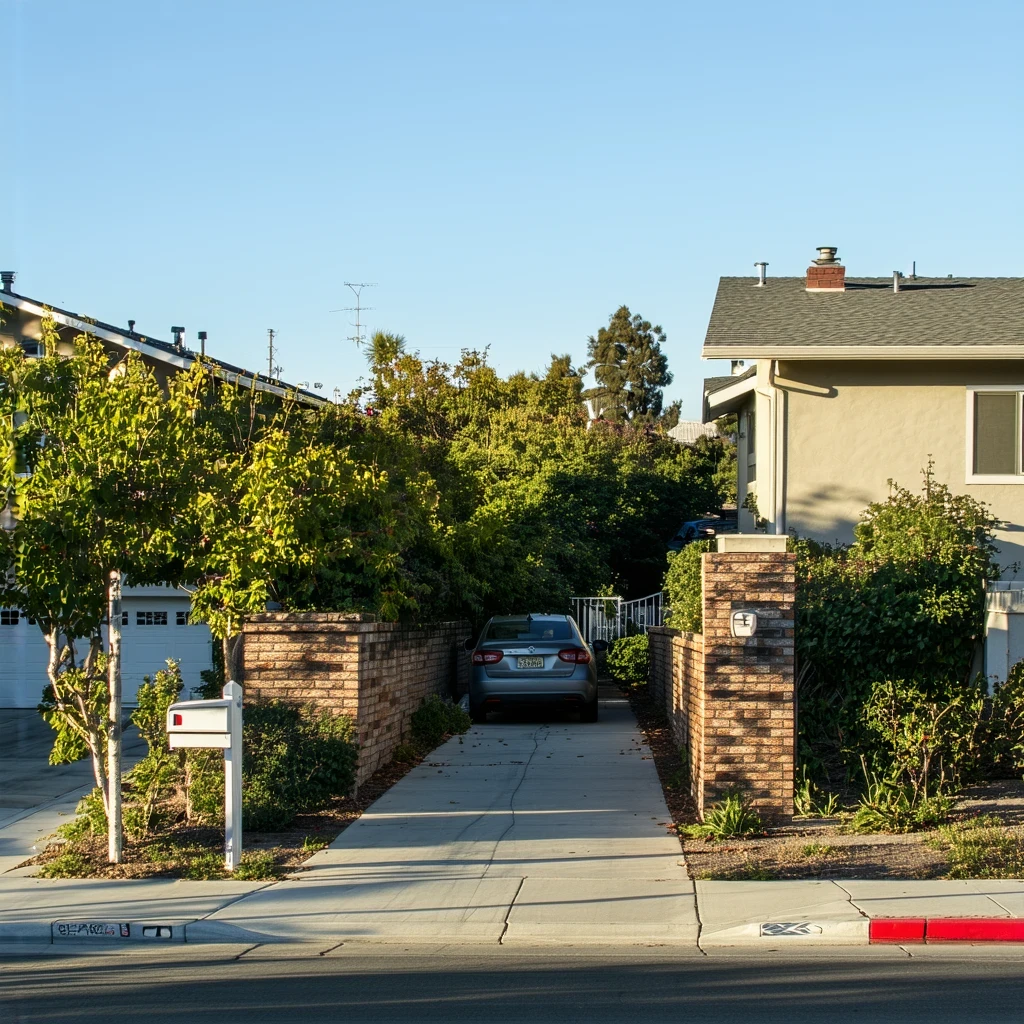
Households in the San Diego metro pay $5.89 per gallon in National City and $4.64 per gallon in Escondido—a transportation cost gap that signals deeper structural differences between these two cities. Both sit within the same regional economy, share the same unemployment rate, and offer rail transit access. Yet the way costs show up—and which households feel pressure first—depends on whether you prioritize proximity and walkable errands or space and lower entry barriers.
National City sits closer to the urban core with denser infrastructure and broader grocery access, while Escondido spreads across low-rise neighborhoods farther inland with more corridor-based retail. The decision isn’t about which city costs less overall in 2026—it’s about which cost structure aligns with your household’s non-negotiables. Renters sensitive to transportation friction face different tradeoffs than families prioritizing school density. Single adults managing tight schedules weigh convenience differently than dual-income couples with flexible commutes.
This comparison explains where cost structure pressure concentrates in each city, how housing and daily logistics interact, and which households find stability in National City versus Escondido without declaring a universal winner.
Housing Costs
National City’s median home value sits at $505,800, while Escondido’s reaches $616,400—a front-loaded entry barrier that shapes access for first-time buyers and families planning long-term ownership. Renters face a similar gap: National City’s median gross rent is $1,504 per month, compared to Escondido’s $1,833 per month. These aren’t small differences. They determine which households can enter the market without stretching reserves and how much flexibility remains for other categories.
The housing stock in each city reinforces these patterns. National City’s mixed building heights and integrated land use create more apartment and multi-family options within walkable distance of errands and transit. Escondido’s low-rise character spreads single-family homes across quieter streets with more yard space but less density. Families prioritizing school access and outdoor play may find Escondido’s layout appealing, but National City’s stronger family infrastructure density—schools and playgrounds exceeding high thresholds—means shorter distances to those amenities even in smaller housing formats.
For renters, National City’s lower entry cost and broader accessibility reduce the need to own a car for daily errands, which indirectly lowers transportation exposure. Escondido’s corridor-clustered grocery and retail patterns mean renters often need a vehicle to manage weekly logistics efficiently, adding ongoing costs that offset the lower rent only if commute distance stays short. First-time buyers in Escondido face higher upfront costs but gain more space and lower per-square-foot pressure in neighborhoods with established landscaping and mature trees. Buyers in National City trade space for proximity, accepting smaller lots in exchange for shorter distances to parks, schools, and transit stops.
| Housing Type | National City | Escondido |
|---|---|---|
| Median Home Value | $505,800 | $616,400 |
| Median Gross Rent | $1,504/month | $1,833/month |
| Typical Housing Form | Mixed-height, multi-family options | Low-rise, single-family dominant |
| Yard Space Expectation | Smaller lots, shared green space | Larger private yards |
Housing takeaway: National City’s lower entry costs favor renters and first-time buyers prioritizing walkability and transit access, while Escondido’s higher housing costs buy more space and quieter streets for households willing to manage longer distances and car dependency. The difference isn’t magnitude—it’s where housing pressure concentrates and what flexibility remains afterward.
Utilities and Energy Costs
Escondido’s electricity rate sits at 34.71¢ per kWh, higher than National City’s 30.29¢ per kWh. Natural gas pricing follows a similar pattern: $23.78 per MCF in Escondido versus $22.96 per MCF in National City. These differences compound over time in larger homes with older HVAC systems, especially during extended cooling seasons when inland heat drives air conditioning use higher. National City’s proximity to the coast moderates temperature swings, reducing the intensity of cooling demand even in summer months. Escondido’s inland position means hotter afternoons and longer stretches of triple-digit heat, which translates to higher baseline electricity consumption for households in single-family homes.
The housing stock in each city amplifies these patterns. National City’s mixed building heights include more apartments and attached units, which share walls and reduce heating and cooling surface area. Escondido’s low-rise, detached homes expose more exterior walls and roof area to temperature extremes, increasing the energy required to maintain comfort. Older homes in both cities—common in established neighborhoods—often lack modern insulation and efficient windows, but the impact shows up more sharply in Escondido where cooling needs dominate and housing size averages larger.
Households in National City experience more predictable utility costs because cooling demand stays moderate and apartment living limits exposure. Families in Escondido managing larger homes face more volatility, with summer bills spiking during heat waves and shoulder seasons offering only partial relief. Renters in both cities benefit when landlords cover water or trash, but electricity and gas remain tenant responsibility in most cases. Single adults in small apartments see minimal differences, but couples or families in 1,200+ square-foot homes feel the rate gap more acutely as usage scales up.
Utility takeaway: National City offers more predictable energy costs due to moderate climate and denser housing forms, while Escondido’s higher rates and larger homes create more exposure to seasonal volatility. Households prioritizing stable monthly bills and smaller living spaces find less friction in National City; those accepting higher summer peaks in exchange for more indoor and outdoor space may prefer Escondido’s layout despite the rate difference.
Groceries and Daily Expenses
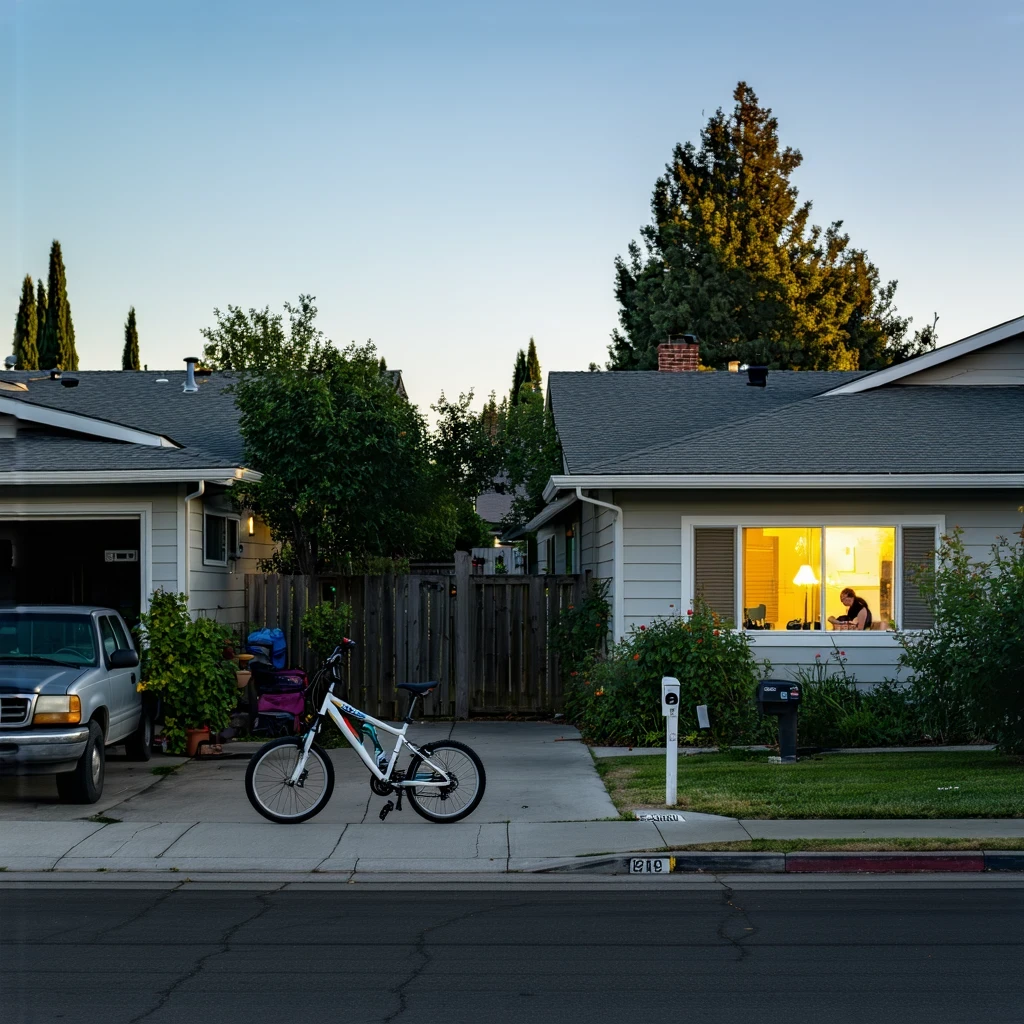
National City’s regional price environment sits at an index of 179, while Escondido’s registers at 111—a structural difference that shapes how far a grocery dollar stretches and how much friction households encounter managing weekly errands. National City’s food and grocery density exceeds high thresholds, meaning multiple options sit within short distances and competition keeps some categories accessible. Escondido’s corridor-clustered pattern concentrates grocery stores along main roads, requiring more intentional trip planning and often a car to manage bulk purchases or specialty items.
The price environment difference shows up most clearly in staple categories. In National City, derived estimates suggest bread around $3.31 per pound, ground beef near $12.06 per pound, and eggs at $4.47 per dozen. In Escondido, the same items trend lower: bread near $2.05 per pound, ground beef around $7.49 per pound, and eggs closer to $2.86 per dozen. These figures reflect regional price parity adjustments rather than observed local prices, but the directional gap is consistent—households in Escondido face lower grocery price pressure, while those in National City pay for proximity and density.
Dining out and convenience spending follow similar patterns. National City’s mixed land use and walkable errands accessibility mean coffee shops, takeout spots, and corner markets sit closer to residential blocks, which increases the temptation to spend on convenience rather than cook at home. Escondido’s layout requires more driving to reach the same options, which naturally limits impulse spending but adds time cost and fuel expense. Families managing larger grocery volumes benefit from Escondido’s lower per-item costs and big-box access, while single adults or couples in National City trade higher prices for the ability to walk to a store in ten minutes instead of planning a 20-minute drive.
Groceries takeaway: Escondido’s lower regional price index and corridor retail reduce per-item grocery costs but require more car dependency and trip planning, while National City’s higher prices buy proximity and walkable access that reduce time friction and transportation needs. Households prioritizing price sensitivity and bulk shopping find Escondido more forgiving; those valuing convenience and short errand loops benefit from National City’s denser infrastructure.
Taxes and Fees
California’s statewide tax structure applies uniformly to both cities, but local fees, assessments, and property tax exposure vary based on housing type and neighborhood. Homeowners in both National City and Escondido face property taxes tied to assessed value, meaning Escondido’s higher median home value translates to higher baseline tax obligations for new buyers. Renters don’t pay property taxes directly, but landlords factor those costs into rent, which contributes to Escondido’s higher median gross rent alongside the space premium.
HOA fees and special assessments appear more frequently in Escondido’s newer subdivisions and planned communities, where shared amenities like pools, landscaping, and gated entry require ongoing funding. National City’s older, denser neighborhoods rely less on HOA structures, though some multi-family buildings include maintenance fees that cover water, trash, or exterior upkeep. These fees add predictability for owners who prefer bundled services, but they also reduce flexibility—you pay whether you use the amenities or not.
Sales tax rates remain consistent across the San Diego metro, so the difference in tax exposure comes from consumption patterns rather than rates. Households in National City with walkable access to errands may spend less on taxable goods simply because they buy smaller quantities more frequently and avoid big-box trips. Escondido’s layout encourages bulk shopping at larger retailers, which increases per-trip spending and taxable purchases. Utility taxes and fees apply in both cities, but the higher electricity rates in Escondido mean those surcharges compound on a larger base bill.
Taxes and fees takeaway: Escondido’s higher home values and prevalence of HOA fees create more front-loaded and ongoing obligations for homeowners, while National City’s lower property tax base and fewer HOA structures reduce predictable fees but offer less bundled service coverage. Renters in both cities absorb these costs indirectly through rent, but the structure matters more for long-term owners planning to stay several years.
Transportation & Commute Reality
Both National City and Escondido offer rail transit access, but the way households use transportation differs sharply based on daily errands accessibility and urban form. National City’s moderate pedestrian infrastructure and broadly accessible food and grocery options mean many residents can walk or bike for routine errands, reducing the need to drive multiple times per week. Escondido’s walkable pockets exist, but the corridor-clustered retail pattern and low-rise, spread-out housing mean most households rely on a car for weekly logistics even if they occasionally walk in their immediate neighborhood.
Gas prices reinforce this difference. National City’s $5.89 per gallon creates higher per-mile costs, but shorter distances and denser infrastructure reduce total fuel consumption for households managing errands locally. Escondido’s $4.64 per gallon offers lower per-gallon expense, but longer distances to grocery stores, schools, and services mean more frequent fill-ups. Commuters driving to jobs in central San Diego face similar time costs from both cities, but National City’s rail access provides a viable alternative for downtown-bound workers, while Escondido’s transit serves more as a supplemental option than a primary commute tool.
Households without cars face more friction in Escondido, where limited school and playground density and corridor retail require longer walks or reliance on infrequent bus connections. National City’s stronger family infrastructure and integrated park access mean car-free families can manage daily routines more easily, though the higher gas price still affects ride-sharing and occasional driving needs. Single adults and couples with flexible schedules may find Escondido’s layout manageable with one vehicle, but families juggling school drop-offs, grocery runs, and after-school activities often need two cars to avoid constant coordination.
Transportation takeaway: National City’s denser infrastructure and rail access reduce car dependency for daily errands despite higher gas prices, while Escondido’s lower fuel costs don’t fully offset the need for more frequent driving and multi-car households. The difference isn’t just dollars per gallon—it’s how often you need to drive and whether alternatives exist for routine trips.
Cost Structure Comparison
Housing dominates the cost experience in both cities, but the pressure shows up differently. Escondido’s higher median home value and rent create a steeper entry barrier that filters which households can access the market without depleting reserves. National City’s lower housing costs leave more room for transportation, utilities, and groceries, but the higher regional price index means those categories claim a larger share of what remains. Families prioritizing space and quieter streets accept Escondido’s front-loaded housing expense; renters and first-time buyers prioritizing proximity and walkability find National City’s structure more forgiving.
Utilities introduce more volatility in Escondido, where higher electricity rates and inland heat combine with larger, detached homes to push summer bills higher. National City’s moderate climate and mixed building heights keep energy costs more predictable, which matters for households managing fixed incomes or tight monthly budgets. The difference isn’t just magnitude—it’s whether you can plan around stable bills or need to absorb seasonal spikes.
Transportation patterns matter more in Escondido, where corridor retail and limited walkability require frequent driving despite lower gas prices. National City’s broadly accessible errands and rail transit reduce car dependency, which offsets the higher per-gallon cost for households willing to walk or take transit for routine trips. Families with multiple drivers feel this difference more acutely; single adults or couples with one car may find Escondido manageable if their commute stays short.
Daily living and groceries favor Escondido’s lower regional price index, but National City’s denser infrastructure reduces the time cost of errands and eliminates some trips entirely. Households prioritizing price sensitivity and bulk shopping benefit from Escondido’s big-box access and lower per-item costs. Those valuing convenience and short errand loops accept National City’s higher prices in exchange for walkable access and less driving friction.
The better choice depends on which costs dominate your household. For renters sensitive to housing entry barriers and transportation friction, National City’s lower rent and walkable errands reduce pressure on both fronts. For families prioritizing space, school density, and lower grocery prices, Escondido’s layout and price environment offer more flexibility despite higher housing and utility costs. The decision is less about total cost and more about predictability, control, and which categories you can absorb versus which ones break your budget.
How the Same Income Feels in National City vs Escondido
Single Adult
Housing claims the largest share in both cities, but National City’s lower rent leaves more room for transportation and dining flexibility. Escondido’s higher rent and car dependency mean more of your income disappears before discretionary spending begins. National City’s walkable errands reduce the need for a car, which eliminates insurance, maintenance, and parking costs that Escondido residents absorb as non-negotiable. Grocery prices run higher in National City, but proximity means smaller, more frequent purchases that smooth cash flow instead of requiring bulk budgeting. Escondido’s lower per-item costs help if you plan trips carefully, but the time cost of driving to stores and managing a vehicle adds friction that National City’s denser layout avoids.
Dual-Income Couple
Housing flexibility increases with two incomes, but Escondido’s higher entry costs still require more upfront reserves and larger ongoing obligations. National City’s lower rent or mortgage frees up capacity for utilities, transportation, and savings without forcing tradeoffs between categories. Escondido’s layout assumes two cars for most couples managing separate commutes or staggered schedules, which doubles transportation exposure even with lower gas prices. National City’s rail access and walkable errands mean one car often suffices, reducing insurance and maintenance burdens. Utility volatility matters more in Escondido, where larger homes and higher rates create seasonal spikes that require planning; National City’s predictable energy costs simplify monthly budget management and reduce the risk of surprise bills disrupting other priorities.
Family with Kids
School and playground access become non-negotiable, and National City’s stronger family infrastructure density means shorter distances to those amenities even in smaller housing formats. Escondido’s limited school density requires more driving for drop-offs and pickups, which compounds transportation costs and schedule complexity. Housing space matters more for families, and Escondido’s larger homes and private yards offer clear advantages, but the higher mortgage or rent absorbs flexibility that could otherwise cover groceries, utilities, or extracurriculars. National City’s integrated park access and walkable errands reduce the logistical burden of managing multiple kids, while Escondido’s corridor retail and spread-out layout require constant car coordination. Grocery costs favor Escondido’s lower prices, but National City’s proximity reduces the time cost of frequent trips, which matters when managing school schedules and after-school activities without burning hours in the car.
Decision Matrix: Which City Fits Which Household?
| Decision Factor | If You’re Sensitive to This… | National City Tends to Fit When… | Escondido Tends to Fit When… |
|---|---|---|---|
| Housing entry + space needs | Front-loaded costs and reserves | You prioritize lower entry barriers and accept smaller spaces near transit and errands | You need more square footage and private outdoor space despite higher upfront and ongoing costs |
| Transportation dependence + commute friction | Car ownership costs and daily driving frequency | You can walk or take rail for errands and commutes, reducing vehicle dependency | You already own a car and prefer driving over transit, benefiting from lower gas prices |
| Utility variability + home size exposure | Seasonal bill spikes and energy predictability | You prefer stable energy costs in smaller, climate-moderated housing with shared walls | You accept higher summer cooling bills in exchange for larger detached homes with private yards |
| Grocery strategy + convenience spending creep | Per-item prices versus time cost of errands | You value walkable access and frequent small trips over bulk shopping and driving to big-box stores | You plan weekly grocery trips and prioritize lower per-item costs despite longer distances |
| Fees + friction costs (HOA, services, upkeep) | Predictable bundled fees versus pay-as-you-go flexibility | You prefer fewer HOA obligations and more control over service spending in older neighborhoods | You accept HOA fees for bundled landscaping and amenities in newer planned communities |
| Time budget (schedule flexibility, errands, logistics) | Coordination burden and multi-stop trip frequency | You need short errand loops and walkable school access to manage tight schedules without constant driving | You have flexible schedules and prefer consolidated trips to corridor retail with ample parking |
Lifestyle Fit
National City’s mixed building heights and integrated land use create a more urban texture where residential blocks sit near commercial corridors, parks, and transit stops. Rail access connects residents to downtown San Diego and other metro job centers, making car-free or one-car lifestyles more viable for commuters. Escondido’s low-rise neighborhoods spread across quieter streets with more yard space and established trees, appealing to families who prioritize outdoor play areas and separation from commercial activity. Both cities offer water features and park access, but National City’s higher park density means shorter walks to green space, while Escondido’s moderate park availability requires more intentional trips.
Daily errands feel different in each city. National City’s broadly accessible food and grocery options mean residents can walk to multiple stores within ten minutes, reducing the need to plan trips or drive for routine purchases. Escondido’s corridor-clustered retail concentrates options along main roads, which works well for households comfortable with weekly grocery runs and big-box shopping but adds friction for those who prefer spontaneous errands or lack a car. National City’s stronger family infrastructure—schools and playgrounds exceeding high density thresholds—means shorter distances for drop-offs and after-school activities, while Escondido’s limited school density requires more driving and coordination for families with multiple kids.
Recreation and outdoor access reflect each city’s layout. National City’s integrated parks and water features sit closer to residential areas, making it easier to incorporate outdoor time into daily routines without dedicating a full afternoon. Escondido’s moderate park density and low-rise character create quieter, more spacious outdoor environments, but reaching them often requires a short drive. Both cities benefit from Southern California’s mild climate, though Escondido’s inland position brings hotter summer afternoons that push outdoor activity earlier in the day or later in the evening.
National City’s median household income sits at $59,850 per year, while Escondido’s reaches $77,554 per year—a difference that reflects housing costs and regional employment patterns but doesn’t determine which city fits better. Both cities share a 4.3% unemployment rate, indicating similar labor market conditions across the San Diego metro. Lifestyle tradeoffs center on proximity versus space, walkability versus driving, and whether you prioritize dense infrastructure or quieter residential streets.
Frequently Asked Questions
Is National City or Escondido cheaper for renters in 2026?
National City’s median gross rent sits at $1,504 per month, lower than Escondido’s $1,833 per month, which reduces the front-loaded housing burden for renters. However, Escondido’s lower regional price index means groceries and daily expenses cost less per item, which can offset some of the rent difference for households managing larger grocery volumes. National City’s walkable errands and rail access reduce car dependency, which eliminates or lowers transportation costs that Escondido renters typically absorb. The better choice depends on whether you prioritize lower rent and proximity or accept higher rent for more space and lower grocery prices.
Which city has lower utility costs, National City or Escondido?
National City’s electricity rate sits at 30.29¢ per kWh, lower than Escondido’s 34.71¢ per kWh, and natural gas pricing follows a similar pattern. National City’s moderate coastal climate and mixed building heights reduce cooling demand, while Escondido’s inland heat and larger detached homes increase energy consumption during summer months. Households in smaller apartments or attached units see minimal utility differences, but families in single-family homes face higher bills in Escondido due to both rate structure and housing size. National City offers more predictable energy costs; Escondido requires planning for seasonal volatility.
Does living in National City vs Escondido affect transportation costs in 2026?
National City’s gas price sits at $5.89 per gallon, higher than Escondido’s $4.64 per gallon, but the cost difference depends on how often you drive. National City’s broadly accessible errands and rail transit reduce the need for frequent car trips, which lowers total fuel consumption despite higher per-gallon costs. Escondido’s corridor-clustered retail and limited walkability require more driving for groceries, errands, and school drop-offs, which increases fuel usage even with lower prices. Households managing multiple cars or long commutes feel Escondido’s lower gas prices more clearly, while those prioritizing walkability and transit access benefit from National City’s denser infrastructure.
Which city is better for families with kids, National City or Escondido, in 2026?
National City’s school and playground density exceeds high thresholds, meaning shorter distances to family-oriented amenities even in smaller housing formats. Escondido’s limited school density requires more driving for drop-offs and pickups, which adds time cost and coordination complexity for families with multiple kids. Escondido offers larger homes and private yards, which appeal to families prioritizing outdoor play space and separation from commercial activity. National City’s integrated park access and walkable errands reduce the logistical burden of managing daily routines without constant car trips. The decision depends on whether you prioritize space and quiet streets or proximity and family infrastructure density.
How do grocery costs compare between National City and Escondido in 2026?
Escondido’s regional price index sits at 111, lower than National City’s 179, which translates to lower per-item grocery costs across staple categories like bread, eggs, and ground beef. National City’s higher prices reflect proximity and density—multiple grocery options sit within walking distance, reducing the need to drive or plan bulk trips. Escondido’s corridor-clustered retail requires more intentional trip planning and car access, but big-box stores and lower prices favor households managing larger grocery volumes. Single adults and couples may find National City’s walkable access more convenient despite higher prices, while families prioritizing bulk shopping benefit from Escondido’s lower per-item costs.
Conclusion
National City and Escondido sit within the same metro, share the same unemployment rate, and offer rail transit access, but the way costs show up—and which households feel pressure first—depends on housing priorities, transportation patterns, and daily logistics. National City’s lower rent, walkable errands, and integrated family infrastructure reduce friction for renters, first-time buyers, and families managing tight schedules without constant driving. Escondido’s larger homes, lower grocery prices, and quieter streets appeal to households prioritizing space and lower per-item costs despite higher housing entry barriers and utility volatility.
The decision isn’t about which city costs less overall—it’s about which cost structure aligns with your household’s non-negotiables. Renters sensitive to housing entry barriers and car dependency find National City’s denser infrastructure more forgiving. Families prioritizing school access, outdoor space, and bulk shopping benefit from Escondido’s layout and price environment despite higher upfront costs. Single adults and couples weigh proximity against space, predictability against flexibility, and time cost against dollar cost. Both cities offer tradeoffs; neither eliminates financial pressure. The better choice depends on which categories you can absorb and which ones break your budget.
How this article was built: In addition to public economic data, this article incorporates location-based experiential signals derived from anonymized geographic patterns—such as access density, walkability, and land-use mix—to reflect how day-to-day living actually feels in National City, CA.