
Moving from Washington, DC to Raleigh, NC: Understanding the Shift in Cost Pressure and Daily Life
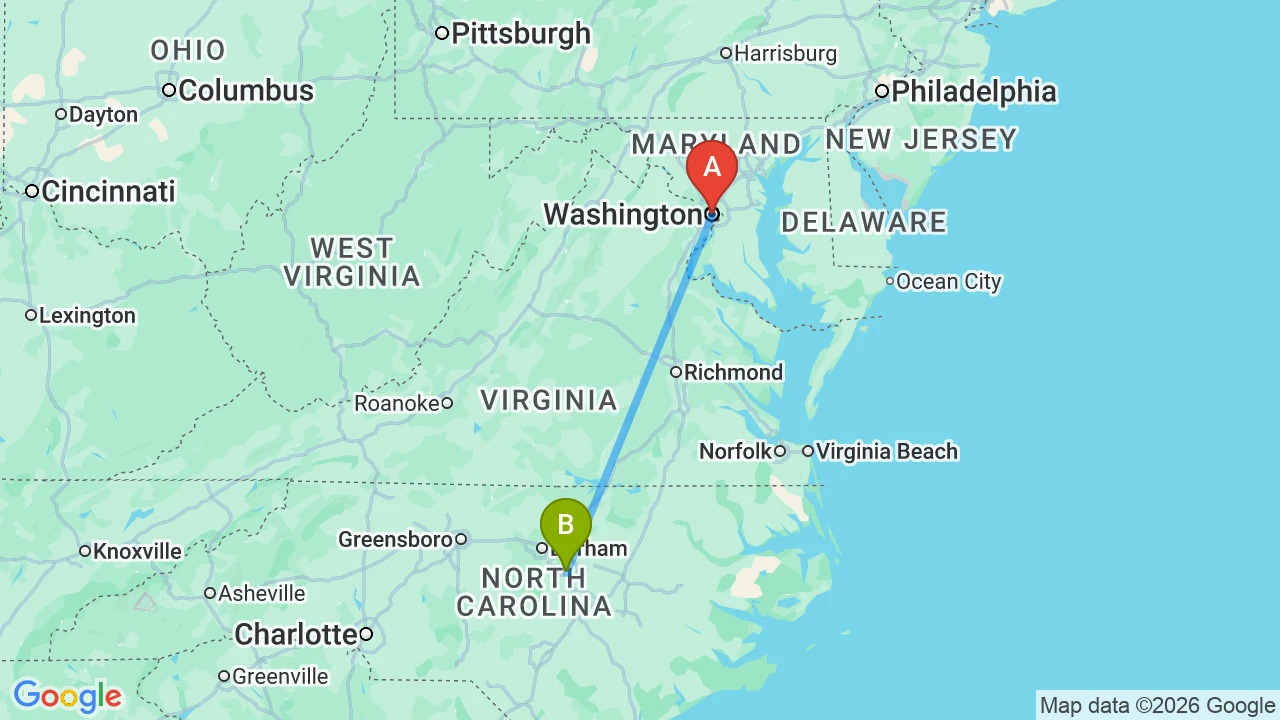
The corridor between Washington, DC and Raleigh, NC represents one of the more common mid-Atlantic to Southeast relocation patterns. People consider this move for a variety of reasons: lower housing entry barriers, a slower pace, job opportunities in the Research Triangle, or simply a desire to step away from the intensity of the nation’s capital. The distance is manageable—roughly 275 miles—but the lifestyle and cost structure shift in ways that surprise many movers.
This guide does not calculate whether Raleigh is “cheaper” in total or predict your household savings. Instead, it explains where cost pressure concentrates in each city, how daily routines change, and which types of households tend to feel relief versus new friction after the move. Understanding these patterns helps you prepare for what actually changes, not just what the numbers suggest.
Cost Pressure Shifts: Where Expenses Concentrate Differently
Washington, DC is defined by high housing costs—both rental and ownership—and a transit-oriented infrastructure that allows many residents to avoid car ownership or limit driving. Raleigh operates differently: housing entry costs tend to be lower, but the metro area is more car-dependent, which shifts ongoing expenses toward transportation, fuel, insurance, and vehicle maintenance.
In Washington, a significant portion of household budgets goes toward rent or mortgage payments in neighborhoods with Metro access. Utilities in DC can be moderate, but the cost of proximity—living near work, transit, or walkable amenities—is reflected in housing premiums. Raleigh spreads costs differently: you may pay less upfront for housing, but you’re more likely to need a car (or a second car for couples), and commuting by vehicle becomes the default rather than the exception.
Grocery and dining costs in both cities are relatively comparable, though Raleigh’s restaurant scene and retail environment tend to be less dense and slightly less expensive overall. The bigger shift is in how you access those goods: in DC, you might walk to a corner market or take the Metro to a grocery store; in Raleigh, you’ll almost certainly drive.
Utility costs in Raleigh—especially summer cooling—can be higher than many DC transplants expect. Raleigh’s humid subtropical climate means air conditioning runs longer and harder during the summer months, and electricity bills reflect that. Winter heating costs are generally lower than in DC, but the summer spike is a recurring pressure point.
Housing and Neighborhood Patterns
Washington’s housing market is characterized by high entry barriers and competitive rental markets, particularly in neighborhoods with Metro access or proximity to federal employment hubs. Renters often face bidding wars, and homeownership requires significant down payments and tolerance for older housing stock or long commutes to more affordable suburbs.
Raleigh’s housing market offers lower entry costs, both for renters and buyers. You can find newer construction, larger floor plans, and more single-family home options at price points that would be unattainable in DC. However, the tradeoff is location: walkable, transit-accessible neighborhoods in Raleigh are limited. Most residents live in car-dependent suburbs or exurban areas, and the daily cost of that car dependency—fuel, insurance, maintenance—becomes a recurring line item that replaces some of the housing savings.
For renters, Raleigh offers more flexibility and less competition, but rental markets are tightening as the metro area grows. For buyers, property taxes and HOA fees are generally lower than in DC, but you’ll need to budget for yard maintenance, longer driveways, and the realities of suburban homeownership.
Neighborhood form matters: in DC, density and walkability reduce the need for a car and create access to amenities within a small radius. In Raleigh, neighborhoods are more spread out, and even “walkable” areas like downtown or North Hills require a car for most errands. This shift in urban form changes not just costs, but daily routines and time allocation.
Lifestyle and Daily Rhythms
Washington, DC operates at a fast, transit-oriented pace. Many residents walk, bike, or take the Metro to work, and the city’s density means that social life, dining, and errands can happen within a compact geographic area. The tradeoff is intensity: crowds, noise, competition for space, and a professional culture that often feels high-pressure.
Raleigh is slower, quieter, and more suburban in feel. Commutes are typically by car, and the metro area sprawls across Wake County and into neighboring counties. Traffic exists—especially on I-40, I-440, and US-1—but it’s generally less intense than DC’s Beltway congestion. The pace of life feels less urgent, and the social culture is more relaxed and family-oriented.
Climate is a noticeable shift. Washington has four distinct seasons with cold winters and hot, humid summers. Raleigh’s winters are milder—snow is rare, and temperatures rarely stay below freezing for long—but summers are hotter and more humid, with afternoon thunderstorms common from June through August. The longer warm season means more months of air conditioning use and higher cooling costs.
Access to nature and outdoor recreation improves in Raleigh. The city has extensive greenway systems, nearby state parks, and proximity to both the mountains and the coast within a few hours’ drive. Washington offers excellent parks and trails, but the density and crowds can make outdoor spaces feel more managed and less spontaneous.
Social and cultural life shifts as well. DC’s museums, monuments, and international dining scene are unmatched. Raleigh offers a growing food and arts scene, but it’s smaller and less diverse. If your social life revolves around walkable neighborhoods, late-night transit, or constant cultural programming, Raleigh will feel quieter. If you value space, a yard, and a slower pace, the shift will feel like relief.
Relocation Logistics and Practical Friction
The move itself is straightforward: Raleigh is about four to five hours by car from DC, and moving companies service this corridor frequently. The I-95 and I-85 routes are well-traveled, and logistics are generally smooth. Most movers choose to drive rather than fly, given the distance and the likelihood of needing a car immediately upon arrival in Raleigh.
Timing matters more for housing than for weather. Raleigh’s rental and housing markets are competitive in the spring and summer, when families prefer to move before the school year starts. Moving in the fall or winter can offer more negotiating leverage and lower moving costs, though the weather is generally mild enough that winter moves are not difficult.
One of the biggest surprises for DC transplants is the immediate need for a car. If you’ve lived car-free or car-light in DC, you’ll need to budget for a vehicle purchase, insurance, registration, and ongoing maintenance. North Carolina requires annual vehicle inspections, and insurance rates vary significantly by ZIP code and driving history.
Another adjustment is the loss of transit infrastructure. Raleigh has a bus system (GoRaleigh), but it’s limited in coverage and frequency compared to DC’s Metro. Most residents drive everywhere, and ride-sharing costs add up quickly if you try to avoid car ownership. The shift from transit-oriented to car-dependent living is one of the most significant logistical changes.
Establishing new routines takes time. Finding a new grocery store, gym, doctor, and social network requires more intentional effort in a sprawling metro area. DC’s density makes chance encounters and spontaneous plans easier; Raleigh requires more planning and driving to maintain social connections.
Frequently Asked Questions
- Is Raleigh, NC cheaper than Washington, DC?
- Raleigh generally offers lower housing entry costs, but the cost structure shifts rather than simply dropping. Housing—both rent and purchase prices—tends to be more accessible in Raleigh, but car dependency increases transportation expenses significantly. Where DC residents might save on car ownership, Raleigh residents typically need a vehicle, which adds fuel, insurance, and maintenance costs. The question isn’t whether Raleigh is universally cheaper, but whether the shift in where costs concentrate works better for your household.
- How do housing markets differ between Washington, DC and Raleigh, NC?
- Washington’s housing market is characterized by high entry costs, competitive bidding, and a premium for proximity to Metro lines and federal employment centers. Raleigh offers lower entry barriers, newer construction, and more single-family home options, but most neighborhoods are car-dependent and less walkable. Renters in Raleigh face less competition than in DC, and buyers can access larger homes and lots at lower price points, though property appreciation has been strong in recent years as the Research Triangle grows.
- What lifestyle differences do people notice when moving from Washington, DC to Raleigh, NC?
- The pace slows significantly, and car dependency replaces transit-oriented routines. DC’s walkable density, Metro access, and intense professional culture give way to Raleigh’s suburban sprawl, quieter social scene, and family-oriented lifestyle. Outdoor recreation improves, with more accessible greenways and proximity to mountains and beaches. Cultural programming and dining diversity are less robust in Raleigh, and spontaneous social life requires more planning and driving.
- When is the best time of year to move to Raleigh, NC?
- Fall and winter offer the least competition for housing and lower moving costs, though spring and summer are more popular for families coordinating school schedules. Raleigh’s mild winters make moving logistically easy year-round, and avoiding peak summer heat can make the physical move more comfortable. If you’re renting, moving in the off-season (October through February) can provide better negotiating leverage and more inventory to choose from.
- What are common challenges when relocating from Washington, DC to Raleigh, NC?
- The immediate need for a car catches many DC transplants off guard, especially those who lived car-free or car-light in the city. Adjusting to longer commutes, less walkable neighborhoods, and the loss of Metro access requires a shift in daily routines. Social isolation can be an issue in sprawling suburbs, and building a new network takes more intentional effort. Summer humidity and higher cooling costs also surprise some movers who expect milder utility bills.
- Who tends to benefit most when moving from Washington, DC to Raleigh, NC?
- Families seeking more space, lower housing costs, and a slower pace tend to benefit most from this move. Remote workers who no longer need proximity to federal offices can access larger homes and better school districts at lower price points. People who value outdoor recreation, milder winters, and a less intense professional culture often find Raleigh a better fit. Those who rely on walkability, transit access, robust cultural programming, or the energy of a dense urban environment may struggle with Raleigh’s suburban sprawl and car dependency.
Conclusion
Moving from Washington, DC to Raleigh, NC represents a shift from high-cost, transit-oriented urban density to lower-cost, car-dependent suburban sprawl. Housing entry barriers drop, but transportation costs rise. The pace slows, outdoor access improves, and the climate becomes milder in winter but more humid in summer. Cultural programming and walkability decrease, while space, privacy, and family-friendly amenities increase.
This move works best for households that value space over density, car ownership over transit, and a slower pace over constant stimulation. It challenges those who rely on walkability, spontaneous social life, and the cultural richness of a major metro area. Understanding where cost pressure shifts—and how daily routines change—helps you prepare for the realities of this relocation, not just the promise of lower housing costs.
For deeper exploration of neighborhood-level costs, housing trends, and local budget breakdowns, consider exploring detailed metro and city guides that break down the specific tradeoffs within each area.