
Moving from Seattle, WA to Gilbert, AZ: What Changes in 2026
The move from Seattle to Gilbert represents one of the more dramatic lifestyle and cost structure shifts available within the U.S. relocation landscape. People consider this corridor for several reasons: lower housing entry barriers, escape from Seattle’s persistent cloud cover, proximity to extended family in the Phoenix metro, or career opportunities in Arizona’s growing tech and finance sectors. What changes isn’t just the weather—it’s where costs concentrate, how daily routines unfold, and what trade-offs become visible only after arrival.
This guide explains how cost pressure, daily logistics, and household exposure shift when you move from Seattle to Gilbert. It does not calculate whether you’ll save money overall, nor does it declare one city “better” than the other. Instead, it clarifies where costs tend to show up differently, which households feel relief, and which face new friction. The goal is to help you understand what you’re trading before you commit to the move.
Where Cost Pressure Shifts
Seattle’s cost profile is dominated by housing—both entry price and ongoing rent pressure. The median home value in Seattle sits at $879,900, while median gross rent reaches $1,945 per month. Gilbert’s housing market feels dramatically different: median home value is $454,300, and median gross rent is $1,839 per month. The entry barrier to ownership drops substantially, and rental costs ease slightly, though the difference in rent is less pronounced than the gap in purchase prices.
However, housing relief doesn’t mean all costs fall. Gilbert’s electricity rate is 15.55¢/kWh, compared to Seattle’s 14.06¢/kWh. More importantly, Gilbert’s extended cooling season—characterized by triple-digit summer heat—means air conditioning dominates household utility budgets in ways Seattle residents rarely experience. Seattle’s mild summers and infrequent AC use give way to months of sustained cooling costs in Gilbert, where summer electricity bills can become the second-largest monthly expense after housing.
Transportation costs also shift in structure. Gas prices in Gilbert average $2.97/gal, compared to $3.84/gal in Seattle. That difference adds up for households that drive frequently, and in Gilbert, most do. Average commute time is nearly identical—26 minutes in Gilbert versus 27 minutes in Seattle—but the texture of that commute changes entirely. Seattle offers rail transit and walkable pockets; Gilbert’s infrastructure is car-oriented, with limited public transit and errands that typically require driving. The per-gallon savings at the pump are real, but they’re offset by increased driving frequency and the expectation that every adult in the household will need a vehicle.
Grocery costs tend to feel slightly lower in Gilbert. Derived estimates suggest bread runs around $1.94/lb in Gilbert compared to $2.07/lb in Seattle, and ground beef is approximately $7.09/lb versus $7.56/lb. These differences reflect the broader regional price parity: Seattle’s index is 113, while Gilbert’s is 106. The gap is noticeable over time, but it’s not the primary driver of household budget changes. Derived estimate based on national baseline adjusted by regional price parity; not an observed local price.
Housing and Neighborhood Patterns
Seattle’s housing market is defined by scarcity and vertical density. The city’s building profile skews toward mid-rise and high-rise structures, with mixed-use neighborhoods where residential and commercial land use coexist. This density supports walkability and transit access, but it also drives up both purchase prices and rent. Ownership in Seattle often means condos or townhomes with HOA fees, and single-family homes in desirable neighborhoods command prices well above the metro median.
Gilbert’s housing stock is predominantly single-family, low-rise, and suburban. Neighborhoods are organized around master-planned communities, many with HOA fees that cover landscaping, pools, and recreational amenities. The lower entry price makes ownership accessible to households priced out of Seattle, but ongoing costs shift in character. Property taxes in Arizona are structured differently than in Washington (which has no state income tax but higher property tax rates in some areas), and Gilbert homeowners should budget for HOA dues that can range from modest to significant depending on the community.
Renters moving from Seattle to Gilbert will find the rental market less competitive, with more single-family rental options and slightly lower median rent. However, the rental stock in Gilbert is newer on average, and landlords often pass through costs for landscaping, pest control, and water—expenses that may have been included in Seattle leases. The result is a lower headline rent figure, but a more complex picture once add-ons are factored in.
Lifestyle and Daily Rhythms
Seattle’s urban form supports a lifestyle where many errands, social activities, and work commutes can happen without a car—at least in certain neighborhoods. The city’s pedestrian-to-road ratio is high, rail transit is present, and grocery density exceeds thresholds that make walkable errands feasible. Residents in Seattle’s core neighborhoods often structure their routines around transit schedules, bike infrastructure, and proximity to services. This reduces transportation costs for some households, but it also means longer trip times for errands that require multiple stops or travel outside dense corridors.
Gilbert’s infrastructure assumes car ownership. Errands that might take 15 minutes on foot in Seattle require a 10-minute drive in Gilbert, and most households find themselves making frequent trips for groceries, school drop-offs, and recreational activities. The city’s layout is spacious, with wide roads, ample parking, and commercial corridors separated from residential neighborhoods. This car-dependent structure reduces the friction of parking and traffic congestion common in Seattle, but it increases the baseline cost of transportation and makes single-car households logistically challenging.
Climate exposure shifts dramatically. Seattle’s cool, cloudy weather means heating costs are moderate and air conditioning is rarely needed. Gilbert’s desert climate brings intense summer heat, with daytime temperatures regularly exceeding 100°F from June through September. This extended cooling season drives up electricity usage and creates a seasonal cost spike that Seattle residents don’t experience. Conversely, Gilbert’s mild winters mean heating costs are minimal, and outdoor activities remain accessible year-round—a trade-off that appeals to households tired of Seattle’s gray, drizzly winters.
Family logistics also change. Gilbert has strong family infrastructure, with school and playground density in the medium range and a community culture oriented toward youth sports, parks, and family-friendly events. Seattle offers similar amenities, but they’re often more dispersed or require navigating denser urban environments. Parents moving to Gilbert often find the logistics of school drop-offs, playdates, and extracurriculars easier to manage, though the trade-off is less spontaneous access to cultural institutions, live music, and urban dining scenes that define Seattle’s social fabric.
Relocation Logistics and Practical Friction
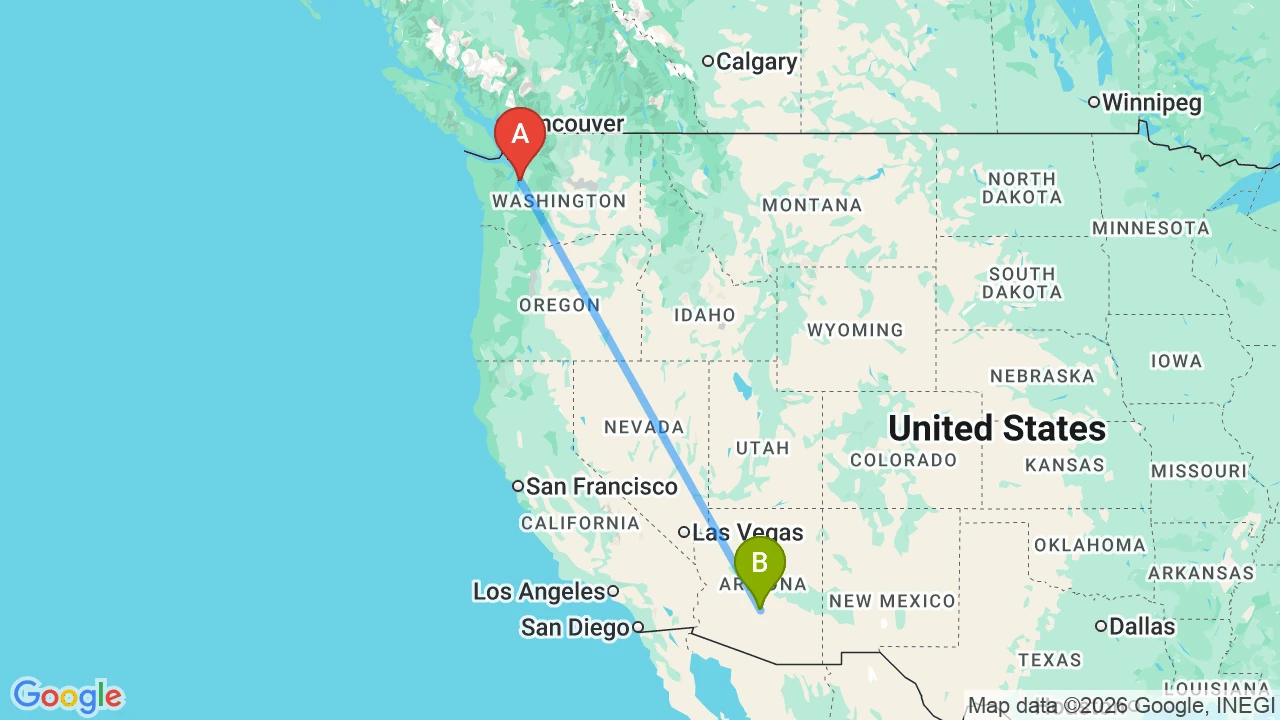
The physical move from Seattle to Gilbert is a long-haul relocation, covering roughly 1,400 miles. Most movers hire professional services or rent a truck for a multi-day drive. Timing matters: summer moves mean arriving in Gilbert during peak heat, which can make unpacking and settling in uncomfortable. Fall and winter moves offer milder weather but may coincide with Seattle’s rainiest months, complicating the departure.
One of the most common surprises for Seattle-to-Gilbert movers is the adjustment to car dependence. Households that relied on one vehicle in Seattle often find they need two in Gilbert, adding insurance, maintenance, and registration costs to the monthly budget. Arizona’s vehicle registration fees are based on assessed value and depreciate over time, but they can feel steep in the first few years of ownership.
Another adjustment is the shift in social infrastructure. Seattle’s culture is defined by coffee shops, microbreweries, and a strong emphasis on outdoor recreation despite the weather. Gilbert’s social life centers more on family activities, chain restaurants, and indoor spaces during the summer months. Movers who thrived on Seattle’s urban density and walkable neighborhoods may feel isolated in Gilbert’s suburban layout, especially if they’re accustomed to spontaneous social interactions that come from living in dense, mixed-use areas.
Utility setup in Gilbert is straightforward, but new residents should anticipate the summer electricity spike. Many movers underestimate how much air conditioning costs during peak months, leading to bill shock in July and August. Pre-cooling strategies, programmable thermostats, and understanding time-of-use rates (if available) can help manage this exposure, but it remains a significant adjustment for households coming from Seattle’s mild summers.
How this article was built: In addition to public economic data, this article incorporates location-based experiential signals derived from anonymized geographic patterns—such as access density, walkability, and land-use mix—to reflect how day-to-day living actually feels in Gilbert, AZ.
Frequently Asked Questions
- Does Gilbert, AZ feel more or less expensive than Seattle, WA?
- Gilbert typically feels less expensive at the point of entry—especially for housing—but ongoing costs concentrate differently. Seattle’s pressure is front-loaded into rent and home prices, while Gilbert’s costs spread across transportation (more driving, more vehicles) and utilities (summer cooling dominates). Households that prioritize ownership and outdoor access often feel relief; those who valued walkability and transit may find hidden costs in car dependence and climate exposure.
- How do housing markets differ between Seattle and Gilbert?
- Seattle’s market is defined by scarcity, vertical density, and high entry barriers, with median home values nearly double Gilbert’s. Gilbert offers more single-family options, lower purchase prices, and a less competitive rental market, but ongoing costs shift toward HOA fees, vehicle expenses, and summer utilities. Ownership becomes accessible to more households in Gilbert, but the trade-off is a car-dependent lifestyle and less walkable neighborhood infrastructure.
- What feels different about daily life after moving from Seattle to Gilbert?
- The biggest shift is car dependence. Errands that might have been walkable or transit-accessible in Seattle require driving in Gilbert, and most households need multiple vehicles. The climate also reshapes routines—summer heat limits outdoor activity during the day, while mild winters open up year-round recreation. Social life becomes more family-oriented and suburban, with less spontaneous access to urban culture and nightlife.
- When does the move from Seattle to Gilbert tend to feel easiest?
- Fall and early winter moves offer the most comfortable arrival window, with mild temperatures and lower utility costs during the settling-in period. Spring moves work well for families aligning with the school year, though temperatures begin climbing by late April. Summer moves mean arriving during peak heat, which can make unpacking and adjustment more physically taxing, though housing inventory and moving availability may be better.
- What are the most common adjustment pressures after this move?
- Car dependence surprises many movers, especially those who managed with one vehicle or relied on transit in Seattle. Summer utility bills also catch households off guard, particularly in the first year before they’ve learned cooling strategies. Social isolation can emerge for movers accustomed to Seattle’s walkable, spontaneous urban culture—Gilbert’s suburban layout requires more intentional planning for social connection and cultural engagement.
- Who does this move tend to work best for?
- This move favors families seeking homeownership, outdoor enthusiasts tired of Seattle’s gray winters, and households willing to trade urban density for space and lower housing costs. It works well for remote workers who don’t need to commute and for those who prioritize yard space, family amenities, and year-round sunshine. It’s more challenging for car-free or car-light households, urbanists who value walkability and transit, and those whose social or professional lives depend on Seattle’s cultural density and industry networks.
Conclusion
The move from Seattle to Gilbert is not a simple cost arbitrage—it’s a fundamental shift in how daily life is structured and where household budgets feel pressure. Housing costs drop at entry, but transportation and cooling expenses rise. Walkability and transit access give way to car dependence and suburban sprawl. Gray, temperate weather is replaced by intense summer heat and year-round sunshine.
This move works best for households ready to embrace a car-oriented, family-focused lifestyle and who value homeownership accessibility over urban density. It’s more challenging for those who thrive on spontaneous urban culture, rely on public transit, or underestimate the logistical and financial weight of Arizona’s summer heat. The key is understanding not whether Gilbert is “cheaper,” but whether the trade-offs align with how you actually want to live.
For deeper exploration of housing markets, neighborhood characteristics, and cost breakdowns in both cities, visit the Seattle and Gilbert city hubs on IndexYard.