
Can you live in Menifee without a car? For most residents, the honest answer is no—but the full picture is more textured than that simple verdict suggests. Menifee’s layout, infrastructure, and development pattern create a transportation reality where driving dominates daily life, yet pockets of the city offer surprising pedestrian accessibility and limited bus service that works for a narrow slice of households. Understanding how people actually get around here—and who benefits from the alternatives—requires looking past assumptions and into the specific structure of this Inland Empire community.
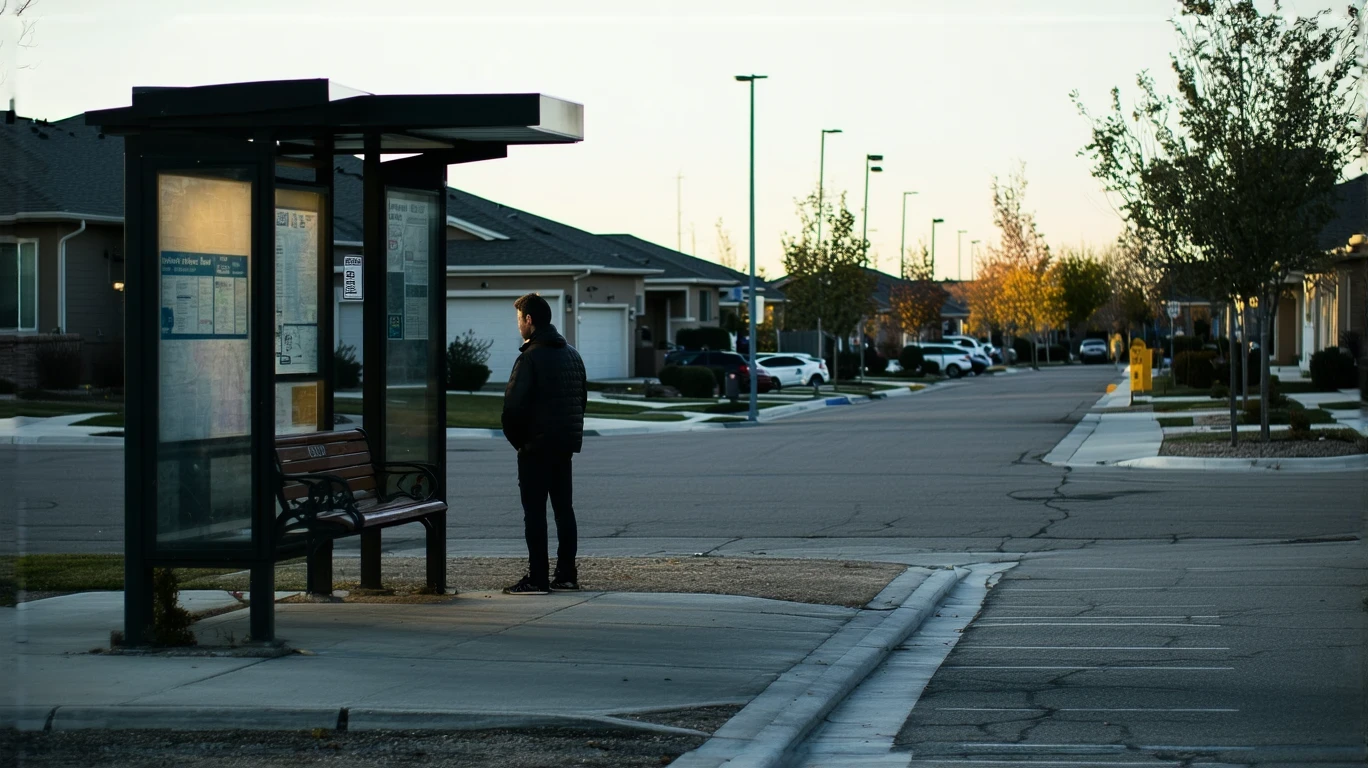
How People Get Around Menifee
Menifee is fundamentally a car-first city. The majority of residents depend on personal vehicles for work commutes, grocery runs, school drop-offs, and errands. This isn’t a matter of preference—it’s a function of geography. The city sprawls across a large area with residential neighborhoods separated from commercial corridors, and the infrastructure reflects decades of auto-oriented development. Roads are wide, parking is abundant, and destinations are spaced in ways that make walking or transit impractical for most trips.
That said, Menifee isn’t uniformly car-dependent. Certain areas—particularly older neighborhoods and sections near commercial corridors—have pedestrian infrastructure that exceeds what you’d expect in a typical suburban environment. Sidewalks, crosswalks, and shorter block distances create walkable pockets where residents can handle some errands on foot. These zones are the exception, not the rule, but they exist and they matter for households trying to reduce their reliance on driving.
Bus service is present, but it plays a supplemental role rather than serving as a backbone for daily mobility. Coverage is limited, and the system is designed more for specific corridors than comprehensive citywide access. Newcomers who assume Menifee offers the transit density of older urban centers will be disappointed. Those who understand the city’s layout and adjust expectations accordingly can find value in the service that does exist—but only if their home, work, and errands align with the available routes.
Public Transit Availability in Menifee
Public transit in Menifee often centers around systems such as Riverside Transit Agency (RTA), which provides bus service connecting parts of the city to surrounding areas in the Inland Empire. The network is not comprehensive. Routes tend to follow major arterials and commercial corridors, leaving large residential areas without direct access. If you live near a served corridor and your destinations fall along the same lines, transit can work. If you don’t, it won’t.
Transit works best for residents who live in denser, older parts of the city where commercial and residential land uses mix. These areas—where grocery stores, clinics, and other services cluster—allow some households to combine walking with occasional bus trips. But even in these pockets, transit is a tool for specific trips, not a replacement for car ownership. Late-night service is minimal, weekend coverage is reduced, and many destinations require transfers or long waits.
For families with school-age children, medical appointments across town, or jobs in neighboring cities with irregular hours, transit falls short. The system isn’t designed to handle the complexity of multi-stop errands, time-sensitive commitments, or routes that don’t follow the main corridors. It’s a resource, but a limited one, and most households treat it as a backup rather than a primary option.
Driving & Car Dependence Reality
Driving isn’t just common in Menifee—it’s structurally necessary for the vast majority of residents. The city’s layout disperses housing, employment, schools, and services across a wide area with few shortcuts. Even short trips often require a car because pedestrian and bike infrastructure, while present in pockets, doesn’t connect neighborhoods to key destinations in a practical way.
Parking is rarely a problem. Homes typically include garages and driveways, and commercial areas offer large surface lots. This removes one of the friction points that makes car ownership costly or inconvenient in denser cities, but it also reinforces the expectation that everyone drives. Streets are designed for vehicle flow, not pedestrian comfort, and intersections prioritize throughput over walkability.
For households with two working adults, school-age kids, or aging parents, car dependence multiplies. One vehicle often isn’t enough. Coordinating drop-offs, pickups, and errands across Menifee’s spread-out geography requires flexibility that transit and walking simply can’t provide. This isn’t about lifestyle preference—it’s about the time and logistics required to manage a household in a place where everything is ten minutes away by car and often unreachable any other way.
Commuting Patterns & Daily Mobility
Commuting in Menifee typically means driving, whether your job is local or in a neighboring city. Many residents work outside Menifee—in Temecula, Murrieta, Riverside, or even farther into Orange County or San Diego County. These commutes are almost entirely car-based, and they shape daily routines in significant ways. Leaving early to avoid traffic, planning errands around the commute route, and managing fuel costs become part of the household’s operational rhythm.
For residents who work locally, commutes are shorter but still car-dependent. Menifee’s commercial and industrial zones are scattered, and few residential neighborhoods sit within walking or biking distance of major employers. Even when distances are manageable on paper, the lack of connected pedestrian infrastructure and the summer heat make non-car commutes impractical for most people most of the time.
Households with flexible or remote work arrangements gain the most control. Eliminating or reducing the daily commute removes the largest single transportation burden and opens up housing choices in neighborhoods that would otherwise require long drives. For everyone else, commuting defines the day’s structure and limits how much time and energy remain for everything else.
Who Transit Works For — and Who It Doesn’t
Transit in Menifee works for a narrow group: individuals or couples without children, living near a bus corridor, working along a route that aligns with service hours, and willing to plan their lives around limited schedules. For this group—often younger renters or older adults no longer driving—bus service provides enough coverage to handle some trips and reduce car dependence without eliminating it entirely.
Transit doesn’t work for families managing school schedules, multiple jobs, or errands that span the city. It doesn’t work for residents in newer subdivisions on the city’s edges, where bus service is absent or infrequent. And it doesn’t work for anyone whose job, childcare, or medical needs fall outside the served corridors or require travel during early morning or late evening hours when service is minimal.
Renters in older, denser parts of Menifee—where walkable access to groceries and services exists—have the best chance of reducing car trips. Homeowners in peripheral subdivisions, by contrast, are locked into full car dependence by the structure of their neighborhoods. This isn’t a matter of effort or planning. It’s a matter of infrastructure and proximity, and those factors are fixed.
Transportation Tradeoffs in Menifee
Choosing between transit and driving in Menifee isn’t a balanced tradeoff for most households—it’s a question of whether transit is even viable. Driving offers control, flexibility, and the ability to manage complex schedules across a sprawling city. Transit offers lower direct costs for the few trips it can handle, but it imposes time penalties, limits spontaneity, and requires living in specific parts of the city to be useful at all.
For households that can make transit work, the tradeoff is time versus exposure. Bus trips take longer, require waiting, and limit how much you can carry or how many stops you can make. Driving costs more in fuel, maintenance, and insurance, but it compresses errands, eliminates wait times, and adapts to changing plans. In Menifee’s context, most households conclude that the time and logistics burden of transit outweighs the financial exposure of driving.
Biking exists as an option in some pockets, particularly for short trips within walkable corridors, but it’s not a citywide solution. Infrastructure is present but not connected, and the summer heat makes regular bike commuting uncomfortable for much of the year. Walking works for errands within a neighborhood or along commercial strips, but only if you live in one of the areas where services cluster. For most residents, getting around means driving, and the cost structure of daily life reflects that reality.
FAQs About Transportation in Menifee (2026)
Is public transit usable for daily commuting in Menifee?
Public transit in Menifee is usable for daily commuting only if your home and workplace both fall along served bus corridors and your schedule aligns with service hours. For most residents, transit doesn’t provide the coverage, frequency, or flexibility needed for reliable daily commuting. It works best as a supplement to driving, not a replacement.
Do most people in Menifee rely on a car?
Yes. The vast majority of Menifee residents rely on a car for daily transportation. The city’s layout, the distance between residential and commercial areas, and the limited reach of public transit make car ownership functionally necessary for most households. Even in walkable pockets, a car is typically needed for trips beyond the immediate neighborhood.
Which areas of Menifee are easiest to live in without a car?
Older neighborhoods near commercial corridors—where grocery stores, clinics, and services cluster—are the easiest areas to live in with reduced car dependence. These pockets have better pedestrian infrastructure and some access to bus service. However, even in these areas, most residents still own a car for trips that walking or transit can’t handle.
How does commuting in Menifee compare to nearby cities?
Commuting in Menifee is similar to other Inland Empire suburbs: car-dependent, with longer drives for residents working outside the city. Compared to denser coastal cities, Menifee offers easier parking and less traffic congestion, but it lacks the transit options that make car-free living possible elsewhere. Compared to more rural areas, Menifee has better road infrastructure and some bus service, but it’s still fundamentally auto-oriented.
Can you bike safely for errands in Menifee?
Biking is possible in some parts of Menifee, particularly within neighborhoods or along certain corridors where bike infrastructure exists. However, the network isn’t comprehensive, and many routes require sharing roads with fast-moving traffic. For short, local trips in favorable weather, biking works. For longer distances or trips across the city, it’s impractical for most residents.
How Transportation Fits Into the Cost of Living in Menifee
Transportation in Menifee isn’t just a line item—it’s a structural factor that shapes where you can live, how you spend your time, and what flexibility you have in daily life. Car dependence means that fuel prices, maintenance schedules, and insurance costs become fixed household expenses that can’t be avoided through planning or discipline. Unlike cities where transit provides a lower-cost alternative, Menifee offers limited options, and most households absorb the full cost of vehicle ownership as a baseline requirement.
The tradeoff isn’t purely financial. Driving allows households to live in newer, more affordable neighborhoods on the city’s edges, where housing costs are lower but transportation needs are higher. Choosing a home closer to walkable corridors or bus routes can reduce car trips, but those areas often come with higher rents or home prices. The decision isn’t about optimizing a budget—it’s about balancing proximity, housing cost, and the time burden of commuting and errands.
For a fuller picture of how transportation costs interact with housing, utilities, and other expenses, see A Month of Expenses in Menifee: What It Feels Like, which breaks down the monthly cost structure and explains how different household types manage the tradeoffs. Understanding transportation in Menifee means recognizing that mobility shapes nearly every other decision—and that for most residents, the car isn’t optional.
How this article was built: In addition to public economic data, this article incorporates location-based experiential signals derived from anonymized geographic patterns—such as access density, walkability, and land-use mix—to reflect how day-to-day living actually feels in Menifee, CA.