
Answer: Menifee is considered moderately priced in 2026, with a median home value of $442,600 and median rent of $1,946 per month. The value proposition depends on housing entry cost versus car dependence and seasonal cooling exposure.
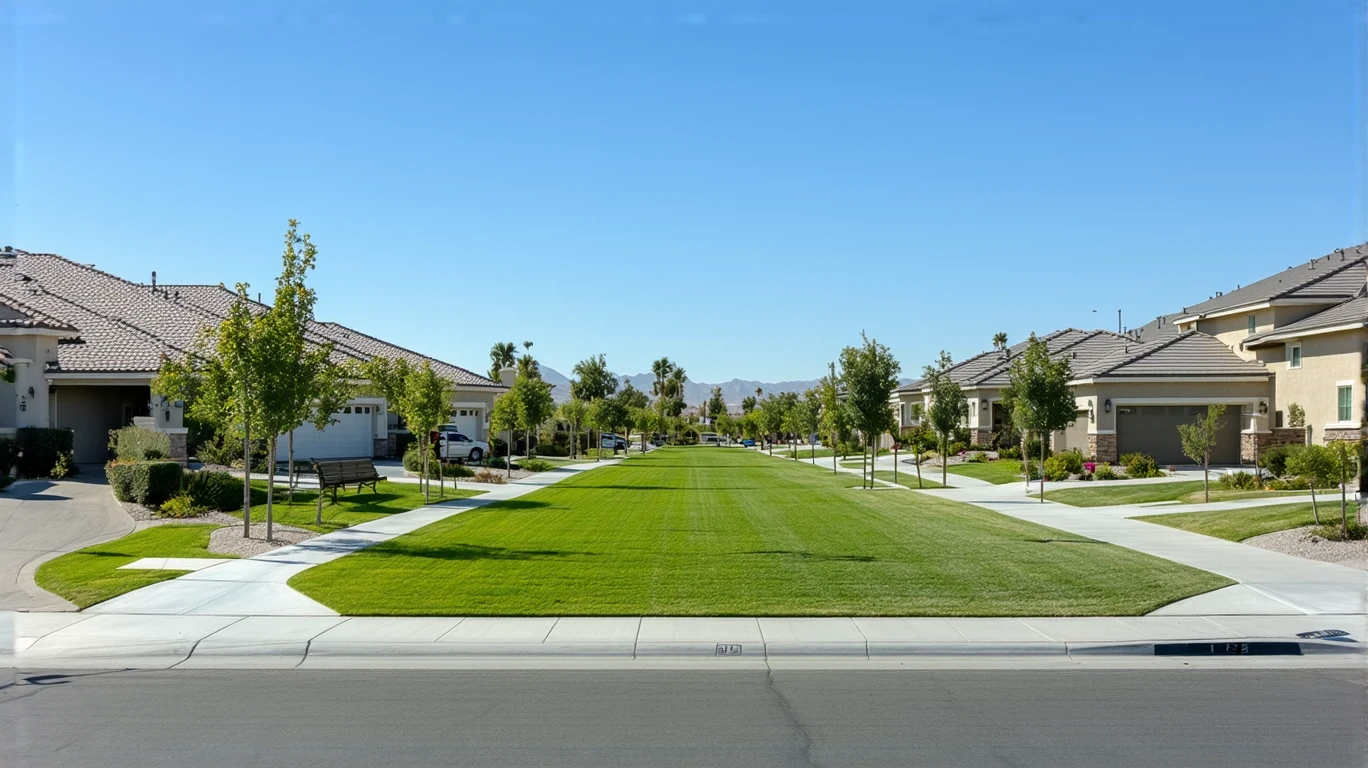
Overall Cost of Living Snapshot
Over the last five years, Menifee’s cost structure has remained anchored to two forces: housing entry barriers typical of Southern California’s Inland Empire, and the recurring expense of vehicle ownership in a region where daily errands and work commutes still require a car despite pockets of walkable infrastructure. The regional price parity index sits at 103, placing Menifee just above the national baseline—a modest premium that reflects California’s broader cost environment without the extremes of coastal metros.
Housing dominates the cost landscape. Whether renting or buying, the initial financial commitment sets the floor for everything else. But the second-largest pressure point isn’t groceries or utilities—it’s transportation. Menifee’s layout includes areas with substantial pedestrian infrastructure and food and grocery options concentrated along commercial corridors, yet bus service remains the only public transit option. That means most households still depend on at least one vehicle, and many need two. Fuel prices currently sit at $5.93 per gallon, and even short daily trips compound quickly in a region where errands, work, and services are spread across multiple nodes.
Utilities add seasonal volatility rather than constant pressure. Electricity rates of 30.29¢ per kWh combine with extended cooling seasons driven by triple-digit summer heat, creating sharp seasonal swings in household bills. Natural gas, priced at $22.96 per MCF, plays a smaller role given the mild winters, but the electricity exposure during summer months is significant and recurring.
Driver verdict: Housing entry cost is the dominant barrier, but ongoing transportation dependence and summer cooling exposure shape the month-to-month reality. Surprises come less from day-to-day prices and more from the cumulative weight of vehicle ownership, fuel volatility, and seasonal utility spikes.
Housing Costs (Primary Driver)
Menifee’s housing market reflects its role as an Inland Empire suburb: more accessible than coastal California, but still shaped by the state’s broader affordability pressures. The median home value of $442,600 represents a significant entry cost, requiring substantial down payment reserves and mortgage qualification even at current income levels. The median household income of $87,871 per year provides context for that barrier—homeownership here is achievable for dual-income households with stable employment, but it’s not casual.
Renters face a different calculus. At $1,946 per month for median gross rent, the monthly outlay is lower than ownership costs in the near term, but it offers no equity accumulation and exposes households to lease renewal volatility. Renting makes sense for those prioritizing flexibility, avoiding maintenance risk, or still building savings for a down payment. Ownership makes sense for those ready to lock in long-term housing costs and willing to absorb the responsibilities of property management, tax obligations, and repair exposure.
Menifee functions as a transitional city for many: a place where households move to access homeownership after being priced out of Orange County or western Riverside County, or where renters settle temporarily while weighing whether to commit to the Inland Empire’s car-dependent lifestyle long-term.
| Housing Type | Cost Anchor | What That Buys You |
|---|---|---|
| Median Home Value | $442,600 | Single-family home, equity build, property tax and maintenance exposure |
| Median Gross Rent | $1,946/month | Flexibility, no repair risk, no equity, lease renewal volatility |
Conclusion: Menifee is a buying city for those ready to commit, and a renting city for those still deciding whether the Inland Empire’s tradeoffs—space for cost, car dependence for housing access—align with their long-term plans.
Utilities & Energy Risk
Electricity is the primary utility exposure in Menifee. At 30.29¢ per kWh, the rate itself is elevated compared to much of the country, but the real pressure comes from usage intensity during the extended cooling season. Menifee’s inland location subjects it to hot, dry summers with prolonged stretches of triple-digit heat. Air conditioning isn’t optional—it’s a baseline requirement for habitability. Households with older HVAC systems, poor insulation, or west-facing exposure see sharper seasonal bill increases.
Natural gas, priced at $22.96 per MCF, plays a smaller role. Winters are mild, and heating demand is minimal compared to cooling. Gas is more relevant for water heating and cooking than for climate control, meaning it contributes to baseline costs but doesn’t create the same seasonal volatility as electricity.
The unemployment rate of 5.3% adds context: utility bills are a fixed recurring obligation, and in a region where job stability can fluctuate, the summer electricity spike represents a meaningful budget risk for households operating without significant cash reserves.
Risk classification: Moderate to major. The combination of high per-kWh rates and high seasonal usage creates a structural exposure that can’t be avoided, only managed through efficiency upgrades, behavioral adjustments, or acceptance of higher summer outlays.
Groceries & Daily Costs
Grocery costs in Menifee reflect the regional price parity index of 103—slightly above the national baseline, but not dramatically so. The derived grocery estimates show modest premiums across staple categories: bread, dairy, eggs, and proteins all cost more than in lower-cost regions, but the increases are incremental rather than prohibitive.
What matters more than individual item prices is access structure. Food and grocery options in Menifee are concentrated along commercial corridors rather than distributed evenly across neighborhoods. That means most households need to drive to shop, and the decision of where to buy groceries often hinges on proximity, parking availability, and whether the trip can be combined with other errands. The corridor-clustered layout reduces the ability to walk for daily needs, even in areas with substantial pedestrian infrastructure.
For larger households or those buying in bulk, the grocery pressure is noticeable but manageable. For single-person or two-person households, the per-trip cost is lower, but the frequency of trips and the fuel cost of driving to stores can add friction that isn’t immediately visible in the price of milk or eggs.
Transportation Reality
Transportation in Menifee is a recurring structural cost, not a discretionary one. The city’s layout includes walkable pockets with high pedestrian-to-road ratios and some cycling infrastructure, but daily errands and employment centers remain distributed across a car-oriented region. Bus service exists, but it’s the only public transit option, and it doesn’t provide the frequency or coverage needed to replace vehicle ownership for most households.
That means nearly every household needs at least one car, and many need two. Fuel prices of $5.93 per gallon turn every commute, errand run, and weekend trip into a line-item expense. Even households that live in the more walkable parts of Menifee still drive regularly—to reach grocery stores, access healthcare, get to work, or connect with services outside the immediate neighborhood.
The Inland Empire’s regional role as a commuter zone amplifies this. Many Menifee residents work in other parts of Riverside County, in San Bernardino, or even in Orange County, meaning long commutes are common. The absence of commute data in the feed prevents precise characterization, but the regional context and OSM-derived signals make clear that transportation tradeoffs are central to the Menifee cost structure.
Vehicle ownership brings insurance, registration, maintenance, and depreciation costs on top of fuel. These aren’t one-time expenses—they’re ongoing obligations that layer onto housing and utilities as part of the baseline cost of living here.
Cost Exposure Profiles
Menifee’s cost structure creates distinct exposure profiles depending on housing status, vehicle count, and commute patterns.
Low-exposure situations: Homeowners who bought years ago and locked in lower property tax bases, single-vehicle households with short or no commutes, and residents who work from home or locally face the least pressure. Their housing costs are stable, transportation is manageable, and utilities—while seasonal—are predictable.
High-exposure situations: Recent homebuyers facing current mortgage rates and property taxes, dual-vehicle households with long commutes, and renters subject to lease renewal increases face compounding pressures. Transportation becomes a major recurring cost, summer electricity spikes hit harder without efficiency upgrades, and housing consumes a larger share of income.
The difference isn’t about income sufficiency—it’s about cost structure. Menifee rewards those who can minimize vehicle dependence, stabilize housing early, and manage seasonal utility swings. It penalizes those who must absorb high entry costs, long commutes, and variable lease terms simultaneously.
How this article was built: In addition to public economic data, this article incorporates location-based experiential signals derived from anonymized geographic patterns—such as access density, walkability, and land-use mix—to reflect how day-to-day living actually feels in Menifee, CA.
Frequently Asked Questions
Is Menifee more affordable than Temecula or Murrieta in 2026? Menifee tends to offer lower housing entry costs than both Temecula and Murrieta, though all three cities share similar transportation and utility pressures. The affordability edge comes primarily from the housing side, not from day-to-day expenses.
What does a typical cost profile look like in Menifee? Housing dominates, followed by vehicle ownership and fuel costs, then seasonal electricity exposure during summer months. Groceries and other daily costs are present but secondary to those three structural drivers.
Do utilities cost more in Menifee than in nearby Inland Empire cities? Electricity rates are consistent across much of Riverside County, so the difference comes from usage intensity rather than price. Menifee’s inland heat exposure means cooling costs are significant and recurring during summer.
What costs tend to surprise newcomers in Menifee? The cumulative weight of vehicle ownership—fuel, insurance, maintenance—often surprises those coming from transit-rich areas. Summer electricity bills also catch people off guard if they’re not prepared for extended cooling seasons.
Are property taxes higher in Menifee than in Lake Elsinore or Perris? Property tax rates are set by overlapping districts and can vary, but the bigger factor is assessed home value. Menifee’s higher median home value often translates to higher absolute tax bills, even if the rate structure is similar.
Is Menifee a good value compared to Orange County? Menifee offers significantly lower housing costs than most of Orange County, but the tradeoff is longer commutes, greater car dependence, and less access to coastal amenities. The value depends entirely on whether those tradeoffs align with your priorities.
How much does car dependency add to the cost of living in Menifee? Vehicle ownership is a structural requirement here, not a discretionary expense. Fuel, insurance, maintenance, and depreciation layer onto housing and utilities as baseline recurring costs, making transportation the second-largest pressure point after housing.
Does Menifee’s cost structure favor renters or owners? Ownership offers long-term cost stability and equity accumulation, but requires significant upfront capital and tolerance for maintenance risk. Renting offers flexibility and lower near-term costs, but exposes households to lease renewal volatility and no equity build.
—