
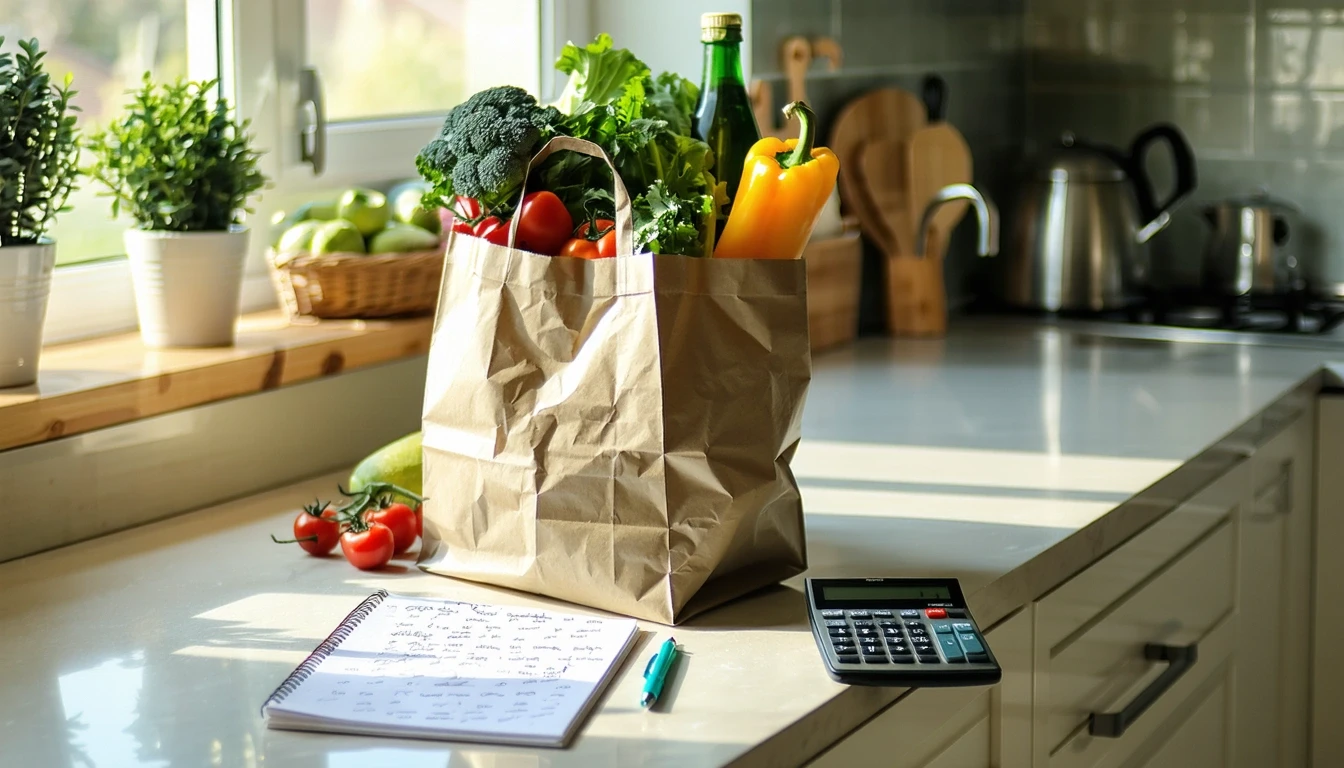
Can You Stay Under $100? The Grocery Challenge in Levittown
Walk into any grocery store in Levittown with a mental budget of $100, and you’ll quickly learn how far that amount stretches—or doesn’t. For a household picking up staples like eggs, milk, chicken, and fresh produce, that $100 threshold can feel like a meaningful line in the sand. Cross it, and the week’s shopping suddenly feels expensive. Stay under it, and there’s a sense of control. The reality is that grocery costs in Levittown sit just above the national baseline, reflecting the region’s modest cost-of-living premium, but the experience of grocery shopping here varies widely depending on income, household size, and which stores you choose.
Levittown’s grocery landscape is shaped by its suburban structure. Food and grocery options are concentrated along commercial corridors rather than scattered evenly across neighborhoods, which means most residents drive to shop. That changes behavior: trips are less frequent, carts are fuller, and store choice becomes a deliberate decision rather than a matter of convenience. For families managing tight budgets, knowing which stores offer the best value—and planning trips accordingly—can make a tangible difference in how grocery costs feel week to week.
This article breaks down how grocery prices actually work in Levittown, who feels the pressure most, and how store choice and shopping habits influence what you spend. It’s not about simulating a perfect grocery list—it’s about understanding the forces that make groceries feel affordable or tight, and how households here navigate that reality.
How Grocery Costs Feel in Levittown
Grocery prices in Levittown reflect the region’s slightly elevated cost structure. With a regional price parity index of 104, the area sits modestly above the national average, meaning staple items tend to cost a bit more than they would in lower-cost regions. That difference isn’t dramatic, but it’s noticeable—especially for households buying in volume or managing fixed incomes. A gallon of milk, a dozen eggs, or a pound of chicken each carry a small premium that adds up over the course of a month.
Who notices grocery costs most? It depends on income and household composition. For high-earning couples or small households with median household incomes around $97,750 per year, grocery spending rarely creates pressure. Premium organic options, specialty items, and convenience foods are all accessible without much thought. But for single earners, larger families, or households on tighter budgets, grocery costs require active management. A family of four buying for the week can easily see totals climb past $150 or $200, and that’s where store choice, meal planning, and buying habits start to matter.
The structure of Levittown’s grocery access also shapes the experience. Because food and grocery establishments are clustered along corridors rather than distributed evenly, most residents drive to shop. That means trips are less frequent and carts are fuller, which can push totals higher per visit even if weekly spending stays the same. It also means that choosing the right store—whether a discount chain, a mid-tier grocer, or a premium market—becomes a more intentional decision, since switching stores isn’t as simple as walking a few extra blocks.
Grocery Price Signals (Illustrative)
These prices illustrate how staple items tend to compare locally—not a full shopping list. They’re derived estimates based on national baselines adjusted for regional cost patterns, and they help anchor the conversation about relative grocery pressure in Levittown. Actual prices vary by store, season, and brand, but these figures provide a sense of where Levittown sits.
| Item | Price |
|---|---|
| Bread (per pound) | $1.92 |
| Cheese (per pound) | $4.87 |
| Chicken (per pound) | $2.13 |
| Eggs (per dozen) | $2.60 |
| Ground beef (per pound) | $7.01 |
| Milk (per half-gallon) | $4.19 |
| Rice (per pound) | $1.12 |
Derived estimate based on national baseline adjusted by regional price parity; not an observed local price.
What stands out here is the range. Ground beef at over $7 per pound represents a significant expense for families buying in bulk, while rice at just over $1 per pound offers a low-cost staple that stretches meals. Eggs and chicken sit in the middle—affordable enough for regular rotation but not immune to price swings. Cheese and milk, both dairy staples, carry moderate premiums that add up quickly for households with kids or heavy breakfast routines.
These prices don’t tell the whole story, but they do reveal where cost pressure concentrates. Protein—especially beef—drives totals up fast. Dairy and fresh produce sit in a middle band where quality and brand choice create wide price variation. Pantry staples like rice and bread offer the most predictable, low-cost foundation for meal planning.
Store Choice & Price Sensitivity
Grocery pressure in Levittown varies more by store tier than by any single “average” experience. The difference between shopping at a discount grocer, a mid-tier chain, and a premium market can easily amount to 20–30% on a comparable cart of staples. That gap matters most for households buying in volume or managing tight budgets, where a $40 difference per week translates to meaningful monthly pressure.
Discount tier stores offer the lowest prices on staples, generic brands, and bulk items. These stores strip out convenience and ambiance in favor of cost efficiency. For families buying large quantities of chicken, rice, eggs, and canned goods, discount stores provide the most relief. The tradeoff is selection: organic options, specialty items, and prepared foods are limited or absent. But for households prioritizing cost control, discount stores are the anchor of grocery strategy.
Mid-tier chains occupy the middle ground, offering broader selection, better produce quality, and more name-brand options while keeping prices reasonable. These stores are where most Levittown households shop most of the time. They balance cost and convenience, making them the default for families who want variety without paying premium prices. Mid-tier stores also tend to run weekly promotions and loyalty programs that reward regular shoppers, which can soften the cost difference with discount stores.
Premium markets cater to households willing to pay more for organic produce, specialty meats, prepared meals, and curated selection. Prices here run 25–40% higher than discount stores on comparable items, but the experience is different: better lighting, wider aisles, staffed service counters, and a focus on quality over volume. For high-income households or those prioritizing organic and specialty items, premium stores offer value in the form of convenience and product quality. For budget-conscious families, they’re occasional stops for specific items rather than weekly destinations.
Because grocery options in Levittown are corridor-clustered rather than neighborhood-distributed, store choice becomes a more deliberate decision. Residents plan trips around which store offers the best value for their needs, and switching between stores requires a drive rather than a short walk. That structure rewards planning and consistency, but it also means that households without flexible transportation or time face more friction in accessing the lowest-cost options.
What Drives Grocery Pressure Here
Grocery pressure in Levittown is shaped by the interaction of regional cost structure, household income, and the logistics of suburban shopping. The region’s modest cost premium—reflected in that 104 regional price parity index—means staples cost slightly more than the national average, but that difference is small enough that it rarely dominates the conversation. What matters more is how income, household size, and shopping behavior amplify or soften that baseline pressure.
For households earning near or above the median income of $97,750, grocery costs are a minor line item. Even with a family of four, weekly grocery spending rarely creates tension. These households can absorb price swings, shop at mid-tier or premium stores without stress, and prioritize convenience or quality over cost. But for single earners, retirees on fixed incomes, or larger families with multiple dependents, grocery costs require active management. A $30 or $40 weekly difference between store tiers becomes meaningful when multiplied across a month or a year.
Household size amplifies price sensitivity. A couple buying for two can keep weekly totals under $100 without much effort, even at mid-tier stores. A family of four or five, buying snacks, school lunches, and multiple proteins, can easily see totals climb to $150 or $200 per week. Volume drives cost, and larger households feel grocery pressure more acutely—especially when kids are involved and preferences narrow meal options.
The structure of grocery access also plays a role. Because food and grocery establishments are concentrated along corridors rather than distributed evenly, most residents drive to shop. That changes the rhythm of grocery shopping: trips are less frequent, carts are fuller, and the temptation to add convenience items or impulse buys increases. It also means that households without reliable transportation or flexible schedules face more friction in accessing discount stores, which are often located farther from residential areas. For those households, mid-tier stores closer to home become the default, even if prices are higher.
Practical Ways People Manage Grocery Costs
Managing grocery costs in Levittown isn’t about extreme couponing or eliminating fresh food—it’s about making deliberate choices that reduce waste, take advantage of lower-cost options, and align spending with household priorities. The strategies that work best are the ones that fit naturally into weekly routines rather than requiring constant vigilance.
Shopping at discount stores for staples is the most direct way to lower grocery totals. Buying rice, beans, canned goods, eggs, and frozen vegetables in bulk at discount stores creates a low-cost foundation for meals, freeing up budget for higher-quality proteins or fresh produce at mid-tier stores. This approach requires planning and storage space, but it reduces per-unit costs without sacrificing nutrition.
Meal planning around sales and seasonal produce helps households avoid impulse buys and reduce waste. Knowing what’s on sale before walking into the store makes it easier to build a week’s worth of meals around lower-cost proteins and vegetables. Seasonal produce—like summer tomatoes or fall squash—costs less and tastes better, making it easier to cook from scratch without feeling like a compromise.
Cooking from scratch instead of buying prepared foods shifts the tradeoff from money to time. A rotisserie chicken costs $8 to $10 and feeds a family for one meal. Buying a whole chicken for $2.13 per pound and roasting it at home costs less and yields leftovers for sandwiches or soup. The same logic applies to baking bread, making sauces, and preparing snacks. The time investment is real, but the cost savings accumulate quickly for households that cook regularly.
Buying store brands instead of name brands reduces costs on pantry staples without noticeable quality differences. Canned tomatoes, pasta, cereal, and frozen vegetables are nearly identical across brands, but store labels cost 15–30% less. For households buying these items weekly, the savings add up without requiring any change in meals or routines.
Avoiding mid-week top-up trips reduces impulse spending and keeps totals predictable. One planned grocery trip per week, with a clear list, prevents the small $20 or $30 stops that add up over the month. For households that run out of fresh produce or milk mid-week, buying slightly larger quantities upfront—or planning meals that use pantry staples toward the end of the week—helps maintain discipline.
Groceries vs Eating Out (Directional)
The tradeoff between cooking at home and eating out isn’t just about cost—it’s about time, convenience, and how much mental energy a household has left at the end of the day. In Levittown, where most residents commute and many work full-time, the temptation to pick up takeout or eat at a restaurant is real. But the cost difference between a home-cooked meal and a restaurant meal is significant, even when groceries feel expensive.
A home-cooked dinner for a family of four—built around chicken, rice, and vegetables—might cost $12 to $18 in groceries. The same family eating out, even at a casual chain, will spend $50 to $80 after tax and tip. That gap is wide enough that even a few restaurant meals per week can rival or exceed an entire week’s grocery budget. For households managing tight budgets, limiting restaurant meals to once or twice a month—and treating them as intentional outings rather than default solutions—helps keep food costs under control.
Takeout and delivery add another layer of cost. A $30 takeout order becomes $40 after fees and tip, and the convenience premium is harder to justify when groceries are already in the fridge. For households that rely on takeout during busy weeks, meal prepping on weekends or keeping a rotation of simple, fast meals (pasta, stir-fry, tacos) reduces the need for last-minute orders without adding much time to weeknights.
The key insight is that cooking at home doesn’t have to mean elaborate meals or hours in the kitchen. Simple, repeatable meals built around low-cost staples provide the biggest cost advantage, and they’re often faster than waiting for delivery. For households that value eating out as a social experience, budgeting for it explicitly—and protecting grocery discipline the rest of the time—makes it sustainable without creating financial pressure.
FAQs About Grocery Costs in Levittown (2026)
Is it cheaper to shop in bulk in Levittown? Yes, buying bulk staples like rice, beans, pasta, and canned goods at discount stores reduces per-unit costs significantly, especially for larger households. The tradeoff is upfront cost and storage space, but for families who cook regularly, bulk buying provides meaningful relief over time.
Which stores in Levittown are best for low prices? Discount-tier grocery chains offer the lowest prices on staples and generic brands, making them the best choice for households prioritizing cost control. Mid-tier stores balance cost and selection, while premium markets cater to shoppers willing to pay more for organic and specialty items.
How much more do organic items cost in Levittown? Organic produce, dairy, and meat typically cost 30–50% more than conventional options, with the premium varying by item and store. For households on tight budgets, prioritizing organic for items where it matters most—like berries or leafy greens—while buying conventional for others helps manage costs without eliminating organic options entirely.
How do grocery costs for two adults in Levittown tend to compare to nearby cities? Levittown’s regional price parity sits just above the national baseline, meaning grocery costs are modestly higher than lower-cost areas but comparable to other Philadelphia-area suburbs. The difference is small enough that store choice and shopping habits matter more than location for most households.
How do households in Levittown think about grocery spending when cooking at home? Most households treat grocery spending as a controllable expense that responds to planning, store choice, and meal habits. Families who cook regularly and shop at discount or mid-tier stores can keep costs predictable, while those relying on convenience items or premium stores see higher totals but gain time and variety in return.
How Groceries Fit Into the Cost of Living in Levittown
Grocery costs in Levittown are a noticeable but manageable part of the household budget, especially when compared to housing and utilities. For most families, groceries represent a smaller share of monthly expenses than rent or mortgage payments, and they’re one of the few categories where behavior and planning create immediate, tangible savings. That makes groceries a natural place to focus when households want to tighten spending without making drastic changes to lifestyle or location.
The key is understanding how groceries interact with other costs. A household paying $1,398 per month in rent or carrying a mortgage on a $283,900 home faces fixed housing costs that dominate the budget. Groceries, by contrast, flex with store choice, meal planning, and buying habits. That flexibility makes grocery management a practical lever for households feeling pressure elsewhere—whether from rising utility bills, commuting costs, or unexpected expenses.
For a complete picture of how grocery costs fit into your monthly budget in Levittown, including housing, transportation, and utilities, the Monthly Budget article provides the full breakdown. That’s where totals, tradeoffs, and affordability thresholds come together. This article focuses on groceries alone—how they feel, who feels the pressure, and how store choice and habits shape the experience.
The takeaway for households moving to or living in Levittown is that grocery costs are real but controllable. They respond to planning, store choice, and cooking habits in ways that housing and transportation costs don’t. For families managing tight budgets, groceries offer one of the clearest opportunities to reduce spending without sacrificing quality of life. For higher-income households, groceries rarely create pressure, but understanding the cost structure still helps with planning and decision-making. Either way, knowing how grocery costs work here—and how they fit into the broader cost of living—makes it easier to shop with confidence and control.
How this article was built: In addition to public economic data, this article incorporates location-based experiential signals derived from anonymized geographic patterns—such as access density, walkability, and land-use mix—to reflect how day-to-day living actually feels in Levittown, PA.