
Lenexa, KS vs. Olathe, KS: Cost of Living Comparison (2025)
As two prominent suburbs in the Kansas City metro area, Lenexa and Olathe often draw comparisons from those looking to relocate or buy a home in 2025. While both cities offer a high quality of life and family-friendly amenities, subtle differences in cost of living can sway decisions for budget-conscious residents.
Lenexa tends to be slightly more affordable overall, with lower housing costs and utility bills that can save residents around $300 per month compared to Olathe. However, Olathe’s newer housing stock and top-rated schools still make it an attractive option for those willing to spend a bit more. Ultimately, the choice between these two cities comes down to weighing lifestyle priorities against budget constraints.
Housing Costs: Lenexa Offers More Affordable Options
In 2025, the median home price in Lenexa is approximately $350,000, while Olathe’s median sits closer to $400,000. This $50,000 difference can significantly impact monthly mortgage payments, with Lenexa homeowners saving around $250 per month on a typical 30-year fixed-rate loan.
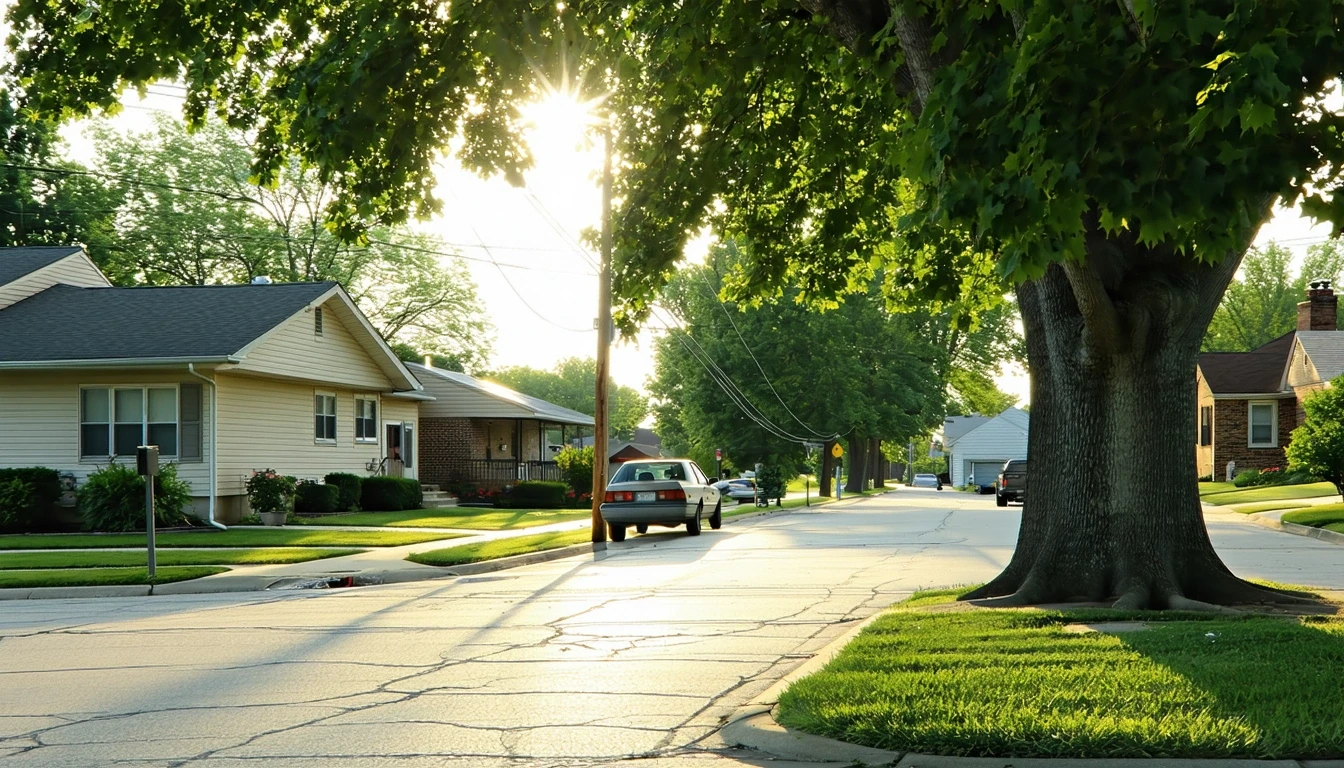
Renters will also find more budget-friendly options in Lenexa. A mid-range 2-bedroom apartment averages $1,200 per month, compared to $1,400 in Olathe. Lenexa’s older housing stock and abundance of 1970s-era apartment complexes contribute to these lower rental rates.
| Housing Type | Lenexa | Olathe |
|---|---|---|
| Median Home Price | $350,000 | $400,000 |
| 2BR Apartment Rent | $1,200 | $1,400 |
| 3BR House Rent | $1,800 | $2,100 |
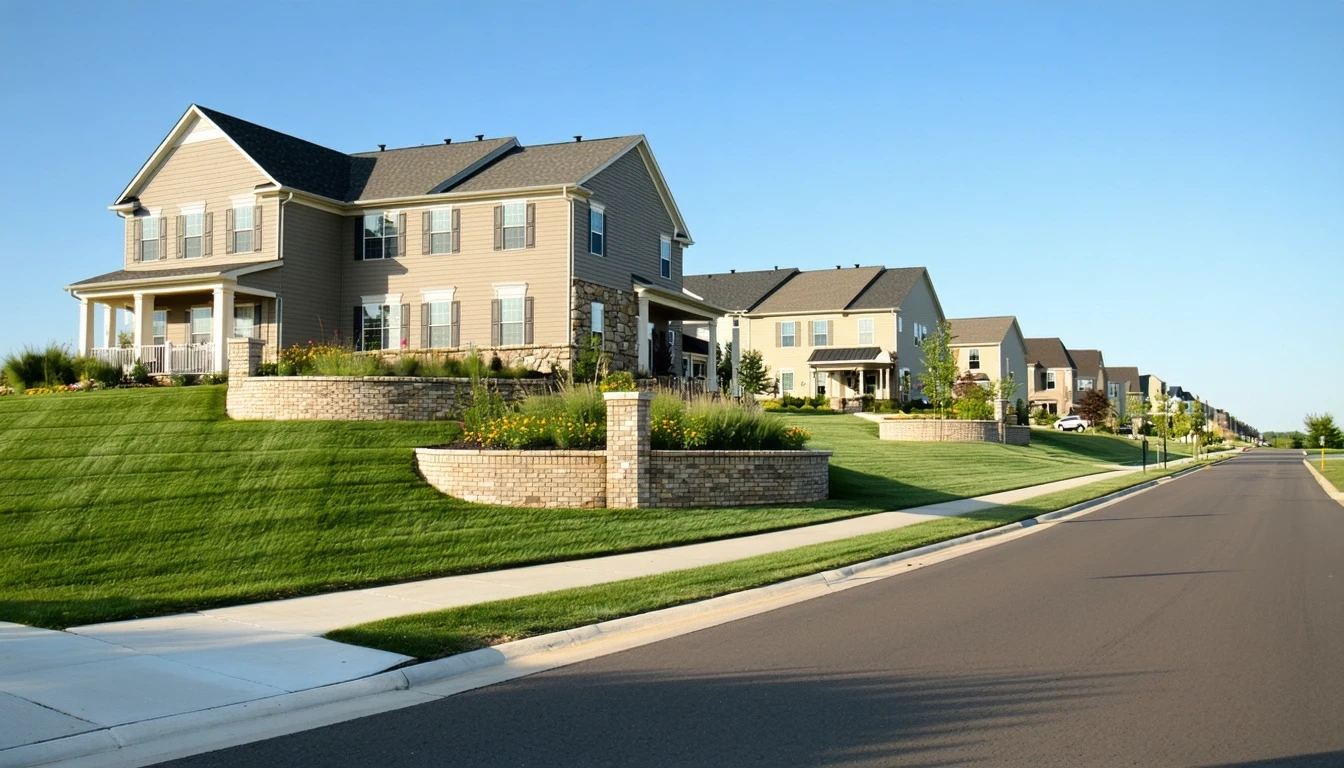
For young professionals and singles, Lenexa’s lower housing costs can provide more flexibility in choosing an apartment that fits their budget and desired location. Families, on the other hand, may find Olathe’s higher prices worthwhile for the extra space and newer construction common in the city’s popular subdivisions.
Winner: Lenexa. The city’s overall lower housing costs make it more budget-friendly for both renters and buyers.
Comparing Utility Bills Between Lenexa and Olathe
Utility costs are fairly comparable between Lenexa and Olathe, with both cities served by the same electric and gas providers. However, Lenexa residents tend to report slightly lower monthly bills, likely due to the city’s older, smaller homes that require less energy to heat and cool.
In Lenexa, a typical family of four can expect to pay around $150 per month for electricity and $80 for natural gas, with costs rising in the summer and winter months. Olathe households may pay closer to $175 for electricity and $100 for gas, given the larger average home size.
Both cities offer energy-efficiency programs and rebates to help residents manage utility costs. Lenexa’s Efficiency Kansas initiative provides free home energy audits and low-interest loans for efficiency upgrades, which can be especially beneficial for those in older homes.
Winner: Lenexa, but by a small margin. The city’s older housing stock and efficiency programs give it a slight edge in keeping utility bills manageable.
Groceries and Daily Expenses: A Toss-Up
When it comes to everyday expenses like groceries, dining out, and household goods, Lenexa and Olathe are fairly evenly matched. Both cities have a mix of major grocery chains, local markets, and specialty food stores, with prices that align with the Kansas City metro average.
A gallon of milk runs about $3.50 in either city, while a loaf of bread averages $2.75. Dining out is also comparable, with a mid-range dinner for two costing around $50 in both Lenexa and Olathe. However, Lenexa’s older downtown district does offer a few more budget-friendly local eateries and happy hour specials.
Families may find slightly better deals on household essentials in Olathe, thanks to the city’s larger concentration of big-box stores like Walmart and Target. However, Lenexa’s Village West development has attracted more discount retailers in recent years, evening out the price differences.
Winner: Tie. Residents can expect similar costs for groceries and daily expenses in both cities.
Comparing Taxes and Fees in Lenexa vs Olathe
As Kansas cities, both Lenexa and Olathe have a combined sales tax rate of 9.13% as of 2025, which includes state, county, and city taxes. Property tax rates are also similar, with Lenexa’s mill levy at 128.5 and Olathe’s at 129.8.
For a $350,000 home in Lenexa, annual property taxes would be approximately $4,500. In Olathe, a $400,000 home would owe closer to $5,200 per year. Over time, this $700 difference can add up for Olathe homeowners.
One notable difference is in city-specific fees. Lenexa charges a $14.50 monthly fee for trash and recycling services, while Olathe bundles these costs into property taxes. Lenexa residents also pay a slightly higher water and sewer rate, averaging $70 per month compared to Olathe’s $60.
Winner: Lenexa. While tax rates are similar, Lenexa’s lower home prices result in a smaller annual property tax bill. Olathe’s bundled services may be more convenient, but don’t necessarily offer cost savings.
Cost of Living Summary: Lenexa vs Olathe
| Category | Lenexa | Olathe |
|---|---|---|
| Housing | $1,500 | $1,750 |
| Utilities | $230 | $275 |
| Groceries | $600 | $600 |
| Transportation | $250 | $250 |
| Taxes | $375 | $430 |
| Misc. | $400 | $400 |
| Estimated Monthly Total | $3,355 | $3,705 |
Based on these estimates, a typical household could expect to spend about $350 less per month living in Lenexa compared to Olathe. Over the course of a year, that adds up to $4,200 in potential savings.
Estimates reflect 2025 costs for a mid-size household (2-bedroom apartment or 3-bedroom home) using published national data and regional benchmarks. Actual expenses will vary with household size, lifestyle, and neighborhood.
Lifestyle Factors to Consider
While cost of living is a major consideration, lifestyle fit is equally important when choosing between Lenexa and Olathe. Both cities offer a suburban feel with easy access to Kansas City amenities, but there are some notable differences.
Lenexa is known for its expansive parks system, with over 30 miles of trails and green spaces like Black Hoof Park and Lake Lenexa. The city’s quaint Old Town district also offers a dose of small-town charm, with local shops, restaurants, and community events. Lenexa’s walkability score of 36 beats Olathe’s 30, making it a bit more pedestrian-friendly.
Olathe, on the other hand, boasts a top-rated school district that’s a major draw for families. The city also has a thriving downtown area with a mix of historic buildings and new developments, including the popular Kansas State School for the Deaf campus turned mixed-use district. Olathe’s newer housing stock and planned communities offer more modern amenities, but often at a higher price point.
Commute times are a wash between the two cities, with both offering easy access to I-35 and I-435 for getting around the metro. However, Olathe’s slightly more central location may be a plus for those who travel to Kansas City, MO or Lee’s Summit for work.
Frequently Asked Questions
Is Lenexa more affordable than Olathe in 2025?
Yes, Lenexa tends to be more affordable than Olathe, particularly when it comes to housing costs. Lenexa’s median home price is about $50,000 lower than Olathe’s, and rental rates are also more budget-friendly.
How do utility costs compare between Lenexa and Olathe?
Utility costs are slightly lower in Lenexa, thanks in part to the city’s older, smaller homes that require less energy. However, the difference is relatively small, with Lenexa residents saving an estimated $30-$50 per month on average.
Are property taxes higher in Olathe than in Lenexa?
Property tax rates are nearly identical in Lenexa and Olathe. However, Olathe’s higher home values mean residents will typically pay more in annual property taxes compared to similar homes in Lenexa.
What is the average monthly cost of living for a family of four in Lenexa vs Olathe?
Based on 2025 estimates, a family of four can expect to spend around $3,355 per month living in Lenexa, compared to $3,705 in Olathe. This assumes a mid-size rental home or apartment and typical expenses for the area.
Is Lenexa considered a better value for homebuyers compared to Olathe?
In terms of housing costs, Lenexa does offer better value for homebuyers, with lower median prices and a more affordable range of options. However, Olathe’s newer homes and top-rated schools may still be worth the premium for some families.
Making Your Move: Lenexa or Olathe?
Lenexa and Olathe both have a lot to offer residents in the Kansas City area, but for those on a tighter budget, Lenexa comes out ahead. The city’s lower housing costs, utility bills, and property taxes can add up to substantial savings over time, without sacrificing amenities or quality of life.
Of course, Olathe’s excellent schools and newer homes are still a major draw for many families. Those who can comfortably afford the slightly higher cost of living may find it worthwhile to invest in Olathe’s modern developments and top-notch education system.
Ultimately, the choice between Lenexa and Olathe comes down to individual priorities and budget considerations. By weighing the cost of living factors outlined here and evaluating your own lifestyle needs, you can make an informed decision on which Kansas City suburb to call home in 2025. And if you do decide to make a move, be sure to compare moving company costs to find the best deal on your relocation.