
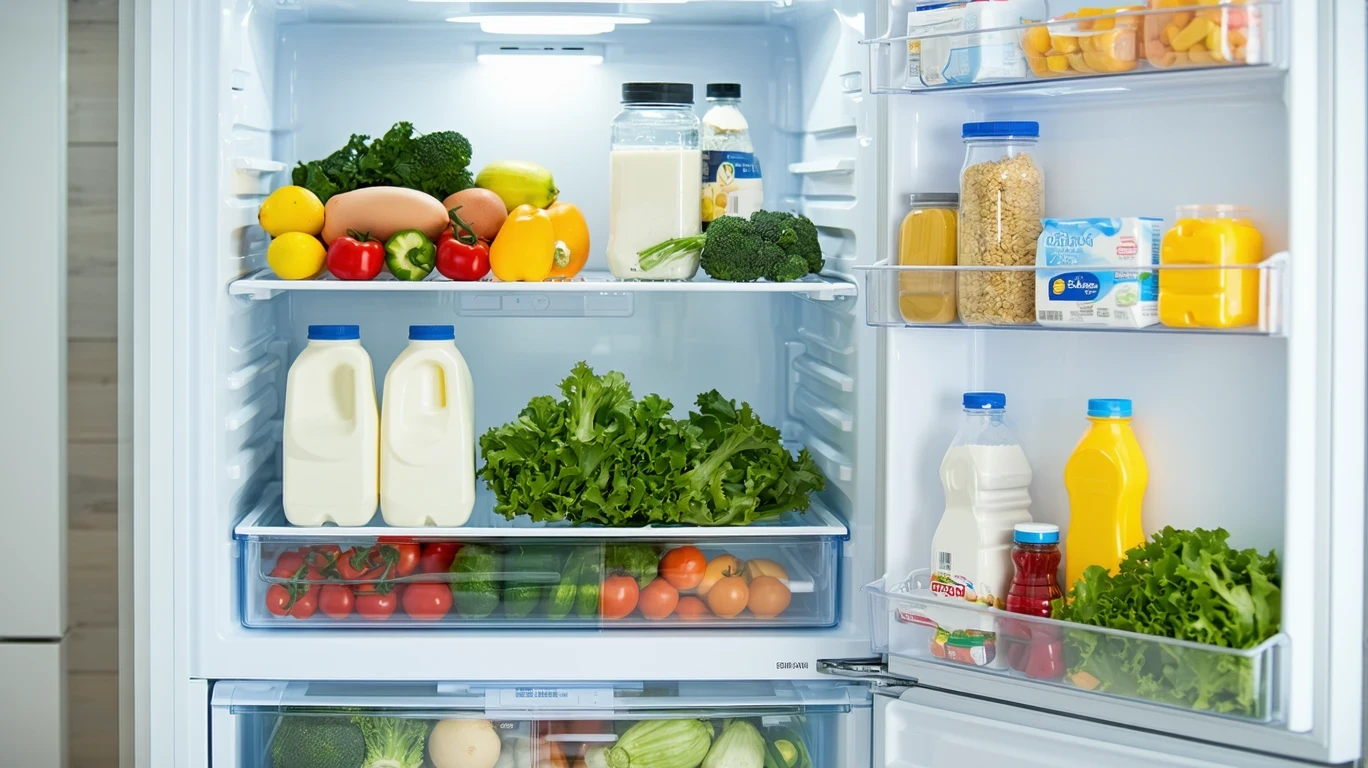
How Grocery Costs Feel in Huntington Beach
Grocery prices in Huntington Beach track closely with the national average, a notable position for a coastal California city where residents might expect a regional premium. The city’s cost structure sits at the national baseline, meaning staple food prices here mirror what households pay across much of the country rather than carrying the markup common in some West Coast metros. For families evaluating a move to Orange County, this creates a different kind of grocery pressure: the challenge isn’t inflated local prices, but rather the interaction between baseline costs and household income distribution. At Huntington Beach’s median household income of $114,747 per year, most families can absorb grocery expenses without severe strain, but households earning below that threshold—especially larger families or single-income households—face tighter margins where store choice and shopping habits become essential cost management tools.
The intensity of grocery pressure in Huntington Beach depends less on where you live and more on household composition and earnings. A two-person household at or above median income experiences grocery costs as a manageable, predictable line item, with flexibility to prioritize quality, convenience, or variety. A family of four or five at the same income level feels the pressure more acutely, as the volume of food required scales faster than the budget cushion. Singles and couples earning below median—particularly those in service, retail, or early-career roles—notice every price shift and rely heavily on discount-tier stores, bulk staples, and careful meal planning to keep food costs from crowding out other essentials. The city’s grocery infrastructure supports all these strategies, but the lived experience of affordability varies widely depending on household size and income position.
Store access in Huntington Beach follows a corridor-clustered pattern, with grocery density exceeding regional thresholds but concentrated along key commercial routes rather than evenly distributed across neighborhoods. This means most residents have strong access to multiple store tiers within a short drive, creating meaningful competition and choice, but it also means that walkable grocery access is less common outside those corridors. Households with reliable transportation benefit from the ability to comparison-shop across discount, mid-tier, and premium formats, while those relying on transit or walking face narrower options and may pay a convenience premium for proximity. The experiential texture of grocery shopping here reflects suburban car-oriented logistics: planning trips, consolidating errands, and choosing stores based on price tier rather than spontaneous neighborhood access.
Grocery Price Signals (Illustrative)
The table below shows how staple grocery items tend to price in Huntington Beach, illustrating relative cost positioning rather than a complete shopping list or receipt-level accuracy. These figures reflect the city’s alignment with national baseline pricing and are useful for understanding how individual categories compare, but they should not be interpreted as store-specific, week-specific, or exhaustive of a household’s actual grocery needs.
| Item | Price |
|---|---|
| Bread | $1.85/lb |
| Cheese | $4.68/lb |
| Chicken | $2.05/lb |
| Eggs | $2.50/dozen |
| Ground Beef | $6.74/lb |
| Milk | $4.03/half-gallon |
| Rice | $1.07/lb |
Derived estimate based on national baseline adjusted by regional price parity; not an observed local price.
These prices illustrate how staple items tend to compare locally—not a full shopping list. Chicken and rice remain affordable anchors for budget-conscious meal planning, while ground beef and cheese represent higher-cost proteins and dairy that can drive up weekly spending if used heavily. Eggs and milk sit in the middle, essential for most households but sensitive to seasonal and supply-chain volatility. The key takeaway is that no single item here signals a regional surcharge; instead, the cumulative cost of filling a cart week after week reflects national trends, and the pressure households feel comes from volume, frequency, and income fit rather than local price inflation.
Store Choice & Price Sensitivity
Grocery price pressure in Huntington Beach varies significantly by store tier, and understanding that range is more useful than focusing on a single average. Discount-tier stores—no-frills formats that emphasize private label, limited selection, and high volume—offer the lowest per-item costs and are the primary tool for households managing tight food budgets. These stores strip out convenience and ambiance in exchange for meaningful savings on staples, and for below-median-income families or anyone prioritizing cost control, they represent the baseline against which all other grocery spending is measured. Mid-tier stores—traditional supermarkets with broader selection, name brands, and moderate service levels—sit in the middle, offering a balance between price and convenience that works well for median-income households who want variety without premium pricing. Premium-tier stores—specialty grocers, organic-focused chains, and high-service formats—charge noticeably more for quality, curation, and shopping experience, and they appeal to higher-income households for whom grocery costs represent a smaller share of total spending.
The practical implication is that two households in Huntington Beach can have very different grocery experiences depending on where they shop, even if they buy similar items. A family that commits to discount-tier shopping and plans meals around sales and bulk staples will spend substantially less than a family that defaults to premium-tier convenience, even at the same income level. For households at or above median income, store choice is often about preference and time tradeoffs—whether the convenience of a nearby premium store justifies the cost difference. For households below median, store choice is a direct affordability lever, and the ability to access discount-tier options without excessive travel time becomes a meaningful factor in day-to-day costs.
Huntington Beach’s corridor-clustered grocery infrastructure means that most residents with a car can access multiple store tiers within a reasonable drive, creating real competition and choice. However, households without reliable transportation or those living outside the main commercial corridors may find themselves limited to whichever store is most accessible, which can lock them into higher prices if that store happens to be mid- or premium-tier. This dynamic is less about the city’s overall price level and more about the logistics of access and the time cost of seeking out lower prices, a factor that disproportionately affects lower-income households who would benefit most from discount-tier savings.
What Drives Grocery Pressure Here
The primary driver of grocery pressure in Huntington Beach is household size relative to income, not local price inflation. Because the city’s grocery costs align with the national baseline, the affordability question hinges on how much food a household needs and how much income they have to cover it. A single person or couple at median income experiences groceries as a minor budget share, easily absorbed and rarely a source of financial stress. A family of four or five at the same income level faces a fundamentally different reality: the volume of food required—especially for households with teenagers or multiple young children—scales grocery spending into a major monthly line item that requires active management and planning. Below-median-income households feel this pressure even more acutely, as the fixed cost of feeding a family leaves less room for other essentials and makes grocery volatility a direct threat to financial stability.
Income distribution within Huntington Beach matters because the median figure of $114,747 represents the midpoint, not the universal experience. Households earning significantly below that—service workers, retail employees, early-career professionals, or single-income families—face grocery costs that feel proportionally larger and less flexible. For these households, even baseline national prices can feel tight, and the strategies that higher-income families take for granted—buying in bulk, stocking up during sales, choosing premium options for quality—become inaccessible or financially risky. The result is that grocery affordability in Huntington Beach is highly stratified by income tier, even though the underlying price structure is not regionally inflated.
Seasonal variability also plays a role, though it operates more through supply-chain disruptions and national commodity trends than through local factors. Egg prices, dairy costs, and fresh produce can swing noticeably depending on weather events, fuel costs, and agricultural conditions, and these shifts hit all households but are felt most acutely by those already operating on thin margins. Huntington Beach’s coastal location provides access to fresh produce and diverse food options, but it does not insulate residents from national price volatility, and households that rely heavily on fresh vegetables, fruits, and proteins are more exposed to these fluctuations than those who build meals around shelf-stable staples like rice, beans, and pasta.
Practical Ways People Manage Grocery Costs
Households in Huntington Beach manage grocery costs through a combination of store selection, meal planning, and purchasing strategies that reduce waste and maximize value without requiring extreme couponing or deprivation. The most effective behavioral lever is committing to a primary discount-tier store for staples and routine purchases, reserving mid- or premium-tier stores for specific items that justify the price difference. This approach requires planning and discipline—knowing what you need before you shop, resisting impulse purchases, and accepting a more limited selection—but it creates meaningful cost control without sacrificing nutrition or variety.
Buying in bulk for non-perishable staples and frequently used items reduces per-unit costs and limits the frequency of shopping trips, which in turn reduces the temptation to overspend. Households with adequate storage space and upfront cash flow benefit most from this strategy, as it requires the ability to absorb a larger one-time expense in exchange for lower long-term costs. Meal planning around sales and seasonal availability helps households take advantage of temporary price drops and reduces the need for expensive last-minute substitutions. Cooking from scratch rather than relying on prepared foods, meal kits, or convenience items lowers costs significantly, though it requires time, skill, and consistent effort—a tradeoff that not all households can make depending on work schedules and caregiving responsibilities.
Reducing food waste is another high-impact strategy that doesn’t require additional spending but does require attention and discipline. Using leftovers intentionally, storing perishables properly, and planning meals to use up ingredients before they spoil all reduce the effective cost per meal and stretch grocery dollars further. For households feeling grocery pressure, these behavioral adjustments provide a sense of control and predictability, even when prices themselves are outside their influence.
Groceries vs Eating Out (Directional)
The tradeoff between cooking at home and eating out in Huntington Beach is less about absolute cost comparison and more about time, convenience, and household capacity. Cooking at home consistently delivers lower per-meal costs, especially for families, but it requires planning, shopping, prep time, and cleanup—a cumulative time investment that competes with work, commuting, and caregiving responsibilities. Eating out or ordering delivery eliminates that labor but introduces a significant cost premium, particularly when feeding multiple people. For households at or above median income, occasional dining out is a manageable convenience that doesn’t threaten the overall budget. For below-median households, frequent restaurant meals or takeout quickly become unsustainable, and the pressure to cook at home is driven as much by financial necessity as by preference.
The practical reality for most Huntington Beach households is a hybrid approach: cooking at home most of the time to control costs, with occasional dining out reserved for special occasions, social events, or nights when time and energy are too constrained to cook. The key decision point is recognizing when convenience justifies the cost and when it represents avoidable spending that could be redirected toward other priorities. Households that treat dining out as a default rather than an intentional choice often find that restaurant spending quietly erodes their grocery savings, creating a cumulative cost burden that feels invisible until it’s tallied over a full month.
FAQs About Grocery Costs in Huntington Beach (2026)
Is it cheaper to shop in bulk in Huntington Beach? Buying in bulk reduces per-unit costs for non-perishable staples and frequently used items, making it a useful strategy for households with storage space and upfront cash flow. The savings come from fewer shopping trips and lower per-item pricing, but the approach requires discipline to avoid over-purchasing perishables that spoil before use.
Which stores in Huntington Beach are best for low prices? Discount-tier stores—no-frills formats emphasizing private label and high volume—offer the lowest prices and are the primary tool for cost-conscious households. Mid-tier supermarkets balance price and selection, while premium stores charge more for quality and convenience, appealing to households for whom grocery costs represent a smaller budget share.
How much more do organic items cost in Huntington Beach? Organic and specialty items typically carry a noticeable premium over conventional equivalents, reflecting certification costs, supply-chain differences, and retailer positioning. Households prioritizing organic products should expect higher per-item costs and may need to adjust volume or frequency to fit within budget constraints.
How do grocery costs for two adults in Huntington Beach tend to compare to nearby cities? Huntington Beach grocery prices align with the national baseline, meaning they track closely with costs across much of the country rather than carrying a regional surcharge. Nearby cities with higher regional price parities may feel more expensive, while those with lower parities may offer modest savings, but the differences are often smaller than the impact of store choice and shopping habits.
How do households in Huntington Beach think about grocery spending when cooking at home? Most households view cooking at home as the baseline for cost control, with grocery spending representing a manageable and predictable expense when planned carefully. The focus is on balancing nutrition, variety, and budget through store selection, meal planning, and waste reduction, with dining out reserved for occasions when convenience justifies the premium.
How Groceries Fit Into the Cost of Living in Huntington Beach
Grocery costs in Huntington Beach represent a moderate but essential component of the overall cost structure, sitting well below housing and transportation in terms of total budget impact but requiring consistent attention and active management to keep under control. For most households, food spending is more flexible than rent or mortgage payments and more predictable than utility bills, making it one of the few areas where behavioral choices and planning can produce immediate, tangible savings. However, that flexibility has limits: households still need to eat, and cutting grocery spending too aggressively risks nutritional quality, meal satisfaction, and long-term health, creating a floor below which further reductions become counterproductive.
The relationship between grocery costs and other major expenses is important for understanding overall affordability. Housing costs in Huntington Beach are substantial, with a median home value of $976,800 and median rent of $2,318 per month, meaning that for many households, shelter consumes the largest share of income and leaves less room for food, transportation, and discretionary spending. Households that manage to secure below-median housing costs gain breathing room that makes grocery spending feel less constrained, while those paying above-median rent or carrying a mortgage at current rates face tighter overall budgets where every category, including food, requires careful monitoring. For a complete picture of how these pieces fit together—how much income goes to housing versus groceries versus transportation, and where the financial pressure points actually land—readers should consult the monthly budget breakdown, which integrates all major cost categories into a realistic household spending model.
The practical takeaway is that grocery costs in Huntington Beach are manageable for most households at or above median income, but they require intentional planning and store choice to avoid unnecessary spending. Below-median households face tighter margins and must treat grocery management as a core financial skill, using discount-tier stores, bulk purchasing, and meal planning to stretch limited income. The city’s alignment with national baseline pricing removes regional inflation as a factor, but it also means that affordability depends almost entirely on household income, size, and behavior rather than on local market conditions. For families evaluating a move, the grocery question is less “Are prices high here?” and more “Can we manage baseline costs given our income and household composition?”—a question that requires honest assessment of both the numbers and the daily logistics of feeding a family in a car-oriented, corridor-clustered suburban environment.
How this article was built: In addition to public economic data, this article incorporates location-based experiential signals derived from anonymized geographic patterns—such as access density, walkability, and land-use mix—to reflect how day-to-day living actually feels in Huntington Beach, CA.