
Can You Stay Under $100 at the Grocery Store in Highlands Ranch?
It’s a challenge most households in Highlands Ranch know well: walk into the store with a mental $100 limit, grab what feels like the basics—milk, eggs, chicken, bread, a few vegetables—and watch the register climb past $120 before you’ve even thought about snacks or household items. Grocery costs in Highlands Ranch reflect both the region’s higher cost structure and the realities of a community where median household income sits at $148,227 per year, but where families still feel the sting of rising food prices. The pressure isn’t uniform. Singles and couples without kids may breeze through weekly trips without much stress, while families with teenagers or households stretching a tighter budget find themselves calculating per-pound prices and rethinking brand loyalty. Understanding how grocery prices behave here—and how store choice, habits, and household size shape the experience—helps you move from reactive spending to intentional control.
Grocery costs don’t exist in a vacuum. They sit inside a broader cost structure where housing, utilities, and transportation claim the largest shares of income, but where food spending still commands attention because it’s frequent, visible, and variable. In Highlands Ranch, the regional price parity index of 147 signals that goods and services cost roughly 47% more than the national baseline, and groceries follow that pattern. The question isn’t whether food costs more here—it does—but how much that matters to your household, and what levers you actually control.
How Grocery Costs Feel in Highlands Ranch
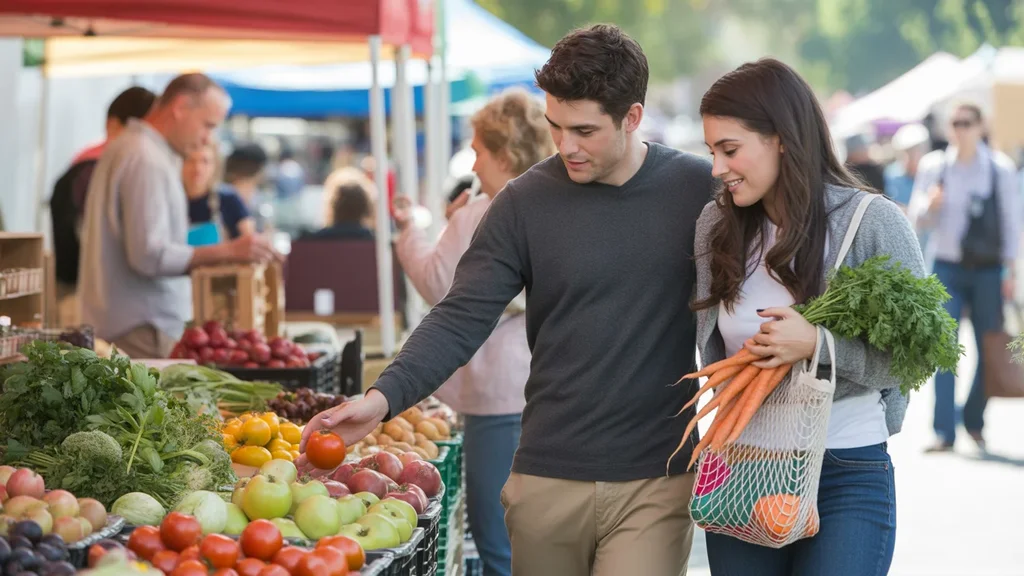
Grocery prices in Highlands Ranch tend to run higher than national averages, shaped by the metro Denver area’s distribution networks, real estate costs that push up store operating expenses, and a consumer base with relatively strong purchasing power. For a household of two adults, monthly grocery spending often lands in the range that reflects both regional pricing and the practical reality of cooking most meals at home. The experience of grocery costs here depends heavily on household composition. A single professional might spend $250–$350 per month without much friction, rotating through familiar staples and occasional prepared foods. A family of four, especially with school-age or teenage children, faces a different calculus entirely: milk disappears in days, snack requests multiply, and the weekly trip can easily clear $200 before accounting for any specialty items or dietary preferences.
What makes grocery costs feel tighter or looser in Highlands Ranch isn’t just the price of a gallon of milk—it’s the interaction between income, household size, and the frequency of shopping trips. Families notice grocery pressure most acutely when income growth lags behind food price increases, or when a second child shifts the household from “manageable” to “constant restocking.” Singles and couples, by contrast, often absorb grocery costs without much adjustment, treating food spending as a flexible line item that can expand or contract depending on dining-out habits or convenience preferences. The key insight: grocery costs in Highlands Ranch are high enough to matter, but not so extreme that careful planning can’t bring them under control.
The lived experience of grocery shopping here also reflects the structure of the community itself. Highlands Ranch offers access to a mix of grocery options—discount chains, mid-tier supermarkets, and premium organic-focused stores—but the distribution isn’t uniform. Some neighborhoods sit within easy reach of multiple stores, making price comparison and strategic shopping straightforward. Others require a longer drive, which adds time and fuel costs to the equation and can nudge households toward convenience over price optimization. That access pattern matters because grocery costs aren’t just about what you pay per pound—they’re about how much friction you encounter in the process of feeding your household week after week.
Grocery Price Signals (Illustrative)
These prices illustrate how staple items tend to compare locally—not a full shopping list, and not a guarantee of what you’ll see on any given week. They’re anchors that help you understand relative cost positioning in Highlands Ranch, not checkout-accurate predictions.
| Item | Price |
|---|---|
| Bread (per pound) | $2.72 |
| Cheese (per pound) | $6.88 |
| Chicken (per pound) | $3.01 |
| Eggs (per dozen) | $3.67 |
| Ground beef (per pound) | $9.91 |
| Milk (per half-gallon) | $5.92 |
| Rice (per pound) | $1.58 |
Ground beef at nearly $10 per pound stands out as a high-pressure item, especially for families who rely on it for weeknight meals. Cheese, milk, and eggs also run above national norms, which compounds quickly when you’re buying multiples each week. Chicken and rice, by contrast, offer relative value—still elevated compared to lower-cost regions, but manageable for households willing to build meals around these staples. The takeaway isn’t that any single item is unaffordable; it’s that the cumulative effect of elevated prices across the basket adds up faster than many newcomers expect, and faster than national grocery budgets would suggest.
These prices also highlight the importance of store choice. The figures above reflect a regional adjustment applied to national baselines—they’re not pulled from a specific retailer’s shelf on a specific day. In practice, you’ll see meaningful variation depending on whether you’re shopping at a discount grocer, a mid-tier supermarket, or a premium organic chain. That variation isn’t just a few cents per item; it’s the difference between a $120 cart and a $90 cart for the same functional basket.
Store Choice & Price Sensitivity
Grocery price pressure in Highlands Ranch varies significantly by store tier, and understanding that variation is one of the most direct ways to manage food costs without sacrificing quality or convenience. Discount grocers—chains that focus on private-label products, no-frills store layouts, and high inventory turnover—offer the lowest price floor. Shopping at a discount grocer can reduce your per-trip spending by 20–30% compared to mid-tier supermarkets, and even more compared to premium organic-focused stores. The tradeoff is selection: you’ll find fewer national brands, less variety in specialty items, and a more utilitarian shopping experience. For households focused on stretching dollars, that tradeoff is often worth it.
Mid-tier supermarkets represent the middle ground, offering broader selection, familiar national brands, and more consistent stock of specialty or dietary items. Prices here run higher than discount chains but lower than premium stores, and the shopping experience is more polished—wider aisles, better lighting, more customer service. For many Highlands Ranch households, mid-tier stores become the default because they balance price, convenience, and selection without requiring extreme couponing or brand flexibility. The cost is real, though: a family that shops exclusively at mid-tier stores will spend noticeably more over the course of a year than one that splits trips between discount and mid-tier options.
Premium grocers—stores emphasizing organic produce, grass-fed meats, artisanal products, and curated selections—command the highest prices, often 30–50% above discount chains for comparable items. These stores appeal to households prioritizing specific dietary preferences, sustainability, or perceived quality, and for whom grocery spending is a lower-priority budget concern. In Highlands Ranch, where median income is well above the national average, premium grocers attract a meaningful customer base. But even high-income households feel the difference when a weekly trip routinely exceeds $200 for what would cost $130 elsewhere. The key insight: store tier isn’t just about brand preference—it’s a structural lever that directly controls how much financial pressure groceries exert on your household.
What Drives Grocery Pressure Here
Grocery costs in Highlands Ranch don’t feel uniform across households because the drivers of food spending interact differently depending on income, household size, and shopping behavior. Income is the most obvious factor: a household earning $150,000 per year experiences grocery costs as a minor line item, while a household earning $60,000 feels every price increase and every unplanned trip. The regional price parity index of 147 means that even middle-income households face grocery bills that would be considered high-income spending in lower-cost regions. That gap creates pressure for families who moved here expecting suburban affordability but encountered metro-level pricing instead.
Household size amplifies grocery costs in ways that aren’t always intuitive. A single adult might spend $70 per week and barely notice fluctuations. A couple might spend $120 and still feel in control. But add two children, and that number can easily double—not because kids eat twice as much, but because the variety of foods expands, waste increases, and the frequency of restocking accelerates. Teenagers, in particular, drive grocery costs upward through sheer volume: a gallon of milk lasts two days instead of a week, snack purchases multiply, and the household shifts from cooking three dinners a week to needing ingredients for six or seven. Families with young children face a different pressure: specialty items like organic baby food, allergen-free products, or toddler snacks carry premium pricing, and the inability to substitute or delay purchases removes flexibility from the budget.
Regional distribution patterns also shape grocery costs in Highlands Ranch, though less visibly than income or household size. The metro Denver area benefits from relatively efficient supply chains and competitive retail markets, but it’s not a low-cost distribution hub like the Midwest or parts of the South. Transportation costs, warehouse real estate, and labor expenses all run higher here, and those costs get passed through to consumers in the form of elevated shelf prices. Seasonal variability plays a smaller role in Highlands Ranch than in more isolated or climate-extreme regions, but it’s not absent: produce prices tend to spike in winter when local growing seasons end, and holiday periods see temporary increases in high-demand items like baking supplies and proteins. The effect is modest compared to housing or utility volatility, but it’s enough to make certain weeks feel noticeably more expensive than others.
Practical Ways People Manage Grocery Costs
Managing grocery costs in Highlands Ranch doesn’t require extreme couponing or meal-prep marathons—it requires understanding which behaviors actually move the needle and which ones just add friction without meaningful savings. The most effective strategy is store splitting: buying shelf-stable staples and bulk proteins at a discount grocer, then filling in fresh produce, dairy, and specialty items at a mid-tier or premium store. This approach captures the price advantage of discount chains without sacrificing variety or quality for the items where it matters most. A household that shifts even half of its grocery spending to a discount grocer can reduce monthly costs by $50–$100 without changing what it eats.
Meal planning reduces waste and impulse purchases, both of which quietly inflate grocery bills. Households that plan three to five dinners per week and shop with a list spend less than those who shop reactively, grabbing ingredients for vague meal ideas or relying on last-minute convenience items. The discipline isn’t about rigidity—it’s about reducing the number of trips where you walk out with $40 of unplanned items because you weren’t sure what you needed. Batch cooking and freezing portions also helps, especially for families, by turning one large grocery trip into multiple meals and reducing the temptation to order takeout when time is tight.
Brand flexibility matters more than most people expect. Switching from national brands to store-brand equivalents on staples like pasta, canned goods, rice, and frozen vegetables can cut costs by 15–25% without noticeable quality differences. Premium items—organic produce, grass-fed beef, artisanal bread—are worth the price for some households, but treating them as occasional purchases rather than defaults keeps grocery bills from spiraling. The goal isn’t to eliminate preferences; it’s to make intentional choices about where quality justifies cost and where it doesn’t.
Buying in bulk works well for non-perishables and frequently used proteins, but only if you have storage space and the household size to use the items before they spoil. A family of four can justify buying a 10-pound bag of chicken breasts and freezing portions; a single adult probably can’t. Warehouse clubs offer meaningful savings on bulk items, but membership fees and the temptation to overbuy can erode those gains if you’re not disciplined. The key is to treat bulk buying as a targeted tactic, not a default mode.
Groceries vs Eating Out (Directional)
The tradeoff between cooking at home and eating out shapes grocery costs in ways that aren’t always obvious. In Highlands Ranch, where dining options range from fast-casual chains to upscale local restaurants, the cost of eating out runs high enough that even occasional restaurant meals add up quickly. A family of four can easily spend $60–$80 on a casual dinner out, compared to $15–$25 for the same meal cooked at home. That gap makes home cooking the clear winner on a per-meal basis, but the calculus shifts when you factor in time, convenience, and the mental load of planning and preparing meals.
Households that eat out frequently—three or more times per week—often find that their combined food spending (groceries plus dining) far exceeds what they’d spend if they cooked most meals at home. The pressure isn’t just financial; it’s logistical. Frequent dining out reduces the incentive to keep a well-stocked pantry, which leads to more last-minute grocery trips, more waste, and less efficient use of what you do buy. On the other hand, households that cook most meals but treat dining out as an intentional occasional choice tend to spend less overall and feel more in control of their food budget.
The key insight: groceries and dining out aren’t separate budget lines—they’re part of a single food-spending system. Reducing dining frequency by even one meal per week can free up $200–$300 per month, which more than offsets the cost of upgrading grocery quality or expanding meal variety. The goal isn’t to eliminate restaurants; it’s to make sure that eating out is a choice, not a fallback driven by poor planning or exhaustion.
FAQs About Grocery Costs in Highlands Ranch (2026)
Is it cheaper to shop in bulk in Highlands Ranch? Bulk buying can reduce per-unit costs on staples like rice, pasta, canned goods, and proteins, but only if you have the storage space and household size to use the items before they spoil. Warehouse club memberships offer savings, but the upfront fee and the risk of overbuying mean bulk shopping works best as a targeted strategy, not a default approach.
Which stores in Highlands Ranch are best for low prices? Discount grocers offer the lowest price floor, often 20–30% below mid-tier supermarkets for comparable items. Mid-tier stores provide broader selection and more consistent stock of specialty items, while premium grocers emphasize organic and artisanal products at significantly higher prices. Store choice is one of the most direct levers for controlling grocery costs without sacrificing quality.
How much more do organic items cost in Highlands Ranch? Organic produce, dairy, and proteins typically run 30–50% higher than conventional equivalents, and the premium is consistent across store tiers. Households that prioritize organic items should expect grocery bills to reflect that choice, though selective purchasing—organic for high-pesticide produce, conventional for low-risk items—can moderate the cost increase.
How do grocery costs for two adults in Highlands Ranch tend to compare to nearby cities? Grocery costs in Highlands Ranch reflect the broader metro Denver pricing environment, which runs higher than national averages but remains competitive with other high-cost suburban areas in the region. Households moving from lower-cost states or rural areas will notice the increase immediately, while those relocating from other metro areas may find prices familiar.
How do households in Highlands Ranch think about grocery spending when cooking at home? Most households treat grocery spending as a flexible line item that can expand or contract depending on dining-out frequency, store choice, and meal planning discipline. Families with children feel grocery pressure most acutely, while singles and couples often absorb costs without much adjustment. The key is understanding which behaviors—store splitting, brand flexibility, meal planning—actually reduce spending and which ones just add friction without meaningful savings.
Does shopping at multiple stores really save money? Store splitting—buying shelf-stable staples and bulk proteins at a discount grocer, then filling in fresh produce and specialty items at a mid-tier or premium store—can reduce monthly grocery costs by $50–$100 for a typical household. The tradeoff is time and convenience, but for families feeling financial pressure, the savings justify the extra trip.
How do seasonal price changes affect grocery costs in Highlands Ranch? Seasonal variability is modest compared to housing or utility volatility, but produce prices tend to spike in winter when local growing seasons end, and holiday periods see temporary increases in high-demand items. The effect is noticeable week-to-week but doesn’t fundamentally reshape annual grocery spending the way housing or transportation costs do.
How Groceries Fit Into the Cost of Living in Highlands Ranch
Grocery costs in Highlands Ranch matter, but they don’t dominate household budgets the way housing, utilities, and transportation do. A family spending $800 per month on groceries is spending roughly the same amount as a household paying for electricity, natural gas, water, and internet combined—and far less than the cost of rent or a mortgage. The difference is frequency and visibility: you pay rent once a month, but you see grocery costs every week, which makes them feel more urgent even when they’re not the largest line item. That perception matters because it shapes how households allocate attention and effort. Spending hours chasing grocery deals while ignoring utility efficiency or housing tradeoffs is a common mistake.
The role of groceries in the broader cost structure is to add texture and variability to an otherwise fixed set of expenses. Housing, utilities, and transportation are largely non-negotiable in the short term—you can’t easily move, switch providers, or eliminate your commute. Groceries, by contrast, respond immediately to behavior changes: store choice, meal planning, brand flexibility, and dining-out frequency all produce measurable results within a single pay cycle. That responsiveness makes grocery costs one of the few areas where households can exert real control without major lifestyle disruption.
For a complete picture of where money goes in Highlands Ranch—and how groceries interact with housing, utilities, transportation, and discretionary spending—the Monthly Budget article provides the full breakdown. Groceries are part of the system, not the whole story, and understanding how they fit into the larger cost structure helps you make decisions that actually reduce financial pressure rather than just shifting it around.
How this article was built: In addition to public economic data, this article incorporates location-based experiential signals derived from anonymized geographic patterns—such as access density, walkability, and land-use mix—to reflect how day-to-day living actually feels in Highlands Ranch, CO.