
Commerce City sits in a housing market shaped by proximity to Denver employment, rail access, and a low-rise residential form that spreads maintenance responsibility across individual homeowners. The median home value of $436,500 reflects demand pressure from households seeking suburban space within reach of metro jobs, while median rent of $1,540 per month offers a lower-barrier entry point with less long-term control. Understanding cost structure here means recognizing that ownership trades predictable monthly rent for exposure to property taxes, maintenance cycles, and the upkeep demands of detached housing in a continental climate with both heating and cooling seasons.
Commerce City’s housing cost experience differs from denser Denver neighborhoods and from more car-dependent outer suburbs. Walkable pockets with substantial pedestrian infrastructure and rail transit service mean some households can reduce transportation spending, shifting budget capacity toward housing. At the same time, the city’s low-rise building character and corridor-clustered errands accessibility create a middle ground: not fully car-free, but not entirely car-dependent either. For renters, this translates to moderate monthly costs with limited equity accumulation. For buyers, it means a significant upfront investment and ongoing exposure to the variables that come with owning a detached home in a place where weather, infrastructure age, and individual property responsibility all matter.
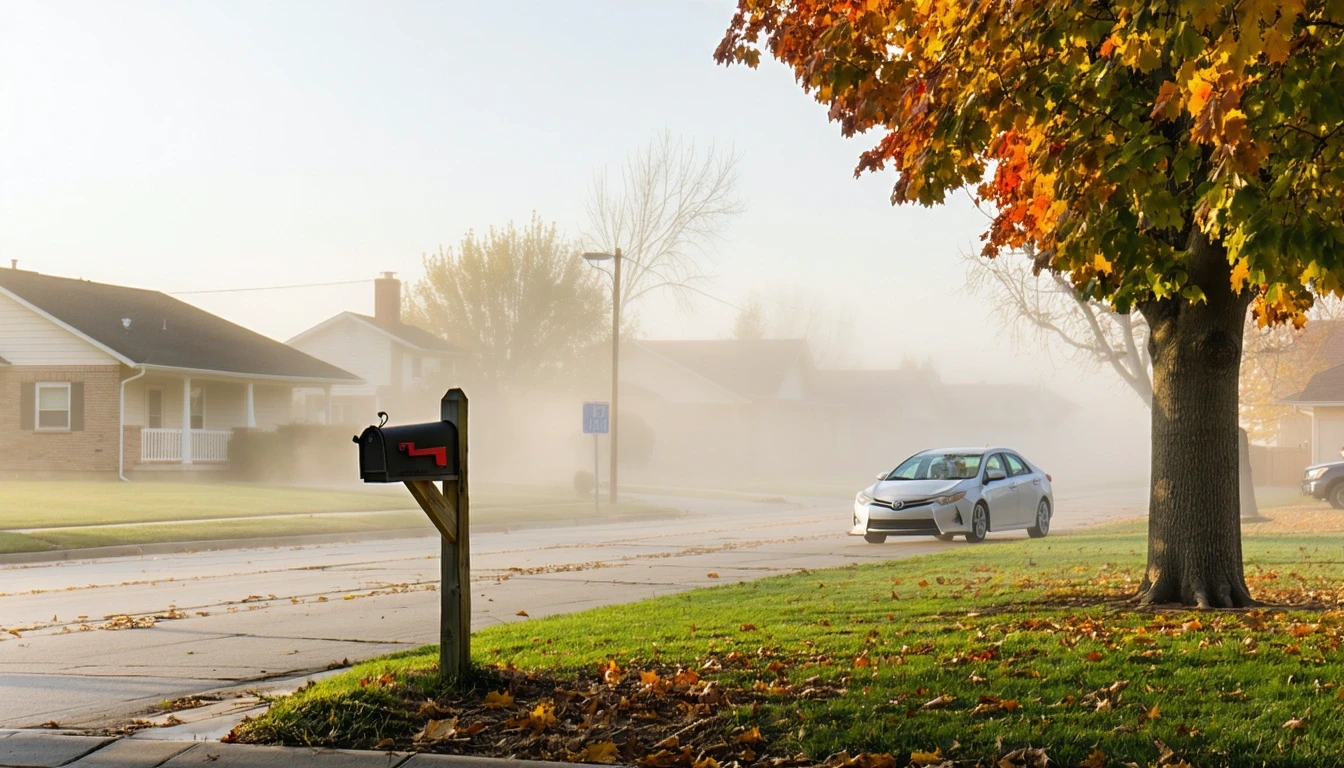
The Housing Market in Commerce City Today
Commerce City’s housing market reflects its role as a suburban gateway within the Denver metro area. The median home value of $436,500 positions it above many outer-ring suburbs but below closer-in neighborhoods with older, denser housing stock. What shapes this market is not just proximity to Denver employment but also the presence of rail transit and walkable pockets that reduce the car-dependency penalty typical of suburban living. Households moving here often misunderstand the tradeoff: Commerce City offers suburban space and family infrastructure without requiring two cars for every errand, but that accessibility comes with a price point that demands either substantial savings for a down payment or acceptance of rent increases as metro demand spreads outward.
The city’s low-rise building form—average building levels below the low threshold—means most housing is detached or low-density attached, concentrating maintenance and upkeep on individual owners rather than landlords or homeowners associations. This creates a different cost rhythm than in denser areas where property management absorbs routine repairs. For newcomers, the key insight is that Commerce City’s housing market rewards those who can navigate the upfront capital requirement and manage the ongoing exposure that comes with owning a standalone structure in a climate with cold winters and warm summers.
Renting in Commerce City
Renting in Commerce City means paying $1,540 per month at the median, a figure that reflects moderate pressure from Denver metro demand but not the intensity of closer-in neighborhoods. Rental availability clusters along corridors where food and grocery density sits in the medium band, meaning renters can access daily errands without long drives but may still need a car for broader needs. The rental experience here is shaped by the city’s mixed land use and rail access: households near transit stops can reduce transportation costs, effectively expanding their housing budget, while those farther from walkable pockets face the dual burden of rent and car dependency.
Renters in Commerce City face predictable monthly costs but limited control over lease renewals. As Denver metro employment continues to draw households outward, rental pressure tends to follow, creating exposure to increases that renters cannot hedge. The city’s housing stock skews toward low-rise detached and small multifamily buildings, meaning rental units often come with individual utility billing and less bundled service than in larger apartment complexes. For renters prioritizing flexibility and lower upfront costs, Commerce City offers a viable entry point, but the tradeoff is vulnerability to market-driven rent adjustments and the likelihood of needing a car despite the presence of some walkable infrastructure.
Owning a Home in Commerce City
Owning a home in Commerce City requires navigating a median value of $436,500, a figure that demands substantial down payment capacity and exposes buyers to property taxes, maintenance cycles, and the upkeep demands of low-rise housing. Unlike renting, ownership shifts cost exposure from predictable monthly rent to variable expenses tied to property condition, weather, and local governance. Property taxes in Colorado are subject to assessment cycles and voter-approved mill levies, creating variability that owners must anticipate but cannot fully control. Maintenance responsibility falls entirely on the homeowner in Commerce City’s detached housing market, meaning roof repairs, HVAC replacement, and exterior upkeep are not absorbed by a landlord or HOA but must be budgeted and managed individually.
The city’s continental climate—cold winters requiring heating and warm summers demanding cooling—creates dual utility exposure that owners feel more acutely than renters, who may have landlords covering some costs or benefit from shared-wall insulation in multifamily buildings. Homeowners in Commerce City also face the long-term tradeoff of equity accumulation against the risk of market downturns, tax increases, and deferred maintenance costs that compound if ignored. For households with stable income and the capacity to manage variable expenses, ownership provides control and stability. For those stretching to meet the purchase price, the ongoing exposure to taxes, maintenance, and utility volatility can create financial pressure that renting avoids.
Apartment vs House in Commerce City — Cost Behavior Comparison
The table below isolates cost categories where apartments and houses behave differently in Commerce City, based on the city’s low-rise housing form, continental climate, and infrastructure patterns. Rows are included only where the distinction is meaningful locally; generic differences are omitted.
| Expense Category | Apartment | House |
|---|---|---|
| Heating & Cooling Exposure | Shared-wall insulation and smaller square footage reduce heating and cooling demand; landlord may cover some utility costs | Detached structure with greater exterior surface area increases heating demand in winter and cooling load in summer; owner pays all utility costs |
| Maintenance Responsibility | Landlord or property management handles structural repairs, roof, HVAC, and exterior upkeep | Owner responsible for all maintenance, including roof, HVAC, plumbing, and exterior; deferred maintenance compounds cost over time |
| Utility Billing Structure | May include water/sewer/trash in rent; electricity and gas often individually metered | All utilities individually billed; owner manages provider relationships and seasonal volatility |
| Property Tax Exposure | Not directly billed; landlord’s tax burden may influence rent increases but is not itemized | Directly billed annually; subject to assessment cycles and mill levy changes; owner must budget and pay regardless of income changes |
| Yard & Exterior Upkeep | Minimal or none; property management handles landscaping and snow removal | Owner responsible for lawn care, snow removal, fence repair, and exterior maintenance; time and cost burden increases with lot size |
Methodology note: This comparison reflects Commerce City’s low-rise housing dominance, continental climate with dual heating and cooling seasons, and the typical allocation of maintenance responsibility in detached versus multifamily housing. Categories where cost behavior does not vary meaningfully by housing type in this city—such as internet service or basic electricity rates—are excluded. The table is diagnostic, not exhaustive.
Utilities & Upkeep Differences
Utility and maintenance exposure in Commerce City is shaped by the city’s continental climate and low-rise housing form. Electricity at 16.12¢/kWh and natural gas at $10.41/MCF are the baseline rates, but actual costs depend on heating and cooling intensity, which varies substantially between apartments and houses. Detached homes face greater exterior surface area, meaning heat loss in winter and heat gain in summer are more pronounced than in shared-wall apartments. This creates a noticeable difference in utility bills during cold months when heating dominates and during warm months when air conditioning runs longer. Apartment dwellers benefit from insulation provided by adjacent units and often smaller square footage, reducing both heating and cooling demand.
Maintenance exposure follows a similar pattern. In Commerce City’s low-rise housing market, homeowners bear full responsibility for roof condition, HVAC lifespan, plumbing integrity, and exterior upkeep. These are not minor or occasional costs; they are recurring exposures tied to the age and condition of the structure. Apartment renters, by contrast, are insulated from these expenses, with landlords or property management absorbing the cost of structural repairs and system replacements. The tradeoff is control: homeowners can choose when and how to address maintenance, while renters depend on landlord responsiveness. For households evaluating monthly expenses, the difference in utility and upkeep exposure between apartments and houses is not marginal—it is a primary driver of long-term cost behavior.
Rent vs Buy: Long-Term Exposure in Commerce City
The decision between renting and buying in Commerce City is not a simple math problem but a choice between two different risk profiles. Renters face predictable monthly costs but no equity accumulation and limited control over lease renewals. As Denver metro demand continues to push outward, rental increases follow, creating exposure that renters cannot hedge. Buyers, by contrast, trade predictable rent for variable exposure to property taxes, maintenance cycles, and the upkeep demands of detached housing. Over time, ownership provides stability in housing cost structure—principal and interest payments remain fixed on a traditional mortgage—but introduces volatility in taxes, insurance, and maintenance that renters avoid.
In Commerce City, the long-term tradeoff is shaped by the city’s housing form and climate. Detached homes require ongoing investment in roof condition, HVAC replacement, and exterior maintenance, all of which are deferred at the owner’s discretion but compound in cost if ignored. Property taxes respond to assessment cycles and voter-approved changes, creating variability that owners must anticipate but cannot fully control. Renters avoid these exposures but sacrifice equity accumulation and the ability to lock in a portion of their housing cost. For households with stable income and the capacity to manage variable expenses, ownership in Commerce City offers control and long-term stability. For those prioritizing flexibility or lacking the capital for a down payment and ongoing maintenance reserves, renting remains the lower-risk path, even as it exposes them to market-driven rent increases over time.
FAQs About Housing Costs in Commerce City
What is the median home price in Commerce City, CO?
The median home value in Commerce City is $436,500, reflecting demand from households seeking suburban space with rail access and walkable pockets within the Denver metro area. This price point requires substantial down payment capacity and exposes buyers to ongoing property taxes and maintenance costs typical of low-rise detached housing.
How much is rent in Commerce City?
Median gross rent in Commerce City is $1,540 per month. This figure reflects moderate pressure from Denver metro demand and varies by proximity to transit, walkable corridors, and housing type. Renters near rail stops and mixed-use areas may reduce transportation costs, effectively expanding their housing budget.
Are property taxes high in Commerce City?
Property tax rates in Commerce City are not provided in available data, but Colorado’s assessment cycles and voter-approved mill levies create variability that homeowners must anticipate. Owners should expect property taxes to adjust over time in response to assessed value changes and local funding decisions, creating exposure that renters do not face directly.
Is it better to rent or buy in Commerce City?
The choice depends on risk tolerance and financial capacity. Renting offers predictable monthly costs and flexibility but no equity accumulation and exposure to lease renewal increases. Buying requires substantial upfront capital and exposes owners to property taxes, maintenance, and utility volatility, but provides long-term stability and equity growth. Households with stable income and the ability to manage variable expenses tend to benefit from ownership, while those prioritizing flexibility or lacking capital reserves may find renting the lower-risk path.
How do utilities differ between apartments and houses in Commerce City?
Apartments benefit from shared-wall insulation and smaller square footage, reducing heating and cooling demand in Commerce City’s continental climate. Houses face greater exterior surface area, increasing heating costs in winter and cooling costs in summer. Homeowners also pay all utility costs directly, while apartment renters may have some utilities included in rent or benefit from landlord-covered expenses.
Making Housing Choices in Commerce City
Housing costs in Commerce City are shaped by the city’s position within the Denver metro area, its low-rise housing form, and the presence of walkable pockets and rail transit that reduce car dependency for some households. The median home value of $436,500 and median rent of $1,540 per month reflect demand from households seeking suburban space without full car dependence, but both paths come with distinct cost exposures. Renters face predictable monthly costs but vulnerability to lease renewal increases and no equity accumulation. Buyers gain control and stability but must navigate property taxes, maintenance cycles, and the upkeep demands of detached housing in a climate with both heating and cooling seasons.
The decision between renting vs owning in Commerce City is not about which option costs less in the short term but about which risk profile fits a household’s financial capacity and long-term goals. For those with stable income and the ability to manage variable expenses, ownership provides a hedge against rent increases and a path to equity accumulation. For those prioritizing flexibility or lacking the capital for a down payment and maintenance reserves, renting remains the lower-risk path, even as it exposes them to market-driven cost adjustments over time. Understanding how housing costs behave in Commerce City—shaped by local infrastructure, climate, and housing form—helps households make decisions that align with their financial reality and long-term stability.
How this article was built: In addition to public economic data, this article incorporates location-based experiential signals derived from anonymized geographic patterns—such as access density, walkability, and land-use mix—to reflect how day-to-day living actually feels in Commerce City, CO.