
What does it actually feel like to live in Aurora? Not the stats, not the rankings—just the day-to-day emotional texture of being here. Aurora sits in an interesting spot: it’s Colorado’s third-largest city, tucked against Denver’s eastern edge, but it doesn’t always get the spotlight. That creates a particular kind of vibe—one where people either feel pleasantly surprised by what they find, or a little restless because it’s not quite what they expected.
The city’s emotional tone is shaped by a few big tradeoffs: suburban space and affordability versus the pull of Denver’s energy, a genuinely diverse community versus lingering reputation baggage, and rapid growth that brings both opportunity and friction. People who thrive here tend to value practicality, accessibility, and cultural richness over trendiness. People who struggle often came looking for either a sleepy small town or a walkable urban core—and Aurora is neither.
What the Conversation Feels Like
Spend time in Aurora’s online spaces—Reddit threads, neighborhood Facebook groups, local Twitter chatter—and you’ll notice a few recurring emotional notes. There’s pride mixed with defensiveness, especially when Denver comes up. There’s also a lot of practical problem-solving: where to find good pho, which parks have the best playgrounds, how to navigate the light rail without a headache.
One theme that comes up often: “People sleep on Aurora. We’ve got everything you actually need, just not the Instagram appeal.” That sentiment captures a lot. Residents tend to feel that the city delivers on function—groceries, schools, parks, healthcare—but doesn’t get credit for it. There’s also a thread of frustration about perception: “I’m tired of explaining that Aurora isn’t dangerous. My street is quiet. My neighbors are kind. But everyone still has an opinion.”
Growth is another live wire. Longtime residents talk about how quickly things have changed, and not always in ways that feel comfortable: “It used to feel like a smaller city where you’d run into people you knew. Now it’s just sprawl.” Newcomers, on the other hand, often express relief at finding space and affordability they couldn’t get closer to downtown Denver.
How Local Coverage Frames the City
Local news and community outlets tend to frame Aurora through a lens of transition and complexity. You’ll see recurring topic buckets like:
- “City Works to Redefine Its Image Amid Rapid Growth”
- “Diverse Community Voices Shape Neighborhood Priorities”
- “New Development Brings Amenities—and Concerns About Character”
- “Residents Weigh Convenience of Metro Access Against Suburban Calm”
- “Schools and Safety Remain Central to Community Conversations”
The tone isn’t celebratory or alarmist—it’s more like ongoing negotiation. Aurora is in the middle of figuring out what kind of city it wants to be, and that process shows up in how people talk about it. There’s less “look how great we are” and more “here’s what we’re working on.”
What Reviews and Public Feedback Reveal
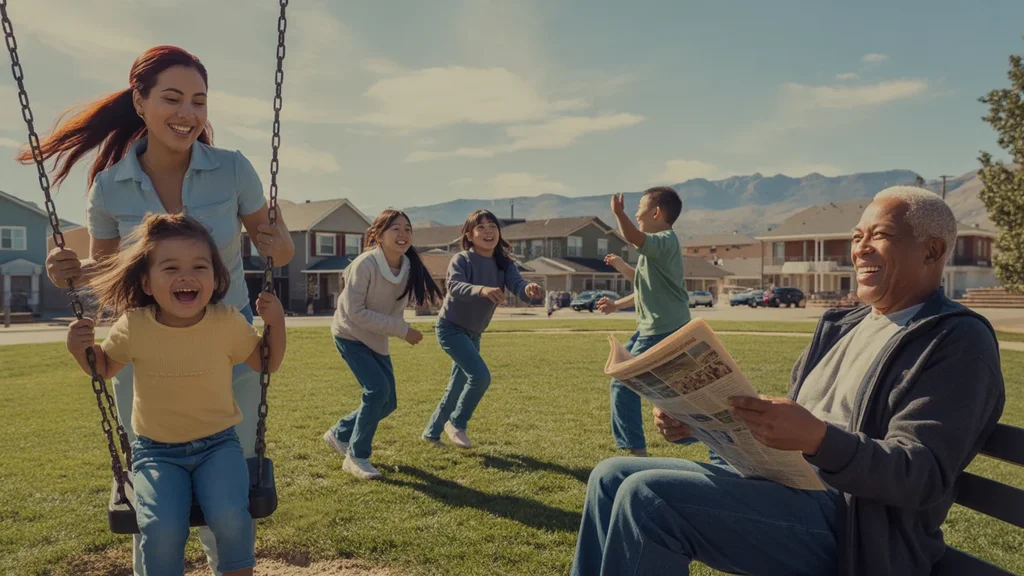
Public reviews—whether on Google, Yelp, or neighborhood platforms—paint a picture of a city that meets baseline expectations well but doesn’t dazzle. People praise specific things: “Great parks, easy to get groceries, good variety of food.” Families especially appreciate the infrastructure: schools, playgrounds, and green space that’s actually accessible, not just on a map.
But there’s also a consistent thread of mild disappointment from people who wanted more texture. “It’s fine, but there’s not much to do if you’re not into chain restaurants or big-box stores.” “I thought being this close to Denver would mean more walkable neighborhoods. It’s still pretty car-dependent unless you’re near the rail.”
Because Aurora has rail access and pockets of the city where pedestrian infrastructure is strong, some residents do experience a more transit-friendly, errand-accessible lifestyle—especially near certain corridors. But that’s not uniform across the city, and people who land in more car-oriented sections often feel the gap between expectation and reality. The city’s land use mixes residential and commercial areas in some zones, which makes errands easier to consolidate if you’re in the right spot. But if you’re not, it can feel like every task requires a drive.
Neighborhood variation matters here. Newer planned developments tend to feel polished and family-oriented but can lack personality. Older pockets have more character but sometimes feel overlooked in terms of upkeep and investment. That unevenness shapes how people experience the city emotionally—some feel settled and content, others feel like they’re waiting for their area to catch up.
Aurora Compared to Nearby Cities
| Dimension | Aurora | Lakewood | Thornton |
|---|---|---|---|
| Overall Vibe | Diverse, practical, transitional | Established, quieter, more uniform | Growing, family-focused, suburban |
| Cultural Texture | Rich multicultural dining and community | Less diverse, more homogenous feel | Moderate diversity, less visible |
| Transit & Walkability | Rail access, walkable pockets | Some bus routes, mostly car-dependent | Limited transit, car-oriented |
| Reputation | Improving but still carries baggage | Steady, less scrutinized | Low-profile, fewer preconceptions |
| Growth Pressure | High, visible, sometimes contentious | Moderate, more absorbed | High, but newer baseline |
If you value cultural diversity and want rail access without paying downtown Denver prices, Aurora offers something Lakewood and Thornton don’t quite match. If you want a quieter, more predictable suburban experience with less change happening around you, Lakewood might feel more stable. If you’re starting fresh and want a newer suburban build without the reputation questions, Thornton might feel cleaner emotionally. None of these is better—it’s about which tradeoffs you’re willing to live with.
Voices from Different Life Stages
“We moved here from Denver because we needed a yard and better schools without leaving the metro. It’s been great for our kids—parks everywhere, good programs, and we can still take the train downtown when we want to. It’s not trendy, but it works.” — Family with young children
“I’m remote, so I don’t commute. For me, Aurora is perfect—I can get everything I need without dealing with downtown traffic or prices. The food scene is underrated. I just wish there were more local coffee shops and fewer Starbucks.” — Remote worker, early 30s
“I’ve been here 20 years. It’s changed a lot. Some good, some not. I liked it better when it felt smaller, but I also like that there are more options now. It’s complicated.” — Long-time resident
“People warned me about Aurora before I moved. Honestly? I feel safer here than I did in some ‘nicer’ neighborhoods in other cities. It’s just not fancy, and I think that throws people off.” — Newcomer, single professional
“If you don’t have kids and you’re not into outdoor stuff, there’s not a ton to do here. It’s a good place to live if you’re settled, but it’s not where I’d want to be in my 20s.” — Renter, late 20s
“We looked at Lakewood and Thornton too. Aurora had better prices and honestly more interesting food. The reputation thing was a little concerning, but after visiting a few times, it didn’t match what we’d heard.” — Couple planning to buy
“The parks are genuinely great. We’re outside almost every day. That’s been the best surprise—how much green space there is and how accessible it feels.” — Parent of toddlers
Does Aurora Feel Like a Good Fit?
Aurora works well for people who value substance over style—those who want good schools, accessible parks, diverse food, and reasonable proximity to Denver without paying downtown costs. It tends to fit families looking for space and infrastructure, remote workers who prioritize function and affordability, and people who appreciate cultural richness and don’t need every neighborhood to feel polished.
It tends to frustrate people who want a cohesive urban core experience, those who are sensitive to reputation or image, and anyone expecting either small-town charm or big-city buzz. The city is in transition, and that means some areas feel more developed than others. If you need everything to feel finished and predictable, that unevenness might wear on you.
The emotional reality of Aurora is that it’s a city still defining itself. That creates opportunity for people who want to be part of something evolving, and friction for people who want a settled identity they can point to. If you’re trying to decide whether it’s right for you, the question isn’t “Is Aurora happy?”—it’s “Do Aurora’s specific tradeoffs align with what I actually need day-to-day?” If you value access, diversity, and practicality over trendiness and reputation, it might fit better than you expect. If you’re looking for a place that already feels iconic or finished, you might feel restless here.
For a clearer sense of what a budget has to handle in Aurora, or to explore whether your income supports the quality of life you’re after, those resources can help you move from vibe to logistics. And if you’re weighing renting vs buying and what the real tradeoffs look like, that’s worth digging into before you commit.
How this article was built: In addition to public economic data, this article incorporates location-based experiential signals derived from anonymized geographic patterns—such as access density, walkability, and land-use mix—to reflect how day-to-day living actually feels in Aurora, CO.
The perspectives shown reflect commonly expressed local sentiment and recurring themes in public discussion, rather than individual accounts.