
Why Students Choose Arlington: More Than Just Proximity to DC
Mia stood in her shared apartment near Clarendon, comparing two lease offers on her laptop. One place was $200 cheaper but required a car she didn’t own. The other sat two blocks from the Metro, surrounded by grocery stores and coffee shops she could walk to in minutes. For a graduate student juggling classes, an internship, and a tight budget, that decision wasn’t really about rent—it was about whether she’d spend her limited time and money on transportation or on building her career in the nation’s capital.
Arlington earns a 72 out of 100 for student friendliness, a score driven by exceptional transit infrastructure, walkable neighborhoods with dense amenities, and robust employment opportunities that offset higher-than-average housing costs. The city’s rail transit system, extensive cycling infrastructure, and concentration of food and grocery options create a environment where students can reduce transportation expenses and manage daily errands efficiently. For students willing to share housing and leverage Arlington’s urban infrastructure, the city offers a compelling blend of accessibility, safety, and professional opportunity that typical college towns struggle to match.
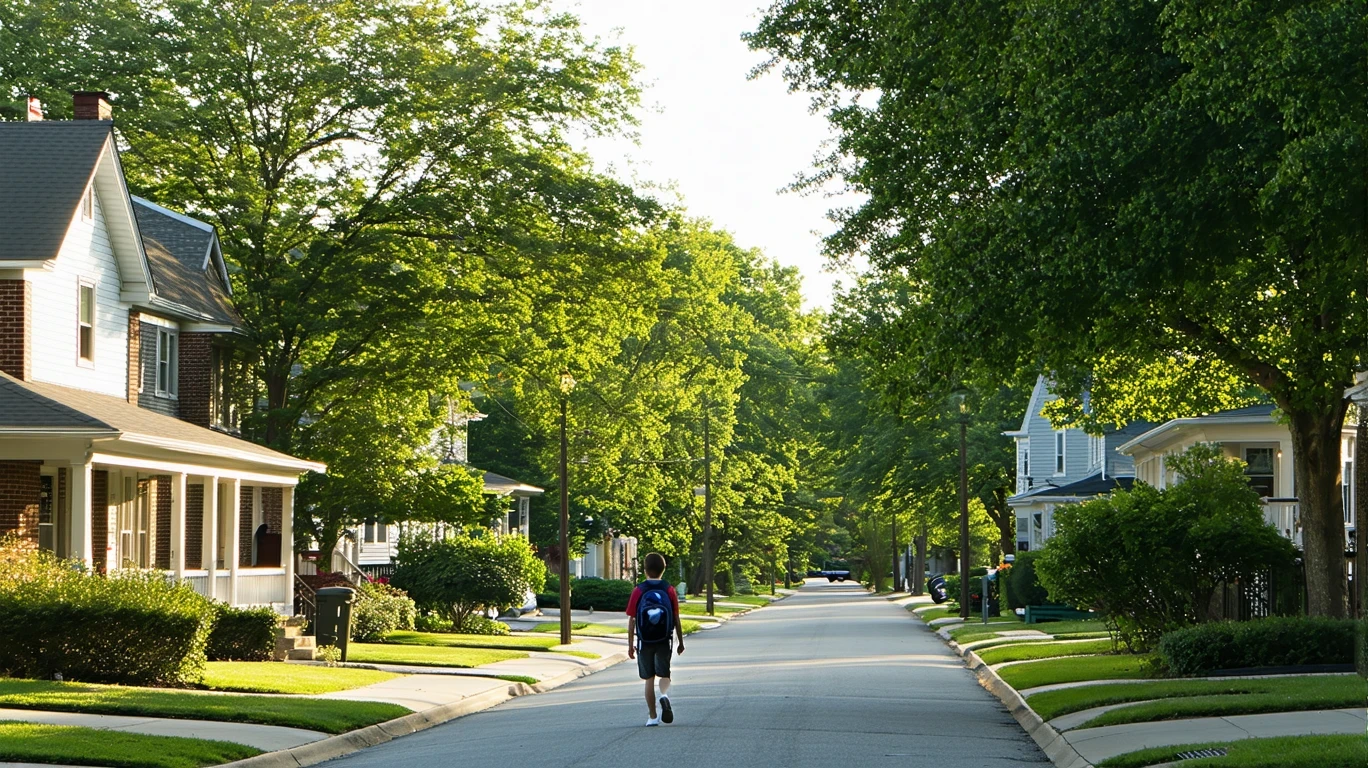
What sets Arlington apart is its structure: mixed-use development means students can live near internship sites, study spaces, and social venues without the car dependency that drains budgets elsewhere. The pedestrian-to-road ratio exceeds high thresholds in key areas, and both food and grocery density surpass benchmarks that indicate broad accessibility. This isn’t a place where you drive to campus, drive to the store, and drive to meet friends—it’s a place where infrastructure actively supports a car-free or car-light lifestyle, a distinction that matters enormously when you’re managing a student budget.
Housing Options for Students in Arlington
The median gross rent in Arlington sits at $2,227 per month, a figure that reflects the city’s position in the Washington DC metro area and its appeal to young professionals and government workers. For students, this number isn’t a target—it’s a ceiling that requires strategic thinking. Shared housing becomes essential rather than optional, with most students splitting two- or three-bedroom apartments to bring individual costs into manageable territory. In practice, this means students often pay between $800 and $1,200 per month for a bedroom in a shared unit, depending on proximity to transit and neighborhood amenities.
Off-campus rental options dominate the student housing landscape, with purpose-built student complexes less common than in traditional college towns. Instead, students compete in the general rental market alongside young professionals, which means lease terms typically run 12 months rather than academic-year cycles. Security deposits usually equal one month’s rent, and landlords often require proof of income or a co-signer—a reality that makes family support or steady part-time employment critical for securing housing. Roommate-finding often happens through university housing boards, local Facebook groups, or word-of-mouth networks within academic programs.
Location strategy matters intensely in Arlington. Students living near Metro stations in neighborhoods like Clarendon, Ballston, or Rosslyn pay premium rents but eliminate car costs entirely. Those willing to live slightly farther from rail—but still within biking distance or along bus routes—can find more affordable options while maintaining reasonable access to campus and employment sites. The key tradeoff isn’t just rent versus location; it’s rent versus the total cost of mobility, a calculation where Arlington’s transit infrastructure creates genuine options that car-dependent college towns simply don’t offer.
Getting Around: Transportation as a Cost-Saving Strategy
Arlington’s transportation landscape fundamentally changes the student cost equation. The city’s rail transit presence provides direct connections to universities, internship sites, and employment hubs throughout the DC metro area, while the bike-to-road ratio exceeds high thresholds that indicate serious cycling infrastructure rather than token bike lanes. For students, this translates into a genuine choice: invest in car ownership with its insurance, parking, and maintenance costs, or build a lifestyle around transit, cycling, and walking that keeps more money available for tuition, books, and living expenses.
The experiential reality of getting around Arlington reflects its infrastructure density. A student living near the Metro can reach grocery stores, pharmacies, coffee shops, and restaurants on foot because food and grocery establishment density both exceed high thresholds. This isn’t about occasionally walking to a single convenience store—it’s about having multiple options within a reasonable radius, which means students can comparison shop, run errands between classes, and manage daily needs without the time penalty and planning burden that car-dependent environments impose. The pedestrian-to-road ratio in walkable pockets means sidewalks, crosswalks, and pedestrian signals are substantial rather than afterthoughts, creating an environment where walking feels safe and practical rather than risky or inconvenient.
Public transportation costs remain modest compared to car ownership. Students can access reduced-fare programs through university partnerships or purchase monthly passes that cover unlimited trips, making budgeting predictable. Cycling infrastructure supports year-round bike commuting for those willing to navigate seasonal weather, and the presence of bike-share programs adds flexibility for students who don’t want to maintain their own bicycles. Parking availability varies dramatically by neighborhood—abundant and often free in car-oriented areas, scarce and expensive near transit hubs—which reinforces the cost advantage of choosing housing based on walkability and transit access rather than parking convenience.
Student Cost of Living: What a Monthly Budget Actually Looks Like
Student budgets in Arlington require honest math and strategic choices. A frugal student sharing housing near transit, cooking most meals, and minimizing discretionary spending might manage on $1,400 to $1,600 per month, though this assumes disciplined habits and limited social spending. A moderate lifestyle—occasional dining out, regular entertainment, and some flexibility for textbooks and personal care—typically runs $1,800 to $2,200 monthly. Students aiming for comfortable living with solo housing, frequent dining out, and robust social activities face costs exceeding $2,500 per month, a figure that requires either substantial family support, significant scholarship funding, or well-paying part-time employment.
Food costs benefit from Arlington’s high density of grocery options and competitive retail environment. Students cooking at home can keep grocery spending between $250 and $350 monthly, with access to multiple supermarkets enabling price comparison and sale shopping. The concentration of food establishments also creates opportunities for student discounts at local restaurants and cafes, though relying heavily on dining out quickly inflates budgets. Textbook costs vary by program but typically add $300 to $600 per semester, a burden that many students offset through used book markets, rental programs, or digital alternatives.
Part-time employment opportunities in Arlington significantly ease budget pressure. The unemployment rate of 2.2% reflects a tight labor market where employers actively seek workers, and the city’s position in the DC metro area creates abundant opportunities in retail, food service, tutoring, and administrative support. Students with specialized skills can find higher-paying positions in their fields, particularly in government contracting, nonprofit organizations, and professional services. Typical student wages range from $15 to $20 per hour for entry-level positions, with 15 to 20 hours of weekly work generating $1,200 to $1,600 monthly before taxes—enough to cover a significant portion of living expenses without overwhelming academic commitments.
Monthly Student Budget Breakdown
Here’s what a typical monthly student budget might look like in Arlington:
| Expense Category | Shared Housing | Solo Living |
|---|---|---|
| Housing (rent + utilities) | $900–$1,200 | $1,800–$2,400 |
| Food (groceries + occasional dining) | $300–$400 | $350–$500 |
| Transportation (transit pass or bike maintenance) | $80–$120 | $80–$120 |
| Textbooks & supplies (averaged monthly) | $50–$100 | $50–$100 |
| Entertainment & social | $100–$200 | $150–$300 |
| Personal care & miscellaneous | $75–$125 | $100–$150 |
| Total Monthly | $1,505–$2,145 | $2,530–$3,570 |
Estimates based on average student spending patterns and local costs; figures represent illustrative context before individual variations, fees, or program-specific expenses.
Student-Friendly Amenities: Infrastructure That Supports Academic Success
Arlington’s amenity density creates practical advantages for student life beyond simple convenience. The high concentration of coffee shops with reliable Wi-Fi provides alternative study spaces when dorm rooms or apartments feel cramped or distracting. Public libraries offer quiet environments, research resources, and free printing—services that matter when you’re managing a tight budget and need professional-quality output for presentations or applications. The integrated park access, with density exceeding high thresholds, means students have outdoor spaces for exercise, stress relief, and informal study groups without needing cars to reach them.
Healthcare access in Arlington includes hospital facilities and pharmacy presence, ensuring students can address both routine and urgent medical needs locally. Many students maintain coverage through university health plans or family insurance, but having accessible providers and pharmacies reduces the friction of managing prescriptions, routine checkups, and unexpected illness. Mental health resources, while varying by institution, benefit from Arlington’s broader healthcare infrastructure and proximity to specialized providers throughout the DC metro area.
Gym facilities and recreational opportunities extend beyond university-provided options. The city’s strong family infrastructure—indicated by high school density and moderate playground availability—translates into well-maintained public recreational facilities, sports leagues, and community programs that students can access. Student discounts at local businesses vary but are common enough at restaurants, entertainment venues, and retail stores that it’s worth asking. Campus job opportunities, combined with Arlington’s tight labor market, mean students can often find positions that align with their academic schedules and career interests rather than settling for whatever work is available.
Social Scene: Building Community in an Urban Environment
Arlington’s social landscape differs from traditional college towns in important ways. Rather than a single dominant campus culture, students navigate a more diverse urban environment where university life blends with young professional networks, neighborhood communities, and the broader DC metro social scene. This creates both opportunities and challenges: more variety in venues, events, and social circles, but less automatic community than residential campuses provide. Students need to be more intentional about building social networks through academic programs, student organizations, and shared interest groups.
The mixed-use development pattern means entertainment options sit embedded in residential neighborhoods rather than concentrated in a single downtown district. Students can find live music venues, bars, restaurants, and cultural events distributed across multiple neighborhoods, each with its own character and crowd. The presence of rail transit makes exploring different areas practical without car ownership, and the concentration of young professionals creates a social scene that extends beyond undergraduate culture—an advantage for graduate students and those seeking more diverse social environments.
Campus social events and student organizations remain central to community building, particularly for students new to the area. Intramural sports, academic clubs, and special interest groups provide structured opportunities to meet people with shared interests. The city’s integrated park access supports informal gatherings, outdoor activities, and recreational sports that don’t require organized facilities or membership fees. Cultural activities benefit from Arlington’s proximity to Washington DC, with museums, concerts, festivals, and professional sporting events accessible via transit—opportunities that enrich student life but also create temptations that can strain entertainment budgets if not managed carefully.
Safety and Practical Considerations for Student Living
Arlington’s strong family infrastructure and established neighborhoods contribute to a generally safe environment for students. The presence of high school density and well-maintained public spaces indicates communities where families choose to raise children—a reliable signal of neighborhood stability and safety. Students living in walkable pockets near transit benefit from higher foot traffic and better lighting, factors that enhance personal safety during evening commutes or late-night study sessions.
Emergency services and healthcare access, including hospital presence, mean students can reach help quickly when needed. Campus security measures vary by institution, but Arlington’s overall public safety infrastructure—police presence, well-lit streets, and maintained sidewalks—provides a baseline of security that extends beyond campus boundaries. Students should still exercise normal urban caution: awareness of surroundings, secure housing locks, and avoiding isolated areas late at night.
Academic support services depend heavily on individual institutions, but Arlington’s position in the DC metro area creates access to extensive tutoring services, study groups, and academic resources beyond what universities directly provide. The city’s concentration of educated professionals and graduate students means peer tutoring and study partner opportunities are abundant for those who seek them out. Internship opportunities represent one of Arlington’s strongest practical advantages—proximity to federal agencies, nonprofit organizations, think tanks, and government contractors creates unmatched access to career-building experiences that can offset higher living costs through resume building and professional network development.
Frequently Asked Questions About Student Life in Arlington
What’s the average cost of student living in Arlington?
Students sharing housing typically spend between $1,500 and $2,100 monthly, covering rent, food, transportation, and basic expenses. Solo living pushes costs to $2,500 or higher. The key variable is housing choice: shared apartments near transit keep costs manageable, while solo living or car ownership significantly increases monthly budgets.
How safe is it for students to live off-campus in Arlington?
Arlington’s established neighborhoods and strong family infrastructure create a generally safe environment for students. Areas near transit stations benefit from higher foot traffic and better lighting. Standard urban awareness—securing housing, staying alert in unfamiliar areas, and using well-lit routes at night—applies, but the city’s overall safety profile supports off-campus living for students who choose housing thoughtfully.
Are there good part-time job opportunities for students?
Yes. Arlington’s 2.2% unemployment rate reflects a tight labor market where employers actively seek workers. Students find opportunities in retail, food service, tutoring, and administrative roles, with typical wages ranging from $15 to $20 per hour. The city’s position in the DC metro area also creates access to internships and career-relevant positions in government, nonprofits, and professional services.
What’s the social scene like for college students in Arlington?
Arlington offers a more diverse, urban social scene than traditional college towns. Rather than a single campus-dominated culture, students navigate multiple neighborhoods with distinct characters, blending university social life with young professional networks and DC metro cultural opportunities. This requires more intentional community building but provides greater variety in venues, events, and social circles. Transit access makes exploring different areas practical without car ownership.
Making the Decision: Is Arlington Right for Your College Years?
Arlington works best for students who can leverage its urban infrastructure advantages: those willing to share housing, embrace transit and cycling over car ownership, and actively build social networks in a diverse environment. Graduate students, working students, and those with family support or substantial scholarships will find the city’s professional opportunities, transit access, and amenity density create genuine value that offsets higher housing costs. The ability to intern at federal agencies, build professional networks, and access DC metro cultural resources represents an investment in career development that traditional college towns simply cannot match.
The city is less ideal for students seeking traditional campus-centered college experiences, those requiring solo housing on limited budgets, or individuals who prefer car-dependent lifestyles. The premium rental market and competitive housing environment demand financial planning and often family support or consistent employment. Students accustomed to small-town college environments may find Arlington’s urban density and diverse population require adjustment and more intentional community building.
For students making the decision, visit Arlington before committing. Test the transit routes between potential housing and campus. Walk the neighborhoods near Metro stations to assess amenities and safety. Calculate realistic budgets including housing, food, and transportation based on your actual lifestyle needs, not optimistic minimums. Talk to current students about their experiences managing costs and building community. Arlington offers genuine advantages for the right students, but those advantages require strategic choices about housing, transportation, and lifestyle that shape your entire college experience. Understanding the real cost pressures in Arlington helps you evaluate whether the city’s opportunities justify its expenses, while examining what a budget has to handle in Arlington provides the practical framework for making shared housing, transit dependence, and career-building internships work together financially.
How this article was built: In addition to public economic data, this article incorporates location-based experiential signals derived from anonymized geographic patterns—such as access density, walkability, and land-use mix—to reflect how day-to-day living actually feels in Arlington, VA.