
“I take the Coaster when I’m heading into San Diego proper, but everything else? I’m in the car. Groceries, picking up the kids, errands—none of that works on transit here.”
That’s the reality of getting around Oceanside in 2026. The city sits in a mobility middle ground: rail service connects residents to regional job centers, cycling infrastructure has grown in visibility, and certain neighborhoods offer genuine walkability. But the dominant pattern remains car-first, and newcomers who assume transit will handle daily life often recalibrate quickly.
Understanding transportation options in Oceanside means recognizing what works, where it works, and for whom. This isn’t about whether Oceanside has transit—it does. It’s about whether transit fits the way you’ll actually live here.
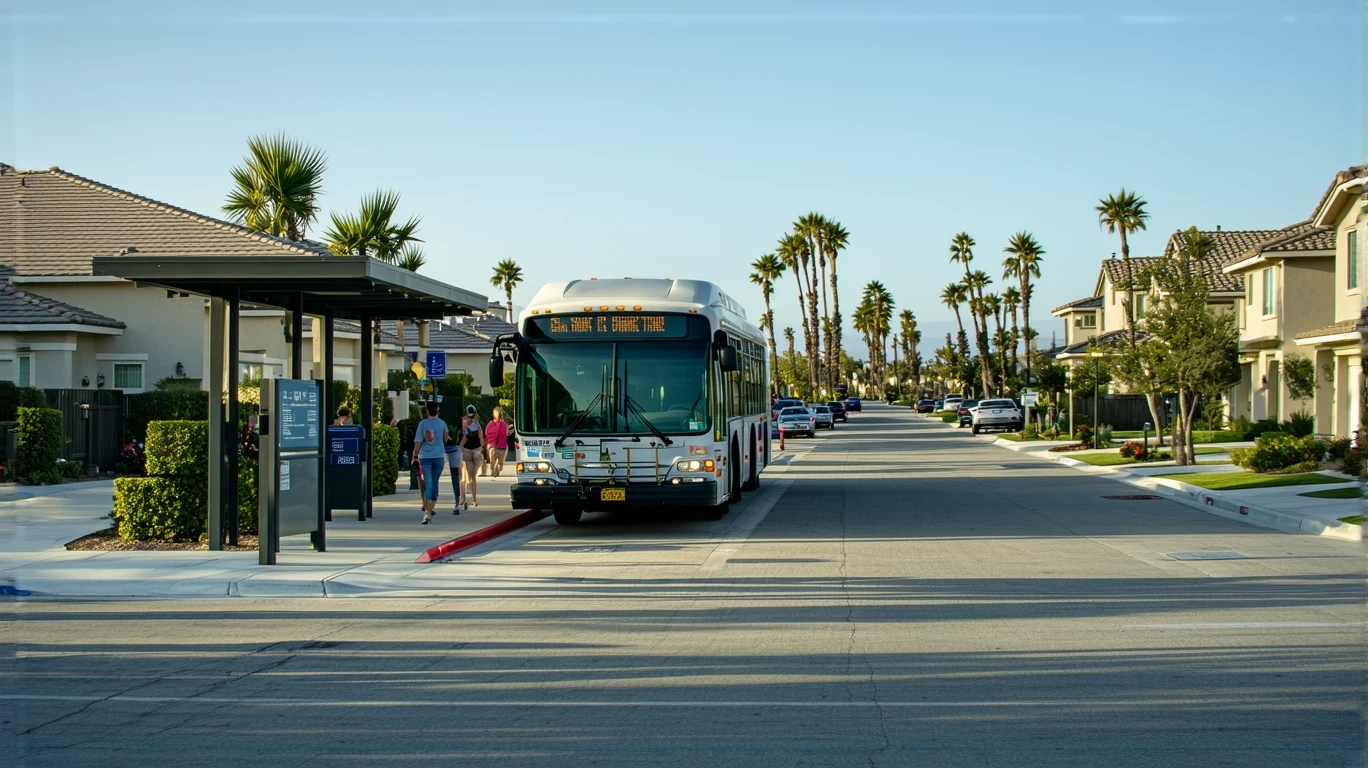
How People Get Around Oceanside
Oceanside’s transportation landscape reflects its low-rise, spread-out development pattern. The city has rail access, notable bike infrastructure, and pockets of pedestrian-friendly streets, but these elements serve specific corridors and destinations rather than blanketing the entire city. Most residents drive most of the time, even those who use transit occasionally.
The pedestrian-to-road ratio in parts of Oceanside exceeds what you’d find in many suburban cities, and bike infrastructure is more developed than casual observers might expect. But grocery stores, schools, and daily errands remain clustered along commercial corridors rather than distributed evenly across neighborhoods. That clustering means even residents in walkable pockets often drive for routine tasks.
What newcomers misunderstand: Oceanside isn’t a car-only suburb, but it’s not a transit-first city either. It’s a place where your mobility depends heavily on where you live, where you work, and how much flexibility your schedule demands.
Public Transit Availability in Oceanside
Public transit in Oceanside often centers around systems such as the North County Transit District (NCTD), which operates bus routes throughout the city, and the Coaster commuter rail line, which connects Oceanside to downtown San Diego and points south. The presence of rail service distinguishes Oceanside from many North County communities and provides a genuine alternative for commuters heading to fixed destinations along the coast.
Transit works best for residents living near rail stations or along high-frequency bus corridors. The Coaster serves commuters traveling to central San Diego, Solvang, or other stops on the line, and it eliminates the variability and stress of freeway driving during peak hours. For that specific use case—regular, scheduled trips to a consistent destination—rail transit in Oceanside is a real asset.
But transit falls short in coverage and flexibility outside those corridors. Reaching destinations that require transfers, traveling during off-peak hours, or running multi-stop errands on transit becomes impractical quickly. The city’s low-density layout and the concentration of grocery stores and services along a few commercial strips mean that even households near transit lines often drive for daily errands.
Transit in Oceanside plays a supporting role, not a primary one. It handles specific trips well but doesn’t replace car ownership for most households.
Driving & Car Dependence Reality
Driving remains the default mode of transportation in Oceanside, and the city’s layout reinforces that dependence. Parking is generally available and less constrained than in denser coastal cities, which reduces one friction point of car ownership but also signals how essential vehicles are here.
The spread-out development pattern means that even short trips—picking up prescriptions, dropping kids at school, stopping for groceries—often require a car. While certain neighborhoods support walking or biking for some errands, the clustering of services along corridors means most households can’t eliminate driving entirely, even if they reduce it.
Car dependence in Oceanside isn’t about preference; it’s structural. The city’s infrastructure, land use, and commercial geography assume vehicle access. Households without reliable cars face meaningful limitations in job access, errands efficiency, and daily flexibility.
Commuting Patterns & Daily Mobility
Commute patterns in Oceanside vary widely depending on job location and schedule. The average commute runs 29 minutes, which sits near the middle for Southern California but masks significant variation. Workers commuting south to San Diego or north to Orange County often face longer, more variable travel times, while those working locally or from home avoid the freeway grind entirely.
About 11.4% of Oceanside workers work from home, slightly below the regional average but still a meaningful share. For those commuting, nearly 45% experience what counts as a long commute, reflecting the city’s role as a bedroom community for workers employed elsewhere in the region.
Daily mobility in Oceanside often involves mixed modes. A resident might take the Coaster to work but drive for errands. Another might bike to a local coffee shop but drive to the grocery store. The city’s infrastructure supports this variability in some neighborhoods, but it doesn’t eliminate the need for a car in most households.
Proximity matters more than transit access for most residents. Living near work, schools, or key services reduces commute friction far more effectively than living near a bus stop.
Who Transit Works For — and Who It Doesn’t
Transit in Oceanside works best for single commuters traveling to fixed destinations along the rail line, renters living near stations who prioritize lower transportation costs, and households willing to structure their schedules around transit timetables. For these groups, rail access provides a real alternative to freeway commuting and reduces the financial and mental load of daily driving.
Transit doesn’t work well for families managing multi-stop errands, workers with variable schedules or job sites, and residents living outside the walkable pockets near transit corridors. The time cost of transfers, limited evening and weekend service, and the difficulty of handling groceries or kids on transit push these households back toward cars.
Renters near the downtown core or other rail-adjacent neighborhoods have the best shot at reducing car dependence, but even they typically keep a vehicle for errands and flexibility. Homeowners in peripheral neighborhoods, where land use is more spread out and services are farther apart, face near-total car dependence regardless of transit availability.
Transit in Oceanside isn’t a binary choice. It’s a tool that works for specific trips and specific households, not a comprehensive system that replaces driving.
Transportation Tradeoffs in Oceanside
Choosing between transit and driving in Oceanside involves tradeoffs in predictability, control, flexibility, and exposure to external costs.
Transit offers predictability for scheduled commutes. A rider taking the Coaster to San Diego knows the departure time, the arrival time, and the cost structure. That predictability reduces commute stress and eliminates parking hassles at the destination. But transit sacrifices flexibility. Missing a train means waiting for the next one, and off-peak service limits spontaneity.
Driving offers control and flexibility. A driver can leave when they want, stop where they need, and adjust routes in real time. But driving exposes households to fuel price volatility, parking costs, maintenance unpredictability, and the mental load of traffic variability. At $5.88 per gallon, fuel costs in Oceanside add up quickly for long commutes, and freeway congestion introduces time variability that transit avoids.
The tradeoff isn’t about which mode is cheaper or faster in the abstract. It’s about which constraints a household can tolerate. Transit demands schedule discipline and limits spontaneity. Driving demands financial flexibility and tolerance for variability.
Most Oceanside households end up with a hybrid approach: driving for most trips, transit for specific commutes, biking or walking when proximity allows. The city’s infrastructure supports that mix in some neighborhoods, but it doesn’t eliminate the baseline need for car access.
FAQs About Transportation in Oceanside (2026)
Is public transit usable for daily commuting in Oceanside?
Yes, if your commute follows the rail line south toward San Diego or connects to a high-frequency bus corridor. Rail service provides a reliable alternative to freeway driving for fixed-schedule commutes. But transit becomes impractical quickly for jobs requiring transfers, off-peak travel, or destinations outside the core corridors.
Do most people in Oceanside rely on a car?
Yes. The city’s low-density layout, corridor-clustered errands, and limited transit coverage mean most households depend on cars for daily life. Even residents who use transit for commuting typically drive for groceries, errands, and family logistics.
Which areas of Oceanside are easiest to live in without a car?
Neighborhoods near rail stations and within the walkable pockets identified by pedestrian infrastructure offer the best chance of reducing car dependence. These areas support walking or biking for some errands and provide direct rail access for commuting. But even in these neighborhoods, most households keep a car for flexibility and errands outside the immediate area.
How does commuting in Oceanside compare to nearby cities?
Oceanside’s average commute of 29 minutes sits in the middle range for North County, but nearly 45% of commuters experience long commutes, reflecting the city’s role as a residential base for workers employed elsewhere. Rail access gives Oceanside an advantage over some neighboring cities, but the city’s spread-out layout and limited transit coverage mean driving remains dominant.
Does Oceanside’s bike infrastructure make car-free living realistic?
Not for most households. The bike-to-road ratio in Oceanside exceeds many suburban cities, and cycling infrastructure is notably present in parts of the city. But the clustering of grocery stores and services along corridors, combined with the low-density layout, means biking alone doesn’t eliminate the need for a car for most residents. Biking works well for recreation and short trips in certain neighborhoods, but it doesn’t replace vehicle access for daily errands or commuting for most people.
How Transportation Fits Into the Cost of Living in Oceanside
Transportation in Oceanside isn’t just a budget line—it’s a structural factor that shapes where people live, how they spend their time, and what tradeoffs they accept. Choosing a home near transit might reduce fuel costs but increase rent. Living farther out might lower housing costs but add commute time and vehicle expenses. The city’s layout forces these tradeoffs into nearly every housing decision.
For a fuller picture of how transportation costs interact with housing, utilities, and other expenses, see What a Budget Has to Handle in Oceanside, which breaks down the financial structure households navigate here.
Oceanside offers more transportation options than many North County cities, but it still assumes car access for most residents. Understanding how rail, bike infrastructure, and walkable pockets fit your specific commute and errands pattern—before you move—reduces friction and aligns expectations with reality.
How this article was built: In addition to public economic data, this article incorporates location-based experiential signals derived from anonymized geographic patterns—such as access density, walkability, and land-use mix—to reflect how day-to-day living actually feels in Oceanside, CA.