
Many people moving to Oklahoma City face the rent-versus-buy decision without understanding how the city’s housing market actually works. The median home value sits at $196,700, which looks accessible on paper—especially against a median household income of $64,251 per year. But that headline number hides significant variation in how housing costs behave depending on where you live and how you move through the city. Oklahoma City isn’t uniformly suburban; parts of the city have substantial pedestrian infrastructure, rail transit access, and mixed-use development, while other areas remain entirely car-dependent. That geographic split shapes not just what you pay upfront, but how housing costs accumulate over time.
This article explains housing cost structure and long-term exposure in Oklahoma City. It’s designed to help you decide whether renting or buying fits this market, which housing costs stay predictable, and how local conditions—from extended cooling seasons to neighborhood walkability—change the ownership experience.
The Housing Market in Oklahoma City Today
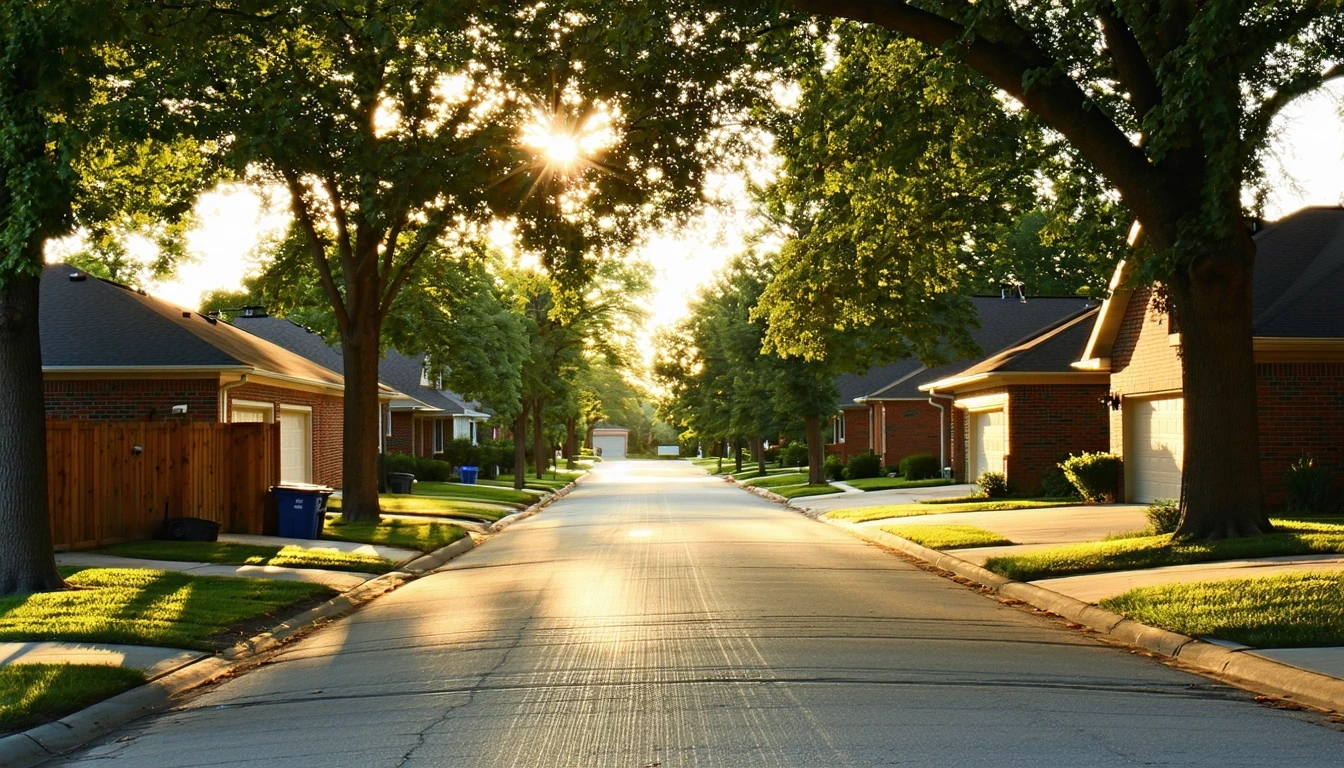
Oklahoma City’s housing market reflects a regional hub economy with lower cost structure than coastal metros, but it’s not a monolithic suburban landscape. The city has developed distinct submarkets shaped by transit access, urban form, and infrastructure density. Some neighborhoods feature more vertical building profiles and mixed residential-commercial land use, while others follow traditional low-density suburban patterns. That variation matters because it determines whether a household can function without a car, how far daily errands require you to travel, and what kind of maintenance and utility exposure you inherit.
The median home value of $196,700 positions Oklahoma City as accessible for buyers earning near the median household income, but location choice within the city creates divergent cost experiences. Areas with rail transit access, walkable street networks, and corridor-clustered food and grocery options command different pricing and attract different household types than car-dependent neighborhoods. Newcomers often assume Oklahoma City is uniformly low-cost and car-oriented; that assumption breaks down quickly when comparing neighborhoods with high pedestrian-to-road ratios and rail stations to areas where every errand requires driving.
The city’s economic base—anchored by energy, government, and healthcare sectors—supports steady employment (unemployment sits at 3.2%), which stabilizes housing demand without the speculative pressure seen in faster-growing Sun Belt markets. But that stability doesn’t mean housing costs are static. Ownership here exposes you to property tax volatility, maintenance intensity driven by weather extremes, and utility pressure from extended cooling seasons. Renters face different tradeoffs: more flexibility and lower upfront costs, but less control over annual rent adjustments and no accumulation of equity.
Renting in Oklahoma City
Median gross rent in Oklahoma City is $1,012 per month, which includes rent plus tenant-paid utilities in most cases. That figure reflects a market where rental stock ranges from older single-family homes and duplexes in car-dependent areas to newer apartment buildings in walkable pockets near transit corridors. Renters who prioritize access to rail transit, cycling infrastructure, and corridor-clustered errands will find options concentrated in specific parts of the city, often at higher per-square-foot costs than outlying areas. Renters who accept car dependency and longer commutes can access lower rents, but must account for transportation costs that offset the housing savings.
Rental availability and pressure vary by neighborhood type. Areas with mixed-use development, integrated park access, and family infrastructure (schools and playgrounds at moderate density) attract households willing to pay for convenience and walkability. Renters in these areas benefit from shorter errand loops, viable transit options, and reduced car dependency, which changes the household cost structure even if rent is higher. In contrast, renters in car-dependent neighborhoods face lower base rent but higher transportation exposure—more miles driven, more fuel consumed, more vehicle maintenance required.
One dynamic renters often underestimate: how neighborhood walkability affects daily logistics complexity. In parts of Oklahoma City with substantial pedestrian infrastructure and corridor-clustered food access, running errands without a car is feasible. In areas where grocery density is low and pedestrian infrastructure is sparse, every household task requires planning, driving, and time. That friction doesn’t show up in the rent figure, but it shapes how much energy and money you spend managing daily life.
Renters also face less exposure to property tax changes, major maintenance events, and long-term weather-related repairs. In a city with extended cooling seasons and occasional severe weather, that insulation matters. Landlords absorb HVAC replacements, roof repairs, and structural upkeep; renters pay indirectly through rent adjustments, but avoid the lump-sum shocks that homeowners manage directly.
Owning a Home in Oklahoma City
Owning a home in Oklahoma City at a median value of $196,700 means taking on property tax obligations, maintenance responsibility, and utility exposure that renters avoid. Property taxes in Oklahoma are set at the county level and can shift with reassessments and voter-approved levies. Homeowners should expect taxes to behave as a recurring, semi-predictable cost that adjusts over time, not a fixed expense. The city’s relatively accessible home values mean tax bills start lower than in high-cost metros, but the percentage burden and volatility remain.
Maintenance exposure in Oklahoma City is shaped by climate and housing stock age. Extended cooling seasons mean air conditioning systems run hard from late spring through early fall, accelerating wear on HVAC equipment. Homeowners in older housing stock face more frequent repairs; those in newer builds benefit from warranty coverage and modern efficiency standards, but pay higher purchase prices. Severe weather events—hail, high winds, occasional ice storms—create episodic repair needs (roof damage, siding replacement, tree removal) that renters never see.
Ownership also locks in your relationship with neighborhood infrastructure. If you buy in a walkable pocket with rail access and corridor-clustered errands, you reduce long-term transportation costs and gain flexibility in household logistics. If you buy in a car-dependent area, you commit to vehicle ownership, fuel expenses, and commute time for the duration of your stay. That tradeoff doesn’t reverse easily; selling and moving involves transaction costs, timing risk, and market exposure.
Homeowners gain control over housing cost predictability—your principal and interest payment stays fixed if you lock a mortgage rate, while renters face annual lease renewals with potential increases. But homeowners also absorb all cost volatility in taxes, insurance, utilities, and repairs. In Oklahoma City, where cooling costs dominate summer utility bills and weather-related maintenance is recurring, that volatility is noticeable.
Apartment vs House in Oklahoma City — Cost Behavior Comparison
The table below compares cost behavior between apartments and houses in Oklahoma City, focusing only on distinctions that matter locally. Rows are included only where Oklahoma City’s climate, infrastructure, or housing patterns create meaningful differences.
| Expense Category | Apartment | House |
|---|---|---|
| Cooling costs | Lower total usage due to smaller square footage and shared walls; landlord may cover or tenant pays separately | Higher usage due to larger square footage and standalone structure; owner pays directly and absorbs all seasonal volatility |
| Heating costs | Minimal exposure in Oklahoma City’s mild winters; shared walls reduce heat loss | Moderate exposure during occasional cold snaps; standalone structure loses heat faster |
| Weather-related repairs | Landlord responsibility; tenant insulated from roof, siding, and structural damage | Owner responsibility; hail, wind, and storm damage create episodic repair costs |
| Outdoor maintenance | Typically included or minimal; no yard care burden | Owner handles lawn care, tree maintenance, irrigation; time and cost increase with lot size |
| Access to parks and green space | Depends on location; apartments in walkable pockets benefit from integrated park access | Depends on location; houses in car-dependent areas may require driving to parks despite Oklahoma City’s high park density |
| Transportation dependency | Apartments in corridor-clustered areas with rail access reduce car dependency; those in outlying areas do not | Houses in walkable pockets rare; most require car ownership for all errands and commuting |
Why these categories: Oklahoma City’s extended cooling season, episodic severe weather, and geographically limited walkable infrastructure create cost differences that vary by housing type and location. Categories like base rent or mortgage payment were excluded because they don’t explain how costs behave differently—they just reflect different financing structures. The table focuses on operating costs and exposures that change depending on what you live in and where it’s located.
Utilities & Upkeep Differences
Utility exposure in Oklahoma City is dominated by cooling costs during the extended warm season. Electricity rates sit at 12.62¢/kWh, and air conditioning drives the majority of summer consumption. Apartments benefit from smaller conditioned space and shared walls, which reduce total cooling load. Houses, especially older or poorly insulated ones, face higher consumption and larger seasonal bill swings. Homeowners also control efficiency upgrades (programmable thermostats, insulation improvements, HVAC replacements), which can reduce usage over time but require upfront investment.
Natural gas, priced at $11.08 per thousand cubic feet, plays a smaller role in Oklahoma City than in colder climates. Heating costs remain modest except during occasional winter cold snaps. Homeowners with gas heating see minor seasonal increases; those relying on electric heat face sharper swings. Renters in apartments with central systems or landlord-paid utilities avoid direct exposure, though costs are reflected indirectly in rent.
Upkeep differences between apartments and houses are amplified by Oklahoma City’s weather patterns. Homeowners manage roof and siding wear from hail and high winds, HVAC strain from extended cooling seasons, and outdoor maintenance (lawn care, tree trimming, irrigation) that varies with lot size and landscaping. Apartment renters avoid these responsibilities entirely; landlords handle structural repairs, grounds maintenance, and major system replacements. That insulation reduces cost volatility and time burden, but renters sacrifice control over timing, quality, and upgrade decisions.
Water and sewer costs, typically billed separately for both renters and owners, vary by usage and household size but don’t differ sharply between housing types in Oklahoma City. Trash collection is often included in apartment rent; homeowners pay directly through city services or private haulers.
Rent vs Buy: Long-Term Exposure in Oklahoma City
The rent-versus-buy decision in Oklahoma City hinges on how you value predictability, control, and exposure to different cost drivers. Renters maintain flexibility—they can relocate without transaction costs, avoid property tax and maintenance volatility, and shift housing costs quickly if income or household size changes. Owners gain stability in their principal and interest payment and build equity over time, but absorb all volatility in taxes, insurance, repairs, and utilities. Neither path is universally cheaper; they expose you to different risks and rewards.
Over time, renters face the possibility of rent increases at each lease renewal, driven by landlord costs, market pressure, or neighborhood demand shifts. In Oklahoma City, where certain walkable pockets and transit-accessible areas attract stronger demand than car-dependent neighborhoods, rent growth varies by location. Renters in high-demand corridors may see steadier upward pressure; those in outlying areas may experience slower or more erratic changes. Owners avoid base housing payment increases if they lock a fixed-rate mortgage, but their taxes, insurance, and maintenance costs shift over time in ways renters never manage directly.
Ownership in Oklahoma City also means committing to a specific neighborhood’s infrastructure and walkability profile. If you buy in one of the city’s walkable pockets with rail access and corridor-clustered errands, you reduce long-term transportation costs and gain household logistics flexibility. If you buy in a car-dependent area, you lock in vehicle ownership, fuel expenses, and commute time for as long as you stay. Renters can test neighborhoods and relocate more easily; owners must evaluate location fit carefully before committing, because reversing the decision involves selling, timing the market, and paying transaction costs.
Maintenance and weather-related repair exposure also accumulates differently. Renters avoid the lump-sum costs of HVAC replacement, roof repair after hail damage, or tree removal after storms. Owners manage these events directly, and in Oklahoma City’s climate, they recur. Cooling system strain from extended summers, occasional severe weather, and aging housing stock create episodic expenses that owners must budget for or finance. Renters pay indirectly through rent adjustments, but the cost is spread and predictable rather than sudden.
Equity accumulation is the primary long-term advantage of ownership. Each mortgage payment builds equity, and if home values appreciate, owners capture that gain when they sell. Renters build no equity and gain no appreciation benefit, but they also avoid loss exposure if the market softens or the neighborhood declines. In Oklahoma City, where home values start accessible and the economy remains stable, ownership offers a clearer path to wealth building for households who plan to stay long enough to offset transaction costs and absorb maintenance volatility.
FAQs About Housing Costs in Oklahoma City
Is it cheaper to rent or buy in Oklahoma City?
Neither is universally cheaper; the comparison depends on how long you stay, which neighborhood you choose, and how you value flexibility versus equity. Renting avoids property tax, maintenance, and repair exposure, but builds no equity and leaves you vulnerable to rent increases. Buying at a median home value of $196,700 makes ownership accessible for households near the median income of $64,251 per year, but commits you to property tax volatility, weather-related maintenance, and utility exposure from extended cooling seasons. Ownership becomes more cost-effective the longer you stay, assuming you can absorb episodic repair costs and benefit from equity accumulation.
How much do utilities cost for homeowners in Oklahoma City?
Utility costs depend on home size, insulation quality, and cooling system efficiency. Electricity at 12.62¢/kWh drives the majority of summer bills due to extended air conditioning use. Natural gas at $11.08 per thousand cubic feet plays a smaller role, primarily for heating during mild winters. Homeowners in older, poorly insulated houses face higher cooling costs than those in newer, efficient builds. Apartments with smaller square footage and shared walls see lower total consumption, though tenants may pay separately or have utilities included in rent.
What makes housing costs different across neighborhoods in Oklahoma City?
Oklahoma City has geographically distinct submarkets shaped by walkability, transit access, and infrastructure density. Some areas feature substantial pedestrian infrastructure, rail transit, and corridor-clustered errands, which reduce car dependency and change household cost structure. Other areas remain entirely car-dependent, requiring vehicle ownership and longer commutes for all errands. Housing in walkable pockets with mixed-use development and integrated park access commands different pricing and attracts different household types than car-dependent neighborhoods. Location choice determines not just purchase price or rent, but long-term transportation costs, time burden, and logistics complexity.
How does weather affect homeownership costs in Oklahoma City?
Extended cooling seasons increase HVAC wear and summer utility bills, creating recurring maintenance and replacement costs. Severe weather events—hail, high winds, occasional ice storms—cause episodic damage to roofs, siding, and trees, which homeowners must repair or replace. Renters are insulated from these costs; landlords handle structural repairs and major system replacements. Homeowners absorb the full volatility, which can be managed through maintenance reserves and insurance, but remains a noticeable part of the ownership experience in Oklahoma City.
Can you live in Oklahoma City without a car?
Only in specific neighborhoods. Parts of the city have rail transit access, substantial pedestrian infrastructure, and corridor-clustered food and grocery options, making car-free living feasible for some households. But these walkable pockets are geographically limited. Most of Oklahoma City requires a car for commuting, errands, and daily logistics. Renters can test car-free viability before committing; buyers who choose car-dependent neighborhoods lock in vehicle ownership and associated costs for the duration of their stay.
Making Housing Choices in Oklahoma City
Housing costs in Oklahoma City are shaped by accessible home values, geographic variation in walkability and transit access, and climate-driven utility and maintenance exposure. The median home value of $196,700 makes ownership viable for many households, but the decision to rent or buy depends on how long you plan to stay, which neighborhood fits your logistics needs, and whether you can absorb the volatility that comes with property taxes, weather-related repairs, and cooling costs.
Renters gain flexibility and avoid maintenance shocks, but sacrifice equity and face potential rent increases over time. Owners build equity and lock in base housing payment predictability, but take on tax volatility, repair responsibility, and utility exposure that renters never manage. Location choice within Oklahoma City amplifies these tradeoffs—walkable pockets with rail access and mixed-use development reduce car dependency and change what a budget has to handle, while car-dependent areas require vehicle ownership and longer commutes that offset lower housing costs.
The city’s extended cooling season, episodic severe weather, and infrastructure variation mean housing costs behave differently depending on what you live in and where it’s located. Understanding those distinctions—and how they align with your household priorities—matters more than chasing the lowest headline rent or purchase price. For more context on how housing fits into Oklahoma City’s broader cost structure, other IndexYard resources can help you see how rent or ownership interacts with transportation, utilities, and day-to-day expenses.
How this article was built: In addition to public economic data, this article incorporates location-based experiential signals derived from anonymized geographic patterns—such as access density, walkability, and land-use mix—to reflect how day-to-day living actually feels in Oklahoma City, OK.