
Homeownership in Spring Valley comes with a longer list of expenses than most first-time buyers anticipate. Beyond the mortgage, there’s property tax exposure tied to a home valued at $375,200, ongoing cooling costs in a desert climate where triple-digit summer heat dominates energy bills, and maintenance demands that low-rise, single-family construction imposes on owners rather than landlords. Insurance, HOA governance (common in many Las Vegas metro subdivisions), and the reality that both schools and playgrounds are sparse—requiring families to plan around travel or private alternatives—add layers of cost and complexity that don’t appear in the purchase price.
Spring Valley sits in the Las Vegas metro, where what drives expenses reflects both the broader regional economy and the specific texture of this unincorporated community. The median household income here is $69,341 per year, which means the median home value represents roughly 5.4 times annual income—a stretch that leaves less room for surprise expenses. Renters face a median gross rent of $1,523 per month, a figure that includes some but not all utilities, and reflects the same housing stock and location pressures that shape ownership costs. Understanding the difference between these two paths requires looking past the headline numbers and into how costs behave over time, how climate and infrastructure shape ongoing exposure, and how Spring Valley’s layout affects the logistics of daily life.
—
The Housing Market in Spring Valley Today
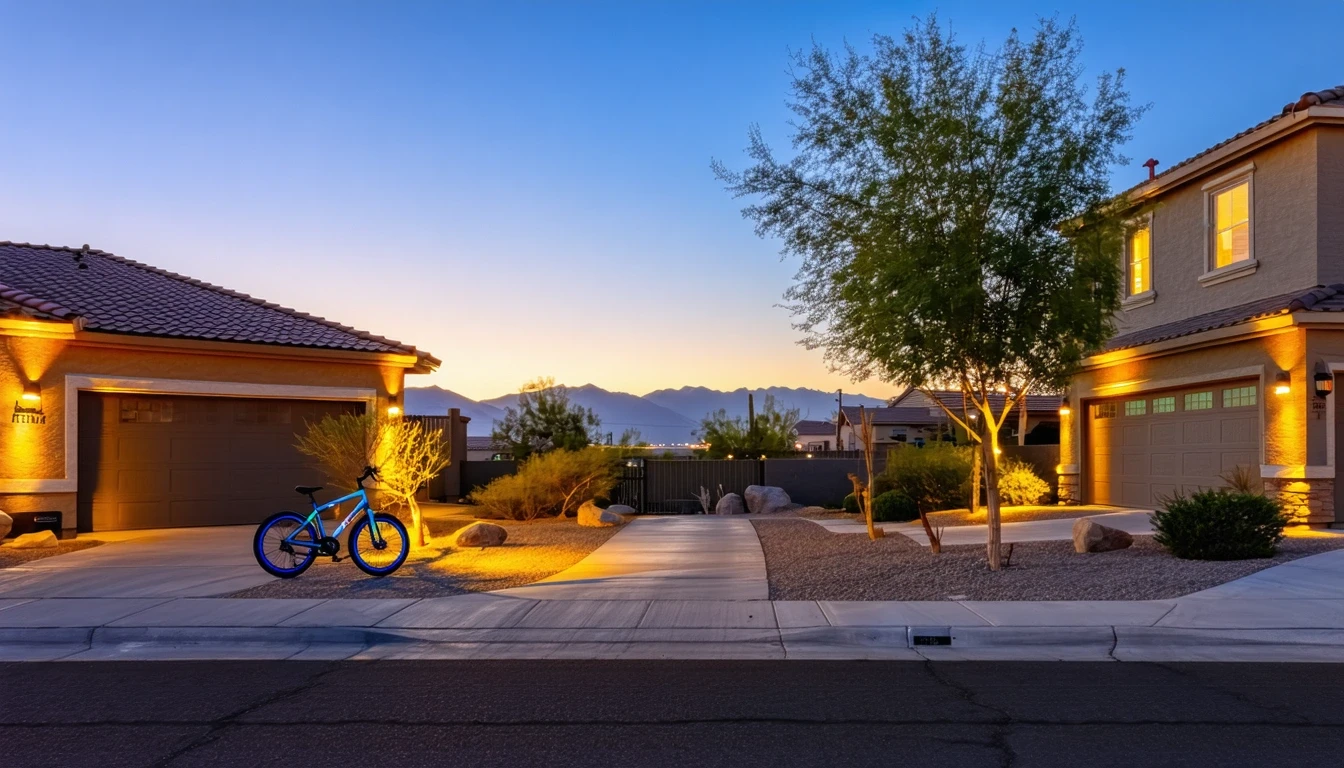
Spring Valley is not a city in the traditional sense—it’s an unincorporated township within Clark County, part of the sprawling Las Vegas metro. That distinction matters because it means housing policy, zoning, and infrastructure decisions are shaped at the county level, not by a local municipal government. The result is a housing market that reflects broader metro trends—rapid growth in past decades, a mix of single-family subdivisions and low-rise multifamily buildings, and a development pattern that prioritizes car access and lot-based living over walkable density.
What distinguishes Spring Valley within the metro is its location west of the Strip and its role as an established residential area rather than a newer exurban fringe. The housing stock here is older than in some of the outer suburbs, which means buyers and renters encounter a mix of well-maintained properties and homes that require updates. The pedestrian-to-road ratio exceeds high thresholds in parts of the community, and food and grocery density is strong, meaning some neighborhoods support errands on foot or by bus. But school and playground density both fall below low thresholds, a signal that families will need to travel farther for youth-oriented amenities or rely on private options.
The unemployment rate stands at 5.8%, reflecting economic volatility in a metro heavily reliant on hospitality and service industries. That volatility shapes housing demand and affordability in ways that differ from more diversified regional economies. Buyers and renters alike face a market where income stability is less certain, and where housing costs represent a larger share of household budgets than in many other parts of the country.
—
Renting in Spring Valley
Renters in Spring Valley pay a median gross rent of $1,523 per month, a figure that typically includes water and sometimes trash service, but rarely covers electricity or gas. In a desert climate where cooling dominates summer utility bills, that distinction matters. A renter in a poorly insulated apartment or a unit with older HVAC equipment will face higher out-of-pocket costs than one in a newer, more efficient building, even if the base rent is identical.
Rental availability in Spring Valley reflects the broader Las Vegas metro pattern: a mix of large apartment complexes, smaller multifamily buildings, and single-family homes offered by individual landlords. The low-rise character of the area means fewer high-density apartment towers and more ground-level or two-story buildings, which can mean more parking and outdoor space but also less insulation from noise and weather. Renters who prioritize walkability will find it in pockets—particularly near commercial corridors where grocery and food density is high—but those seeking family-oriented amenities like nearby schools or playgrounds will need to plan around longer travel distances.
Rental pressure here is shaped by the same income-to-cost ratio that affects buyers: where money goes each month leaves less room for rent increases or surprise expenses. Renters who lose a job or face a sudden bill may find themselves with limited financial cushion, particularly in a metro where service-sector employment dominates and income volatility is common. The predictability of a fixed lease term offers some protection, but renewal increases are common, and renters have little control over property-level decisions like HVAC upgrades or insulation improvements that would lower their utility exposure.
—
Owning a Home in Spring Valley
Homeownership in Spring Valley begins with a median home value of $375,200, but the ongoing cost structure extends well beyond the mortgage. Property taxes in Nevada are relatively low compared to other states, but they still represent a recurring expense that rises with assessed value. HOA fees are common in many Spring Valley subdivisions, covering shared landscaping, community amenities, and sometimes exterior maintenance, but adding a fixed monthly cost that persists regardless of how much or how little a household uses those services.
Desert climate exposure is a defining feature of ownership here. Triple-digit summer heat means air conditioning is not optional, and cooling costs dominate utility bills from May through September. Older homes with single-pane windows, minimal attic insulation, or aging HVAC systems face higher ongoing costs, and owners bear full responsibility for upgrades. Unlike renters, who can request repairs or move to a more efficient unit, owners must fund efficiency improvements upfront or accept higher monthly bills as a permanent feature of their cost structure.
Maintenance in a low-rise, single-family home is entirely owner-driven. Roof replacement, HVAC repair, water heater failure, and landscaping upkeep all fall to the homeowner, and in a desert environment, some of these costs arrive more frequently than in milder climates. Evaporative cooler maintenance, pool upkeep (common in many Spring Valley homes), and desert landscaping all require either time or money, and the absence of a landlord means no one else is responsible for covering those expenses.
The limited family infrastructure—low school and playground density—means families who own homes here may face additional costs in the form of private school tuition, extracurricular program fees, or transportation time to access youth amenities. That’s a cost that doesn’t appear in the purchase price but shapes the total financial burden of raising children in this community.
—
Apartment vs House in Spring Valley — Cost Behavior Comparison
| Expense Category | Apartment | House |
|---|---|---|
| Cooling Exposure | Shared walls reduce heat gain; landlord controls HVAC quality and insulation upgrades | Full exposure to desert heat; owner funds all efficiency improvements and bears full cooling cost |
| Maintenance Responsibility | Landlord covers HVAC, roof, water heater, and exterior repairs | Owner covers all repairs, replacements, and landscaping; no shared responsibility |
| Errands Accessibility | More likely to be located near high-density grocery and food corridors; walkable pockets reduce car dependency for some trips | More likely to be in low-density subdivisions; car required for most errands despite some mixed-use presence |
| Family Logistics | Limited on-site play space; low playground density means travel required for youth recreation | Private yard space common; but low school and playground density still requires travel or private alternatives |
Why these differences matter in Spring Valley: The table reflects the interplay between desert climate (cooling dominance), low-rise suburban form (maintenance falls to owners), and the specific infrastructure signals present here—walkable pockets and strong errands accessibility in some areas, but sparse family amenities throughout. Categories like property tax or HOA fees are omitted because they don’t differ by housing type in a way that’s locally diagnostic; both apartments and houses may involve HOA governance, and property tax is an ownership cost regardless of structure type.
—
Utilities & Upkeep Differences
Utility exposure in Spring Valley is shaped almost entirely by cooling demand. The electricity rate is 13.98¢/kWh, and in a climate where summer temperatures regularly exceed 100°F, air conditioning runs for extended periods each day. A house with poor insulation, older windows, or an undersized HVAC system will see noticeably higher bills than a well-sealed apartment with shared walls that buffer heat gain. Renters in apartments benefit from reduced exposure but have no control over efficiency upgrades; owners in houses bear the full cost but can invest in insulation, window replacement, or HVAC improvements to lower long-term bills.
Natural gas, priced at $9.96/MCF, plays a smaller role here than in colder climates. Heating demand is minimal, and many homes use gas primarily for water heating or cooking. That means gas bills remain relatively stable year-round, and the primary utility volatility comes from electricity.
Maintenance differences between apartments and houses are pronounced in a desert environment. Houses require roof maintenance to handle intense sun exposure, pool upkeep if present, and desert landscaping that balances water conservation with HOA requirements. Apartments shift most of these responsibilities to landlords or property management, meaning renters face fewer surprise expenses but also have no control over when or how maintenance is performed.
—
Rent vs Buy: Long-Term Exposure in Spring Valley
Renting in Spring Valley offers predictability within a lease term but no protection against renewal increases or landlord decisions that affect utility costs. A renter whose landlord delays HVAC repairs or refuses to upgrade insulation will face higher cooling bills with no recourse beyond moving. Rent increases are common in a metro where housing demand remains strong relative to income growth, and renters build no equity, meaning years of payments leave no asset to show for the expense.
Ownership trades that predictability for control and equity accumulation, but it also introduces exposure to costs that rise over time. Maintenance and repairs are episodic but inevitable, and in a desert climate, some of those costs—roof replacement, HVAC failure, pool resurfacing—are both expensive and non-negotiable. Property tax and insurance costs can rise, particularly after reassessment or in response to regional risk factors, and owners cannot simply move to avoid those increases without selling and incurring transaction costs.
The decision between renting and buying in Spring Valley is not primarily about monthly payment size—it’s about risk tolerance, time horizon, and the value a household places on control versus flexibility. Renters who prioritize mobility, who lack the savings to cover surprise repairs, or who expect income volatility may find renting a better fit despite the lack of equity. Buyers who plan to stay for years, who value the ability to upgrade efficiency and reduce long-term cooling costs, and who can absorb maintenance expenses without financial strain will find ownership advantageous, but only if they understand that the home value of $375,200 is the starting point, not the total cost.
—
FAQs About Housing Costs in Spring Valley
What is the median home price in Spring Valley, NV?
The median home value in Spring Valley is $375,200. That figure reflects the established suburban housing stock in this part of the Las Vegas metro, where single-family homes dominate but low-rise multifamily buildings are also common. Buyers should expect ongoing costs beyond the purchase price, including property tax, HOA fees in many subdivisions, and substantial cooling expenses driven by desert heat.
How much does it cost to rent in Spring Valley?
The median gross rent in Spring Valley is $1,523 per month. That figure typically includes water and sometimes trash service, but electricity and gas are usually billed separately. In a climate where air conditioning runs for extended periods each summer, renters should expect utility bills to add noticeably to their monthly housing cost, particularly in older or poorly insulated units.
Are property taxes high in Spring Valley, NV?
Nevada’s property tax rates are relatively low compared to many other states, but the absence of a state income tax means property tax and sales tax carry more of the revenue burden. Specific rates and assessment practices are set at the county level, and owners should verify current rates and any exemptions that may apply. Property tax is a recurring cost that rises with assessed value, and it persists regardless of how much equity a homeowner has built.
Do most homes in Spring Valley have HOA fees?
Many subdivisions in Spring Valley are governed by homeowners associations, which charge monthly or annual fees to cover shared landscaping, community amenities, and sometimes exterior maintenance. HOA fees vary widely depending on the neighborhood and the services provided, and they represent a fixed cost that owners cannot eliminate. Buyers should verify HOA obligations before purchasing and factor those fees into their long-term cost projections.
How does the desert climate affect housing costs in Spring Valley?
Triple-digit summer heat makes air conditioning a dominant cost for both renters and owners. Homes with poor insulation, older HVAC systems, or single-pane windows face higher cooling bills, and that exposure lasts from late spring through early fall. Owners can invest in efficiency upgrades to reduce long-term costs, but those improvements require upfront capital. Renters have less control and must either accept higher utility bills or move to a more efficient unit.
—
Making Housing Choices in Spring Valley
Housing costs in Spring Valley are shaped by the intersection of a relatively high home value, a desert climate that imposes ongoing cooling expenses, and a suburban form that offers walkable pockets and strong errands accessibility in some areas but limited family infrastructure throughout. Renters gain predictability and avoid maintenance responsibility but build no equity and face renewal increases with limited recourse. Owners gain control and the opportunity to reduce long-term utility costs through efficiency upgrades, but they also absorb full responsibility for repairs, property tax, HOA fees, and the reality that schools and playgrounds are sparse, requiring families to plan around travel or private alternatives.
The decision between renting and owning is not about which option costs less in the short term—it’s about which cost structure fits a household’s income stability, time horizon, and tolerance for episodic expenses. Spring Valley’s housing market rewards those who understand that the purchase price or monthly rent is only the starting point, and that the total cost of living here is determined by how well a household can manage cooling exposure, maintenance demands, and the logistics of daily life in a low-density, car-oriented environment with pockets of walkability and strong commercial access but limited youth amenities.
How this article was built: In addition to public economic data, this article incorporates location-based experiential signals derived from anonymized geographic patterns—such as access density, walkability, and land-use mix—to reflect how day-to-day living actually feels in Spring Valley, NV.