
Broomfield’s housing market reflects its position as an established Denver metro suburb where strong household incomes meet limited inventory and family-oriented infrastructure. With a median home value of $581,600 and median rent at $1,923 per month, the city sits roughly 5% above national price baselines—a modest premium that belies the structural tradeoffs shaping cost exposure here. What distinguishes Broomfield isn’t dramatic price outliers but rather how its walkable pockets, integrated park system, and corridor-clustered errands create uneven convenience across neighborhoods, making location within the city as important as the decision to rent or buy.
For households evaluating Broomfield, the central tension isn’t affordability in isolation—it’s whether the city’s infrastructure supports the lifestyle you’re planning. Families benefit from school and playground density that exceeds typical suburban thresholds, while remote workers gain from mixed building heights and residential-commercial land use that reduce errand friction. But bus-only transit and the absence of a local hospital mean car ownership remains non-negotiable, and specialized healthcare requires travel. Understanding how these factors interact with rent volatility, ownership predictability, and long-term cost behavior determines whether Broomfield’s housing market works for your household or quietly compounds financial pressure over time.
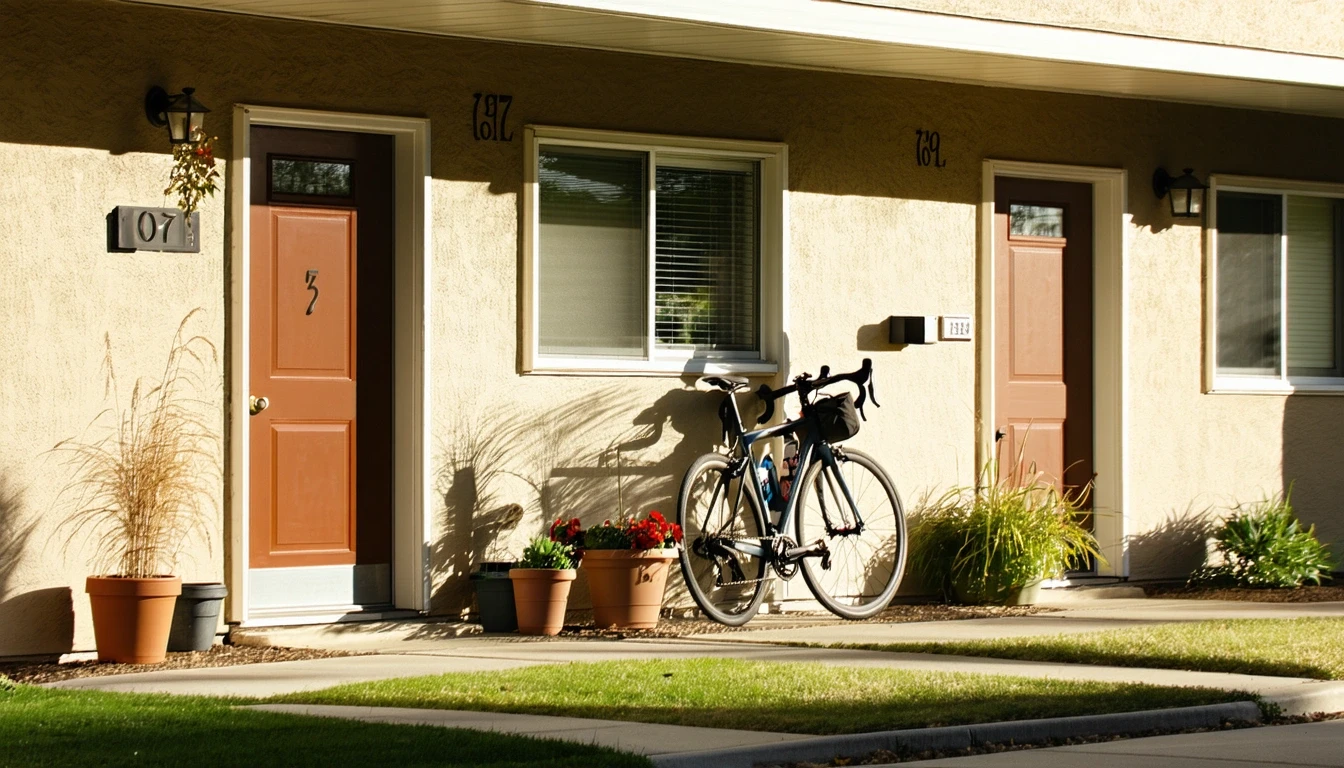
The Housing Market in Broomfield Today
Broomfield’s housing market operates at the intersection of Denver metro demand and a constrained suburban footprint. The city functions as a commuter suburb with strong schools, integrated green space, and a median household income of $117,541 per year—well above regional and national benchmarks. This income concentration supports home values that, while elevated, remain accessible to dual-income professional households. What newcomers often misunderstand is that Broomfield’s market isn’t shaped by scarcity alone; it’s driven by family infrastructure quality and the uneven distribution of walkability and errands access across the city.
Unlike denser urban cores where transit and mixed-use development create uniform access, Broomfield’s pedestrian-to-road ratio exceeds high thresholds only in pockets. This means some neighborhoods offer genuine walkability—short trips to parks, schools, and clustered retail—while others remain car-dependent for every errand. Buyers and renters who prioritize convenience must evaluate specific locations, not just citywide averages. The presence of water features and park density that exceeds high thresholds adds recreational value, but these amenities don’t reduce the baseline need for vehicle ownership given bus-only transit and corridor-clustered grocery access.
The city’s economic stability—reflected in a 4.1% unemployment rate—supports housing demand but also limits turnover. Established families stay longer when schools and parks meet expectations, which tightens inventory and sustains price floors. For first-time buyers, this means competition remains steady even outside peak seasons, and for renters, it translates to landlords who face little pressure to discount. Broomfield’s market rewards those who can afford to wait for the right location and penalizes those who compromise on neighborhood fit to meet a timeline.
Renting in Broomfield
At $1,923 per month, Broomfield’s median rent reflects both its proximity to Denver employment centers and the income profile of its resident base. This figure represents gross rent—including utilities where bundled—but most renters should expect electricity, natural gas, and internet as separate line items. Rental stock in Broomfield skews toward apartments and townhomes in mixed-height developments, with single-family rentals less common and typically priced above median. The city’s land-use mix—residential and commercial detected in close proximity—means some rental locations offer short trips to errands, while others require deliberate driving to reach grocery clusters along commercial corridors.
Rental pressure in Broomfield doesn’t stem from extreme scarcity but from limited turnover and a tenant base that stays longer when family infrastructure aligns with household needs. Renters with school-age children benefit from playground and school density that meets suburban thresholds, reducing the need to relocate for better access. However, the absence of rail transit and reliance on bus service means renters must budget for vehicle ownership and fuel costs—currently $2.70 per gallon—as non-negotiable additions to housing expenses. For households accustomed to transit-rich cities, this shift in cost structure can be jarring.
Renters also face exposure to utility volatility driven by Colorado Front Range climate patterns. Cold winters demand natural gas heating, while warm, dry summers require air conditioning in most units. Electricity rates at 16.35¢/kWh and natural gas at $10.92/MCF mean seasonal swings in utility bills are noticeable, particularly in older or poorly insulated buildings. Renters in newer developments with better envelopes experience less volatility, but this advantage rarely appears in lease terms—it’s discoverable only through direct inquiry or tenant feedback.
The rental experience in Broomfield varies significantly by location. Those in walkable pockets near parks and corridor retail enjoy lower day-to-day friction, while those in car-dependent zones face longer trip chains and higher fuel costs. Renters should evaluate not just the unit but the surrounding infrastructure: proximity to bus stops, distance to grocery clusters, and access to the integrated park system that defines Broomfield’s outdoor appeal.
Owning a Home in Broomfield
At a median home value of $581,600, ownership in Broomfield requires substantial upfront capital and positions buyers in a market where long-term value retention depends on family infrastructure and neighborhood-level walkability. Unlike renting, where costs reset annually, ownership locks in a baseline housing payment but exposes households to property taxes, maintenance, insurance, and potential homeowners association (HOA) obligations. These costs don’t remain static—they respond to assessment cycles, weather events, and governance decisions—but they shift more slowly than rent, offering predictability in exchange for reduced flexibility.
Ownership in Broomfield suits households planning to stay long enough to absorb transaction costs and benefit from the city’s stable demand drivers: strong schools, integrated parks, and a median income base that supports property values. Families with children gain the most, as school and playground density that meets suburban thresholds reduces the need to relocate for better access. Remote workers benefit from mixed building heights and land-use mix that support work-from-home routines without requiring long commutes for errands. However, the absence of a local hospital—clinics provide routine care only—means households with complex medical needs must factor in travel time and fuel costs for specialized treatment.
Ownership also shifts utility and maintenance exposure. Homeowners control insulation upgrades, HVAC efficiency, and landscaping choices, allowing them to reduce seasonal utility swings driven by cold winters and warm summers. But they also absorb the full cost of roof repairs, HVAC replacement, and exterior maintenance—expenses that renters avoid. In Broomfield’s climate, where freeze-thaw cycles stress foundations and dry conditions increase wildfire insurance scrutiny, these obligations are neither trivial nor predictable. Buyers should budget for deferred maintenance as a recurring cost category, not an emergency fund afterthought.
HOA presence varies across Broomfield, with some neighborhoods governed by associations that bundle landscaping, snow removal, and amenity access into monthly fees, while others leave homeowners fully responsible. HOA governance can stabilize certain costs but also introduces rigidity—fee increases, special assessments, and rule changes occur without individual homeowner consent. Buyers should review HOA financials and meeting minutes before closing, as underfunded reserves or deferred common-area maintenance signal future cost exposure.
Apartment vs House in Broomfield — Cost Behavior Comparison
| Expense Category | Apartment | House |
|---|---|---|
| Heating & Cooling | Lower square footage and shared walls reduce exposure; cold winters and warm summers still drive noticeable seasonal swings | Larger conditioned space and detached construction increase baseline usage; insulation quality and HVAC efficiency determine volatility |
| Outdoor Maintenance | Typically bundled into rent or HOA fees; tenant responsibility limited to patio/balcony | Owner absorbs landscaping, snow removal, and irrigation costs; dry climate and freeze-thaw cycles increase seasonal labor and water use |
| Access to Parks & Schools | Integrated park system and strong school density accessible regardless of housing type; walkable pockets favor some apartment locations | Same access to parks and schools; single-family zones may require slightly longer trips to corridor-clustered errands |
| Vehicle Dependency | Bus-only transit and corridor-clustered grocery access require car ownership; apartments near commercial corridors reduce trip frequency | Car ownership non-negotiable; single-family locations farther from corridors increase fuel costs and trip-chain complexity |
Why these categories differ in Broomfield: The city’s climate—cold winters requiring heating and warm, dry summers demanding cooling—creates seasonal utility exposure that scales with square footage and building envelope quality. Outdoor maintenance costs reflect Colorado Front Range conditions: freeze-thaw cycles, low humidity, and wildfire-adjacent landscaping considerations. Park and school access remains strong citywide due to density thresholds met across both housing types, but walkability and errands convenience vary by location rather than structure type. Vehicle dependency is universal due to bus-only transit, but proximity to commercial corridors reduces trip frequency and fuel costs for some apartment renters.
Categories omitted: Property taxes, insurance, and HOA fees were excluded because their variation depends on ownership structure and neighborhood governance rather than apartment-versus-house distinctions. Utility rate structures (electricity at 16.35¢/kWh, natural gas at $10.92/MCF) apply uniformly across housing types, so cost differences stem from usage intensity, not rate design.
Utilities & Upkeep Differences
Utility exposure in Broomfield is shaped by Colorado Front Range climate: cold winters that demand natural gas heating and warm, dry summers that require air conditioning in most homes. Electricity at 16.35¢/kWh and natural gas at $10.92/MCF create seasonal cost swings that are more pronounced in single-family homes due to larger conditioned spaces and detached construction. Apartments benefit from shared walls and smaller square footage, which dampen heating and cooling intensity, but older buildings with poor insulation still experience noticeable volatility.
Homeowners control efficiency upgrades—programmable thermostats, insulation improvements, HVAC replacements—that reduce long-term exposure, but these investments require upfront capital and years to recoup. Renters lack this control and must absorb utility volatility as it occurs, though they avoid the capital cost of upgrades. In Broomfield’s climate, where winter heating dominates cold-month bills and summer cooling drives warm-month usage, the ability to invest in efficiency creates a meaningful ownership advantage over time, even if the payoff isn’t immediate.
Upkeep costs in Broomfield reflect both climate and housing stock age. Freeze-thaw cycles stress foundations, roofs, and exterior surfaces, accelerating maintenance timelines compared to milder climates. Dry conditions increase wildfire risk in adjacent areas, which can raise insurance scrutiny and landscaping requirements. Single-family homeowners absorb these costs directly, while apartment renters see them reflected in rent increases or deferred building maintenance. The distinction matters because deferred maintenance in rental properties often surfaces as emergency repairs that disrupt tenants, while homeowners can schedule preventive work to avoid larger failures.
Water and sewer costs, though not detailed in available data, typically run higher for single-family homes due to irrigation demands in Broomfield’s dry climate. Apartments with shared landscaping distribute these costs across units, reducing individual exposure. Homeowners who prioritize xeriscaping or low-water landscaping can reduce this burden, but the upfront cost and aesthetic tradeoffs deter many buyers.
Rent vs Buy: Long-Term Exposure in Broomfield
The rent-versus-buy decision in Broomfield hinges on predictability, control, and exposure to cost shifts over time. Renting offers flexibility and limits responsibility—landlords absorb maintenance, property tax changes, and insurance volatility—but tenants face annual rent resets that respond to market conditions without individual negotiation. In a city where strong family infrastructure and limited turnover sustain demand, rent increases tend to persist rather than correct, compounding cost exposure for long-term renters.
Ownership replaces rent volatility with a fixed baseline housing payment (for fixed-rate mortgages) but introduces new exposures: property taxes that adjust with assessment cycles, insurance premiums that respond to wildfire risk and claims history, and maintenance costs that spike unpredictably. These costs don’t remain static, but they shift more slowly than rent, allowing homeowners to plan around known obligations rather than react to annual lease renewals. For households planning to stay in Broomfield long enough to absorb transaction costs—typically five years or more—ownership reduces cumulative uncertainty even if year-one costs appear similar to renting.
Control over the housing environment also differentiates ownership. Homeowners can invest in insulation, HVAC efficiency, and weatherization to reduce utility volatility driven by cold winters and warm summers. They can choose landscaping strategies that minimize water use in Broomfield’s dry climate. Renters lack this control and must accept the efficiency profile of their unit, which directly affects seasonal utility bills. Over time, this control allows owners to stabilize costs that renters experience as recurring volatility.
The long-term tradeoff isn’t about which option costs less in absolute terms—it’s about which cost structure aligns with your household’s planning horizon and risk tolerance. Renters preserve flexibility and avoid maintenance surprises but remain exposed to rent increases in a market where demand stays firm. Owners sacrifice flexibility and absorb maintenance risk but gain predictability and the ability to reduce certain costs through investment. In Broomfield, where strong schools, integrated parks, and walkable pockets sustain long-term demand, ownership rewards those who plan to stay, while renting suits those prioritizing mobility or unwilling to absorb maintenance uncertainty.
FAQs About Housing Costs in Broomfield
Is Broomfield affordable for first-time buyers?
At a median home value of $581,600, Broomfield requires substantial down payment capital and positions first-time buyers in a market where long-term value depends on family infrastructure and neighborhood walkability. Dual-income professional households with strong credit and stable employment fit the income profile—median household income is $117,541 per year—but single earners or those with limited savings face meaningful barriers. Affordability depends less on citywide averages and more on whether your household income supports the baseline payment plus property taxes, insurance, and maintenance exposure.
How does renting in Broomfield compare to nearby Denver metro suburbs?
Broomfield’s median rent of $1,923 per month reflects its position as an established suburb with strong schools and integrated parks, but without rail transit or hospital access. Renters gain family-oriented infrastructure and walkable pockets in some neighborhoods but must budget for car ownership due to bus-only transit and corridor-clustered errands. Compared to closer-in Denver suburbs with rail access, Broomfield offers more green space and lower density; compared to farther-out exurbs, it provides better walkability in pockets and shorter commutes to metro employment centers.
What drives utility costs in Broomfield homes?
Cold winters requiring natural gas heating and warm, dry summers demanding air conditioning create seasonal utility swings. Electricity at 16.35¢/kWh and natural gas at $10.92/MCF apply uniformly, but cost exposure scales with home size, insulation quality, and HVAC efficiency. Single-family homes experience greater volatility due to larger conditioned spaces and detached construction, while apartments benefit from shared walls and smaller square footage. Homeowners can invest in efficiency upgrades to reduce long-term exposure; renters must accept the building’s existing profile.
Does Broomfield require HOA membership for most homes?
HOA prevalence varies across Broomfield neighborhoods. Some developments include mandatory HOA membership with fees covering landscaping, snow removal, and amenity access, while others leave homeowners fully responsible. HOA governance stabilizes certain costs but introduces rigidity—fee increases and special assessments occur without individual consent. Buyers should review HOA financials, meeting minutes, and reserve funding before closing, as underfunded reserves signal future cost exposure through special assessments or deferred maintenance.
How does Broomfield’s housing market respond to economic downturns?
Broomfield’s housing market benefits from a stable income base—median household income of $117,541 per year—and family infrastructure that sustains demand even during economic slowdowns. The 4.1% unemployment rate reflects economic resilience, but the city isn’t insulated from broader Denver metro trends. During downturns, inventory may increase as households relocate for employment, but strong schools and integrated parks limit price corrections compared to less-established suburbs. Buyers gain negotiating leverage; renters may see slower rent growth but rarely experience meaningful decreases.
Making Housing Choices in Broomfield
Broomfield’s housing market rewards households who understand that location within the city matters as much as the rent-versus-buy decision. Walkable pockets, corridor-clustered errands, and integrated parks create uneven convenience that directly affects day-to-day costs and lifestyle friction. Families with school-age children benefit most from the city’s infrastructure—school and playground density meet suburban thresholds, and park access exceeds typical benchmarks—but the absence of rail transit and a local hospital means car ownership and travel for specialized care remain non-negotiable.
For renters, Broomfield offers moderate costs relative to income and flexibility to relocate as household needs shift, but annual rent resets in a market with limited turnover create cumulative exposure over time. For buyers, the city provides predictability and control in exchange for upfront capital and maintenance responsibility, with long-term value supported by stable demand drivers. The decision isn’t about which option costs less—it’s about which structure aligns with your planning horizon, risk tolerance, and willingness to absorb the tradeoffs embedded in Broomfield’s suburban framework.
Understanding how climate, infrastructure, and cost behavior interact in Broomfield allows you to evaluate housing options with clarity rather than assumptions. Whether you rent or buy, the city’s structure—walkable in pockets, car-dependent overall, and family-oriented by design—shapes your financial exposure and daily routines in ways that generic suburban advice can’t capture. For more detail on how these housing costs fit into broader monthly expenses, explore the full breakdown of where household budgets feel pressure in Broomfield.
How this article was built: In addition to public economic data, this article incorporates location-based experiential signals derived from anonymized geographic patterns—such as access density, walkability, and land-use mix—to reflect how day-to-day living actually feels in Broomfield, CO.