
Commerce City sits in the northern Denver metro area, where the transportation landscape reflects a blend of suburban car reliance and selective access to regional transit. Most residents depend on personal vehicles for daily life, but rail service and pockets of pedestrian-friendly infrastructure create options for some households. Understanding how people actually get around here—and who benefits from transit versus who absorbs commute friction—matters as much as knowing what routes exist on a map.
The average commute in Commerce City runs around 30 minutes, and 52.0% of workers face longer trips, signaling that many residents travel to jobs scattered across the metro rather than working locally. Only 7.8% work from home, meaning transportation isn’t optional for most households. How you move through Commerce City depends heavily on where you live within the city, where you work, and how much flexibility your schedule allows.
How People Get Around Commerce City
Commerce City operates primarily as a car-first environment. The city’s low-rise development pattern and corridor-clustered grocery and food access mean that even neighborhoods with decent pedestrian infrastructure still require driving for many errands. While walkable pockets exist—areas where the pedestrian-to-road ratio exceeds typical suburban norms—these don’t form a continuous network that supports car-free living.
Rail transit provides a meaningful connection to the broader Denver metro, but it serves as a commute tool more than a daily mobility solution. Residents near stations can ride into Denver for work or appointments, but getting to the grocery store, picking up kids, or running multiple errands in a day almost always requires a car. The presence of both residential and commercial land uses in parts of the city helps, but the overall structure still favors driving for flexibility and speed.
Cycling infrastructure exists in some pockets, with bike-to-road ratios in the medium band, but it’s not extensive enough to replace car trips for most people. Biking works best for recreation or short, planned trips rather than as a primary transportation mode.
Public Transit Availability in Commerce City
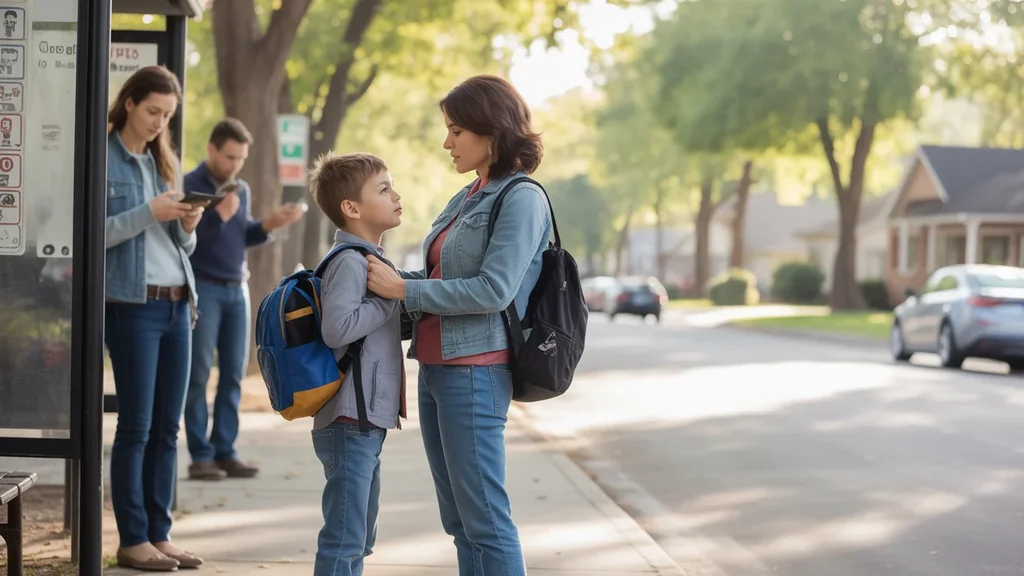
Public transit in Commerce City often centers around systems such as RTD (Regional Transportation District), which connects the area to Denver and other metro destinations via rail. The presence of rail service distinguishes Commerce City from purely car-dependent suburbs, offering a real alternative for commuters heading to downtown Denver or other major employment centers along the line.
Transit works best for residents living near stations and commuting to destinations the rail line serves directly. For these households, transit reduces wear on vehicles, avoids parking costs in Denver, and provides predictability during peak traffic hours. However, coverage doesn’t extend uniformly across the city. Neighborhoods farther from rail stations see limited bus service, and routes may not align well with shift work, evening schedules, or multi-stop errands.
Transit also tends to fall short for families managing school drop-offs, daycare pickups, or grocery runs. The corridor-clustered pattern of food and grocery access means that even if you live near a bus stop, the stores you need might not be on a convenient route. For daily household logistics, driving remains faster and more practical.
Driving & Car Dependence Reality
Most Commerce City residents rely on a car as their primary—or only—transportation option. The city’s layout, with residential areas spread across low-rise neighborhoods and commercial services concentrated along corridors, makes driving the default for nearly every type of trip. Parking is generally abundant and free, which removes one of the friction points that might otherwise encourage transit use.
Car dependence here isn’t about preference; it’s about structure. If you work outside Commerce City, need to run errands after hours, or manage a household with multiple stops in a day, a car is non-negotiable. Even residents who live in walkable pockets or near rail stations typically own vehicles because transit doesn’t cover enough of their daily needs.
Commute flexibility matters, too. With 52.0% of workers facing long commutes, many residents are traveling to job sites across the metro, not just into downtown Denver. That kind of dispersed employment pattern doesn’t align well with fixed transit routes, making personal vehicles the only realistic option for reaching workplaces in Aurora, Thornton, or other surrounding areas.
Commuting Patterns & Daily Mobility
Commuting in Commerce City typically involves either driving to a nearby job site or combining driving with rail transit for trips into Denver. Single-job commuters heading to downtown or central Denver benefit most from rail access, especially if they live near a station and work near another. For these residents, transit handles the longest, most congested portion of the trip, while a car covers the first and last miles.
Multi-stop commuters—those who need to drop off kids, pick up supplies, or visit multiple job sites—almost always drive the entire route. Transit doesn’t accommodate complex trip chains, and the time cost of transferring between modes or waiting for connections makes it impractical for anything beyond a straightforward point-to-point commute.
Proximity to work matters more than proximity to transit for most households. Residents who work locally in Commerce City or nearby industrial areas often have short, predictable commutes by car. Those commuting to scattered metro destinations absorb more time and fuel exposure, but they gain access to a broader job market.
Who Transit Works For — and Who It Doesn’t
Transit works best for single commuters or couples without kids who live near a rail station and work along the same line. If your job is in downtown Denver or another transit-served hub, and your daily errands are minimal or flexible, rail can replace your car for the commute portion of your week. You’ll still likely need a vehicle for weekends, groceries, and off-hours trips, but you can reduce how much you drive.
Transit doesn’t work well for families managing school schedules, daycare, or after-school activities. The logistics of getting multiple people to multiple places on time require the flexibility and speed that only a car provides. Similarly, shift workers, especially those with early morning or late evening hours, often find that transit service doesn’t align with their schedules.
Renters in core neighborhoods closer to stations have more flexibility to test whether transit fits their lifestyle before committing to car ownership. Owners in suburban edges of Commerce City, farther from rail and bus routes, are almost universally car-dependent. The difference isn’t about income or preference—it’s about where you live and what your daily routine demands.
Transportation Tradeoffs in Commerce City
Choosing between transit and driving in Commerce City isn’t about cost alone—it’s about control, predictability, and time. Driving offers flexibility: you leave when you want, stop where you need to, and adjust your route in real time. You’re also exposed to fuel price swings (currently $3.02/gal), maintenance, insurance, and parking costs when you travel outside Commerce City.
Transit offers predictability for the commute itself. You avoid traffic stress, don’t worry about parking downtown, and can use travel time for other tasks. But you lose flexibility. Your schedule depends on train times, and any errands or stops outside the rail corridor require a car anyway. For most households, transit works as a supplement, not a replacement.
The tradeoff isn’t binary. Many residents use transit for weekday commutes into Denver and drive for everything else. This mixed approach reduces vehicle wear and fuel consumption without eliminating car dependency. It works best when both home and work locations align with rail service and when household logistics don’t require constant multi-stop trips.
Scenario: Moving Closer to a Transit Line
Imagine you’re currently renting in a neighborhood on the suburban edge of Commerce City, where your daily routine requires driving everywhere—work, groceries, errands. You’re considering a move closer to a rail station to reduce your reliance on your car and cut down on commute stress.
If your job is in downtown Denver or another transit-served area, the move could eliminate your weekday driving almost entirely. You’d walk or bike to the station, ride the train to work, and reverse the trip in the evening. Your car would shift from a daily necessity to a weekend tool for groceries, trips outside the metro, or errands that don’t align with transit routes.
But the shift isn’t automatic. If your job is in Aurora, Thornton, or another area not directly served by the rail line, moving closer to the station doesn’t help—you’ll still drive the full commute. If you have kids, manage daycare pickups, or work irregular hours, transit proximity might not change your transportation pattern at all. The station becomes a nearby amenity you rarely use rather than a daily lifeline.
The decision hinges on alignment: does your work location, schedule, and household structure actually match what transit offers? If yes, moving closer to the line reduces friction and gives you more control over when and how you drive. If no, you’re paying for proximity to infrastructure that doesn’t fit your life, and a month of expenses in Commerce City might look similar either way.
FAQs About Transportation in Commerce City (2026)
Is public transit usable for daily commuting in Commerce City?
Yes, if you live near a rail station and commute to a destination the line serves directly, such as downtown Denver. Transit works well for straightforward point-to-point commutes during standard business hours. It’s less practical for multi-stop trips, evening shifts, or errands that require flexibility.
Do most people in Commerce City rely on a car?
Yes. The city’s layout, corridor-clustered services, and dispersed job market make driving the default for most residents. Even those with access to rail typically own a car for errands, family logistics, and trips outside the transit network.
Which areas of Commerce City are easiest to live in without a car?
Neighborhoods near rail stations with walkable access to grocery stores and services offer the most car-free viability. However, even in these areas, most residents find that a car is necessary for weekend errands, family obligations, or travel outside the immediate corridor.
How does commuting in Commerce City compare to nearby cities?
Commerce City’s 30-minute average commute and 52.0% long-commute rate reflect its role as a residential base for workers commuting across the metro. Nearby cities with stronger local employment or denser transit networks may offer shorter, more transit-viable commutes, while more suburban areas show similar car dependence.
Can I rely on biking as a primary transportation mode in Commerce City?
Biking works for some trips in areas with cycling infrastructure, but the city’s overall structure doesn’t support bike-dependent living. Cycling is best used for recreation, short errands, or as a supplement to driving rather than as a primary mode.
How Transportation Fits Into the Cost of Living in Commerce City
Transportation in Commerce City isn’t just a line item—it’s a structural factor that shapes where you can live, how much time you spend commuting, and how much flexibility you have in daily life. Car dependence means most households absorb fuel, maintenance, and insurance costs as baseline expenses, not optional ones. Rail access offers an alternative for some, but it doesn’t eliminate the need for a vehicle in most cases.
The tradeoff between transit and driving plays out differently depending on where you live, where you work, and what your household demands. Proximity to rail stations matters most if your job and schedule align with transit service. Otherwise, transportation costs and time exposure remain tied to driving, regardless of how close you are to a bus stop or train platform.
Understanding where money goes in Commerce City requires recognizing that transportation isn’t just about getting from point A to point B—it’s about access, control, and how much friction you’re willing to absorb in exchange for flexibility or predictability. Whether you drive, ride, or combine both, the structure of the city determines how much choice you actually have.
How this article was built: In addition to public economic data, this article incorporates location-based experiential signals derived from anonymized geographic patterns—such as access density, walkability, and land-use mix—to reflect how day-to-day living actually feels in Commerce City, CO.
—