
Understanding utilities cost in Arvada means recognizing how seasonal swings, home type, and usage patterns shape your monthly exposure. For most households, utilities represent the second-largest recurring expense after housing, and in Arvada’s semi-arid continental climate, both summer cooling and winter heating drive significant variability throughout the year.
Understanding Utilities in Arvada
Utilities cost in Arvada reflects the dual seasonal pressure of a climate that demands air conditioning through long, hot summers and natural gas heating during cold, snowy winters. Unlike fixed expenses such as rent or a mortgage, utility bills respond directly to weather, household size, and how efficiently a home uses energy and water. For families moving to Arvada or budgeting for the first time, this variability can be surprising — a July electric bill may look very different from one in April, and a January heating charge may double what you paid in October.
Most Arvada households pay for four core utilities: electricity, natural gas, water, and trash service. In single-family homes, these are typically billed separately, though some neighborhoods with homeowners associations bundle trash or recycling into HOA dues. Renters in apartments or townhomes often find that water, trash, and sometimes gas are included in rent, which simplifies budgeting but removes direct control over usage. Understanding what you’ll pay directly — and what’s already covered — is essential for comparing housing options and planning monthly expenses.
Arvada sits in the Denver metro area, where regional price parity runs slightly above the national baseline. That means utility rates, while not extreme, reflect the cost structure of a growing, infrastructure-intensive region. Electricity is billed per kilowatt-hour, natural gas per thousand cubic feet or therm, and water typically follows tiered pricing that penalizes heavy use. Trash service may be provided by the city, a private hauler, or included in a broader service package. Each of these billing structures behaves differently under pressure, and knowing which utility dominates your household’s spending helps you focus efforts where they’ll matter most.
Utilities at a Glance in Arvada
The table below shows how core utility costs typically behave for a mid-size household in a single-family home in Arvada. Where city-level prices are available in the data feed, they are shown directly. When exact figures are not provided, categories are described qualitatively to reflect how costs are structured and what drives variability.
| Utility | Cost Structure |
|---|---|
| Electricity | 16.26¢/kWh; usage-sensitive, peaks in summer |
| Water | Tiered pricing; usage-dependent, irrigation-sensitive |
| Natural Gas | $12.26/MCF; winter-driven, heating-dependent |
| Trash & Recycling | Often bundled with water or HOA; flat-fee or tiered |
| Total | Seasonal variability driven by electricity and heating |
This table reflects utility cost structure for a mid-size household in a single-family home in Arvada during 2026. Where exact figures are not provided in the IndexYard data feed, categories are described directionally to reflect how costs behave rather than a receipt-accurate total.
Electricity is billed at 16.26¢ per kilowatt-hour in Arvada, and for most households, it’s the most exposure-sensitive utility. Summer air conditioning can push usage well above 1,000 kWh per month, especially in homes with older HVAC systems or poor insulation. Even in moderate months, baseline consumption from appliances, lighting, and electronics keeps the meter running. Electricity is typically the most exposure-sensitive utility in Arvada, driven more by climate and home efficiency than by base rates.
Water costs in Arvada follow tiered pricing, meaning the more you use, the higher the per-unit rate climbs. Outdoor irrigation during dry summer months can push households into higher tiers quickly, particularly for properties with large lawns or gardens. Indoor use — showers, laundry, dishwashing — tends to be more predictable, but leaks or inefficient fixtures add up over time. Many water bills also include a base service charge regardless of usage.
Natural gas is priced at $12.26 per thousand cubic feet (MCF) and becomes the dominant utility expense during Arvada’s cold winter months. Heating a single-family home from November through March can consume several MCF per month, especially during stretches of below-freezing temperatures. Homes with gas water heaters or dryers also see year-round usage, though at much lower levels than winter heating. Gas bills in summer may drop to near-minimum service charges.
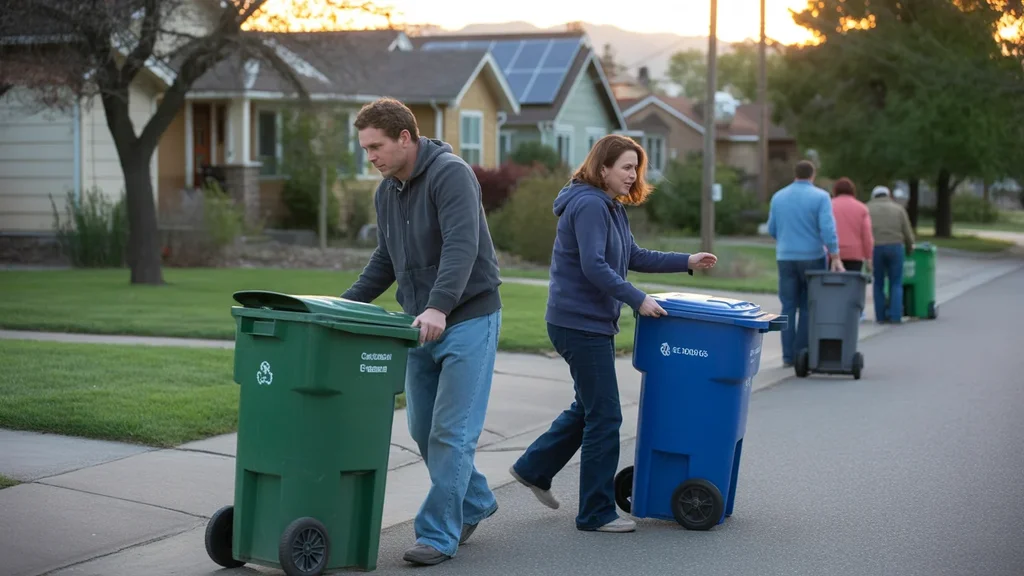
Trash and recycling service in Arvada is often bundled with water bills or included in HOA fees, depending on the neighborhood. Where billed separately, costs are typically flat monthly fees rather than usage-based. Some providers offer tiered pricing based on cart size or pickup frequency. Recycling is usually included at no additional charge, though bulky item removal or extra pickups may incur fees.
How Weather Impacts Utilities in Arvada
Arvada’s semi-arid continental climate creates a clear seasonal rhythm in utility costs. Summers bring extended heat, with daytime highs regularly reaching into the 90s and occasional stretches above 100°F. Air conditioning isn’t optional for most households — it’s a necessity for comfort and safety. Homes with south- or west-facing exposure, minimal shade, or older cooling systems see the highest electric bills during July and August. Even well-insulated homes experience noticeable increases in electricity use compared to spring or fall, when moderate temperatures allow windows to stay open and HVAC systems to rest.
Winter in Arvada means cold nights, periodic snowfall, and sustained heating demand from November into early April. Natural gas furnaces work hardest during overnight lows and multi-day cold snaps, and homes with poor insulation or drafty windows burn through more fuel to maintain indoor comfort. Unlike summer cooling, which peaks during afternoon hours, winter heating runs more consistently throughout the day and night. Many Arvada households experience noticeably higher natural gas bills during peak winter compared to spring, when heating needs taper off and usage drops to baseline levels for water heating and cooking.
Arvada’s low humidity and high elevation also mean that water evaporates quickly, putting pressure on irrigation systems and outdoor water use during the growing season. Lawns, gardens, and landscaping require consistent watering from late spring through early fall, and that outdoor demand often doubles or triples household water consumption compared to winter months. The combination of summer cooling, winter heating, and seasonal irrigation makes Arvada a city where utility costs shift dramatically across the calendar, and households that plan for these swings avoid budget surprises.
How to Save on Utilities in Arvada
Reducing utility costs in Arvada starts with understanding which expenses respond to behavior and which are driven by infrastructure. Electricity and natural gas are the most controllable — small changes in thermostat settings, appliance use, and home efficiency can lower bills meaningfully over time. Water costs respond to irrigation discipline and fixture efficiency, while trash service is typically fixed unless you adjust cart size or pickup frequency. The goal isn’t to eliminate comfort, but to reduce waste and take advantage of programs that reward efficiency.
Many utility providers in the Denver metro area offer time-of-use billing, budget billing, or rebate programs for energy-efficient upgrades. Smart thermostats, LED lighting, and high-efficiency HVAC systems all reduce baseline consumption, and some qualify for rebates that offset upfront costs. Insulation upgrades, window sealing, and shade trees planted on south- or west-facing sides of a home reduce both cooling and heating loads. Outdoor water use can be managed with drip irrigation, native landscaping, and watering schedules that align with cooler morning or evening hours to minimize evaporation.
- Enroll in time-of-use or off-peak billing programs if your provider offers them — shifting heavy appliance use to lower-rate hours can reduce electric bills.
- Check for rebates on energy-efficient air conditioners, furnaces, and water heaters through your utility provider or state energy office.
- Install a programmable or smart thermostat to automate heating and cooling schedules based on when you’re home.
- Seal air leaks around windows, doors, and ducts to prevent conditioned air from escaping and outdoor air from infiltrating.
- Switch to low-flow showerheads and faucet aerators to reduce water use without sacrificing pressure.
- Replace turf grass with drought-tolerant native plants or xeriscaping to cut outdoor water demand.
- Use ceiling fans to circulate air in summer, reducing reliance on air conditioning during moderate heat.
- Service HVAC systems annually to maintain efficiency and catch issues before they become expensive failures.
🏆 Tip: Check if your provider in Arvada offers rebates for energy-efficient AC units or heating systems — many metro Denver utilities run seasonal incentive programs that can cover a significant portion of upgrade costs.
FAQs About Utility Costs in Arvada
Why are utility bills so high in Arvada during summer and winter? Arvada’s climate demands both air conditioning in summer and natural gas heating in winter, creating dual seasonal peaks. Homes with older HVAC systems, poor insulation, or significant sun exposure see the highest swings, and outdoor water use for irrigation adds pressure during dry months.
What is the average monthly electric bill for an apartment in Arvada compared to a single-family home? Apartments typically use less electricity due to smaller square footage, shared walls that reduce heating and cooling loss, and sometimes included utilities. Single-family homes face higher bills from larger spaces, standalone HVAC systems, and outdoor water use, especially during peak summer cooling season.
Do HOAs in Arvada usually include trash or water in their fees? Many HOAs in Arvada bundle trash and recycling into monthly dues, and some also cover water or sewer for townhomes and condos. Single-family homes in HOA neighborhoods may still pay water and trash separately, so it’s important to confirm what’s included before budgeting.
How does seasonal weather affect monthly utility bills in Arvada? Summer heat drives electricity costs up through air conditioning, while winter cold increases natural gas use for heating. Spring and fall offer the lowest utility bills, as moderate temperatures reduce HVAC demand and outdoor water use tapers off before and after the growing season.
Does Arvada offer incentives for solar panels or energy-efficient appliances? Colorado provides state-level tax credits and rebates for solar installations, and many utility providers in the Denver metro area offer rebates for high-efficiency appliances, HVAC systems, and insulation upgrades. Federal tax credits for renewable energy and efficiency improvements are also available and can be combined with local programs.
How Utilities Fit Into Living Costs in Arvada
Utilities in Arvada function as a cost driver and volatility factor rather than a fixed line item. Unlike rent or a mortgage, which remain constant month to month, utility bills respond to weather, usage, and household behavior. That variability makes them harder to predict but also more controllable — small changes in efficiency, timing, and consumption can reduce exposure without requiring major lifestyle shifts. For households evaluating Arvada Affordability: What’s Easy, What’s Expensive, utilities represent a category where planning and adaptation matter as much as income.
Electricity and natural gas dominate seasonal swings, and homes with poor insulation, older HVAC systems, or high sun exposure face the steepest bills. Water costs rise during irrigation season, and trash service is typically stable unless you adjust service levels. Together, these utilities create a cost structure that rewards efficiency and punishes waste, and understanding how each category behaves helps households allocate resources and avoid surprises. For a fuller picture of how utilities interact with housing, transportation, and day-to-day expenses, explore Monthly Spending in Arvada: The Real Pressure Points.
Arvada’s utility landscape reflects the tradeoffs of living in a semi-arid climate with distinct seasons and a growing regional infrastructure. Costs aren’t extreme, but they’re not trivial either, and households that treat utilities as a managed expense rather than a fixed obligation tend to see better outcomes. Whether you’re comparing apartments, evaluating single-family homes, or planning a move to the Denver metro area, understanding how utilities behave in Arvada gives you a clearer sense of what to expect and where you have control.
How this article was built: In addition to public economic data, this article incorporates location-based experiential signals derived from anonymized geographic patterns—such as access density, walkability, and land-use mix—to reflect how day-to-day living actually feels in Arvada, CO.
—