
Trading Evergreens for Music City: Your Seattle to Nashville Move
Making the leap from the Pacific Northwest to the heart of Tennessee represents one of the most dramatic lifestyle shifts in American relocation. Seattle‘s tech-driven economy and misty mountain views give way to Nashville‘s booming creative industries and Southern hospitality. Whether you’re drawn by career opportunities, lower costs, or simply a change of pace, this cross-country move touches every aspect of daily life.
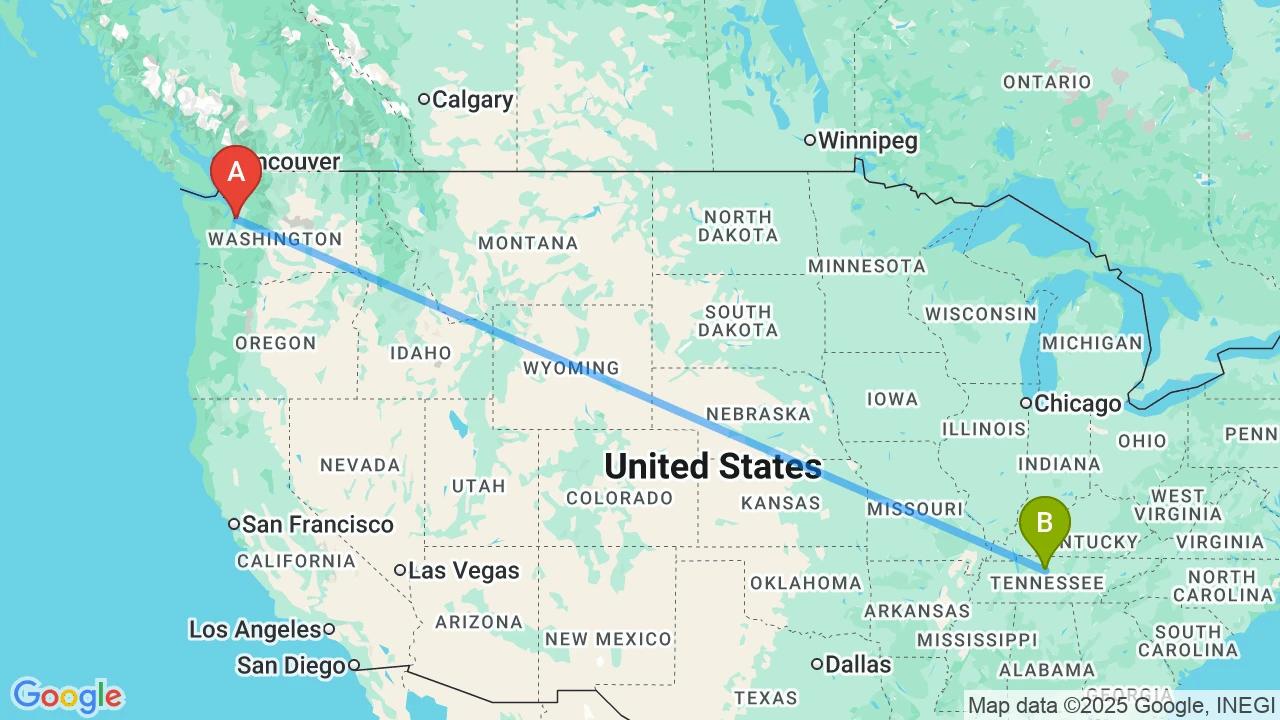
The 2,300-mile journey between these two cities isn’t just about distance—it’s about transitioning between fundamentally different regional cultures, climates, and economic landscapes. Understanding these differences upfront helps ensure your relocation goes smoothly and sets realistic expectations for your new life in Music City.
Breaking Down the Cost Differences
The financial implications of moving from Seattle to Nashville extend well beyond the moving truck rental. While both cities have experienced significant growth and rising costs in recent years, Nashville generally offers more breathing room in your budget.
Housing: The Biggest Budget Shift
Seattle’s median home price of $879,900 represents one of the nation’s most expensive housing markets. While Nashville’s specific median wasn’t available in our latest data, the city’s housing market typically runs 40-50% lower than Seattle’s, offering significant savings for homebuyers. This difference means your Seattle down payment could potentially buy an entire home in many Nashville neighborhoods.
Daily Living Expenses
| Expense Category | Seattle, WA | Nashville, TN | Difference |
|---|---|---|---|
| Gas Price (per gallon) | $4.18 | $2.64 | 37% lower in Nashville |
| Electricity (cents/kWh) | 13.66 | 13.16 | Similar rates |
| Natural Gas ($/MCF) | $21.80 | $19.38 | 11% lower in Nashville |
| Average Commute | 30 minutes | Data unavailable | — |
The most striking difference appears at the gas pump, where Nashville drivers enjoy prices nearly $1.50 per gallon lower than their Seattle counterparts. This translates to hundreds of dollars in annual savings for the average commuter. Utility costs remain relatively comparable, though Nashville edges slightly lower on natural gas pricing.
Grocery costs in both cities hover around the national average, with similar pricing on staples like bread ($1.87/lb), eggs ($3.49/dozen), and milk ($4.13/half gallon). This parity means your food budget won’t see dramatic changes after the move.
Climate and Lifestyle Adjustments
Perhaps no change feels more immediate than the weather. Seattle’s famously overcast skies and mild temperatures give way to Nashville’s four distinct seasons, complete with hot, humid summers and occasional winter ice storms. While Seattle rarely sees temperatures above 85°F, Nashville regularly hits the 90s from June through September.
The cultural shift proves equally dramatic. Seattle’s tech-worker coffee culture and outdoor recreation focus transforms into Nashville’s music-centric social scene and Southern traditions. Where Seattleites might spend weekends hiking in the Cascades, Nashvillians gravitate toward live music venues, backyard barbecues, and lake activities.
Professional networks operate differently too. Seattle’s formal tech industry networking gives way to Nashville’s relationship-driven business culture, where personal connections often matter as much as credentials. The pace feels different—Nashville moves quickly but maintains Southern social graces that can feel foreign to transplanted Northwesterners.
Navigating Nashville’s Housing Market
Nashville’s neighborhoods offer diverse options that differ significantly from Seattle’s urban villages. East Nashville attracts creative types with its artistic community and local businesses, somewhat reminiscent of Seattle’s Capitol Hill but with more single-family homes. The Gulch provides high-rise living for those missing Seattle’s downtown energy, though at a fraction of comparable Seattle prices.
Suburban options like Franklin and Brentwood offer excellent schools and larger properties—amenities that would cost millions in Seattle’s Eastside communities. Many Seattle transplants gravitate toward these areas, finding they can afford significantly more space while maintaining reasonable commute times.
The housing stock itself differs notably. Where Seattle features many mid-century ramblers and newer townhomes, Nashville offers more traditional Southern architecture, from historic bungalows to new construction inspired by farmhouse aesthetics. Air conditioning isn’t optional here—it’s essential for surviving Tennessee summers.
Planning Your Cross-Country Move
The logistics of moving 2,300 miles require careful planning and budgeting. Professional moving services for this route typically range from $3,000 to $8,000 depending on home size and service level. Many find that selling bulky furniture in Seattle and buying new in Nashville proves more economical than shipping everything.
Timing matters significantly. Avoid moving during Nashville’s peak summer heat (July-August) or Seattle’s rainiest months (November-January) if possible. Spring and early fall offer the best weather windows for this journey. The drive takes approximately 32 hours of road time, typically spread across 4-5 days with overnight stops.
Consider making an exploratory trip before committing to neighborhoods. Nashville’s sprawling layout and car-dependent culture differ dramatically from Seattle’s walkable neighborhoods and robust transit system. What looks convenient on a map might feel very different in daily practice.
Frequently Asked Questions
- How does the cost of housing compare between Seattle, WA and Nashville, TN?
- Seattle’s median home price of $879,900 significantly exceeds Nashville’s market, where comparable homes typically cost 40-50% less. This means your Seattle home equity could potentially buy a much larger property in Nashville, often with land and newer construction.
- What surprises people most when moving from Seattle, WA to Nashville, TN?
- The humidity and summer heat catch many Seattle natives off guard, along with the car-dependent lifestyle. The strong presence of traditional Southern culture and the centrality of music to social life also represent major adjustments from Seattle’s tech-focused environment.
- Is Nashville, TN really cheaper than Seattle, WA for daily expenses?
- Yes, Nashville offers significant savings on gas (37% lower) and slightly lower utility costs. While grocery prices remain similar, the dramatically lower housing costs mean your overall monthly expenses will likely decrease substantially after moving from Seattle.
- What are the job market differences between Seattle, WA and Nashville, TN?
- Seattle’s tech-dominated economy contrasts with Nashville’s diverse mix of healthcare, music industry, and corporate headquarters. Nashville’s unemployment rate of 2.9% actually beats Seattle’s 4.1%, though Seattle’s median household income of $116,068 remains significantly higher.
- How do I prepare for the cultural shift from Seattle, WA to Nashville, TN?
- Embrace the slower social pace and importance of relationship-building in Nashville. Be prepared for more small talk, different political perspectives, and a culture where knowing your neighbors is the norm rather than the exception common in Seattle.
Making Your Move Count
Relocating from Seattle to Nashville represents more than a geographic change—it’s a lifestyle transformation. The financial benefits are clear, with dramatically lower housing costs and reduced daily expenses offsetting Nashville’s lower median incomes. The cultural shift from Pacific Northwest reserve to Southern warmth takes adjustment but offers its own rewards.
Success in this transition comes from embracing what Nashville offers rather than trying to recreate Seattle life in a new setting. The music, the food culture, the entrepreneurial energy, and yes, even the humidity, all contribute to Nashville’s unique character. For those ready to trade rain boots for cowboy boots and coffee shops for honky-tonks, Nashville provides an exciting new chapter at a more affordable price point.
Whether you’re moving for work, family, or simply seeking change, understanding these fundamental differences helps ensure your Seattle to Nashville relocation meets your expectations. Take time to explore Nashville’s diverse neighborhoods, connect with local communities, and prepare for a warmer—in every sense—way of life.