
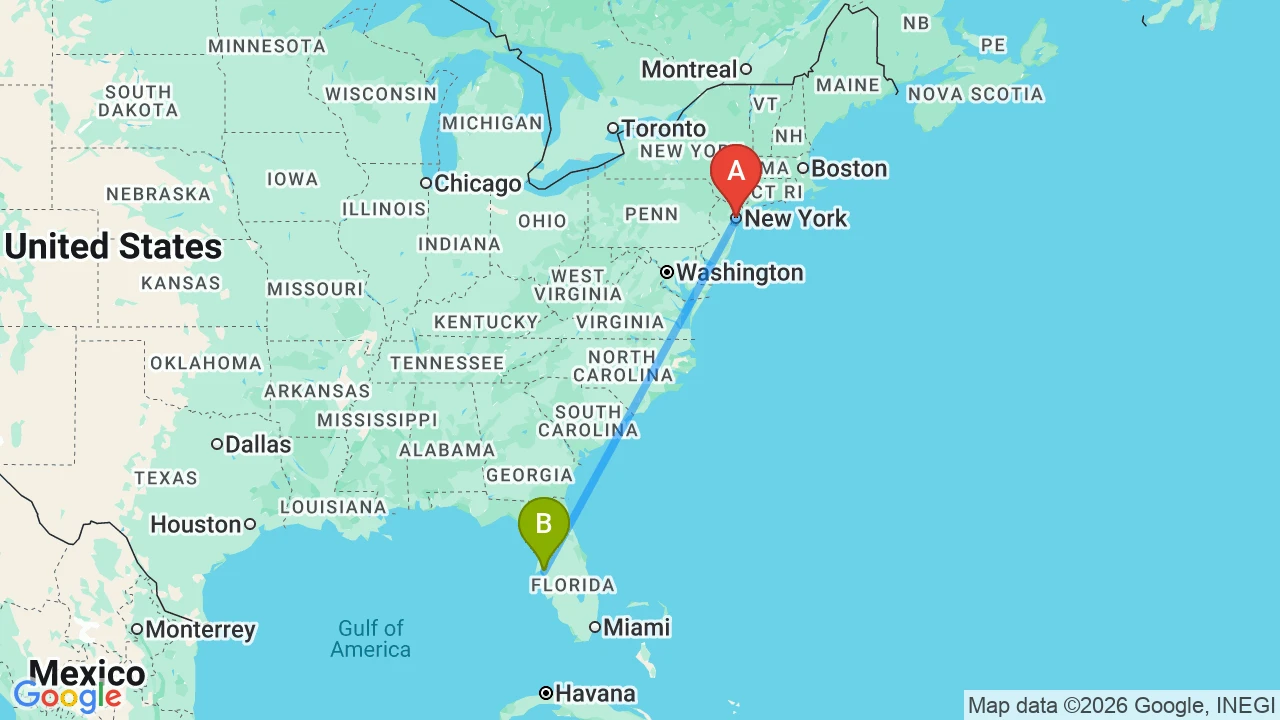
Moving from New York, NY to Tampa, FL represents one of the most dramatic urban-to-sunbelt relocations in the country. It’s a shift thousands of households consider each year—drawn by Florida’s lack of state income tax, lower housing entry costs, and a fundamentally different pace of life. But this move isn’t simply about spending less. It’s about understanding where cost pressure relocates, how daily routines restructure around car dependence rather than transit density, and which expenses shrink while others quietly expand.
This guide explains how your financial exposure, housing decisions, and day-to-day logistics change when you leave the density and infrastructure of New York for the sprawl and climate intensity of Tampa. It won’t tell you whether the move saves money overall—that depends entirely on your income, household size, and lifestyle expectations. Instead, it clarifies where costs concentrate, who feels the transition most acutely, and what surprises relocators most often overlook.
How Cost Pressure Shifts Between New York and Tampa
The most visible change is housing. New York’s median home value sits at $732,100, while Tampa’s is $333,200—a substantial difference in upfront capital required to enter the ownership market. Renters see a similar gap: New York’s median gross rent is $1,714 per month compared to Tampa’s $1,422 per month. For households accustomed to New York’s relentless rent escalation and bidding wars, Tampa’s housing market can feel more accessible at entry, though it’s worth noting that Tampa has seen significant appreciation in recent years and inventory remains competitive.
But lower headline housing costs don’t automatically translate to lower overall cost pressure. Tampa’s structure demands different spending. You’ll almost certainly need a car—likely one per working adult—where in New York you may have relied entirely on the subway, walking, or occasional rideshares. Gas prices are slightly lower in Tampa ($2.82/gal vs. $2.99/gal in New York), but the volume of driving increases dramatically. Commutes in New York average 41 minutes, and 69.6% of workers face long commutes, but many of those minutes are spent on trains or buses. In Tampa, nearly all commuting happens by car, and errands that were once walkable or bikeable now require deliberate trips.
Utilities tell a climate story. New York’s electricity rate is steep—26.95¢/kWh—but heating and cooling demands are seasonal and often moderated by apartment living and older building stock with shared walls. Tampa’s electricity rate is much lower at 15.70¢/kWh, but you’ll run air conditioning heavily from April through October, and often year-round in poorly insulated homes. Tampa’s heat and humidity are relentless, and cooling costs can dominate summer utility bills in ways that surprise newcomers who underestimate the intensity of a long, hot season.
Groceries and daily goods also shift, though more subtly. Tampa’s regional price level (RPP index: 103) sits well below New York’s (112), meaning the same basket of goods generally costs less. For example, derived estimates suggest ground beef runs about $6.89/lb in Tampa versus $7.49/lb in New York; eggs are approximately $2.79/dozen in Tampa compared to $3.04/dozen in New York. (Derived estimate based on national baseline adjusted by regional price parity; not an observed local price.) The differences are real but modest—you’ll notice them over time, not immediately.
Income context matters here. New York’s median household income is $76,607 per year, while Tampa’s is $66,802 per year. If you’re moving with a remote job that preserves New York-level compensation, Tampa’s cost structure may feel liberating. If you’re taking a local Tampa job, the income step-down can offset much of the housing savings, especially once transportation and climate-driven utility costs are factored in.
Housing and Neighborhood Patterns
In New York, housing decisions are often binary: rent an apartment or stretch to buy a condo, co-op, or outer-borough home. Neighborhoods are defined by subway lines, walkability, and proximity to commercial corridors. You pay for density, access, and the ability to live without a car.
Tampa’s housing landscape is fundamentally different. The metro sprawls across Hillsborough County and beyond, with neighborhoods organized around highways, not transit. Single-family homes dominate, and many communities are gated or HOA-managed. You’re not just choosing a neighborhood—you’re choosing a commute radius, school district, and degree of suburban insulation.
Ownership in Tampa often means ongoing costs that renters in New York never encountered: lawn care, pest control (a real and recurring expense in Florida’s climate), pool maintenance if your home has one, and HOA fees that can range from modest to several hundred dollars monthly. Homeowners insurance is more expensive and volatile in Florida due to hurricane exposure, and property insurance markets have tightened significantly in recent years. These aren’t one-time costs—they’re permanent additions to your monthly obligations.
Renters in Tampa face a different market than New York. Lease terms are similar, but the rental stock skews toward larger units—often townhomes or single-family rentals rather than the studio and one-bedroom apartments that dominate New York. This can mean more space, but also higher baseline rent and utility costs, even if the per-square-foot price is lower.
Neighborhood selection in Tampa requires car-dependent thinking. Proximity to work, grocery stores, and schools isn’t measured in blocks—it’s measured in drive time. A neighborhood that looks affordable on paper may add 30 minutes of daily driving and hundreds of dollars in annual fuel and vehicle wear. Unlike New York, where you can test a neighborhood’s walkability in an afternoon, Tampa’s geography demands longer-term logistical planning.
How this article was built: In addition to public economic data, this article incorporates location-based experiential signals derived from anonymized geographic patterns—such as access density, walkability, and land-use mix—to reflect how day-to-day living actually feels in Tampa, FL.
Lifestyle and Daily Rhythms
The rhythm of daily life changes profoundly between these two cities, and the shift goes well beyond weather. In New York, density creates friction but also spontaneity. Errands happen on foot. Social plans emerge from proximity. Work, home, and leisure often occupy overlapping geography, connected by subway lines and pedestrian infrastructure. You’re rarely more than a few blocks from a bodega, pharmacy, or restaurant.
Tampa operates on a car-first logic. Running errands means driving to distinct destinations—a grocery store in one direction, a pharmacy in another, a park or gym somewhere else entirely. Spontaneity requires more planning. Meeting friends for dinner isn’t a ten-minute walk; it’s a deliberate trip, often across multiple neighborhoods. This doesn’t make Tampa less livable, but it does make life more segmented and logistically front-loaded.
Work patterns reflect this. In New York, 26.5% of workers are fully remote, but many others commute via subway, bus, or walking. The commute is dead time, but it’s also reading time, podcast time, or decompression time. In Tampa, commuting means driving—often alone, often in traffic, and always requiring active attention. Remote work is common in Tampa’s growing tech and finance sectors, but if your job requires in-person presence, expect to spend significant time behind the wheel.
Climate shapes daily life in Tampa in ways that aren’t immediately obvious. Summers are long, hot, and humid—triple-digit heat indices are common from June through September. Outdoor activity shifts to early mornings or evenings. Afternoons often bring thunderstorms, brief but intense. You’ll spend more time indoors during peak heat, which means higher air conditioning costs but also a different relationship with outdoor space. Winters are mild and pleasant, a stark contrast to New York’s cold, gray months, and this seasonal inversion can feel liberating for those who dread northeastern winters.
Social and cultural infrastructure differs too. New York offers unmatched density of museums, theaters, music venues, and niche communities. Tampa has a growing arts scene, professional sports, and strong Cuban and Latin American cultural influences, but the scale and variety are smaller. Entertainment often centers on waterfront activities, breweries, and suburban social spaces rather than the layered, walkable cultural districts that define New York.
Relocation Logistics and Practical Friction
The physical act of moving from New York to Tampa involves roughly 1,200 miles and crosses state lines, which introduces specific logistical considerations. If you’re driving, expect two long days or one exhausting push. If you’re hiring movers, interstate relocation costs vary widely depending on volume, season, and service level, but long-distance moves from the Northeast to Florida are common routes, so competition exists.
Timing matters. Florida’s summer heat makes moving physically brutal, and hurricane season (June through November) introduces weather risk. Many relocators prefer moving in late fall or winter, when temperatures are milder and housing inventory tends to be slightly better. Avoid peak summer months unless remote work or job timing forces your hand.
Vehicle logistics are non-negotiable. If you don’t own a car in New York, you’ll need to buy one before or immediately after arriving in Tampa. Florida’s car insurance rates are among the highest in the nation due to uninsured driver rates, fraud, and litigation patterns. Budget for higher premiums than you’d expect based on your New York experience, especially if you’re a new Florida resident without local driving history.
Establishing residency in Florida requires updating your driver’s license, vehicle registration, and voter registration within 30 days of arrival. Florida has no state income tax, which simplifies tax filing for most households, but you’ll need to sever New York tax residency carefully if you’re moving mid-year or maintaining any ties to New York. New York State is aggressive about auditing former residents who claim Florida residency, so documentation matters.
Utilities and services require more setup than in New York. In Tampa, you’ll typically arrange electricity, water, trash, and internet separately—there’s no single landlord or building super handling everything. Electricity providers vary by neighborhood, and some areas have HOAs that bundle certain services. Expect to spend time on the phone during your first week, and budget for connection fees and deposits if you’re new to the area.
What surprises most relocators is the adjustment to car dependence. Even if you owned a car in New York, you likely didn’t use it daily. In Tampa, every trip requires a car, and the mental load of planning routes, parking, and drive times becomes constant. Households with multiple working adults often find they need two vehicles, which doubles insurance, maintenance, and fuel costs. This isn’t a temporary adjustment—it’s a permanent structural shift in how you move through the world.
Frequently Asked Questions
- Does Tampa feel more or less expensive than New York?
- Tampa’s housing costs are significantly lower at entry, but cost pressure doesn’t disappear—it relocates. You’ll spend less on rent or a mortgage, but more on transportation, vehicle ownership, insurance, and climate-driven utilities. Households with high incomes or remote work preserving New York salaries often feel substantial relief. Those taking local Tampa jobs may find the income step-down offsets much of the housing savings, especially once car dependence and ongoing homeownership costs are factored in.
- How do the housing markets differ between New York and Tampa?
- New York’s market is defined by scarcity, density, and high entry costs, with limited ownership options and fierce rental competition. Tampa’s market is more accessible upfront but sprawling and car-dependent, with single-family homes, HOA fees, and ongoing costs like pest control and insurance volatility. Renters in Tampa often get more space, but utilities and transportation costs rise. Buyers face lower purchase prices but must budget for Florida-specific expenses like hurricane insurance and lawn maintenance.
- What feels different about daily life after moving from New York to Tampa?
- The biggest shift is car dependence. Errands that were once walkable now require deliberate driving. Commutes happen alone in traffic rather than on transit. Social spontaneity decreases because everything requires a trip. Climate also reshapes routines—summers are long, hot, and humid, pushing outdoor activity to mornings and evenings. Winters, by contrast, are mild and pleasant, a welcome change from New York’s cold months. The overall pace is slower, but logistical complexity increases.
- When does this move tend to feel easiest or hardest?
- Moves in late fall or winter avoid Florida’s brutal summer heat and hurricane season, and housing markets tend to be slightly less frenzied. Summer moves are physically exhausting and coincide with peak heat and storm risk. The adjustment period is hardest for households without cars, those accustomed to transit-based routines, and families with school-age children navigating new districts. Remote workers and retirees often adapt fastest, as they face fewer logistical constraints.
- What are the most common challenges people face when relocating from New York to Tampa?
- Car dependence is the most universal adjustment—learning to drive everywhere, managing vehicle costs, and losing the spontaneity of walkable neighborhoods. Climate intensity surprises many, especially the relentless summer heat and humidity. Homeowners underestimate ongoing costs like pest control, insurance volatility, and HOA fees. Socially, the shift from dense, layered urban culture to sprawling suburban life can feel isolating, especially for younger adults or those without established social networks.
- Who tends to benefit most from this move, and who struggles?
- Remote workers with New York-level salaries benefit significantly, as housing savings are real and income remains high. Retirees and families seeking space, warmth, and lower cost of living often thrive. Households taking local Tampa jobs face tighter margins, as income drops while transportation and climate costs rise. Young professionals who value walkability, transit access, and dense cultural infrastructure may feel the loss acutely. Car-free households face the steepest adjustment, as Tampa’s structure demands vehicle ownership.
Conclusion
Moving from New York to Tampa isn’t a simple cost arbitrage—it’s a fundamental restructuring of how you live, spend, and move through daily life. Housing costs drop significantly at entry, but car dependence, climate-driven utilities, and ongoing homeownership expenses fill much of that gap. The trade isn’t about spending less everywhere; it’s about shifting where your money and attention go.
This move works best for households with portable income, those seeking space and warmth, and people comfortable with car-first suburban living. It’s hardest for those who rely on transit, value walkable density, or underestimate the logistical and financial weight of vehicle dependence. Tampa offers real advantages—milder winters, lower housing entry costs, no state income tax—but it demands adaptation, not just relocation.
If you’re serious about this move, dig deeper into Tampa’s neighborhood structure, transportation costs, and climate realities. Explore IndexYard’s Tampa cost breakdowns and housing guides to understand where your specific household will feel pressure and where you’ll find relief. The decision isn’t whether Tampa is cheaper—it’s whether Tampa’s cost structure, pace, and geography align with how you want to live.