
Many people assume utility bills in Manchester are predictable and modest because it’s a mid-size Connecticut suburb—but the reality is more nuanced. Seasonal swings, older housing stock, and the way utilities are billed can create significant month-to-month variability that catches newcomers off guard.
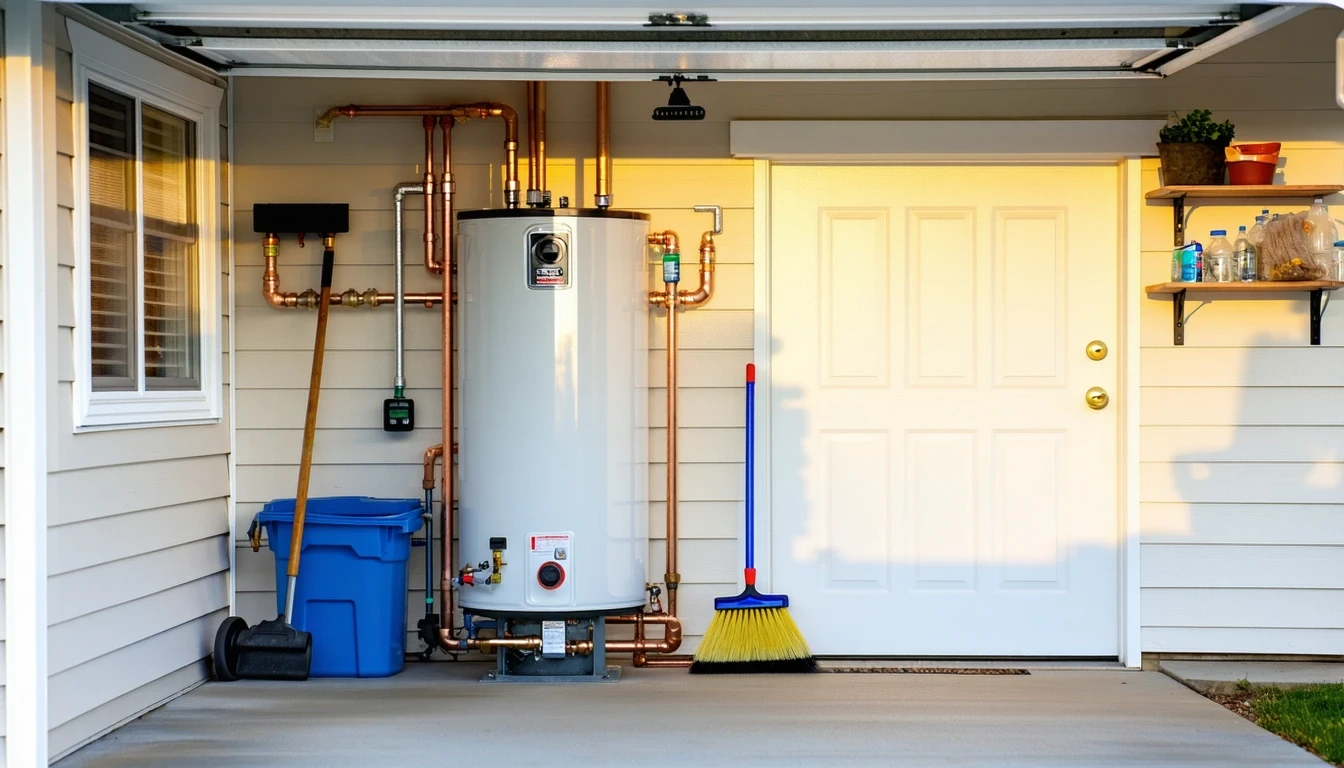
Understanding Utilities in Manchester
When planning a move to Manchester or budgeting for the year ahead, understanding utilities cost in Manchester is essential. Utilities typically represent the second-largest monthly expense after housing, and in a place like Manchester—where winters demand heating and summers call for air conditioning—those costs can shift dramatically with the calendar.
For most households, “utilities” means electricity, water, natural gas (if available), trash collection, and recycling. Apartment renters may find some of these bundled into their lease, particularly water and trash, while single-family homeowners shoulder the full exposure. The structure of your home, its age, and how it’s heated all influence which utility dominates your monthly outflow.
Manchester’s housing landscape—characterized by low-rise, older single-family homes and a mix of residential and commercial land use—means many properties were built before modern efficiency standards took hold. That translates to variable insulation quality, older windows, and heating systems that range from efficient natural gas furnaces to electric baseboards or oil heat. For newcomers, this means your utility experience in Manchester will depend heavily on the specific home you choose, not just the city average.
Utilities at a Glance in Manchester
The table below shows how core utility costs typically behave for a mid-size household in a single-family home in Manchester. Where city-level prices are available in the data feed, they are shown directly. When exact figures are not provided, categories are described qualitatively to reflect how costs are structured and what drives variability.
| Utility | Cost Structure |
|---|---|
| Electricity | ~$283/month (illustrative, 1,000 kWh at 28.30¢/kWh, before fees) |
| Water | Usage-dependent; tiered pricing typical |
| Natural Gas | Winter-driven; heating-dependent |
| Trash & Recycling | Often bundled with water or billed separately by provider |
| Total | Seasonal variability driven by electricity and heating |
This table reflects utility cost structure for a mid-size household in a single-family home in Manchester during 2026. Where exact figures are not provided in the IndexYard data feed, categories are described directionally to reflect how costs behave rather than a receipt-accurate total.
Electricity is typically the most exposure-sensitive utility in Manchester, driven more by climate and home efficiency than by base rates. At 28.30¢ per kilowatt-hour, Connecticut’s electricity pricing sits above the national average, and usage swings sharply between seasons. Homes relying on electric heat or central air conditioning will see the largest bills during peak winter and summer months, while spring and fall offer relative relief.
Water costs in Manchester are generally structured on tiered usage, meaning the more you use, the higher your per-unit rate climbs. For most households, water represents a smaller share of the total utility burden, but families with irrigation systems, pools, or high-occupancy homes can see meaningful increases during warmer months. Water and sewer charges are often billed together.
Natural gas pricing in Manchester reflects regional supply dynamics and is billed per unit of consumption. Homes heated with natural gas typically see the highest bills from December through March, with costs dropping sharply in the off-season. Not all Manchester homes have access to natural gas; many rely on heating oil or electric resistance heat, which can be more expensive depending on fuel prices and system efficiency.
Trash and recycling services in Manchester are typically billed separately or bundled with water service, depending on your provider and neighborhood. Costs are relatively stable month-to-month, though some providers charge extra for bulk item pickup or additional bins. Homeowners associations may include trash collection in their fees, reducing the number of separate bills you manage.
How Weather Impacts Utilities in Manchester
Manchester sits in a climate zone defined by cold, snowy winters and warm, humid summers—a combination that drives utility costs in both directions. Winter heating season stretches from November through March, and homes without efficient insulation or modern heating systems can see natural gas or electric bills double or triple compared to mild months. Electric baseboard heat, still common in older Manchester homes, is particularly expensive to run when temperatures drop into the teens or twenties.
Summer brings its own pressure. Humid Connecticut heat makes air conditioning feel less like a luxury and more like a necessity, especially during July and August when temperatures regularly climb into the eighties and nineties. Homes with central air conditioning, older units, or poor attic insulation will see electricity usage spike. Many Manchester households experience noticeably higher electric bills during peak summer compared to spring, even if they’re mindful about thermostat settings.
Spring and fall offer the most predictable utility costs, with minimal heating or cooling needed. These shoulder seasons are when you’ll see your baseline usage—the electricity that powers lights, appliances, and electronics without the seasonal swings. Understanding this rhythm helps you budget more accurately and identify which months require extra financial cushion.
How to Save on Utilities in Manchester
Reducing utility costs in Manchester starts with understanding where your exposure is highest. For most households, that means focusing on heating and cooling efficiency first, then addressing water usage and behavioral patterns. Small changes—sealing drafts, upgrading to a programmable thermostat, or shifting laundry and dishwasher loads to off-peak hours—can lower usage without requiring major investment.
Larger upgrades, like adding insulation, replacing old windows, or installing a high-efficiency furnace or heat pump, offer more substantial reductions but come with upfront costs. Many Connecticut utilities and state programs offer rebates or financing for energy-efficient appliances, HVAC systems, and weatherization projects. Solar panel adoption is growing in Manchester, supported by state and federal incentives that can offset installation costs over time.
- Enroll in budget billing or equalized payment plans to smooth out seasonal spikes
- Check if your provider offers time-of-use rates or off-peak billing programs
- Install a smart thermostat to optimize heating and cooling schedules
- Plant shade trees on the south and west sides of your home to reduce summer cooling load
- Upgrade to LED lighting and Energy Star appliances to lower baseline electricity usage
- Seal air leaks around windows, doors, and attic hatches to reduce heating and cooling loss
- Explore state and utility rebates for insulation, heat pumps, and solar installations
🏆 Tip: Check if your provider in Manchester offers rebates for energy-efficient AC units or heating systems—many Connecticut utilities run seasonal programs that can cover a significant portion of upgrade costs.
FAQs About Utility Costs in Manchester
Why are utility bills so high in Manchester during winter and summer?
Manchester’s climate demands both heating and cooling for much of the year, and Connecticut’s electricity rates are above the national average. Homes with older insulation, electric heat, or inefficient HVAC systems see the largest seasonal swings, sometimes doubling or tripling bills during peak months compared to spring or fall.
What is the average monthly electric bill for an apartment in Manchester compared to a single-family home?
Apartments in Manchester typically have lower electric bills because they’re smaller, share walls (which reduces heating and cooling loss), and sometimes include utilities in the rent. Single-family homes, especially older ones with electric heat or central air, tend to see higher usage and more seasonal variability due to greater square footage and full exposure to outdoor temperatures.
Do HOAs in Manchester usually include trash or water in their fees?
Some homeowners associations in Manchester bundle trash collection, water, or sewer service into monthly dues, particularly in townhome or condo communities. Single-family home HOAs are less likely to include utilities, though it varies by neighborhood. Always confirm what’s covered before assuming a lower utility burden.
How does seasonal weather affect monthly utility bills in Manchester?
Winter heating and summer cooling drive the largest cost swings in Manchester. December through February typically see the highest natural gas or electric heating bills, while July and August bring peak air conditioning usage. Spring and fall offer the most predictable, lowest-cost months, reflecting baseline electricity usage without climate control demands.
Does Manchester offer incentives for solar panels or energy-efficient appliances?
Connecticut provides state-level incentives for solar panel installation, including tax credits and net metering programs that allow you to sell excess power back to the grid. Many local utilities also offer rebates for energy-efficient appliances, heat pumps, and weatherization upgrades. It’s worth checking both state and utility-specific programs before making efficiency investments.
How Utilities Fit Into the Cost Structure in Manchester
Utilities in Manchester function as both a fixed baseline and a seasonal wildcard. While you can predict your spring and fall costs with reasonable accuracy, winter and summer introduce volatility that requires planning. Electricity dominates for most households, particularly those without natural gas access, and the gap between efficient and inefficient homes can be substantial—sometimes hundreds of dollars per month during extreme weather.
Understanding your utility exposure is critical when evaluating Manchester Cost Reality: The Big Pressure Points, because it directly affects how much financial cushion you need month-to-month. Unlike rent or a mortgage, which stay constant, utilities respond to weather, behavior, and home condition—giving you more control but also more responsibility. For a clearer picture of how utilities interact with other recurring expenses, explore Monthly Spending in Manchester: The Real Pressure Points.
Ultimately, utility costs in Manchester are manageable if you choose your home carefully, invest in efficiency where it matters, and plan for seasonal swings. The city’s older housing stock means there’s wide variation in what different households pay, but that also means there’s room to optimize. Whether you’re comparing apartments, evaluating a single-family home’s heating system, or deciding whether to invest in insulation, understanding the structure behind your utility bills gives you the leverage to make smarter decisions.
How this article was built: In addition to public economic data, this article incorporates location-based experiential signals derived from anonymized geographic patterns—such as access density, walkability, and land-use mix—to reflect how day-to-day living actually feels in Manchester, CT.