
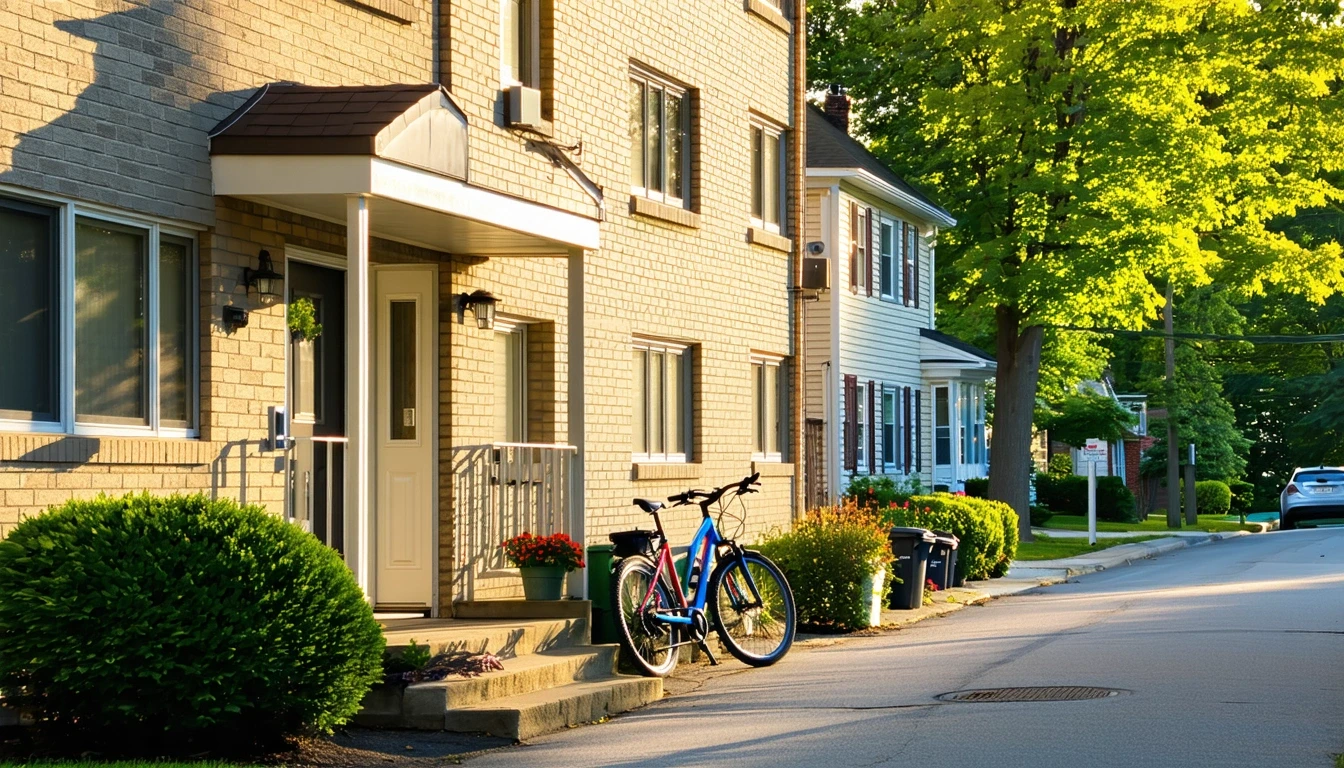
Here’s the myth: South Windsor is “the expensive one” because of higher home prices, and Manchester is “the budget-friendly alternative.” But cost of living isn’t just about sticker prices—it’s about where financial pressure shows up, how predictable it is, and which households feel it most. In 2026, choosing between Manchester and South Windsor means understanding how different cost structures affect your day-to-day reality, not just comparing medians.
Both cities sit in the Hartford metro area of Connecticut, sharing the same regional price environment and labor market. Yet the way costs behave—housing entry barriers, transportation dependence, utility exposure, and daily errands—differs in ways that matter more to some households than others. Manchester offers lower housing entry costs, walkable pockets with bus transit, and corridor-clustered grocery access. South Windsor brings higher housing costs but also substantially higher median household income, suggesting a different market structure and likely more car-dependent patterns. The better choice depends on which cost pressures your household can absorb and which tradeoffs align with how you actually live.
This comparison explains where costs concentrate, how they behave over time, and which households experience more flexibility or exposure in each city. It’s not about declaring a winner—it’s about showing you where your money goes and why that matters.
Housing Costs: Entry Barriers and Ongoing Obligations
Housing is where the two cities diverge most clearly. Manchester’s median home value sits at $195,200, while South Windsor’s reaches $324,200. For renters, Manchester’s median gross rent is $1,289 per month compared to South Windsor’s $1,602 per month. These aren’t small differences—they represent fundamentally different entry thresholds and ongoing financial obligations.
In Manchester, the lower home values and rents create more accessible entry points for first-time buyers and renters who need to keep upfront costs manageable. The housing stock tends toward older construction and smaller single-family homes, with a mix of apartments and duplexes that support rental availability. South Windsor’s higher values reflect newer construction, larger lot sizes, and a market oriented toward families seeking space and school access. The rental market is smaller and tilted toward higher-end units, making it harder to find affordable apartments.
For homeowners, the difference isn’t just purchase price—it’s property tax exposure, maintenance costs tied to home age, and the predictability of housing expenses over time. Manchester’s older housing stock may introduce more variable maintenance and utility costs, while South Windsor’s newer homes offer more energy efficiency but higher baseline property taxes tied to assessed values. Renters in Manchester face more competition for units but lower monthly obligations; renters in South Windsor encounter fewer options and higher rents, but often in newer buildings with included amenities.
Housing takeaway: Households prioritizing lower entry costs and rental flexibility will find Manchester more accessible. Those seeking newer construction, larger homes, and space for families will face higher costs in South Windsor but may value the housing stock and neighborhood character. The primary pressure in Manchester is availability and competition; in South Windsor, it’s the income threshold required to enter the market.
Utilities and Energy Costs: Seasonality and Predictability

Utility costs in both cities reflect Connecticut’s cold winters and warm summers, but the way energy expenses behave depends on housing type, home age, and household size. Manchester’s electricity rate is 28.30¢/kWh, slightly higher than South Windsor’s 27.02¢/kWh. Natural gas prices show a larger gap: Manchester pays $16.18/MCF, while South Windsor pays $26.56/MCF. These differences matter most during heating season, when natural gas usage drives the largest share of utility bills.
In Manchester, the older housing stock—often with less insulation, older windows, and aging HVAC systems—tends to increase heating and cooling exposure. Households in single-family homes or older apartments may see higher winter gas bills and summer electric bills due to inefficiency. South Windsor’s newer construction generally offers better insulation and more efficient systems, reducing baseline usage even though the natural gas price is higher. For families in larger homes, the square footage itself becomes a cost driver regardless of efficiency.
Utility exposure also varies by household size and daily routines. Single adults in small apartments face lower baseline usage but less control over building-level efficiency. Couples and families in larger homes experience more volatility, especially if they work from home or run heating and cooling systems throughout the day. In both cities, winter heating dominates utility costs, but the combination of home age, size, and rate structure determines whether bills feel predictable or unpredictable.
Utility takeaway: Manchester households in older homes face more volatility due to lower efficiency, even with lower natural gas prices. South Windsor households benefit from newer construction but pay higher natural gas rates, which can offset efficiency gains in larger homes. Families and remote workers experience the most exposure; single adults in smaller units see more predictable bills.
Groceries and Daily Expenses: Access and Price Sensitivity
Grocery costs in both Manchester and South Windsor reflect the same regional price environment, with a regional price parity index of 103 for both cities. But the way households experience daily spending differs based on store access, shopping habits, and convenience spending patterns. Manchester’s food and grocery density falls in the medium band, with options clustered along commercial corridors rather than evenly distributed. South Windsor’s grocery landscape isn’t captured in the available data, but the higher median income and suburban character suggest more reliance on big-box stores and less walkable access to daily errands.
In Manchester, the corridor-clustered grocery access means some neighborhoods have easy access to supermarkets and discount chains, while others require a car trip. This creates friction for households without reliable transportation or those trying to minimize driving costs. The presence of walkable pockets in parts of Manchester allows some residents to combine errands on foot, reducing convenience spending and car dependence. South Windsor’s layout likely requires a car for most grocery trips, which adds time and transportation costs even if grocery prices themselves are similar.
Daily expense pressure also comes from dining out, coffee runs, and prepared foods. Households with tight schedules or limited cooking time face more temptation to spend on convenience, and the availability of quick-service restaurants and takeout options can quietly increase monthly spending. In both cities, families managing larger grocery volumes feel price sensitivity more acutely, while single adults and couples have more flexibility to shift between cooking at home and eating out.
Grocery takeaway: Manchester offers more walkable grocery access in certain neighborhoods, reducing car dependence for daily errands. South Windsor likely requires more driving, adding time and transportation costs even when grocery prices are similar. Families feel price sensitivity most; single adults have more flexibility to adjust habits based on convenience and budget.
Taxes and Fees: Predictability and Structure
Property taxes represent the largest ongoing tax burden for homeowners in both cities, and the difference in home values translates directly into different tax obligations. South Windsor’s higher median home value means higher assessed values and larger annual property tax bills, even if the mill rate is similar. Manchester’s lower home values reduce baseline property tax exposure, but older homes may face more frequent special assessments for infrastructure improvements or utility upgrades.
Renters don’t pay property taxes directly, but landlords pass those costs through in monthly rent. In South Windsor, higher property taxes contribute to higher rents; in Manchester, lower property taxes help keep rents more affordable. Both cities are subject to Connecticut’s state sales tax, so consumption-based taxes don’t differ. Local fees—trash collection, water and sewer, parking permits—vary by municipality and housing type, but these are generally smaller and more predictable than property taxes.
For homeowners planning to stay several years, property tax predictability matters as much as the current rate. Older neighborhoods in Manchester may see more frequent reassessments or infrastructure levies, while South Windsor’s newer developments may have more stable tax trajectories but higher baseline obligations. Renters experience taxes indirectly, but the structure still affects affordability and lease renewal predictability.
Tax takeaway: South Windsor homeowners face higher property tax exposure due to higher home values, even with similar mill rates. Manchester homeowners pay less in baseline property taxes but may encounter more variability in older neighborhoods. Renters in both cities absorb these costs indirectly, but Manchester’s lower tax base helps keep rents more accessible.
Transportation and Commute Reality
Transportation costs and commute patterns shape daily life in ways that go beyond gas prices. Manchester’s average commute is 22 minutes, and the city offers bus transit service with walkable pockets in parts of town. The pedestrian-to-road ratio exceeds high thresholds in certain areas, meaning some residents can manage errands and short trips on foot. The bike-to-road ratio sits in the medium band, offering some cycling infrastructure but not comprehensive coverage. Gas prices in Manchester are $3.93/gal.
South Windsor lacks commute data in the available feed, but the higher median household income and suburban character suggest longer commutes and greater car dependence. Gas prices are notably lower at $2.85/gal, which helps offset the cost of driving more miles. Without transit infrastructure or walkable density, South Windsor households likely rely on personal vehicles for nearly all trips—work commutes, grocery runs, school drop-offs, and errands.
The difference isn’t just about fuel costs—it’s about time, flexibility, and the friction of car dependence. In Manchester, households near bus routes or in walkable pockets can reduce car trips, lowering both fuel and maintenance costs. In South Windsor, the lack of transit options means every trip requires a car, and longer commutes add time costs that affect work-life balance and household logistics. Families with multiple drivers face higher insurance, maintenance, and fuel expenses; single adults may find car ownership non-negotiable even for short trips.
Transportation takeaway: Manchester offers more transportation flexibility with bus service and walkable pockets, reducing car dependence for some households. South Windsor requires car ownership for nearly all trips, but lower gas prices help offset higher mileage. The primary difference is time and logistics friction, not just fuel costs.
Cost Structure Comparison
Housing dominates the cost experience in both cities, but the nature of that pressure differs. In Manchester, the challenge is availability and competition for affordable units, especially for renters. In South Windsor, the challenge is the income threshold required to enter the market, whether renting or buying. Households sensitive to upfront costs and monthly obligations will find Manchester more accessible; those prioritizing space, newer construction, and family-oriented neighborhoods will face higher costs in South Windsor but may value the housing stock and school access.
Utilities introduce more volatility in Manchester due to older housing stock and lower energy efficiency, even though natural gas prices are lower. South Windsor’s newer homes reduce usage but face higher natural gas rates, which can offset efficiency gains in larger homes. Families and remote workers experience the most exposure in both cities; single adults in smaller units see more predictable bills. The difference is less about total utility costs and more about predictability versus variability.
Transportation patterns matter more in South Windsor, where car dependence is nearly universal and commutes are likely longer. Manchester offers more flexibility with bus transit and walkable pockets, allowing some households to reduce car trips and associated costs. The difference isn’t just fuel—it’s time, logistics, and the friction of managing a car-dependent lifestyle. Households with tight schedules or multiple drivers feel this pressure more acutely.
For households sensitive to housing entry costs, Manchester offers lower barriers and more rental options. For those prioritizing newer homes, larger spaces, and family infrastructure, South Windsor delivers those features but requires higher income to sustain. The better choice depends on which costs dominate your household and which tradeoffs align with your daily routines and long-term plans.
How the Same Income Feels in Manchester vs South Windsor
Single Adult
In Manchester, a single adult can find affordable rental options and reduce car dependence by living near bus routes or in walkable pockets. Non-negotiable costs include rent, utilities, and basic transportation, but flexibility exists in grocery spending and convenience purchases. In South Windsor, the same income faces higher rent, mandatory car ownership, and fewer walkable options, leaving less room for discretionary spending. The primary difference is housing entry and transportation flexibility, not total income required.
Dual-Income Couple
In Manchester, a dual-income couple can access homeownership at lower entry costs or rent a larger apartment while maintaining some transportation flexibility. Non-negotiable costs include housing, utilities, and commuting, but the ability to reduce car trips in walkable areas creates breathing room. In South Windsor, the same couple faces higher housing costs and mandatory dual-car ownership, which concentrates more income into fixed obligations. Flexibility disappears faster when housing and transportation costs both rise, even with higher combined income.
Family with Kids
In Manchester, families face lower housing entry costs but limited family infrastructure, with school and playground density below thresholds. Non-negotiable costs include housing, utilities, transportation, and childcare, with less flexibility for convenience spending. In South Windsor, families encounter higher housing costs but likely better school access and more space. The tradeoff is front-loaded housing expense versus ongoing logistics friction, and the role of commute time becomes critical when managing school drop-offs and pickups.
Decision Matrix: Which City Fits Which Household?
| Decision factor | If you’re sensitive to this… | Manchester tends to fit when… | South Windsor tends to fit when… |
|---|---|---|---|
| Housing entry + space needs | You need lower upfront costs or more rental options | You prioritize affordability and accessibility over square footage | You value newer construction, larger homes, and can meet higher income thresholds |
| Transportation dependence + commute friction | You want to reduce car trips or avoid long commutes | You can live near bus routes or in walkable pockets and work nearby | You accept car dependence and longer commutes in exchange for space and quiet |
| Utility variability + home size exposure | You want predictable bills or lower baseline usage | You can tolerate older housing stock and prioritize lower natural gas rates | You value energy efficiency and newer systems despite higher natural gas prices |
| Grocery strategy + convenience spending creep | You want walkable errands or fewer car trips for daily needs | You live in corridor-clustered areas and can walk to some stores | You plan grocery trips around big-box stores and drive for all errands |
| Fees + friction costs (HOA, services, upkeep) | You want lower property taxes and fewer recurring fees | You accept older infrastructure and variable maintenance costs | You value newer developments with stable tax trajectories but higher baseline obligations |
| Time budget (schedule flexibility, errands, logistics) | You need to minimize commute time and errand friction | You work nearby and can combine errands on foot or via short car trips | You have schedule flexibility and accept longer commutes for more space |
Lifestyle Fit: Walkability, Amenities, and Daily Routines
Manchester’s lifestyle character reflects its mixed urban form, with low-rise buildings, both residential and commercial land use, and walkable pockets that support pedestrian activity. Bus transit connects parts of the city, and the pedestrian-to-road ratio exceeds high thresholds in certain neighborhoods, meaning some residents can manage daily errands on foot. Park density sits in the medium band, with water features present, offering outdoor access without requiring a car. The city’s corridor-clustered grocery and food access means convenience varies by neighborhood, but walkable areas offer more lifestyle flexibility.
South Windsor’s suburban character likely emphasizes single-family homes, larger lots, and car-dependent routines. Without transit infrastructure or walkable density, daily life revolves around driving—school drop-offs, grocery runs, errands, and commuting. The higher median household income suggests a market oriented toward families seeking space, quiet, and access to schools, even if that means longer commutes and more time spent in the car. Outdoor recreation and parks are likely accessible by car, but not integrated into daily walking routines.
The lifestyle difference isn’t just about amenities—it’s about how much time and friction daily routines require. In Manchester, households near walkable pockets can reduce car trips, combine errands, and access bus transit for longer trips. In South Windsor, nearly every activity requires a car, which adds time costs and logistics complexity, especially for families managing multiple schedules. For households prioritizing walkability and transit access, Manchester offers more options. For those valuing space, quiet, and newer construction, South Windsor delivers those features but requires accepting car dependence.
Quick fact: Manchester’s pedestrian-to-road ratio exceeds high thresholds in parts of the city, supporting walkable errands and reducing car dependence for some residents.
Quick fact: South Windsor’s higher median household income ($134,080 per year) reflects a market oriented toward families seeking space and newer construction, even with higher housing costs.
Frequently Asked Questions
Is Manchester or South Windsor cheaper for renters in 2026?
Manchester offers lower median gross rent at $1,289 per month compared to South Windsor’s $1,602 per month. The difference reflects housing stock, availability, and market structure. Manchester’s rental market includes more affordable apartments and older units, while South Windsor’s rental options are fewer and tilted toward higher-end units. Renters prioritizing lower monthly obligations and more options will find Manchester more accessible.
Which city has lower housing entry costs for first-time buyers in 2026?
Manchester’s median home value is $195,200, significantly lower than South Windsor’s $324,200. This difference translates into lower down payments, smaller mortgage obligations, and reduced property tax exposure. First-time buyers seeking affordable entry points will find Manchester more accessible, though the housing stock tends toward older construction and smaller homes.
How do utility costs differ between Manchester and South Windsor in 2026?
Manchester’s electricity rate is slightly higher at 28.30¢/kWh compared to South Windsor’s 27.02¢/kWh, but natural gas prices show a larger gap: Manchester pays $16.18/MCF while South Windsor pays $26.56/MCF. The difference matters most during heating season. Manchester’s older housing stock may increase usage due to lower efficiency, while South Windsor’s newer homes reduce baseline consumption despite higher natural gas rates. Families in larger homes and remote workers experience the most exposure in both cities.
Can you live in Manchester or South Windsor without a car in 2026?
Manchester offers bus transit and walkable pockets in parts of the city, making car-free or car-light living possible for some households, especially those near commercial corridors. South Windsor lacks transit infrastructure and walkable density, making car ownership nearly mandatory for work commutes, grocery trips, and daily errands. Households prioritizing reduced car dependence will find Manchester more viable.
Which city is better for families with kids in 2026?
The answer depends on priorities. Manchester offers lower housing entry costs but limited family infrastructure, with school and playground density below thresholds. South Windsor likely offers more space, newer construction, and better school access, but requires higher income to enter the market and sustain housing costs. Families prioritizing affordability and walkability may prefer Manchester; those valuing space and school quality may choose South Windsor despite higher costs.
Conclusion
Choosing between Manchester and South Windsor in 2026 isn’t about finding the “cheaper” city—it’s about understanding where cost pressure shows up and which household type absorbs it most easily. Manchester offers lower housing entry costs, more rental options, walkable pockets, and bus transit, making it more accessible for renters, first-time buyers, and households prioritizing reduced car dependence. South Windsor delivers newer construction, larger homes, and likely better school access, but requires higher income to sustain housing costs and near-universal car ownership for daily life.
The better choice depends on which costs dominate your household and which tradeoffs align with your routines. If you’re sensitive to housing entry barriers, transportation flexibility, and monthly expenses, Manchester offers more breathing room. If you value space, newer homes, and can meet higher income thresholds, South Windsor delivers those features but concentrates more of your income into fixed obligations. Both cities offer real tradeoffs—neither is universally better, and the right fit depends on how you actually live and what financial pressure you’re willing to absorb.
How this article was built: In addition to public economic data, this article incorporates location-based experiential signals derived from anonymized geographic patterns—such as access density, walkability, and land-use mix—to reflect how day-to-day living actually feels in Manchester, CT.