
“It’s not flashy, but it works — you get space, you get healthcare nearby, and you’re not fighting for parking at the grocery store.” That’s how one longtime resident sums up the Farmington Hills experience, and it captures the city’s quiet pragmatism. This isn’t a place people move to for nightlife or spontaneous walkable adventures. It’s a place people choose when they want suburban stability, access to good schools and medical care, and the ability to run errands without constant friction — even if that means driving most of the time.
Farmington Hills sits in the Detroit metro, blending older residential pockets with newer planned neighborhoods and a network of commercial corridors that handle most daily needs. The city has a reputation as a retirement-friendly community, and that shows up in how people talk about it: there’s appreciation for predictability, healthcare access, and the kind of neighborhood rhythm where you can take a walk in the evening without feeling like you’re navigating chaos. But there’s also a recurring tension for younger adults and transit-dependent households who find the city’s car-oriented layout limiting and its nightlife options sparse.
What It Feels Like to Live Here
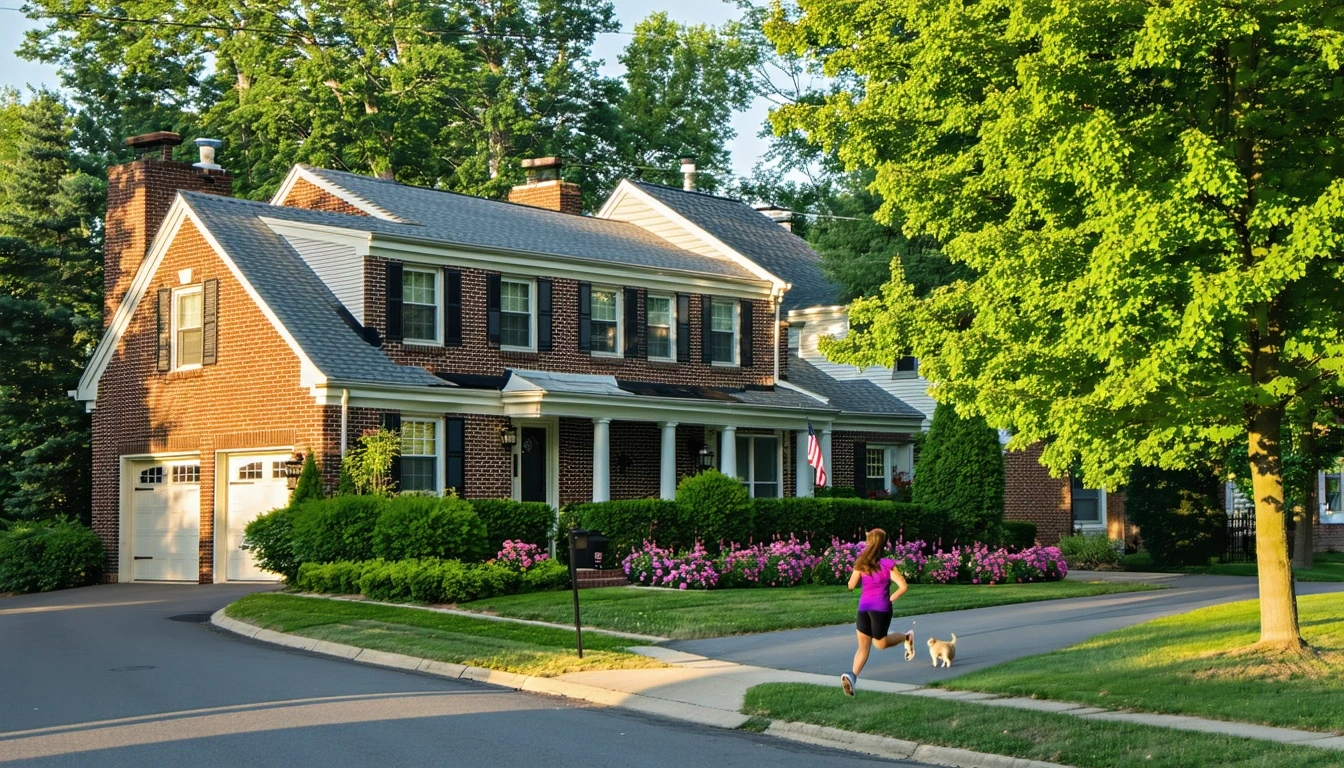
The overall sentiment in Farmington Hills is one of comfortable pragmatism. People who thrive here tend to value space, safety, and convenience over density or spontaneity. The city offers pockets of walkability — areas where sidewalks, parks, and nearby shops make it possible to move around on foot — but these are exceptions rather than the rule. Most daily life still revolves around the car, and that’s a tradeoff residents either accept or chafe against depending on what they’re looking for.
Healthcare access is a major draw. The presence of a hospital and multiple pharmacies means that medical needs don’t require long drives or complicated logistics, which matters especially for retirees and families with young children. Schools are present and moderately distributed, though playground density is lower than some families expect. Green space exists — parks are present, and water features add some visual relief — but outdoor access isn’t as integrated as in cities with denser trail networks or more frequent neighborhood parks.
Errands in Farmington Hills tend to cluster along commercial corridors. Grocery density is high in certain areas, but food options overall sit in the medium band, meaning you’ll find what you need without excessive driving, but you won’t have the spontaneous variety or walkable café culture of denser urban neighborhoods. This corridor-based accessibility works well for people who plan their errands in batches and don’t mind driving, but it can feel limiting for those who prefer to walk to a corner store or grab dinner on a whim.
The city’s building character is mixed — neither fully low-rise suburban nor notably vertical — and land use blends residential and commercial zones, which helps avoid the feeling of being trapped in a purely residential subdivision. Bus service is present, but without rail transit, reach is limited for those who don’t drive. Bike infrastructure exists in pockets, but it’s not extensive enough to make cycling a primary mode of transportation for most residents.
Social Media Buzz in Farmington Hills
On platforms like Facebook neighborhood groups and regional Reddit threads, Farmington Hills conversations tend to revolve around maintenance, change, and identity. There’s pride in the city’s stability and its reputation as a safe, well-kept place, but also frustration when that stability feels like stagnation.
“I love that I can let my kids play outside and not worry, but I wish there were more places to actually go that didn’t require a 20-minute drive,” one parent writes, capturing a common tension. Another resident notes, “It’s a great place to retire — quiet, clean, everything you need is close enough. Just don’t expect excitement.” A younger professional adds, “I moved here for affordability and space, but I underestimated how much I’d miss being able to walk to things or meet people spontaneously.”
Discussions about development and growth tend to be cautious. Long-time residents express protectiveness over the city’s character, worrying that new construction or increased density might erode the quiet, low-key vibe they value. Newcomers, especially younger ones, sometimes push back, asking for more walkable amenities, better transit connections, or a more vibrant downtown feel. The tone is rarely hostile, but the divide is real: some people want Farmington Hills to stay exactly as it is, while others want it to evolve into something more textured and accessible.
Local News Tone
Local coverage of Farmington Hills tends to frame the city through themes of steady growth, community services, and infrastructure maintenance. The tone is rarely dramatic — this isn’t a city that generates frequent controversy or rapid transformation. Instead, the focus is on incremental improvements, school updates, and quality-of-life debates.
Simulated headline-style themes that capture the recurring topics include:
- “Community Weighs New Development Proposals”
- “Healthcare Access Remains a Key Draw for Residents”
- “Schools and Safety Continue to Define City Appeal”
- “Residents Debate Walkability and Transit Options”
- “Parks and Green Space Expansion Under Discussion”
The framing is generally positive but measured. There’s recognition that Farmington Hills serves a specific kind of household well — families, retirees, professionals seeking space — but also acknowledgment that the city’s car-dependent layout and limited nightlife leave some residents feeling disconnected or restless.
Review-Based Public Perception
On platforms like Google Reviews, Yelp, and Nextdoor-style forums, Farmington Hills earns praise for safety, cleanliness, and healthcare access, but draws mild criticism for limited walkability, sparse nightlife, and corridor-dependent errands.
Positive reviews often highlight the city’s family-friendly character: “Great schools, safe neighborhoods, and you’re never far from a grocery store or pharmacy.” Retirees appreciate the healthcare infrastructure and the ease of managing daily tasks without long drives. One reviewer writes, “Everything I need is within 10 minutes by car, and I never feel unsafe walking in my neighborhood.”
Neutral-to-critical reviews tend to come from younger adults or those who moved from denser urban areas. “It’s fine if you have a car and don’t mind driving everywhere, but if you’re used to walking to coffee or meeting friends spontaneously, you’ll feel isolated,” one transplant notes. Another writes, “The parks are nice, but they’re not close enough to walk to from most neighborhoods, so you still end up driving.”
Neighborhood variation shows up in reviews, though specifics are often vague. Newer planned areas tend to feel more uniform and car-oriented, while older pockets have more mature trees and slightly better sidewalk connectivity. But even in the more walkable areas, the lack of dense commercial activity means you’re still driving for most errands beyond a quick walk around the block.
Comparison to Nearby Cities
| Dimension | Farmington Hills | Novi | Livonia |
|---|---|---|---|
| Overall Vibe | Stable, quiet, retirement-friendly | Polished, family-focused, newer feel | Working-class roots, steady, unpretentious |
| Walkability | Pockets exist, mostly car-dependent | Limited, very car-oriented | Minimal, designed for driving |
| Healthcare Access | Hospital present, strong draw | Clinics available, no hospital | Hospital present, accessible |
| Errands Accessibility | Corridor-clustered, grocery-dense | Big-box retail heavy, car required | Strip malls and plazas, car-dependent |
| Nightlife/Social Scene | Quiet, limited options | Minimal, family-oriented | Low-key, neighborhood bars |
Farmington Hills sits between Novi’s polished, newer suburban feel and Livonia’s older, more working-class character. If you prioritize healthcare access and appreciate a quieter, retirement-friendly vibe, Farmington Hills offers more than Novi. If you’re looking for a slightly grittier, more affordable alternative with similar car-dependent logistics, Livonia might feel more approachable. Novi appeals to families seeking newer construction and top-tier schools, but it lacks the healthcare infrastructure and walkable pockets that Farmington Hills provides. None of these cities will satisfy someone seeking dense urban texture or robust transit, but Farmington Hills offers the best balance of accessibility and calm for households that value medical proximity and moderate green space.
What Locals Are Saying
Retiree, 15 years in Farmington Hills: “I moved here specifically for the hospital and the fact that I can drive to everything I need in under 15 minutes. It’s not exciting, but that’s the point. I don’t want excitement — I want reliability.”
Young professional, 2 years: “I thought I’d be fine with the quiet, but I didn’t realize how much I’d miss being able to walk to a coffee shop or meet friends without planning a whole outing. It’s a good place to save money and have space, but it’s not where I want to stay long-term.”
Parent of two, 8 years: “The schools are solid, the neighborhoods feel safe, and we love having a yard. The downside is that everything requires driving — even the parks. I wish there were more playgrounds within walking distance, but overall it works for us.”
Remote worker, 4 years: “Farmington Hills is perfect for working from home. It’s quiet, I have space for an office, and I’m not paying city prices. But if I had to commute or relied on transit, I’d be miserable. The bus system is there, but it’s not practical for most trips.”
Longtime local, 20+ years: “People complain about the lack of walkability, but that’s not what this city was built for. If you want that, move closer to Detroit. This is a place for people who want space, safety, and easy access to what they need — by car.”
Newcomer from Ann Arbor, 1 year: “I moved here for a job and to be closer to family. It’s fine, but it feels flat compared to where I came from. There’s no real downtown, no spontaneous energy. You have to work harder to find community here.”
Couple in their 30s, 3 years: “We like that we can afford a house here and still be close to Detroit when we want more action. But day-to-day, it’s a lot of driving and not a lot of texture. It’s a tradeoff we’re okay with for now, but we’re not sure it’s forever.”
Does Farmington Hills Feel Like a Good Fit?
Farmington Hills works best for people who value suburban stability, healthcare access, and the ability to manage daily life without constant friction — as long as they’re comfortable driving most places. Retirees, families with school-age children, and professionals seeking space and quiet tend to feel at home here. The city’s mixed building character, moderate green space, and corridor-based errands accessibility create a functional, low-drama environment where you can predict what each day will require.
But Farmington Hills tends to frustrate younger adults seeking spontaneous social opportunities, transit-dependent households, and anyone who prioritizes walkable daily errands or vibrant nightlife. The city’s bus-only transit limits reach, and while walkable pockets exist, they’re not the norm. If you’re someone who thrives on density, texture, and the ability to walk out your door and discover something new, Farmington Hills will likely feel too quiet and too car-reliant.
The emotional profile here is one of comfortable pragmatism with limited spontaneity. You won’t struggle to find a grocery store, a pharmacy, or a park, but you also won’t stumble into a lively café district or take a quick train ride to explore a neighboring town. For households that see that tradeoff as a feature rather than a bug, Farmington Hills delivers. For those who see it as a limitation, the city may feel like a temporary stop rather than a long-term home.
If you’re weighing whether Farmington Hills aligns with your needs, consider exploring renting vs buying in Farmington Hills to understand the financial tradeoffs, or dive into a month of expenses in Farmington Hills to see where money actually goes. And if you’re curious about what it takes to feel stable here, income pressure in Farmington Hills breaks down who tends to feel secure and who feels stretched.
How this article was built: In addition to public economic data, this article incorporates location-based experiential signals derived from anonymized geographic patterns—such as access density, walkability, and land-use mix—to reflect how day-to-day living actually feels in Farmington Hills, MI.
The perspectives shown reflect commonly expressed local sentiment and recurring themes in public discussion, rather than individual accounts.