
Is Farmington Hills expensive to live in? Farmington Hills is considered moderately priced in 2026, with a median home value of $319,000 and median rent of $1,401 per month. The value proposition depends on housing entry cost versus car dependence—most households here face dual exposure from ownership or rent plus significant transportation costs tied to commuting patterns.
When Maya transferred to a new role in the Detroit metro, she thought Farmington Hills would be a straightforward suburban landing—affordable rent, quiet streets, maybe a short drive to work. Three months in, she realized the city’s cost structure wasn’t what she expected. Rent was manageable, but her car became a second fixed expense. Gas, insurance, and the daily 25-minute commute added up faster than the lease deposit. The grocery stores weren’t walkable from her apartment complex, and even routine errands required planning around drive time. Farmington Hills wasn’t expensive in the traditional sense—it just demanded a different kind of budget discipline, one built around mobility rather than rent alone.
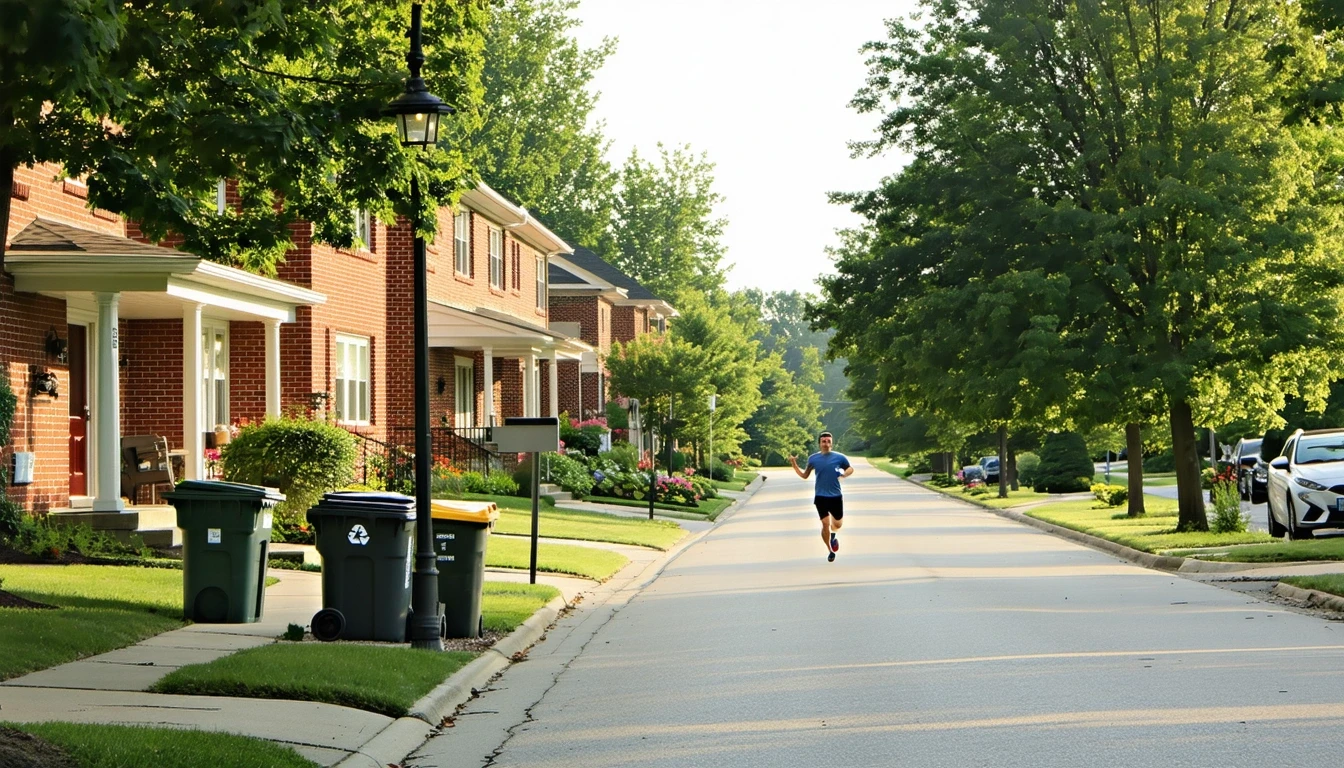
Overall Cost of Living Snapshot
Farmington Hills sits slightly below the national price baseline, with a regional price parity index of 98. That modest discount doesn’t tell the full story. The city’s cost structure is shaped more by what you need to function than by what things cost on their own. Housing dominates upfront—whether you’re buying in at $319,000 or renting at $1,401 per month—but transportation runs a close second. With 39.4% of workers facing long commutes and only 3.8% working from home, most households here are locked into regular vehicle use. Gas prices at $3.24 per gallon and a 25-minute average commute mean fuel isn’t occasional; it’s structural.
Utilities add seasonal swing. Electricity rates of 19.53¢/kWh and natural gas priced at $10.24/MCF (roughly $1.02 per therm) create moderate exposure during Michigan’s cold winters and warm summers. The unemployment rate of 3.6% signals a stable local economy, but income alone doesn’t determine cost pressure here—access does. Farmington Hills operates as a car-dependent suburb with selective pockets of walkability and corridor-based errands access. That means even moderate prices can feel higher if your household runs on two vehicles or long commutes.
Driver verdict: Housing entry cost and transportation dependency dominate. Surprises come from the compounding effect of commute length, vehicle count, and errand logistics—not from inflated prices on individual goods or services.
Housing Costs (Primary Driver)
Housing in Farmington Hills is an ownership-driven market. The median home value of $319,000 reflects a suburban landscape built around single-family homes and low-rise residential development. Buyers here face not just the purchase price but the ongoing costs of property taxes, insurance, and maintenance—expenses that don’t pause when income tightens. For homeowners, the long-term cost structure is more predictable than renting, but the upfront barrier is steep.
Renters pay a median of $1,401 per month, which positions Farmington Hills as accessible compared to denser metro cores but still significant for households managing vehicle costs and commute time. Rental housing here tends to cluster along commercial corridors, where errands are more accessible but walkability remains limited. The tradeoff is clear: renting offers flexibility and lower entry cost, but it doesn’t eliminate transportation dependency.
The city functions as a transitional market—neither a starter-home haven nor a luxury enclave. It attracts households seeking space, stability, and proximity to Detroit-area employment without downtown price tags. But that suburban structure comes with hidden costs: larger homes mean higher utility bills, car-dependent layouts mean fuel and maintenance, and property ownership means exposure to tax and insurance volatility.
Conclusion: Farmington Hills is a buying city for households ready to anchor long-term. Renting works for those prioritizing flexibility, but neither path eliminates the need for reliable transportation and the recurring costs that come with it.
| Housing Type | Cost Anchor | What That Buys You |
|---|---|---|
| Median Home Value | $319,000 | Single-family home, suburban lot, long-term equity exposure, property tax and maintenance responsibility |
| Median Gross Rent | $1,401/month | Apartment or rental home, lower entry cost, flexibility, limited walkability, car dependency remains |
Utilities & Energy Risk
Utilities in Farmington Hills carry moderate seasonal risk. Electricity at 19.53¢/kWh sits above the national median, and natural gas priced at $10.24/MCF (approximately $1.02 per therm) means heating costs during Michigan’s long, cold winters are a recurring pressure point. Cooling demand in summer is real but less extreme than heating exposure in winter. Households in larger homes or older construction face higher usage and less predictable bills.
The risk here isn’t catastrophic—it’s cumulative. A mild winter reduces gas usage; a harsh one amplifies it. Electricity costs remain steady but climb with square footage, air conditioning use, and inefficient appliances. Renters may find some utilities included, but most households manage separate billing for electric, gas, water, and trash. That fragmentation makes it harder to predict monthly totals and easier to underestimate annual exposure.
Risk classification: Moderate. Utility costs won’t dominate the budget, but they add meaningful swing, especially for homeowners in larger properties or households with limited control over insulation and efficiency upgrades.
Groceries & Daily Costs
Grocery costs in Farmington Hills reflect the regional price parity index of 98—slightly below the national baseline. That modest discount shows up in everyday purchases: bread, eggs, milk, and staples cost marginally less here than in higher-cost metros, but the difference isn’t transformative. What matters more is access. Grocery density in Farmington Hills is corridor-clustered, meaning stores concentrate along main commercial routes rather than within walking distance of most residential areas. That geography shifts grocery shopping from a quick errand to a planned trip, reinforcing car dependency.
For households managing tight budgets, the cost of groceries isn’t just the receipt—it’s the fuel to get there, the time spent driving, and the lack of flexibility to comparison-shop without adding miles. Families with multiple members or dietary restrictions face higher pressure, but even single-person households feel the friction when convenience requires a vehicle.
Daily costs beyond groceries—personal care, household supplies, occasional dining—follow the same pattern. Prices are moderate, but access is car-mediated. That structure doesn’t inflate costs directly; it raises the baseline effort and expense required to maintain a household.
Transportation Reality
Transportation in Farmington Hills isn’t optional—it’s foundational. The average commute is 25 minutes, and 39.4% of workers face long commutes that stretch well beyond that median. Only 3.8% of residents work from home, meaning the vast majority depend on personal vehicles for daily employment access. Gas at $3.24 per gallon isn’t extreme, but it’s a recurring line item that compounds with commute length, vehicle efficiency, and household vehicle count.
Public transit exists in the form of bus service, but coverage and frequency are limited. The city’s layout—suburban, low-density, with mixed building heights and land use—supports some walkable pockets, but those zones are exceptions rather than the rule. Cycling infrastructure is present in some areas, but bike-to-road ratios remain modest, and winter weather reduces year-round viability. For most households, the question isn’t whether to own a car—it’s whether one is enough.
Two-vehicle households face doubled exposure: insurance, registration, maintenance, and fuel costs multiply. Single-vehicle households gain cost efficiency but lose flexibility, especially when work schedules or errands don’t align. The transportation burden here isn’t just financial—it’s logistical. Time spent commuting, planning trips, and managing vehicle upkeep becomes a hidden cost that doesn’t show up on a budget spreadsheet but shapes daily life.
Cost Exposure Profiles
Cost pressure in Farmington Hills varies less by income bracket and more by household structure and mobility needs. A renter with one vehicle and a short commute faces moderate exposure—rent and fuel are predictable, and utility costs stay contained in smaller units. Add a second vehicle or a longer commute, and transportation costs escalate quickly, turning a manageable budget into a tighter one.
Homeowners face a different calculus. The upfront cost of entry at $319,000 is substantial, but the long-term structure offers more stability than renting—assuming property taxes, insurance, and maintenance remain manageable. Larger homes amplify utility exposure, especially during heating season. Families with multiple vehicles and long commutes face the highest cumulative pressure, layering mortgage, transportation, and seasonal utility swings into a budget that requires constant attention.
Retirees and remote workers occupy a lower-exposure zone. Without daily commutes, transportation costs drop to occasional trips and errands. Homeownership eliminates rent volatility, though property taxes and maintenance remain. Utility costs persist but become more predictable with stable occupancy and controlled usage.
The dividing line isn’t affordability—it’s exposure. Households with flexibility (remote work, one vehicle, smaller homes) navigate Farmington Hills with less friction. Those locked into long commutes, multi-vehicle dependency, or large properties face compounding costs that don’t stem from high prices but from the structure of daily life here.
Frequently Asked Questions
Is Farmington Hills more affordable than nearby Detroit suburbs in 2026? Farmington Hills sits in the moderate range among Detroit-area suburbs, with housing and transportation costs that are neither the lowest nor the highest. The value proposition depends more on commute length and vehicle dependency than on direct price comparisons.
What does a typical cost profile look like in Farmington Hills? Most households here face a dual-cost structure: housing (either $319,000 median home value or $1,401 median rent) plus significant transportation expenses tied to car dependency and commuting. Utilities add moderate seasonal swing, especially in winter.
Do utilities cost more in Farmington Hills than nearby areas? Utility rates here—19.53¢/kWh for electricity and $10.24/MCF for natural gas—are moderate but not low. Costs vary more by home size, insulation, and seasonal weather than by rate differences across nearby suburbs.
What costs tend to surprise newcomers in Farmington Hills? Transportation costs often exceed expectations. Even with moderate gas prices, the combination of long commutes, limited transit, and car-dependent errands access means fuel, insurance, and maintenance add up faster than anticipated.
Are property taxes higher in Farmington Hills than in neighboring cities? Property tax rates aren’t provided in the data, but homeowners should verify local millage rates and assess how they compare to nearby communities, as tax exposure can vary significantly even within the same metro area.
Can you live in Farmington Hills without a car? Technically possible but highly impractical. Bus service exists, but most errands, employment, and daily logistics require a vehicle. Walkable pockets are present but limited, and cycling infrastructure is sparse.
Is Farmington Hills a good value for retirees? For retirees who own homes and no longer commute, Farmington Hills offers stability and moderate costs. The city is designated as a retirement community, and reduced transportation needs lower overall exposure. Healthcare access is strong, with hospital and pharmacy presence.
How does the cost structure in Farmington Hills compare to renting in downtown Detroit? Downtown Detroit typically has higher rent but lower transportation costs due to walkability and transit access. Farmington Hills offers lower rent or ownership costs but requires a vehicle, shifting savings from housing into transportation.
How this article was built: In addition to public economic data, this article incorporates location-based experiential signals derived from anonymized geographic patterns—such as access density, walkability, and land-use mix—to reflect how day-to-day living actually feels in Farmington Hills, MI.
—