

Which city gives you more for your money? For households weighing a move within Northern Virginia’s Washington DC metro area, Fairfax and Reston sit just miles apart yet organize cost pressure in distinctly different ways. Both cities anchor the region’s professional corridor, offer strong schools and family amenities, and share the same utility rates and gas prices. Yet the decision between them hinges less on total affordability and more on where financial pressure concentrates—and which household priorities dominate your day-to-day life in 2026.
Fairfax presents higher upfront housing entry costs but lower monthly rent obligations and a traditional suburban form mixing single-family homes with walkable pockets. Reston counters with lower purchase prices but higher rent, rail transit access that reduces car dependency, and a more vertical building character that creates density without sacrificing green space. Neither city is universally cheaper. The better fit depends on whether your household is more exposed to entry barriers, ongoing monthly obligations, transportation friction, or the logistics of managing errands and commutes without constant car reliance.
This comparison explains how the same income feels different in each city, which costs become non-negotiable first, and how structural differences in housing form, transit access, and daily logistics shift financial pressure across household types. The goal is not to declare a winner but to clarify which tradeoffs matter most for your situation.
Housing Costs: Entry Barrier vs. Ongoing Obligation
Housing costs in Fairfax and Reston differ not in magnitude alone but in where pressure concentrates. Fairfax’s median home value sits at $649,600, creating a higher entry barrier for buyers navigating down payments, closing costs, and mortgage qualification. Reston’s median home value of $591,900 lowers that initial threshold, making ownership more accessible to first-time buyers or households transitioning from renting. Yet Reston’s median gross rent of $2,109 per month exceeds Fairfax’s $1,972, reversing the cost advantage for renters and creating a higher ongoing monthly obligation that compounds over lease terms.
The difference reflects not just pricing but housing form. Fairfax’s mixed building character—blending single-family homes, townhomes, and low-rise apartments—creates more traditional suburban options where ownership often means a detached home with a yard. Reston’s more vertical building profile suggests a higher concentration of condos, mid-rise apartments, and planned community structures where ownership may come with HOA fees but lower purchase prices, and renting offers proximity to rail transit and walkable village centers. For buyers prioritizing space and long-term equity in a single-family home, Fairfax’s higher entry cost may align with that goal. For renters prioritizing transit access and walkability, Reston’s higher rent may feel justified by reduced car dependency.
Households sensitive to liquidity and cash reserves face different pressures in each city. Fairfax’s higher home values mean larger down payments, higher property tax assessments, and more capital tied up in real estate—front-loading cost into the purchase decision. Reston’s lower home values ease that entry but shift pressure to monthly rent obligations that don’t build equity and may escalate with lease renewals. Families planning to stay long-term may find Fairfax’s ownership model more predictable once the mortgage is locked in. Young professionals, remote workers, or households uncertain about tenure may find Reston’s rental market more flexible despite the higher monthly cost, especially if rail access reduces the need for a second car.
| Housing Type | Fairfax Pressure Point | Reston Pressure Point |
|---|---|---|
| Single-family home purchase | Higher entry cost; median $649,600 | Lower entry cost; median $591,900 |
| Apartment rental | Lower monthly obligation; median $1,972 | Higher monthly obligation; median $2,109 |
| Condo ownership | Less common; mixed building form | More common; vertical building character |
The housing takeaway is conditional. Buyers with sufficient reserves and long-term commitment may absorb Fairfax’s higher entry cost in exchange for traditional single-family options and lower property density. Renters prioritizing transit access, walkability, and flexibility may accept Reston’s higher monthly rent as the cost of reducing car dependency and gaining rail connectivity. First-time buyers with limited down payment funds may find Reston’s lower home values more accessible, though they should weigh HOA fees and condo versus single-family tradeoffs. The decision is not about which city costs less overall but about which housing cost structure aligns with your household’s liquidity, tenure plans, and lifestyle priorities.
Utilities and Energy Costs: Identical Rates, Different Exposure
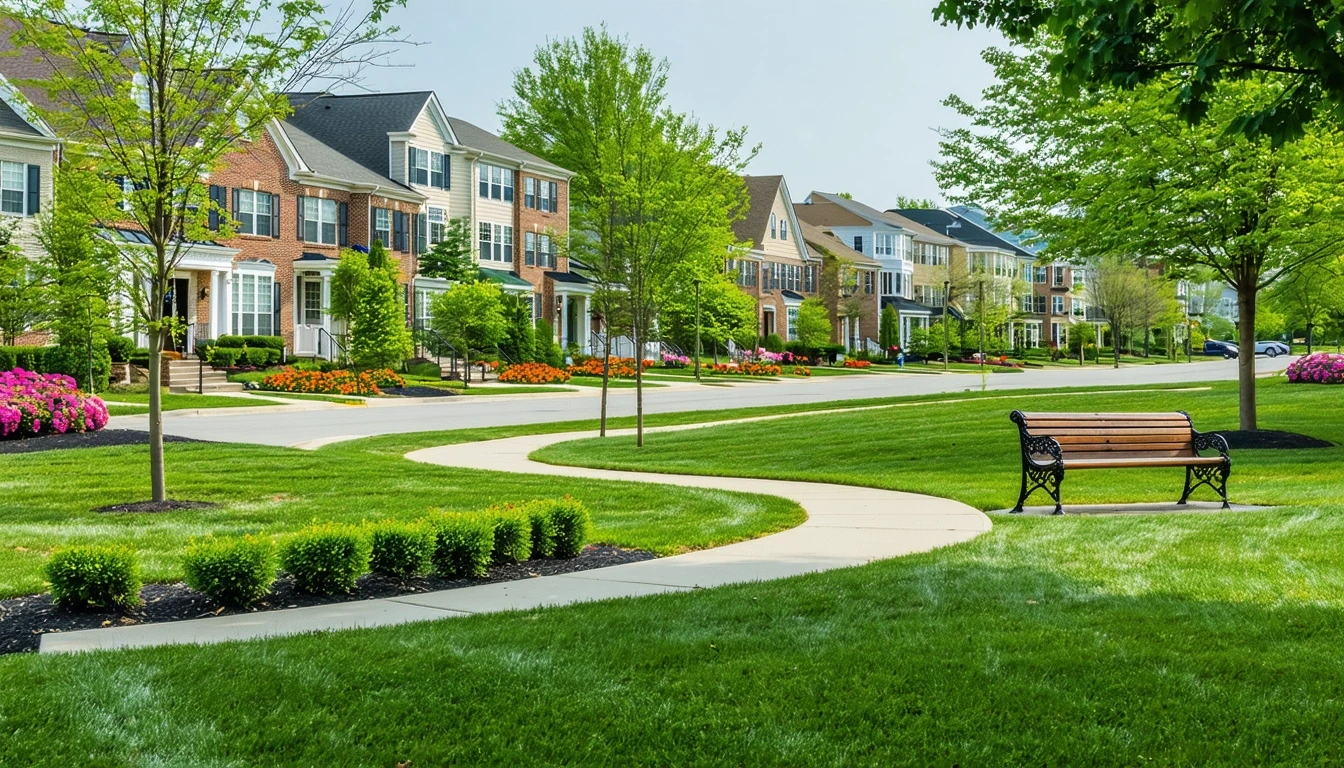
Utility and energy costs in Fairfax and Reston start from the same baseline—both cities face an electricity rate of 15.27¢ per kilowatt-hour and a natural gas price of $15.45 per thousand cubic feet. Yet identical rates do not guarantee identical bills. Exposure depends on housing type, home age, square footage, and how households heat and cool their living space. Northern Virginia’s climate demands both air conditioning through humid summers and heating through cold winters, creating year-round utility pressure that varies more by housing stock than by city boundaries.
Fairfax’s mixed building character—with a higher share of single-family homes—often means larger square footage, older construction in established neighborhoods, and greater exposure to heating and cooling costs. Single-family homes with basements, attics, and multiple exterior walls lose conditioned air more readily than interior units in multifamily buildings. Older homes may lack modern insulation, energy-efficient windows, or programmable thermostats, increasing baseline usage even when households adopt conservation habits. Families in detached homes should expect higher utility bills not because rates differ but because the building envelope is larger and less efficient.
Reston’s more vertical building form—with a higher concentration of apartments and condos—creates natural insulation through shared walls, smaller square footage, and newer construction standards that incorporate better windows, HVAC systems, and insulation. Households in mid-rise buildings often see lower utility bills because interior units benefit from neighboring conditioned space, and newer builds meet stricter energy codes. Yet Reston’s higher rent may already reflect these efficiencies, meaning renters pay for predictability through higher base rent rather than through volatile utility bills. Homeowners in Reston condos may face lower utility costs than Fairfax single-family owners but should account for HOA fees that sometimes bundle water, trash, or common-area utilities.
Household size and occupancy patterns also shape utility exposure. Single adults or couples in Reston apartments may see minimal seasonal swings because smaller spaces stabilize quickly and shared walls buffer temperature extremes. Families with children in Fairfax single-family homes face higher baseline usage from multiple bedrooms, constant occupancy, and the need to condition larger spaces throughout the day. Remote workers in either city should expect higher utility costs than commuters because daytime heating and cooling cannot be deferred, and home offices add plug load from computers, monitors, and lighting.
The utility takeaway is structural, not geographic. Fairfax households in older single-family homes face higher exposure to seasonal swings and should prioritize weatherization, programmable thermostats, and HVAC maintenance to control volatility. Reston households in newer multifamily buildings gain predictability through efficient construction but should verify whether HOA fees bundle utilities or shift costs into monthly assessments. Neither city offers a clear advantage in utility costs—the difference lies in housing form, not rates. Households sensitive to utility volatility should prioritize newer construction and smaller square footage regardless of city. Households prioritizing space and long-term ownership should budget for higher utility exposure in exchange for detached living.
Groceries and Daily Expenses: Access vs. Habits
Grocery and daily expense pressure in Fairfax and Reston reflects not price differences—both cities sit within the same regional price parity index—but access patterns and household habits. Both cities show high food and grocery establishment density, meaning residents in either location can reach supermarkets, specialty stores, and prepared food options without long drives. Yet how households shop, how often they rely on convenience purchases, and whether they can walk to errands or must drive each trip shapes the texture of daily spending more than shelf prices alone.
Fairfax’s walkable pockets and broadly accessible food density mean many neighborhoods support errand trips on foot or by bike, reducing the friction cost of picking up a few items or grabbing a quick meal. Yet the city’s bus-only transit and higher car dependency for commutes often mean households default to driving for groceries anyway, consolidating trips to big-box stores or warehouse clubs where bulk buying lowers per-unit costs but increases upfront spending. Families managing larger grocery volumes may benefit from this pattern, especially if they have storage space and can plan weekly or biweekly shopping runs. Single adults or couples without cars face more logistical friction, needing to coordinate transit schedules or rely on delivery services that add fees and reduce price flexibility.
Reston’s rail transit access and more vertical building form create different shopping dynamics. Residents near village centers or Metro stations can walk to groceries, cafes, and prepared food options, reducing reliance on a car for daily errands and making smaller, more frequent shopping trips viable. This convenience can lower the barrier to cooking at home versus ordering takeout, but it also increases exposure to impulse purchases, premium-priced convenience stores, and dining out when walkable options are abundant. Households disciplined about meal planning and cooking may find Reston’s access advantageous. Households prone to convenience spending—grabbing coffee, picking up prepared meals, or dining out because restaurants are steps away—may see grocery savings eroded by lifestyle creep.
Household composition drives grocery pressure differently in each city. Families with children in Fairfax benefit from car-based bulk shopping and larger homes with pantry space, absorbing higher per-trip costs in exchange for lower per-unit prices and fewer shopping trips. Families in Reston may face higher per-unit costs at walkable neighborhood stores but gain time flexibility by avoiding long drives and consolidating errands with transit commutes. Single adults in Fairfax without cars face the highest friction, needing to plan around bus schedules or pay for delivery. Single adults in Reston near rail stations gain independence, able to walk or bike for groceries and reduce reliance on a car entirely.
The grocery takeaway is behavioral, not structural. Fairfax fits households with cars, storage space, and the discipline to plan bulk shopping trips that lower per-unit costs. Reston fits households comfortable with smaller, more frequent shopping trips who value walkability and can resist convenience spending creep. Neither city imposes higher grocery prices—the difference lies in access friction and how that friction interacts with household habits. Households sensitive to time costs and logistics may prefer Reston’s walkable access. Households sensitive to per-unit pricing and bulk savings may prefer Fairfax’s car-oriented shopping patterns. The decision is less about which city costs less and more about which shopping model aligns with your household’s rhythm and discipline.
Taxes and Fees: Predictability vs. Complexity
Taxes and fees in Fairfax and Reston operate under the same Virginia state tax framework, meaning sales taxes, income taxes, and vehicle registration costs remain consistent across both cities. Yet local property taxes, HOA fees, and municipal service charges introduce variability that affects homeowners and renters differently. The distinction is not magnitude but predictability—whether costs are transparent and stable or layered and subject to periodic adjustment.
Fairfax’s higher median home values translate directly into higher property tax assessments for homeowners, even if the effective tax rate remains comparable to Reston. A $649,600 home generates a larger annual tax bill than a $591,900 home under the same rate, concentrating more cost into the ownership structure. Yet Fairfax’s traditional suburban form—with more single-family detached homes—often means fewer HOA fees or lower assessments compared to planned communities. Homeowners gain predictability through direct ownership of land and structures, paying property taxes and utilities without intermediary fees. Long-term residents benefit from Virginia’s homestead exemption and assessment caps, which limit how quickly property taxes can rise even as home values appreciate.
Reston’s lower home values reduce baseline property tax exposure for owners, but the city’s planned community structure and higher concentration of condos and townhomes often come with HOA fees that bundle services like landscaping, trash collection, snow removal, and common-area maintenance. These fees add a recurring monthly cost that does not build equity and may increase annually based on community budgets and capital improvement needs. For buyers, HOA fees reduce direct maintenance burdens but introduce less control over cost escalation. For renters, HOA fees are invisible—absorbed into rent—but may contribute to Reston’s higher median rent compared to Fairfax.
Renters in both cities face indirect tax exposure through rent, as landlords pass property taxes and HOA fees into lease rates. Fairfax renters benefit from lower median rent, which may reflect lower property taxes on older, non-HOA buildings. Reston renters pay higher median rent, which may reflect both higher property values in newer buildings and HOA fees in planned communities. Yet Reston renters gain bundled services—trash, water, sometimes even basic cable or internet—that reduce the number of separate bills and simplify household budgeting. Fairfax renters in older buildings may face lower base rent but more fragmented billing, paying separately for utilities, trash, and parking.
The tax and fee takeaway is structural. Fairfax homeowners face higher property tax bills due to higher home values but gain simplicity and control through direct ownership with fewer HOA layers. Reston homeowners face lower property tax bills but must account for HOA fees that add recurring costs and reduce autonomy over maintenance decisions. Renters in Fairfax benefit from lower base rent but may juggle more separate service bills. Renters in Reston pay higher base rent but gain bundled services and simplified billing. Neither city imposes a universally lower tax burden—the difference lies in whether costs are front-loaded into property taxes or distributed across HOA fees and service charges, and whether households prioritize control or convenience.
Transportation and Commute Reality
Transportation costs and commute friction in Fairfax and Reston diverge not in distance or gas prices—both cities share a $3.37 per gallon rate and an average commute time of 28 minutes—but in transit access and car dependency. The structural difference is rail. Reston offers Metro rail service, creating a viable alternative to driving for commuters heading into Washington DC or other rail-connected employment centers. Fairfax relies on bus service only, which limits transit utility for most commuters and increases reliance on personal vehicles for both commuting and daily errands.
Fairfax’s 51.0% long-commute percentage—meaning more than half of workers travel significant distances—reflects the city’s role as a suburban bedroom community where many residents drive to jobs elsewhere in the metro area. The 7.8% work-from-home rate suggests most households cannot avoid commuting entirely, and the bus-only transit system means those without cars face significant logistical friction. Households with two working adults often need two cars, doubling exposure to vehicle payments, insurance, maintenance, and parking costs. Single adults or couples trying to reduce car dependency face limited options, as bus routes may not align with work schedules or require multiple transfers that extend commute times beyond the 28-minute average.
Reston’s 41.3% long-commute percentage and 10.7% work-from-home rate suggest a different pattern. Fewer residents face extended commutes, and more work remotely, indicating either closer proximity to employment centers or greater adoption of flexible work arrangements. Rail transit access allows car-light households to commute into DC or Arlington without driving, reducing fuel costs, parking fees, and vehicle wear. Families with one car instead of two save on insurance, registration, and depreciation. Remote workers in Reston gain the same flexibility as those in Fairfax but benefit from walkable village centers that reduce the need to drive for errands, further lowering transportation exposure.
The transportation takeaway is conditional. Fairfax fits households with cars who prioritize single-family home space over transit access and accept car dependency as part of suburban life. Reston fits households seeking to reduce car reliance, whether through rail commuting, remote work, or walkable errands. Neither city eliminates transportation costs, but Reston offers structural alternatives that Fairfax does not. Households with two working adults commuting in opposite directions may find Fairfax’s car-oriented model unavoidable. Households with one commuter heading into DC or a rail-connected job center may find Reston’s Metro access reduces the need for a second vehicle, shifting cost from ongoing fuel and maintenance to higher base rent.
Cost Structure Comparison
Housing pressure dominates the cost experience in both Fairfax and Reston, but where that pressure concentrates differs. Fairfax front-loads cost into the purchase decision, requiring higher down payments and locking in larger property tax obligations, but offers lower monthly rent for those not ready to buy. Reston lowers the entry barrier for ownership but shifts pressure to ongoing monthly rent obligations that exceed Fairfax’s, creating higher recurring costs for renters who may never build equity. Buyers with liquidity and long-term plans may absorb Fairfax’s higher entry cost. Renters prioritizing flexibility and transit access may accept Reston’s higher rent as the cost of reducing car dependency.
Utilities introduce similar seasonal exposure in both cities due to identical rates and shared climate, but housing form determines volatility. Fairfax’s single-family homes create higher baseline usage and more pronounced seasonal swings, especially in older construction. Reston’s vertical building character and newer construction stabilize bills through shared walls and efficient systems, though HOA fees may bundle some utilities into monthly assessments. Households in Fairfax gain space but face higher utility exposure. Households in Reston gain predictability but pay for it through higher rent or HOA fees.
Daily living and grocery costs reflect access patterns more than prices. Both cities offer broadly accessible food and grocery options, but Fairfax’s car dependency encourages bulk shopping that lowers per-unit costs at the expense of time and logistics. Reston’s walkable village centers and rail access reduce friction for smaller, more frequent trips but increase exposure to convenience spending and dining out. Families managing large grocery volumes may prefer Fairfax’s car-based model. Single adults or couples comfortable with walkable errands may prefer Reston’s access, provided they resist lifestyle creep.
Transportation patterns matter more in Reston than in Fairfax because rail access creates a genuine alternative to driving. Fairfax households almost universally need cars, making transportation a fixed cost with limited flexibility. Reston households near Metro stations can reduce or eliminate car ownership, shifting cost from fuel and maintenance to higher rent. The tradeoff is not cheaper transportation but different transportation—predictable rail fares and walkable errands versus variable fuel costs and parking fees.
The better choice depends on which costs dominate your household. Households sensitive to entry barriers and upfront capital may prefer Reston’s lower home values despite higher rent. Households sensitive to ongoing monthly obligations may prefer Fairfax’s lower rent despite higher purchase prices. Households sensitive to car dependency may prefer Reston’s rail access despite higher rent. Households prioritizing space, yards, and traditional suburban form may prefer Fairfax despite higher entry costs and utility exposure. For families with children, the difference is less about price and more about predictability—Fairfax offers more single-family options with stable ownership costs once the mortgage is locked in, while Reston offers rail access and walkability that reduce logistics friction but come with higher recurring costs.
How the Same Income Feels in Fairfax vs Reston
Single Adult
For a single adult, housing becomes the first non-negotiable cost, and the difference between Fairfax and Reston is whether rent or car dependency consumes more flexibility. In Fairfax, lower rent preserves cash flow, but car ownership is nearly mandatory, locking in insurance, fuel, and maintenance costs that reduce discretionary spending. In Reston, higher rent absorbs more income upfront, but rail access and walkable errands create the option to live car-light or car-free, shifting cost from ongoing vehicle expenses to a higher fixed housing payment. Flexibility exists in Fairfax if you already own a car and can tolerate bus-only transit for occasional trips. Flexibility exists in Reston if you can walk or bike to work and groceries, eliminating the need for a vehicle entirely.
Dual-Income Couple
For a dual-income couple, the non-negotiable costs expand to include two potential commutes, and the difference between Fairfax and Reston is whether both partners need cars or whether rail access allows one household vehicle. In Fairfax, both partners likely drive, doubling transportation exposure and reducing the ability to save for a down payment despite lower rent. In Reston, one partner may commute by rail while the other drives or works remotely, cutting vehicle costs but accepting higher rent as the tradeoff. Flexibility disappears in Fairfax if both partners commute in opposite directions, as bus-only transit cannot substitute for driving. Flexibility exists in Reston if one or both partners work near Metro stations, allowing the household to function with one car and redirect savings toward housing or other goals.
Family with Kids
For a family with children, non-negotiable costs include space, school access, and the logistics of managing multiple schedules, and the difference between Fairfax and Reston is whether car dependence or higher rent creates more friction. In Fairfax, lower rent and more single-family home options provide space and stability, but every errand, activity, and school run requires driving, increasing time costs and fuel exposure. In Reston, higher rent and more vertical housing reduce space but improve walkability and rail access, allowing older children to navigate independently and reducing the need for constant chauffeuring. Flexibility exists in Fairfax if the family prioritizes a yard, detached home, and long-term ownership, accepting car dependence as part of suburban life. Flexibility exists in Reston if the family values transit access, walkable errands, and the ability to reduce vehicle count, accepting higher rent and less space as the cost of reduced logistics burden.
Decision Matrix: Which City Fits Which Household?
| Decision Factor | If You’re Sensitive to This… | Fairfax Tends to Fit When… | Reston Tends to Fit When… |
|---|---|---|---|
| Housing entry + space needs | Down payment size, liquidity, and desire for single-family home with yard | You have sufficient reserves to absorb higher purchase price and prioritize detached living | You need lower entry cost or prefer multifamily living with rail access over maximum space |
| Transportation dependence + commute friction | Car ownership costs, fuel exposure, and ability to function without driving daily | You already own a car, accept driving as non-negotiable, and prioritize lower rent over transit | You commute to rail-connected job or can walk to errands, reducing need for second vehicle |
| Utility variability + home size exposure | Seasonal bill swings, square footage, and ability to control heating and cooling costs | You prioritize space and accept higher utility exposure in exchange for detached home | You prefer smaller, newer construction with shared walls that stabilize seasonal bills |
| Grocery strategy + convenience spending creep | Per-unit pricing, bulk shopping discipline, and resistance to impulse dining or takeout | You have car and storage space, plan bulk trips, and avoid frequent convenience purchases | You value walkable access and can resist dining out despite abundant nearby options |
| Fees + friction costs (HOA, services, upkeep) | Predictability of recurring charges, control over maintenance, and bundled vs. itemized billing | You prefer direct ownership with fewer HOA layers and accept responsibility for all maintenance | You accept HOA fees in exchange for bundled services and reduced direct maintenance burden |
| Time budget (schedule flexibility, errands, logistics) | Commute duration, errand consolidation, and ability to manage household logistics without constant driving | You tolerate car-based errands and have schedule flexibility to consolidate trips | You value walkable errands and rail access that reduce time spent coordinating transportation |
Lifestyle Fit and Daily Rhythm
Lifestyle differences between Fairfax and Reston extend beyond cost structure into how daily life unfolds. Both cities offer strong family infrastructure, with high school and playground density that supports households with children. Both provide integrated green space access, with parks and water features woven into the urban fabric. Yet the texture of daily movement differs. Fairfax’s walkable pockets and notable bike infrastructure create islands of pedestrian-friendly activity within a broader car-oriented framework, meaning some neighborhoods support walking or biking for errands while others require driving for nearly every trip. Reston’s rail transit presence and more vertical building form concentrate activity around village centers and Metro stations, creating denser nodes where residents can walk to groceries, dining, and services without needing a car.
For families, the difference shows up in how children navigate independence. In Fairfax, older children typically need rides to activities, friends’ homes, or part-time jobs, as bus service may not align with schedules and distances often exceed comfortable biking range. In Reston, older children near Metro stations or village centers can walk or take rail to school, jobs, or social activities, reducing the household’s chauffeuring burden and giving teenagers more autonomy. This shift does not eliminate transportation costs but redistributes them—Fairfax families spend more on fuel and vehicle wear from constant driving, while Reston families pay higher rent for proximity to transit and walkable amenities.
For remote workers and professionals, both cities offer viable home office setups, but commute flexibility differs. Fairfax’s 7.8% work-from-home rate suggests fewer residents have fully remote arrangements, meaning most households still need reliable vehicles for commuting. Reston’s 10.7% work-from-home rate and rail access create more options—some residents work fully remote and rely on walkable errands, while others commute by Metro and avoid the stress of driving in rush-hour traffic. The lifestyle tradeoff is not about recreation or culture, as both cities sit within the same metro area