
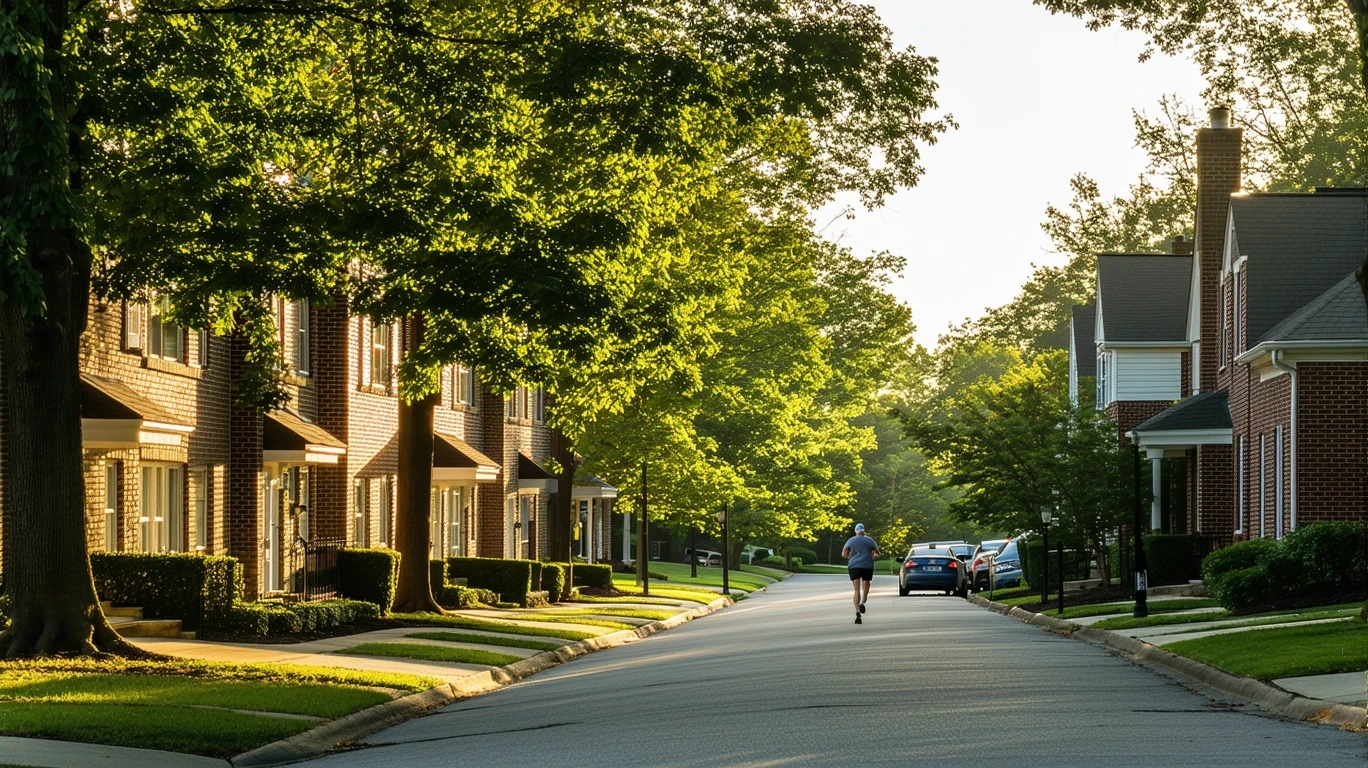
Here’s a myth that persists across Northern Virginia: Arlington and Fairfax cost about the same because they’re both expensive D.C. suburbs. In reality, the cost structures diverge sharply in 2026—not because one is universally cheaper, but because different households feel pressure in completely different places. Arlington’s median home value sits at $833,300, while Fairfax comes in at $649,600. Renters face $2,227 per month in Arlington versus $1,972 per month in Fairfax. But housing entry cost is only part of the story. The real decision hinges on how transportation friction, daily errands logistics, and household time budgets interact with those housing numbers.
Both cities anchor the Washington, D.C. metro area and draw similar professional populations, but they offer fundamentally different tradeoffs between access and space. Arlington delivers rail transit, dense walkable corridors, and integrated parks within a more vertical urban form. Fairfax spreads out with more single-family housing stock, lower entry barriers, but longer average commutes and higher car dependence. For families weighing school access against housing affordability, or young professionals balancing commute time against rent, the choice isn’t about which city costs less—it’s about which cost pressures a household can absorb and which they can’t.
This comparison explains where money, time, and friction show up differently in Arlington versus Fairfax in 2026, and which households find stability in each place.
Housing Costs
Housing dominates the cost experience in both cities, but the pressure concentrates differently. Arlington’s $833,300 median home value reflects a market built around transit proximity, walkable density, and vertical living. Buyers here pay a premium for access—shorter commutes, rail lines, and the ability to manage daily life without constant car dependence. Fairfax’s $649,600 median represents a different value proposition: more space, more single-family inventory, and housing stock that spreads horizontally rather than stacking vertically. The gap isn’t just about price; it’s about what kind of housing stock dominates and what lifestyle infrastructure comes with it.
Renters face similar structural differences. Arlington’s $2,227 per month median gross rent buys access to transit-oriented neighborhoods where errands, groceries, and commutes don’t require a car for every trip. Fairfax’s $1,972 per month median often comes with more square footage and parking, but assumes car ownership as non-negotiable. For a single adult or couple prioritizing walkability and short commutes, Arlington’s rent premium may reduce transportation costs and time friction enough to offset the difference. For a family needing three bedrooms and a yard, Fairfax’s lower entry cost and housing form may be the only viable path, even if it means longer commutes and higher transportation exposure.
The housing decision also shapes ongoing cost predictability. Arlington’s denser, mixed-use neighborhoods mean more multifamily buildings with landlord-managed utilities and fewer surprise maintenance events. Fairfax’s single-family dominance shifts more responsibility to the household—HVAC repairs, yard upkeep, and utility variability tied to larger home footprints. First-time buyers stretching to enter Arlington’s market face higher mortgage payments but more stable monthly obligations. Fairfax buyers gain breathing room on the mortgage but inherit more variable costs tied to home age and size.
| Housing Type | Arlington | Fairfax |
|---|---|---|
| Median Home Value | $833,300 | $649,600 |
| Median Gross Rent | $2,227/month | $1,972/month |
| Dominant Housing Form | Vertical, mixed-use, transit-oriented | Horizontal, single-family, car-oriented |
What this means for different households: renters prioritizing transit access and walkability absorb Arlington’s higher rent as a tradeoff against car dependence and commute friction. Families needing space and tolerating longer commutes find Fairfax’s lower entry cost essential, even as transportation and maintenance obligations rise. First-time buyers in Arlington face steeper mortgages but more predictable monthly costs; Fairfax buyers gain mortgage flexibility but inherit more variable home-related expenses.
Housing takeaway: Arlington’s housing cost is front-loaded and tied to access infrastructure—households pay more upfront but gain transit, walkability, and time savings. Fairfax’s housing cost is lower at entry but assumes car ownership, longer commutes, and more variable home maintenance exposure. The better fit depends on whether a household prioritizes access and predictability or space and lower entry barriers.
Utilities and Energy Costs
Utility costs in Arlington and Fairfax start from identical rate structures—both cities face 16.36¢/kWh for electricity and $20.71/MCF for natural gas—but household exposure diverges based on housing form, building age, and square footage. Arlington’s more vertical, multifamily housing stock tends to buffer extreme seasonal swings. Apartments and condos share walls, reducing heating and cooling surface area. Fairfax’s single-family dominance means more standalone structures with larger footprints, attics, and basements that drive higher baseline usage during Northern Virginia’s hot, humid summers and cold winter stretches.
Seasonality hits differently depending on housing type. In Arlington, renters in newer mid-rise buildings often see landlord-managed utilities or more efficient HVAC systems that moderate summer cooling costs. Fairfax households in older single-family homes face more volatile bills—extended cooling seasons push air conditioning hard, and older insulation standards mean less predictable usage. Heating exposure follows similar logic: a 1,200-square-foot Arlington condo heats more predictably than a 2,400-square-foot Fairfax house with cathedral ceilings and multiple zones. The rate is the same; the exposure isn’t.
Household size and home age amplify these differences. A single adult in an Arlington apartment may see stable, low utility bills year-round. A family of four in a Fairfax house built in the 1980s will experience higher baseline usage and more seasonal volatility, even with identical thermostat discipline. Newer construction in both cities improves efficiency, but Fairfax’s housing stock skews older and larger on average, concentrating more households in the high-exposure category. Arlington’s denser, newer inventory shifts more households toward predictable, moderate bills.
Neither city offers dramatic structural advantages in utility programs or billing—both rely on regional providers with similar time-of-use concepts and efficiency incentives. The difference comes down to what you’re heating, cooling, and powering. Arlington households in compact, newer units control costs through form and efficiency. Fairfax households in larger, older homes face more exposure but gain space and flexibility in exchange.
Utility takeaway: Arlington’s housing form moderates utility volatility—smaller footprints and shared-wall construction reduce seasonal swings. Fairfax’s larger, standalone housing stock increases exposure to heating and cooling variability, especially in older homes. Households prioritizing predictable bills fit better in Arlington’s multifamily inventory; those needing space and tolerating seasonal cost swings find Fairfax’s single-family stock more viable, even as utility exposure rises.
Groceries and Daily Expenses
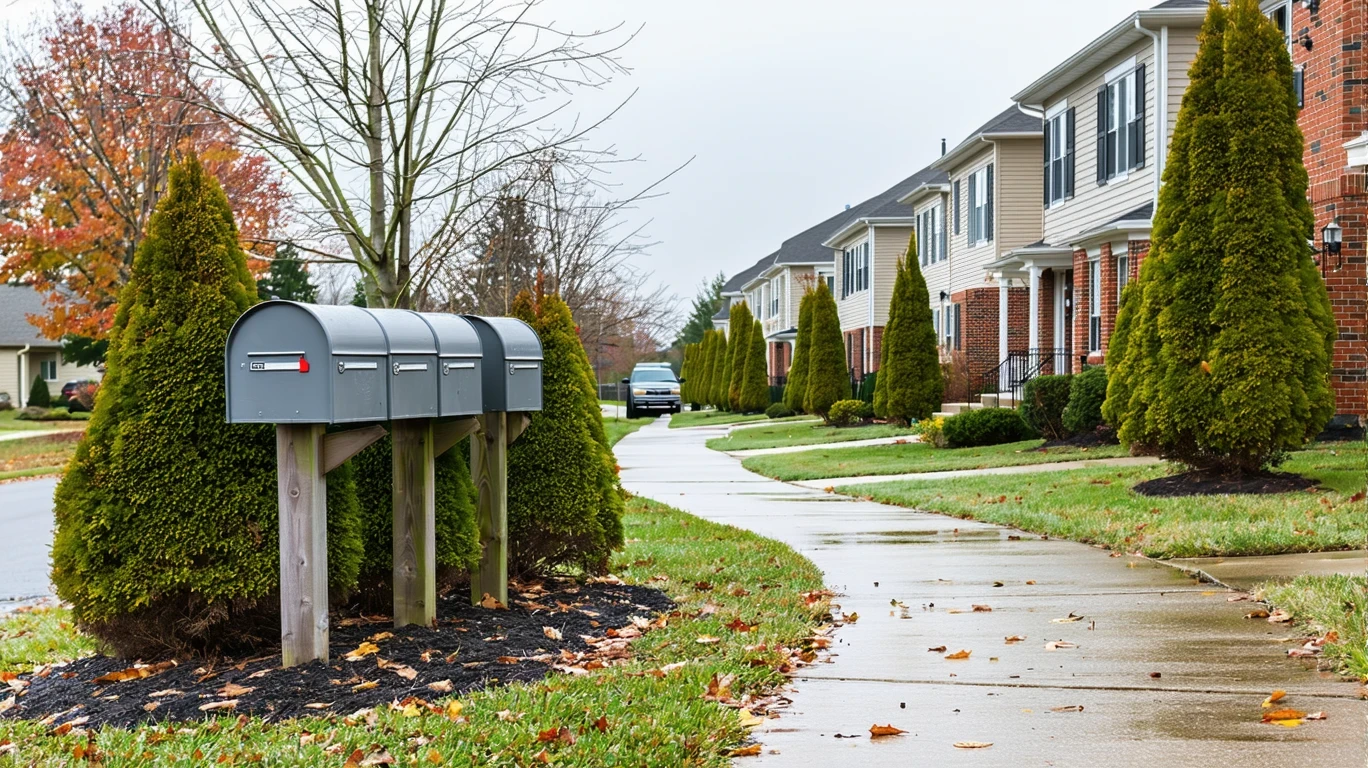
Grocery and everyday spending pressure in Arlington and Fairfax reflects access density more than price differences. Both cities sit in the same regional price parity zone, so staple costs—bread, eggs, milk, chicken—track closely. The real divergence shows up in how households navigate grocery runs, dining out, and convenience spending. Arlington’s broadly accessible food and grocery infrastructure means shorter trips, more walkable errands, and denser competition among stores. Fairfax’s more spread-out retail corridors require more intentional planning, longer drives, and fewer spontaneous options within walking distance.
For single adults and couples, Arlington’s density reduces friction. Grabbing groceries on the way home from the Metro, picking up coffee without a dedicated car trip, or hitting a corner market for last-minute items becomes routine. This convenience can cut transportation costs tied to errands but may increase spending on prepared foods, takeout, and premium grocery options clustered in walkable neighborhoods. Fairfax households typically drive to larger grocery stores, which can mean better bulk pricing and big-box access, but every trip requires a car, time, and fuel. The tradeoff isn’t price per pound—it’s how much planning, driving, and time each grocery strategy demands.
Families managing larger volumes feel this difference more acutely. In Arlington, fitting a week’s groceries into a walkable trip or small car becomes a logistical puzzle, and many families end up making multiple smaller trips or relying on delivery services that add cost. Fairfax’s car-oriented retail corridors and larger parking lots make bulk shopping easier, and families with storage space can stock up less frequently. Dining out follows similar logic: Arlington’s restaurant density makes frequent takeout and casual dining more accessible, which can quietly inflate monthly food spending. Fairfax offers fewer walkable dining clusters, so eating out requires more intentionality, which can reduce frequency and total spending—or simply shift it to chain restaurants along commuter routes.
Convenience spending creep—coffee shops, quick lunches, impulse snacks—tends to run higher in Arlington because access is frictionless. Fairfax households face more natural barriers to spontaneous spending simply because fewer options sit within easy reach. Neither city forces high grocery costs, but Arlington’s density makes convenience spending easier to slip into, while Fairfax’s layout rewards planning and bulk strategies that require more time and car dependence.
Grocery and daily expenses takeaway: Arlington’s dense, walkable food access reduces transportation friction but can increase convenience spending and reliance on smaller, pricier grocery trips. Fairfax’s car-dependent retail corridors support bulk shopping and lower spontaneous spending but require more driving, planning, and time. Single adults and couples prioritizing walkability and convenience fit Arlington’s model; families managing larger volumes and tolerating car-dependent errands find Fairfax’s structure more practical, even as transportation costs rise.
Taxes and Fees
Tax and fee structures in Arlington and Fairfax share regional similarities but diverge in how they interact with housing type and household tenure. Both cities rely heavily on property taxes to fund schools, infrastructure, and services, but the assessed value gap between Arlington’s $833,300 median home and Fairfax’s $649,600 median translates directly into different annual property tax obligations for homeowners. Arlington homeowners absorb higher assessments tied to transit proximity and denser development, while Fairfax homeowners benefit from lower entry values but still face significant tax burdens relative to income.
Renters don’t pay property taxes directly, but landlords pass those costs through in rent. Arlington’s higher property values mean landlords face steeper tax bills, which contributes to the $2,227 per month median rent. Fairfax landlords operate with lower assessed values, helping keep the $1,972 per month median more accessible. For renters planning to stay several years, this difference compounds—Arlington’s rent reflects not just housing demand but also the tax burden tied to high-value urban real estate.
Recurring fees add another layer. Arlington’s denser, mixed-use neighborhoods often include condo or HOA fees that bundle services like trash, water, landscaping, and building maintenance. These fees increase predictability but reduce flexibility—households pay whether they use the amenities or not. Fairfax’s single-family dominance means fewer mandatory HOA fees in many neighborhoods, but households shoulder direct responsibility for trash collection, water bills, and yard upkeep. The cost may be lower, but it’s more variable and requires more active management.
Sales taxes and consumption-based fees track closely across both cities, so the primary difference remains property tax exposure and how fees are structured. Homeowners planning to stay long-term in Arlington face higher ongoing tax obligations but gain access to transit, schools, and urban infrastructure that may reduce other costs. Fairfax homeowners pay less in property taxes but may spend more on transportation, home maintenance, and services that aren’t bundled. Renters in Arlington pay indirectly for high property taxes through rent; Fairfax renters gain some relief but inherit more variable utility and service costs.
Taxes and fees takeaway: Arlington homeowners face higher property tax exposure tied to elevated home values and urban density, but gain bundled services and infrastructure that reduce other friction. Fairfax homeowners benefit from lower assessed values and tax bills but shoulder more direct responsibility for services and maintenance. Renters in Arlington absorb property tax costs through higher rent; Fairfax renters see lower rent but more variable fees. Long-term homeowners in Arlington pay more in taxes but gain predictability; Fairfax homeowners trade lower taxes for more variable service costs.
Transportation & Commute Reality
Transportation costs and commute friction separate Arlington and Fairfax more sharply than any other category. Arlington’s rail transit presence and high pedestrian-to-road ratio mean many households can function without a car for daily commutes and errands. The average commute sits at 27 minutes, and the infrastructure supports shorter, more predictable trips via Metro, bus, or bike. Fairfax’s 28 minutes average commute looks similar on paper, but the 51.0% long commute percentage—compared to Arlington’s 45.9%—signals more households stretching into 45-minute-plus drives. Without comparable rail access, Fairfax households rely almost entirely on cars, which shifts transportation from a line item into a non-negotiable fixed cost.
Gas prices sit at $2.87/gal in both cities, but exposure differs by commute mode and frequency. Arlington’s 5.6% work-from-home rate is lower than Fairfax’s 7.8%, but the transit infrastructure means fewer Arlington households drive solo every day. Fairfax’s higher work-from-home rate provides some relief, but the majority of workers still commute by car, and longer distances mean more fuel consumption, more wear on vehicles, and more time lost to traffic variability. A Fairfax household driving 25 miles round trip five days a week faces different exposure than an Arlington household walking to Metro three days a week and working remotely two.
Car dependence also affects household logistics beyond commuting. In Arlington, running errands, getting groceries, or reaching healthcare without a car is feasible in many neighborhoods. Fairfax households need a car for nearly every trip, which means higher insurance costs, more maintenance, and the opportunity cost of time spent driving. For single adults or couples, this can mean choosing between car ownership and relying on ride-sharing or delivery services—both expensive in different ways. For families, car dependence is non-negotiable in Fairfax, often requiring two vehicles where one might suffice in Arlington.
Transit viability isn’t just about cost—it’s about time predictability and schedule flexibility. Arlington’s rail and bus network allows households to avoid traffic variability and parking friction. Fairfax households face more exposure to traffic delays, parking costs in D.C., and the cognitive load of planning every trip around a car. The time cost compounds over months and years, especially for households managing school drop-offs, daycare pickups, and evening activities.
Transportation takeaway: Arlington’s rail transit and walkable infrastructure reduce car dependence, allowing some households to avoid vehicle ownership or limit driving to occasional trips. Fairfax’s car-oriented layout makes vehicle ownership non-negotiable for most households, increasing fuel, insurance, and maintenance exposure. Households prioritizing shorter commutes and transit flexibility fit Arlington’s model; those tolerating longer drives and car dependence in exchange for lower housing costs find Fairfax more viable, even as transportation obligations rise.
Cost Structure Comparison
Housing pressure concentrates differently in Arlington and Fairfax, and that difference ripples through every other cost category. Arlington front-loads cost into housing—higher rent, higher home values, higher property taxes—but delivers infrastructure that reduces transportation friction, moderates utility volatility, and makes daily errands less car-dependent. Fairfax lowers the housing entry barrier but shifts cost into transportation, larger home footprints, and the time and fuel required to manage a car-dependent lifestyle. Neither city is universally cheaper; the better fit depends entirely on which costs a household can absorb and which create unsustainable pressure.
For renters, Arlington’s $2,227 per month median rent buys access to transit, walkability, and dense grocery and service options that reduce the need for a car. Fairfax’s $1,972 per month median rent offers more space and lower upfront housing costs, but assumes car ownership, longer commutes, and more driving for every errand. A single adult or couple prioritizing short commutes and walkable neighborhoods may find Arlington’s rent premium offset by lower transportation costs and time savings. A family needing three bedrooms and a yard will struggle to find that in Arlington’s vertical housing stock at any price, making Fairfax’s lower rent and single-family inventory the only practical option.
Utilities introduce more volatility in Fairfax due to larger, older single-family homes that drive higher heating and cooling exposure. Arlington’s multifamily dominance and newer construction moderate seasonal swings, keeping bills more predictable. Grocery and daily expenses follow access patterns: Arlington’s density reduces transportation friction but increases convenience spending; Fairfax’s car-dependent retail rewards bulk shopping but requires more planning and driving. Taxes and fees hit Arlington homeowners harder due to higher assessed values, but bundled services and infrastructure reduce other friction. Fairfax homeowners pay less in property taxes but shoulder more direct responsibility for maintenance and services.
Transportation patterns matter more in Fairfax, where car dependence is non-negotiable and longer commutes are common. Arlington households can reduce or eliminate car ownership in many neighborhoods, cutting insurance, fuel, and maintenance costs while gaining time and schedule flexibility. The tradeoff is higher housing costs and less space. Fairfax households gain space and lower housing entry costs but inherit higher transportation exposure and the time burden of managing a car-dependent lifestyle.
The decision isn’t about which city costs less—it’s about where cost pressure shows up and whether a household can absorb it. Households sensitive to housing entry costs and needing space may find Fairfax’s structure more sustainable, even as transportation and utility costs rise. Households prioritizing transit access, walkability, and predictable monthly costs may find Arlington’s higher rent or mortgage payments offset by lower transportation friction and time savings. For families, the choice often comes down to school access, housing form, and whether the household can function with one car instead of two. For single adults and couples, it’s about commute tolerance, lifestyle priorities, and whether walkability or space matters more.
How the Same Income Feels in Arlington vs Fairfax
Single Adult
Housing becomes the first non-negotiable cost, and in Arlington that means absorbing $2,227 per month median rent for access to transit and walkability. Flexibility exists in transportation—many single adults in Arlington avoid car ownership entirely, cutting insurance and fuel costs while gaining time. In Fairfax, rent drops to $1,972 per month, but car ownership becomes mandatory, shifting savings into fuel, insurance, and the time cost of longer commutes. Commute friction and car dependence determine whether the housing cost difference creates breathing room or just redistributes pressure.
Dual-Income Couple
Non-negotiable costs expand to include two commutes, and in Arlington that often means two Metro passes or one car shared strategically. Flexibility shows up in housing choice—couples can access Arlington’s denser inventory or stretch into Fairfax’s single-family market depending on space priorities. In Fairfax, two cars often become necessary, doubling transportation exposure but allowing access to larger homes and lower entry costs. The role of commute friction grows: if both partners work in D.C., Arlington’s transit access saves hours per week; if one or both work in suburban office parks, Fairfax’s car-oriented layout reduces friction.
Family with Kids
What costs become non-negotiable first: housing form and school access dominate, and in Arlington that means competing for limited three-bedroom inventory in a vertical, transit-oriented market. Flexibility disappears quickly—families need space, and Arlington’s housing stock offers less of it at higher cost. In Fairfax, single-family homes and lower entry costs make space accessible, but two cars become essential for managing school drop-offs, activities, and errands. The role of commute friction and car dependence shifts from individual inconvenience to household logistics complexity—every trip requires planning, and time costs compound across multiple schedules.
Decision Matrix: Which City Fits Which Household?
| Decision factor | If you’re sensitive to this… | Arlington tends to fit when… | Fairfax tends to fit when… |
|---|---|---|---|
| Housing entry + space needs | You need lower upfront costs or more square footage | You prioritize transit access and walkability over space and can absorb higher rent or mortgage payments | You need three bedrooms, a yard, or single-family housing and can tolerate higher transportation costs |
| Transportation dependence + commute friction | You want to avoid car ownership or minimize driving time | You work in D.C., value rail transit, and can structure errands around walkable neighborhoods | You work in suburban office parks, already own a car, and tolerate longer commutes for lower housing costs |
| Utility variability + home size exposure | You want predictable monthly bills and minimal seasonal swings | You live in multifamily housing with shared walls and newer construction that moderates heating and cooling exposure | You need space and accept higher seasonal utility volatility tied to larger, older single-family homes |
| Grocery strategy + convenience spending creep | You want walkable errands or bulk shopping without frequent car trips | You value walkable grocery access and accept higher convenience spending in exchange for reduced driving | You prefer bulk shopping, have storage space, and can plan grocery trips around car-dependent retail corridors |
| Fees + friction costs (HOA, services, upkeep) | You want bundled services or prefer direct control over maintenance | You accept higher HOA or condo fees in exchange for predictable, managed services and lower direct maintenance responsibility | You prefer lower mandatory fees and can manage variable costs like trash, water, and yard upkeep directly |
| Time budget (schedule flexibility, errands, logistics) | You want to minimize time spent driving and managing household logistics | You prioritize short commutes, walkable errands, and transit flexibility that reduce time friction | You can absorb longer commutes and car-dependent logistics in exchange for more space and lower housing entry costs |
Lifestyle Fit
Arlington and Fairfax offer fundamentally different lifestyle infrastructures that indirectly shape costs and daily friction. Arlington’s rail transit presence, high pedestrian-to-road ratio, and broadly accessible food and grocery density mean households can structure routines around walking, biking, and Metro trips. Integrated parks and water features provide outdoor access without requiring a car, and the more vertical building form concentrates amenities within shorter distances. This infrastructure reduces transportation costs for households that can function without a car, but it also means less space, higher density, and fewer single-family housing options. Families with young children benefit from strong school and playground infrastructure, but finding a three-bedroom home with a yard requires either stretching budgets or compromising on location.
Fairfax spreads out with more single-family housing, larger lots, and car-oriented retail corridors. Without comparable rail transit or walkable density, households depend on cars for commuting, errands, and accessing parks or recreation. This layout increases transportation costs and time spent driving, but it delivers more space, quieter streets, and housing stock that fits larger families. The 28-minute average commute looks similar to Arlington’s 27 minutes, but the 51.0% long commute percentage signals more households pushing past 45 minutes, often to reach jobs in D.C. or other Northern Virginia employment centers. For families prioritizing space and school access over walkability, Fairfax’s layout makes daily life more manageable, even as car dependence and fuel costs rise.
Culture and recreation access also diverge. Arlington’s mixed land use and dense restaurant and retail corridors support spontaneous outings, walkable nightlife, and frequent dining out—all of which can quietly inflate monthly spending. Fairfax’s more spread-out layout requires intentional planning for entertainment and dining, which can reduce frequency and total spending but also limits spontaneity. Both cities offer strong school systems and family amenities, but Arlington’s vertical density and transit orientation appeal more to young professionals and couples, while Fairfax’s single-family dominance and space attract families willing to trade walkability for square footage.
Quick facts: Arlington’s integrated park density and water features provide outdoor access within walking distance for many households, reducing the need for weekend car trips to reach green space. Fairfax’s lower work-from-home percentage (7.8% vs. Arlington’s 5.6%) suggests slightly more schedule flexibility, but the car-dependent layout means remote work doesn’t eliminate transportation costs as effectively as it does in transit-rich Arlington.
Frequently Asked Questions
Is Arlington or Fairfax more affordable for renters in 2026?
Fairfax offers lower median rent at $1,972 per month compared to Arlington’s $2,227 per month, but affordability depends on whether a household can function without a car. Arlington renters in walkable, transit-oriented neighborhoods may avoid car ownership entirely, cutting insurance, fuel, and maintenance costs that offset higher rent. Fairfax renters gain lower upfront housing costs but typically need a car for commuting and errands, which shifts savings into transportation exposure. The better fit depends on whether a household prioritizes lower rent or lower transportation friction.
How do commute costs differ between Arlington and Fairfax in 2026?
Arlington’s rail transit and walkable infrastructure allow many households to commute via Metro, bus, or bike, reducing or eliminating car dependence. Fairfax’s car-oriented layout makes vehicle ownership non-negotiable for most households, and the 51.0% long commute percentage means more residents face 45-minute-plus drives. Gas prices sit at $2.87/gal in both cities, but Fairfax households drive more frequently and cover longer distances, increasing fuel, insurance, and maintenance exposure. Arlington households prioritizing transit access and shorter commutes see lower transportation costs; Fairfax households tolerating longer drives in exchange for lower housing costs face higher ongoing transportation obligations.
Which city has lower utility bills, Arlington or Fairfax, in 2026?
Both cities face identical electricity rates at 16.36¢/kWh and natural gas prices at $20.71/MCF, but household exposure differs by housing type. Arlington’s multifamily dominance and more vertical building form moderate seasonal heating and cooling costs through shared walls and smaller footprints. Fairfax’s single-family housing stock, often older and larger, drives higher baseline usage and more volatile seasonal bills. Households in Arlington apartments or condos typically see more predictable, lower utility costs; Fairfax households in standalone homes face higher exposure, especially during hot summers and cold winters.
Do property taxes cost more in Arlington or Fairfax in 2026?
Arlington homeowners face higher property tax exposure due to the $833,300 median home value compared to Fairfax’s $649,600 median. Higher assessed values translate directly into larger annual tax bills, which landlords pass through to renters in the form of higher rent. Fairfax homeowners benefit from lower assessed values and correspondingly lower property taxes, but they shoulder more direct responsibility for services like trash, water, and yard maintenance that may be bundled into HOA fees in Arlington. Long-term homeowners in Arlington pay