
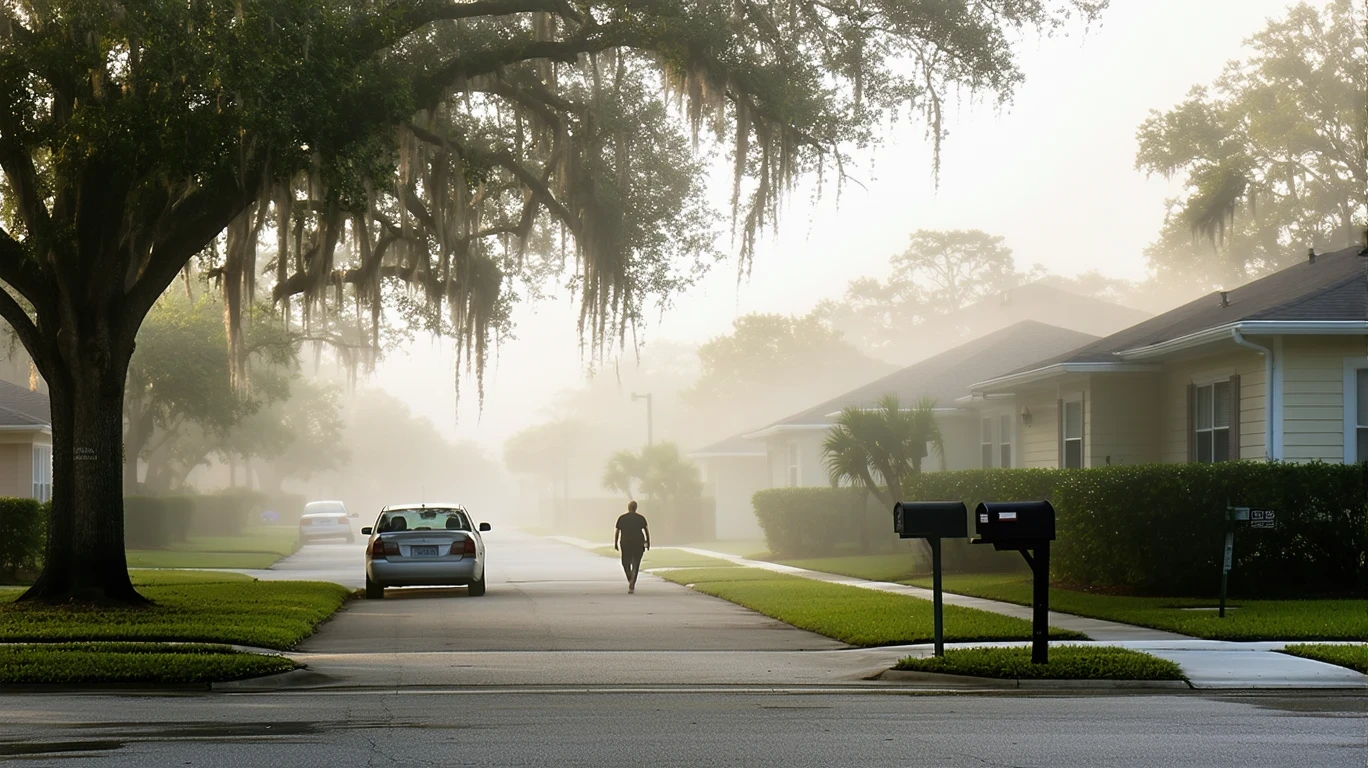
Apartment vs House in Miami Gardens — Monthly Cost Comparison
| Expense Category | Apartment | House |
|---|---|---|
| Base Housing Cost | $1,583/month median rent | Mortgage varies by down payment and rate; median home value $299,700 |
| Cooling Exposure | Landlord may control system age; tenant pays usage at 15.92¢/kWh | Owner controls equipment but absorbs replacement cost; extended tropical cooling season drives high consumption |
| Storm Preparation & Recovery | Structural responsibility rests with landlord; tenant manages interior belongings | Owner bears full cost of hurricane shutters, roof integrity, and post-storm repairs |
| Property Tax | Embedded in rent, invisible to tenant | Direct annual obligation; subject to reassessment and local levy changes |
| Insurance | Renters insurance covers contents only | Homeowners insurance in Florida coastal region carries elevated premiums and deductibles |
Why these categories? Miami Gardens sits in a tropical climate zone with extended heat and hurricane exposure, making cooling infrastructure and storm resilience central to housing cost behavior. The distinction between renting and owning here hinges less on size and more on who absorbs weather-driven volatility and long-term structural responsibility. Categories like landscaping or snow removal are omitted because they don’t meaningfully differentiate cost exposure in this market.
—
The Housing Market in Miami Gardens Today
Miami Gardens occupies a specific position within the Miami-Fort Lauderdale metro: it offers a median home value of $299,700, well below the coastal premiums of Miami Beach or Fort Lauderdale, but it carries the same tropical climate exposure and infrastructure demands. This is a car-dependent city where most residents face long commutes—60.4% experience extended travel times—and where daily errands require deliberate planning. Food and grocery establishment density falls below typical thresholds, meaning [housing tradeoffs](/miami-gardens-fl/cost-overview/) often include proximity to work or access to shopping, but rarely both without a vehicle.
What newcomers often misunderstand is that the lower entry price compared to coastal metros doesn’t eliminate Florida-specific ownership costs. Storm preparation, elevated insurance premiums, and year-round air conditioning usage create ongoing financial exposure that doesn’t scale down with home value. The market here rewards buyers who can absorb volatility and renters who prioritize flexibility over equity, but neither group escapes the structural realities of living in a subtropical, car-oriented city with limited walkable infrastructure.
—
Renting in Miami Gardens
The median gross rent in Miami Gardens is $1,583 per month, a figure that reflects both the city’s position as a suburban alternative to higher-cost coastal areas and the baseline costs of maintaining rental housing in a climate that stresses building systems year-round. Renters here face predictable monthly obligations but limited control over the variables that drive comfort and cost: landlords determine AC system age and efficiency, insulation quality, and responsiveness to storm damage. In a city where cooling isn’t seasonal but continuous, the gap between a well-maintained unit and a neglected one shows up directly in electricity bills.
Rental availability in Miami Gardens tends to cluster along major corridors rather than distribute evenly, a pattern reinforced by the city’s mixed pedestrian infrastructure and sparse daily errands accessibility. This means renters often choose between proximity to work, proximity to grocery options, or lower rent—but securing all three requires either luck or compromise. The rail transit presence offers some relief for commuters willing to orient their housing search around station access, but the majority of renters still depend on cars for both commuting and household errands.
For renters, the advantage here is insulation from Florida’s volatile homeownership costs—insurance spikes, tax reassessments, and hurricane repair bills remain the landlord’s problem. The tradeoff is that rent renewals can absorb those same pressures indirectly, and tenants build no equity while navigating a market where car dependency and infrastructure gaps add friction to daily life.
—
Owning a Home in Miami Gardens
Owning a home in Miami Gardens means taking on direct responsibility for the costs that renters avoid: property taxes, homeowners insurance, storm preparation, and the long-term maintenance demands of a structure exposed to heat, humidity, and hurricane risk. The median home value of $299,700 makes entry more accessible than in coastal Miami-Dade markets, but the ongoing cost profile doesn’t shrink proportionally. Florida homeowners insurance premiums reflect statewide exposure to catastrophic weather, and deductibles for hurricane damage often run into thousands of dollars. Property taxes, while not provided in the dataset, are levied annually and subject to reassessment as the market shifts.
Beyond the predictable obligations, ownership in Miami Gardens involves managing systems that work harder and fail faster than in temperate climates. Air conditioning units run nearly year-round, roofs endure intense sun and seasonal storms, and exterior surfaces degrade more quickly under humidity and salt air. Owners also navigate homeowners association rules where applicable, which can bundle services but also impose fees and restrict autonomy over property modifications.
The structural advantage of ownership is control: you choose when to replace the AC, how to reinforce windows, and whether to invest in storm shutters or backup power. You also capture equity as the market appreciates, a meaningful offset to the volatility of ongoing costs. But that control comes with exposure—when the roof fails or insurance premiums double, there’s no landlord to absorb the shock.
—
Utilities & Upkeep Differences
Utility and maintenance exposure in Miami Gardens is shaped by two forces: the tropical climate and the age and type of housing stock. Electricity costs 15.92¢ per kilowatt-hour, a rate that matters more here than in temperate markets because cooling isn’t optional or seasonal—it’s a baseline household expense from March through November, and often beyond. Apartment renters typically pay their own electric bills but rely on landlords to maintain efficient HVAC systems, while homeowners control equipment choices but bear the full cost of replacement when a unit fails under continuous use.
Natural gas, priced at $23.62 per thousand cubic feet, plays a minimal role in Miami Gardens households compared to northern climates. Heating demand is rare, and most homes use electric systems for water heating and cooking. This simplifies the utility profile but concentrates cost exposure on a single vector: electricity. For homeowners, this makes energy efficiency upgrades—better insulation, modern AC units, reflective roofing—more impactful than in mixed-climate cities, though the upfront investment remains a barrier.
Maintenance costs diverge sharply between apartments and houses not because houses are larger, but because they expose owners to systems that apartments bundle or defer. Roof replacement, exterior painting, and storm shutter installation are owner-only obligations. Landscaping in a climate with year-round growth requires continuous attention, and pest control is a recurring need rather than an occasional expense. Apartment dwellers avoid these line items entirely, though they may indirectly fund them through rent.
—
Rent vs Buy: Long-Term Exposure in Miami Gardens
The decision between renting and buying in Miami Gardens isn’t primarily about monthly payment size—it’s about which risks you’re willing to own. Renters face the possibility that lease renewals will absorb market pressures, insurance hikes, or tax increases indirectly, but they retain the ability to relocate without transaction costs or market timing risk. Owners lock in a mortgage payment (if financed at a fixed rate) but accept direct exposure to Florida’s volatile insurance market, unpredictable storm repair costs, and the ongoing demands of maintaining a structure in a climate that accelerates wear.
Over time, ownership in Miami Gardens builds equity as mortgage principal is paid down and as the property appreciates, assuming the market cooperates. That equity represents forced savings and a hedge against rent inflation, but it’s illiquid and comes with opportunity cost—the capital tied up in a down payment and the cash reserves needed for maintenance and emergency repairs. Renters avoid that lock-in and preserve flexibility, which matters in a city where 60.4% of workers face long commutes and where job changes might make current housing location untenable.
The structural difference is predictability versus control. Renters experience smoother monthly costs but no influence over the quality of systems that determine comfort and utility bills. Owners face lumpier expenses—a new AC unit, a roof repair, a jump in insurance premiums—but can mitigate some of those costs through proactive investment and system upgrades. Neither path eliminates exposure to Miami Gardens’s climate and infrastructure realities; they just allocate that exposure differently.
—
How Place Structure Shapes Housing Decisions in Miami Gardens
In Miami Gardens, the way the city is built directly affects how people experience housing costs, regardless of whether they rent or own. The sparse accessibility of food and grocery establishments means that most households rely on cars for daily errands, which adds a hidden cost layer to any housing decision: you’re not just paying for shelter, you’re also funding the transportation infrastructure required to make that shelter functional. Even with rail transit present, the mixed pedestrian infrastructure and corridor-clustered commercial development mean that walkable convenience is the exception, not the rule.
For families, the strong school density creates a meaningful advantage—educational infrastructure is accessible without requiring long drives—but the limited grocery and food establishment density means that running a household still involves regular car trips and advance planning. This structure favors buyers who can afford to optimize location for both school access and shopping proximity, but it penalizes renters with less choice over where they land. The result is that housing costs in Miami Gardens can’t be evaluated in isolation; they’re tightly coupled to transportation costs and the time burden of managing daily logistics in a car-dependent environment.
Homebuyers who understand this dynamic often prioritize properties near the intersection of school zones and commercial corridors, accepting higher purchase prices in exchange for reduced friction in daily life. Renters, meanwhile, face a tradeoff: lower rent often comes with greater distance from both work and errands, which increases fuel costs and commute time. The city’s infrastructure doesn’t penalize housing decisions uniformly—it rewards those who can pay for location and plan around gaps, and it extracts time and money from those who can’t.
How this article was built: In addition to public economic data, this article incorporates location-based experiential signals derived from anonymized geographic patterns—such as access density, walkability, and land-use mix—to reflect how day-to-day living actually feels in Miami Gardens, FL.
—
FAQs About Housing Costs in Miami Gardens
Is it cheaper to rent or buy in Miami Gardens?
The answer depends on how long you plan to stay and whether you can absorb ownership volatility. Renting at $1,583 per month offers predictability and flexibility, while buying at a median home value of $299,700 builds equity but exposes you to Florida’s elevated insurance costs, storm repair risk, and ongoing maintenance in a tropical climate. Neither option is universally cheaper—they allocate cost and risk differently.
How does Miami Gardens compare to other parts of the Miami metro for housing costs?
Miami Gardens offers a lower entry point than coastal Miami-Dade or Fort Lauderdale markets, but it doesn’t eliminate the cost pressures common across South Florida: high insurance premiums, year-round cooling expenses, and car dependency. The tradeoff is affordability at the expense of walkable infrastructure and proximity to employment centers, which increases transportation costs and commute time for many residents.
What drives utility costs for homeowners in Miami Gardens?
Electricity is the dominant utility expense, driven by continuous air conditioning demand in a climate where cooling is necessary most of the year. At 15.92¢ per kilowatt-hour, the rate itself is moderate, but consumption is high. Homeowners control equipment efficiency but bear the cost of replacing aging HVAC systems, which can fail more quickly under constant use.
Does Miami Gardens have high property taxes or HOA fees?
Specific property tax rates and HOA fee prevalence are not available in the dataset, but Florida property taxes are levied annually and subject to reassessment. HOA fees, where applicable, vary widely depending on the community and the services provided. Buyers should verify both obligations before purchasing, as they represent ongoing costs that don’t shrink with home value.
How does hurricane risk affect housing costs in Miami Gardens?
Hurricane risk drives elevated homeowners insurance premiums and requires investment in storm preparation—shutters, reinforced roofing, and emergency supplies. Renters avoid direct responsibility for structural protection, but they still face displacement risk and the need to secure belongings. For owners, storm exposure is a recurring cost factor that doesn’t disappear in years without major hurricanes; it’s priced into insurance and maintenance planning continuously.
—
Making Housing Choices in Miami Gardens
Housing costs in Miami Gardens reflect a market where entry prices are accessible but ongoing exposure is shaped by Florida’s climate, infrastructure gaps, and car-dependent layout. Renters gain flexibility and avoid ownership volatility, but they build no equity and remain subject to lease renewal pressures. Buyers capture equity and control their living environment, but they absorb the full cost of insurance, taxes, storm preparation, and maintenance in a climate that accelerates wear on building systems.
The city’s structure—sparse daily errands accessibility, mixed pedestrian infrastructure, and strong school density—means that housing decisions can’t be separated from transportation and logistics planning. Families benefit from accessible schools but still need cars for groceries and errands. Commuters face long travel times unless they prioritize proximity to rail or major employment corridors. Both renters and owners navigate these tradeoffs, but ownership locks you into a location while renting preserves the option to relocate as circumstances change.
For a clearer picture of [where money goes](/miami-gardens-fl/monthly-budget/) each month beyond housing, or to understand how Miami Gardens’s overall cost structure compares to other markets, explore the related guides on this site. Housing is the largest line item for most households here, but it’s the interaction between housing location, transportation needs, and climate exposure that ultimately determines whether Miami Gardens fits your financial and lifestyle priorities.