
Is Plymouth the kind of place you grow roots—or just pass through? For many, the answer depends less on what Plymouth offers and more on what you need from a place. This Twin Cities suburb carries a reputation for quiet comfort, abundant green space, and a lifestyle built around planning rather than spontaneity. It’s a city where people tend to feel settled if they value outdoor access and don’t mind driving to get things done—and restless if they crave walkable errands or dense urban texture.
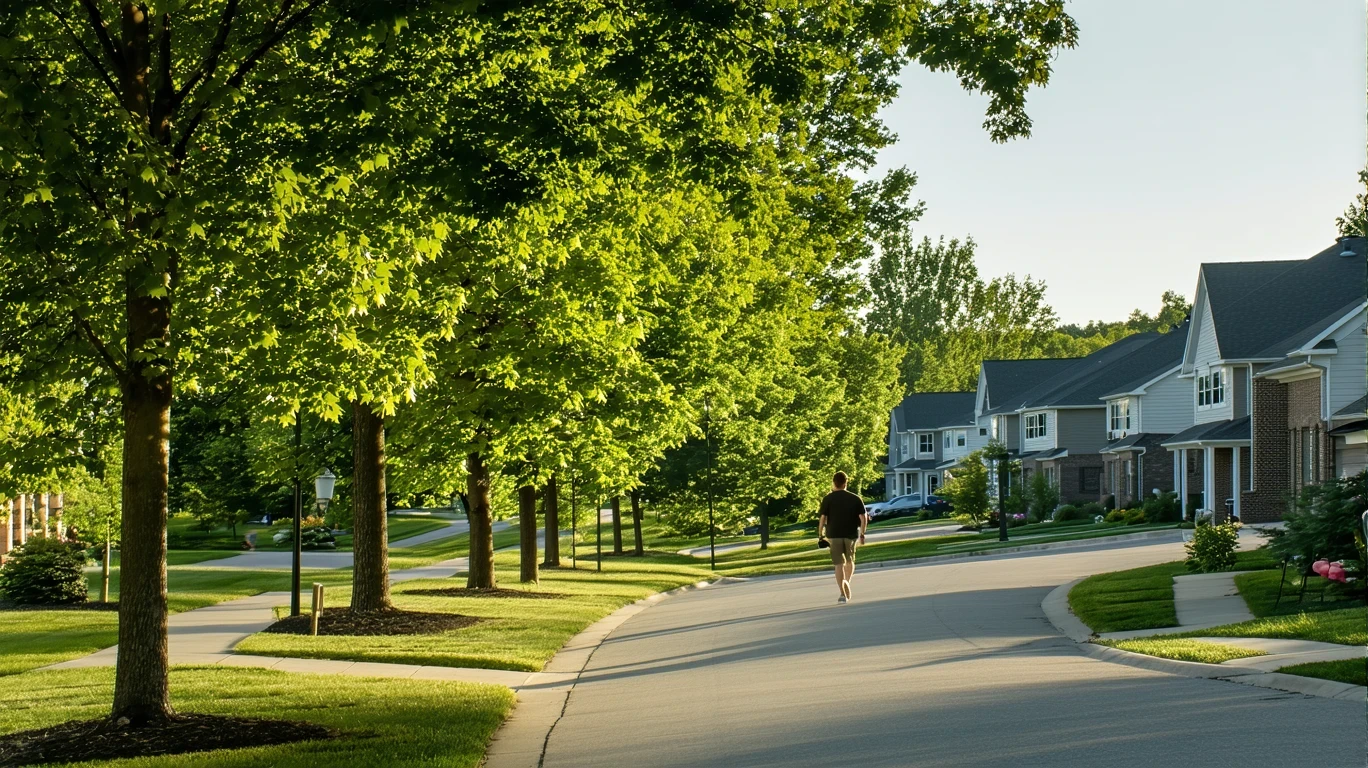
Plymouth’s emotional tone reflects a tradeoff many suburban communities navigate: space and calm versus convenience and variety. The parks are plentiful and well-kept, the bike infrastructure is notably strong for a suburb, and the neighborhoods feel orderly and safe. But daily life here requires a car for most tasks, and amenities cluster along commercial corridors rather than spreading evenly through residential streets. For households who see that as a feature—room to breathe, predictable rhythms—Plymouth delivers. For those who see it as a limitation, the friction shows up quickly.
What the Conversation Sounds Like
Public discussion around Plymouth tends to circle a few recurring themes: appreciation for outdoor space, mild frustration with errand logistics, and a protective pride in the city’s family-friendly reputation. On platforms like Reddit and local Facebook groups, residents often describe Plymouth as “exactly what we wanted” or “a little too quiet for us,” depending on life stage and expectations.
“We moved here for the trails and parks, and that part has been perfect. But I do miss being able to walk to a coffee shop or grab groceries without getting in the car every time.”
“It’s a great place to raise kids if you’re okay with driving them everywhere. The parks are fantastic, but don’t expect much within walking distance.”
“Plymouth feels safe and well-maintained, but it can feel a bit sterile. If you’re looking for character or spontaneous hangouts, you might feel like something’s missing.”
The tone is rarely harsh, but it’s often conditional. People who chose Plymouth for suburban predictability tend to feel validated. People who hoped for more neighborhood texture or walkable daily life tend to feel the gap.
How Local Coverage Frames the City
Local news and community outlets tend to frame Plymouth through the lens of growth management, amenity expansion, and quality-of-life preservation. Coverage often reflects tension between maintaining the suburb’s quiet character and accommodating new development or services. Headlines and story angles tend to cluster around a few timeless categories:
- “New Retail and Dining Options Arrive Along Major Corridors”
- “Residents Debate Density and Development Proposals”
- “Parks and Trails System Continues to Expand”
- “Commuters Weigh Transit Options and Drive Times”
- “Community Identity Evolves as Population Grows”
The framing is generally positive but cautious, reflecting a community that values what it has and worries about losing it. There’s pride in the parks, concern about traffic, and ongoing negotiation over what kind of growth fits Plymouth’s identity.
What Reviews and Public Perception Reveal
On platforms like Google Reviews, Yelp, and Nextdoor-style forums, Plymouth earns consistent praise for cleanliness, safety, and outdoor amenities—and consistent critique for car dependency and limited spontaneity. The pattern is clear: people who expected suburban comfort feel rewarded, and people who expected urban-style convenience feel let down.
Positive sentiment often highlights the trail system, the quality of parks, and the general sense of order. Families appreciate the playgrounds and open space, even if school access patterns require more planning than some anticipated. Cyclists note that Plymouth’s bike infrastructure stands out compared to many suburbs, making recreational rides and some commuting feasible.
Critiques tend to focus on day-to-day costs of car dependency—not just financial, but logistical. Errands require bundling and planning. Groceries, pharmacies, and dining cluster along commercial strips rather than integrating into neighborhoods. For households without flexibility or those managing multiple schedules, this creates friction.
Newer planned areas often feel more polished but less distinct, while older pockets carry more character but fewer modern amenities. The variation means that neighborhood choice matters more than city-level reputation alone.
How Plymouth Compares to Nearby Cities
| Dimension | Plymouth | Minnetonka | Maple Grove |
|---|---|---|---|
| Overall Vibe | Quiet, park-focused, car-oriented | Established, varied, slightly denser feel | Growing, family-oriented, commercial hubs |
| Walkability | Limited; errands require driving | Pockets of walkability, mixed overall | Mostly car-dependent, improving in spots |
| Outdoor Access | Excellent parks and trails | Strong lake and trail access | Good parks, expanding trail network |
| Transit Options | Bus service only | Bus service, closer to some express routes | Bus service, limited frequency |
| Community Tone | Protective, settled, family-focused | Established, slightly more diverse feel | Energetic, growth-oriented, newer |
Plymouth sits comfortably in the middle of the western Twin Cities suburban spectrum. It’s quieter and more park-focused than Maple Grove, which leans into commercial growth and newer development. It’s less varied and slightly more car-dependent than Minnetonka, which has more established pockets and slightly better proximity to express transit. If you prioritize outdoor space and don’t mind driving, Plymouth delivers. If you want more walkable texture or transit flexibility, Minnetonka might feel less limiting. If you prefer newer construction and don’t mind a bit more commercial energy, Maple Grove could be a better match.
Voices from Different Perspectives
“We love it here. The parks are incredible, the neighborhoods feel safe, and it’s easy to get to Minneapolis when we want to. But yeah, you need a car for everything.”
“I thought I’d adjust to the driving, but it wears on me. I miss being able to walk to a bakery or sit at a café without planning it like an event.”
“Plymouth is perfect if you have kids and want space. The trails are great for biking as a family. Just know that school access isn’t as dense as we expected—we drive more than we thought we would.”
“It’s quiet, maybe too quiet. If you’re looking for nightlife or spontaneous hangouts, this isn’t it. But if you want predictability and calm, it works.”
“I work from home, and Plymouth has been great for that. I can bike for exercise, the parks are never crowded, and I don’t feel like I’m missing much day-to-day.”
“We moved from Minneapolis and it’s been an adjustment. The space is nice, but I underestimated how much I’d miss being able to walk places. Everything here is a drive.”
“Long-time resident here. Plymouth has changed a lot, but it’s still a good place to live if you value outdoor access and don’t need urban amenities on your block.”
Living Here: How It Actually Feels
Plymouth’s structure shapes daily life in specific ways. Because food and grocery options cluster along corridors rather than spreading through neighborhoods, errands require intentional trips rather than quick stops. For households managing multiple schedules—school pickups, activities, work commutes—this adds a layer of coordination that some find manageable and others find exhausting.
The city’s notable bike infrastructure offers a real alternative for recreation and some commuting, especially for those comfortable riding longer distances. The parks are genuinely integrated into the landscape, not just amenities on a map. Water features and green space show up frequently enough that outdoor access feels like a given, not a luxury.
But the pedestrian-to-road ratio sits in the middle band, meaning that while some walking infrastructure exists, it doesn’t create a walkable daily rhythm for most residents. The bus service is present and reliable for those who use it, but the lack of rail transit limits flexibility for commuters who don’t want to drive. For families, the lower school density means that proximity to a preferred school isn’t guaranteed—housing tradeoffs often involve weighing neighborhood feel against school access.
Does Plymouth Feel Like a Good Fit?
Plymouth works best for households who see suburban structure as an advantage: families who want outdoor space and safe streets, professionals with flexible schedules or short commutes, and cyclists who value infrastructure. It tends to frustrate people who need walkable errands, transit-dependent commuters, and those who crave spontaneous neighborhood life.
The city doesn’t try to be something it’s not. It’s not urban, it’s not dense, and it’s not designed for car-free living. But for people who want parks, trails, and a predictable suburban rhythm—and who don’t mind driving to get things done—Plymouth delivers exactly what it promises. The question isn’t whether it’s a happy place. The question is whether its tradeoffs match what you need from a place to call home.
If you’re still weighing whether Plymouth fits your life, consider exploring income pressure and lifestyle stability to understand how household economics shape day-to-day experience here.
How this article was built: In addition to public economic data, this article incorporates location-based experiential signals derived from anonymized geographic patterns—such as access density, walkability, and land-use mix—to reflect how day-to-day living actually feels in Plymouth, MN.
The perspectives shown reflect commonly expressed local sentiment and recurring themes in public discussion, rather than individual accounts.