

Upper Arlington and Dublin sit just northwest of Columbus, sharing the same metro economy, the same utility providers, and the same regional job market. Yet the two cities structure cost pressure differently—not because one is universally cheaper, but because housing entry points, mobility infrastructure, healthcare access, and daily errands friction diverge in ways that matter intensely to specific households in 2026. Families weighing school access against commute time, professionals comparing walkability to cycling infrastructure, and retirees evaluating healthcare proximity all face distinct tradeoffs depending on which costs dominate their day-to-day reality.
This comparison explains where cost pressure concentrates in each city, how the same gross income feels different depending on housing type and transportation dependence, and which households find better structural fit in Upper Arlington versus Dublin. The decision isn’t about total affordability—it’s about which cost mechanisms align with your household’s non-negotiable needs and which trade-offs you can absorb without destabilizing your budget or schedule.
Both cities reflect the broader Columbus metro’s moderate cost environment, but the texture of daily living—how you move, where you shop, what healthcare feels accessible—shapes financial experience as much as any single price point.
Housing Costs
Upper Arlington’s median home value sits at $526,800, while Dublin’s reaches $478,400. That difference reverses the intuitive assumption: Upper Arlington presents a higher entry barrier for buyers, not Dublin. For households prioritizing homeownership, Dublin offers a structurally lower purchase threshold, which matters intensely for first-time buyers managing down payment accumulation, closing costs, and early-year mortgage obligations. The gap isn’t trivial when translated into financing requirements, though it doesn’t necessarily predict ongoing cost pressure once ownership is established.
Rental markets flip the pattern. Upper Arlington’s median gross rent stands at $1,423 per month, while Dublin’s reaches $1,541 per month. Renters face higher ongoing obligations in Dublin, and that difference compounds over lease renewals, particularly for households sensitive to rent volatility or those planning to rent long-term while building savings. The rental premium in Dublin may reflect newer construction, different unit mixes, or demand tied to specific amenities, but the result is the same: renters experience more predictable cost exposure in Upper Arlington, while Dublin renters absorb higher baseline obligations.
Housing stock differences also shape cost behavior beyond these median figures. Older homes in Upper Arlington may carry lower purchase prices in some neighborhoods but introduce maintenance unpredictability and higher utility exposure due to insulation, HVAC age, and window efficiency. Dublin’s housing stock skews newer in many areas, which can reduce immediate maintenance friction but may come with HOA fees, special assessments, or landscaping requirements that shift cost pressure from repair budgets to recurring fees. Single-family homeowners in Upper Arlington often manage more direct control over upkeep timing and scope, while Dublin homeowners in planned communities may face less flexibility but more predictable fee structures.
| Housing Type | Upper Arlington | Dublin |
|---|---|---|
| Median Home Value | $526,800 | $478,400 |
| Median Gross Rent | $1,423/month | $1,541/month |
| Entry Barrier (Ownership) | Higher purchase threshold | Lower purchase threshold |
| Ongoing Rental Obligation | Lower baseline rent | Higher baseline rent |
For renters, Upper Arlington offers lower month-to-month exposure, which matters for single adults, early-career professionals, or households prioritizing cash flow flexibility over ownership timelines. For buyers, Dublin’s lower median home value reduces the financing hurdle, making it more accessible for families ready to purchase but constrained by down payment or debt-to-income ratios. First-time buyers often find Dublin’s entry point more manageable, while renters building savings or testing neighborhood fit before committing to purchase may prefer Upper Arlington’s rental cost structure.
The housing decision hinges on whether your household is more exposed to entry barriers (favoring Dublin for ownership) or ongoing rental obligations (favoring Upper Arlington for renters). Families planning to buy within two years face different pressure than professionals renting indefinitely, and the structural difference between these cities rewards clarity about your housing timeline and savings capacity.
Utilities and Energy Costs
Both Upper Arlington and Dublin share identical electricity rates at 17.59¢ per kWh and natural gas prices at $11.03 per MCF, reflecting their position within the same regional utility service territory. Cost differences don’t emerge from rate structures—they emerge from how housing stock, home size, and seasonal usage patterns interact with those rates. Older homes in Upper Arlington with original windows, aging HVAC systems, or minimal insulation upgrades drive higher consumption during heating and cooling months, even when occupants maintain identical thermostat settings to neighbors in newer Dublin construction.
Summer cooling dominates utility exposure in both cities due to Ohio’s warm, humid summers, but the intensity varies by home age and square footage. Single-family homes in Upper Arlington built before modern efficiency standards often require more runtime to maintain comfort, particularly in multi-story layouts where heat rises and upper floors become difficult to cool without overcooling lower levels. Dublin’s newer housing stock—particularly in developments built after 2000—tends to feature better insulation, more efficient HVAC systems, and improved ductwork design, reducing baseline consumption even in larger homes. That efficiency advantage doesn’t eliminate cooling costs, but it does lower volatility and reduce the risk of unexpectedly high bills during extended heat waves.
Winter heating introduces similar dynamics. Natural gas heating costs rise during cold months for all households, but older Upper Arlington homes with drafty windows, uninsulated attics, or aging furnaces experience steeper increases. Dublin homes with modern construction standards maintain more stable heating costs, though larger square footage can offset efficiency gains. Apartments in both cities generally show lower utility exposure than single-family homes due to smaller conditioned space and shared walls that reduce heat loss, but apartment availability and unit mix differ between the two cities, shaping which households can access that lower-cost housing form.
Household size and home type drive the most significant utility cost differences within each city. A single adult in a Upper Arlington apartment faces minimal seasonal volatility and predictable baseline usage, while a family of four in a 2,500-square-foot Dublin single-family home manages higher absolute costs but benefits from newer infrastructure that reduces surprise spikes. Couples in older Upper Arlington homes may face more unpredictable bills, particularly if they haven’t invested in efficiency upgrades like programmable thermostats, attic insulation, or window replacements. Those upgrades reduce exposure over time but require upfront investment that renters can’t make and new homeowners may defer while managing other move-in costs.
Utility cost pressure in Upper Arlington concentrates among households in older single-family homes who face higher consumption and less predictability, while Dublin households in newer construction experience more stable costs but may absorb higher baseline usage due to larger home sizes. Renters in both cities generally face lower utility exposure than homeowners, though lease terms and whether utilities are included in rent vary by property. Households sensitive to seasonal volatility or managing tight monthly budgets may find Dublin’s newer housing stock reduces one source of unpredictability, while those prioritizing lower purchase entry points in Upper Arlington must weigh that advantage against potential utility exposure in older homes.
Groceries and Daily Expenses
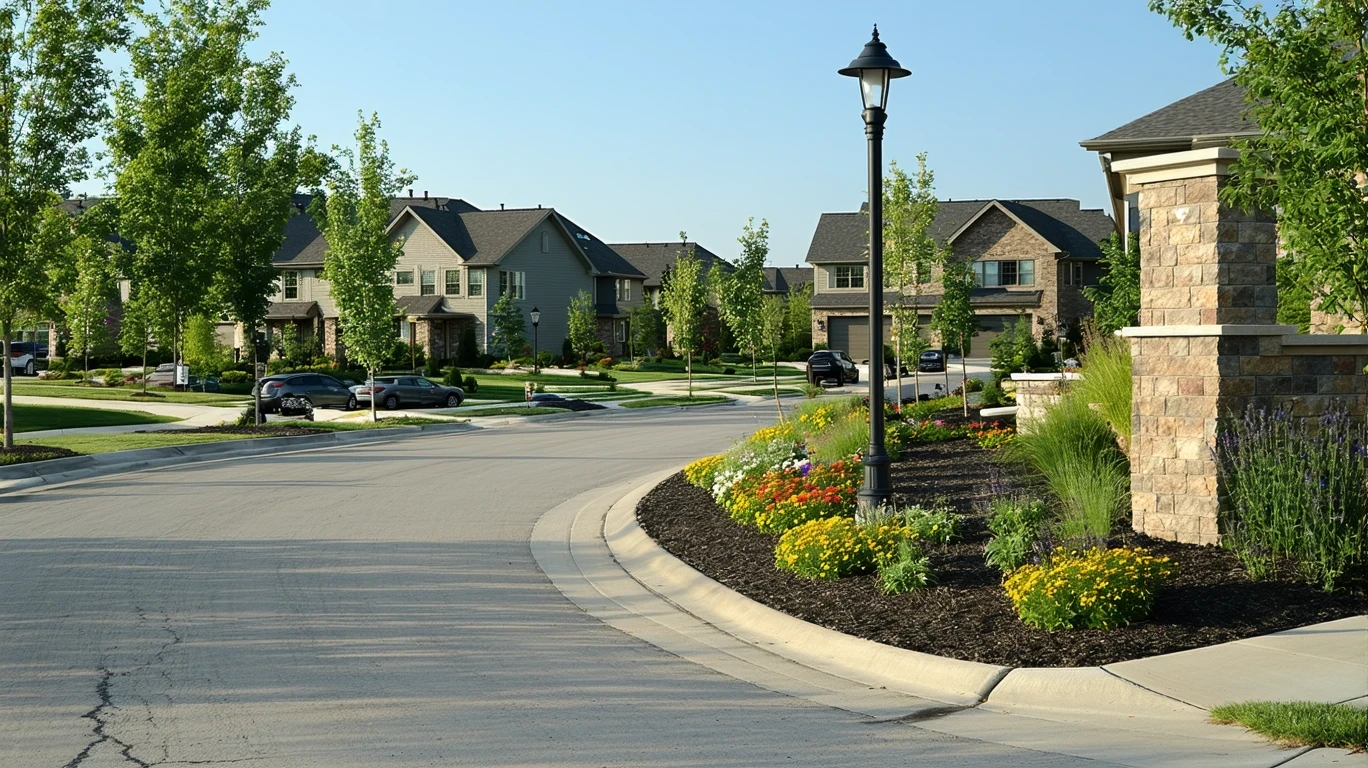
Both Upper Arlington and Dublin show broadly accessible food and grocery options, with high density of establishments exceeding thresholds for convenient daily errands. That structural similarity means grocery cost pressure doesn’t stem from availability or access friction—it stems from how households navigate the mix of discount grocers, specialty stores, and convenience options that shape spending patterns. Families managing larger weekly grocery volumes face different cost sensitivity than single adults or couples, and the presence of big-box retailers, neighborhood markets, and prepared food options in both cities creates flexibility that rewards intentional shopping habits over passive convenience.
Grocery staples—bread, milk, eggs, chicken, ground beef—reflect regional pricing rather than city-specific premiums, so the cost of filling a cart with basics doesn’t differ meaningfully between Upper Arlington and Dublin. Where cost pressure diverges is in the frequency of convenience spending: coffee shops, takeout, prepared meals, and quick-stop grocery runs that accumulate incrementally rather than appearing as discrete budget line items. Both cities support walkable errands in certain neighborhoods, but the density and proximity of convenience options influence how often households default to higher-cost prepared foods instead of cooking from staples.
Upper Arlington’s walkable pockets and high pedestrian-to-road ratio create environments where daily errands feel frictionless, which can reduce the psychological barrier to frequent small purchases. A short walk to a coffee shop or corner market doesn’t feel like an “outing,” so it happens more often, and those small transactions compound over weeks. Dublin’s notable cycling infrastructure offers similar convenience for households comfortable biking to errands, though cycling requires more intentionality than walking for many people, particularly when managing groceries, children, or time constraints. The easier it is to access convenience options, the more often households use them—and that behavioral pattern drives grocery spending as much as any price difference on shelf tags.
Families with children face distinct grocery pressure depending on household size and dietary complexity. Larger families benefit from bulk purchasing at big-box retailers, which both cities support, but the logistics of transporting bulk goods, storing them, and managing inventory favor households with cars, garage space, and time to plan weekly shopping trips. Single adults and couples often prioritize convenience over bulk savings, particularly when managing demanding work schedules, and that preference shifts spending toward smaller, more frequent purchases at higher per-unit costs. Prepared foods, deli items, and ready-to-eat options carry premiums that add up quickly for households relying on them multiple times per week.
Dining out frequency and accessibility also shape daily expense patterns. Both cities offer a mix of casual dining, fast food, and sit-down restaurants, but the concentration and walkability of dining options influence how often households choose restaurants over home cooking. Walkable restaurant districts reduce the friction of dining out, making it a more frequent fallback when schedules tighten or cooking feels burdensome. That convenience comes with a cost: even moderate dining out twice a week compounds into significant monthly spending that many households underestimate until reviewing credit card statements.
Grocery and daily expense pressure in Upper Arlington and Dublin depends more on household behavior and convenience sensitivity than on structural price differences. Families managing tight budgets benefit from intentional meal planning, bulk purchasing, and minimizing convenience spending, regardless of which city they choose. Single adults and couples with higher incomes but less time may find the convenience infrastructure in both cities reduces daily friction but increases incremental spending. The decision isn’t about which city offers cheaper groceries—it’s about which city’s errands infrastructure aligns with your household’s ability to resist convenience creep and maintain disciplined shopping habits.
Taxes and Fees
Property taxes, local fees, and recurring service charges shape ongoing cost obligations for homeowners and, indirectly, for renters whose landlords pass through some of those costs. Both Upper Arlington and Dublin rely on property taxes to fund schools, municipal services, and infrastructure, but the assessment structures, millage rates, and fee schedules differ in ways that affect long-term cost predictability. Homeowners planning to stay several years must account for how property tax obligations evolve with assessed values, voter-approved levies, and periodic reassessments that can shift tax burdens even when rates remain nominally stable.
Upper Arlington’s higher median home value translates into higher absolute property tax bills for comparable housing types, assuming similar effective tax rates. A home assessed at $526,800 generates more tax revenue than one assessed at $478,400, even if the millage rate is identical. That difference matters intensely for households managing fixed incomes, retirees on limited budgets, or families balancing mortgage payments with other obligations. Property taxes represent a recurring, non-negotiable cost that doesn’t fluctuate with usage or behavior, so higher assessments create ongoing pressure that compounds over years of ownership.
Dublin’s lower median home value reduces baseline property tax exposure for homeowners, but newer developments often come with HOA fees, special assessments, or community improvement districts that shift cost pressure from property taxes to recurring fees. Those fees fund amenities like landscaping, snow removal, pool maintenance, or neighborhood infrastructure, and they can rise over time as maintenance needs increase or reserve funds require replenishment. Homeowners in HOA-governed communities trade some property tax savings for less control over fee structures and less flexibility in managing discretionary spending.
Renters in both cities don’t pay property taxes directly, but landlords factor tax obligations into rent pricing, so higher property taxes in Upper Arlington may contribute to upward pressure on rents over time, particularly when tax levies pass or reassessments increase. Renters don’t control those costs and can’t defer or appeal them, so the indirect exposure matters even though it doesn’t appear as a separate line item. Renters in Dublin face similar dynamics, though lower baseline property taxes may create slightly more stable rent trajectories in the absence of other cost pressures like HOA fee increases or special assessments.
Local fees for trash collection, water, sewer, and stormwater management vary by municipality and sometimes by neighborhood within each city. Some communities bundle these services into property tax bills, while others charge separately, and the transparency and predictability of those fees differ. Homeowners benefit from understanding whether fees are fixed annually, adjusted periodically, or subject to usage-based pricing, particularly for water and sewer. Predictable fees allow for better budgeting, while variable fees introduce volatility that can surprise households during high-usage months or after rate adjustments.
Tax and fee pressure in Upper Arlington concentrates among homeowners managing higher property tax obligations tied to elevated home values, while Dublin homeowners face lower baseline property taxes but may encounter HOA fees or special assessments that shift cost structure rather than eliminating it. Renters in both cities experience indirect exposure through rent pricing but lack control over how landlords manage or pass through those costs. Long-term residents planning to stay five or more years should weigh property tax trajectories, HOA fee stability, and local fee structures as part of total ownership cost, not just purchase price or mortgage payments.
Transportation & Commute Reality
Upper Arlington reports an average commute time of 19 minutes, with 17.5% of workers experiencing long commutes and just 2.4% working from home. Those figures suggest a car-dependent commute pattern for most households, with relatively short drive times that keep transportation costs manageable but still require daily vehicle use. The low work-from-home percentage indicates limited flexibility to avoid commuting altogether, so transportation becomes a fixed cost rather than a discretionary one. Gas prices sit at $3.75 per gallon in both cities, so fuel costs don’t differ, but commute frequency, distance, and vehicle efficiency determine total monthly transportation exposure.
Dublin lacks published commute metrics in the available data, but its notable cycling infrastructure—evidenced by a high bike-to-road ratio—suggests some households can reduce car dependence for errands, recreation, or even commuting if employment locations align with bike routes. Cycling infrastructure doesn’t eliminate the need for a car in most suburban contexts, but it does create optionality that reduces per-mile vehicle costs and offers time savings when traffic or parking friction makes driving less efficient. Households comfortable biking year-round in Ohio’s variable weather can leverage Dublin’s infrastructure to lower transportation costs incrementally, though winter conditions and longer distances limit cycling’s practicality for many commuters.
Both cities offer bus service, but neither has rail transit, so public transportation remains limited to routes that may not align with all employment centers or personal schedules. Bus dependency works for some households, particularly those near major corridors or with flexible schedules, but most suburban residents in both Upper Arlington and Dublin rely on personal vehicles as the primary transportation mode. That reliance means car ownership, insurance, maintenance, and fuel become non-negotiable costs, and households managing multiple vehicles face compounded exposure.
Upper Arlington’s walkable pockets—indicated by a high pedestrian-to-road ratio—allow some households to complete daily errands on foot, reducing short-trip vehicle use that contributes to wear, fuel consumption, and parking friction. Walkability doesn’t replace commuting by car for most workers, but it does lower the frequency of cold starts, short trips, and unnecessary driving that adds up over months. Dublin’s bike infrastructure offers similar benefits for households willing to cycle, though the behavioral threshold for biking is higher than walking for many people, particularly when managing groceries, children, or time-sensitive errands.
Transportation cost pressure in Upper Arlington and Dublin depends more on commute distance, vehicle efficiency, and household willingness to use alternative modes than on structural differences between the cities. Upper Arlington’s shorter average commute time reduces fuel consumption and vehicle wear for typical workers, while Dublin’s cycling infrastructure offers cost-reduction opportunities for households that can integrate biking into daily routines. Single adults and couples without children often find it easier to adopt walking or cycling for errands, while families managing school drop-offs, activity schedules, and bulk shopping face more car dependence regardless of infrastructure. The decision hinges on whether your household can realistically reduce vehicle use and whether commute patterns align with the infrastructure each city offers.
Where Cost Pressure Lands Differently
Housing dominates the cost experience in both cities, but the pressure point shifts depending on whether you’re renting or buying. Upper Arlington renters face lower baseline obligations at $1,423 per month compared to Dublin’s $1,541 per month, a difference that compounds over lease terms and matters intensely for households managing tight cash flow or building savings. Dublin homebuyers, however, encounter a lower entry barrier with a median home value of $478,400 versus Upper Arlington’s $526,800, reducing down payment requirements and early-year financing pressure. The structural trade-off is clear: renters find more predictable cost exposure in Upper Arlington, while buyers find more accessible entry in Dublin.
Utilities introduce similar exposure in both cities due to identical electricity and natural gas rates, but the age and efficiency of housing stock determine whether costs remain predictable or spike during seasonal extremes. Older Upper Arlington homes often carry higher consumption and more volatility, particularly for families in single-family houses managing cooling and heating across multiple floors. Dublin’s newer construction reduces that volatility, though larger home sizes can offset efficiency gains. Households sensitive to surprise bills or managing fixed budgets benefit from Dublin’s more predictable utility profile, while those prioritizing lower purchase entry points in Upper Arlington must account for potential utility exposure in older housing stock.
Daily errands and grocery spending don’t differ structurally between the cities—both offer broadly accessible food and grocery options—but the convenience infrastructure shapes how often households default to higher-cost prepared foods or dining out. Upper Arlington’s walkable pockets make frequent small purchases frictionless, which can increase incremental spending for households less disciplined about convenience creep. Dublin’s cycling infrastructure offers similar convenience for those willing to bike, though the behavioral threshold is higher. Families managing larger grocery volumes benefit from bulk purchasing in both cities, while single adults and couples often prioritize convenience over savings, regardless of location.
Transportation patterns matter more in Upper Arlington due to documented commute data showing a 19-minute average and low work-from-home flexibility, which locks in car dependence for most workers. Dublin lacks commute metrics but offers stronger cycling infrastructure that creates optionality for households comfortable biking. Neither city eliminates the need for a car, but Dublin’s bike-to-road ratio suggests some households can reduce per-mile vehicle costs incrementally. Upper Arlington’s shorter documented commute time lowers fuel consumption and wear for typical workers, though that advantage disappears if your specific job location sits farther from Upper Arlington than Dublin.
Healthcare access introduces a meaningful structural difference: Dublin has a hospital present, while Upper Arlington offers routine local clinics but no hospital facility. For families with young children, households managing chronic conditions, or retirees prioritizing proximity to emergency and specialized care, Dublin’s hospital presence reduces friction and time costs during health events. Upper Arlington’s clinic infrastructure handles routine needs effectively, but serious or urgent care requires travel to nearby hospital facilities, adding time and logistical complexity during stressful moments.
The decision between Upper Arlington and Dublin isn’t about which city costs less overall—it’s about which cost pressures your household can absorb and which structural differences align with your non-negotiable needs. Households sensitive to rental costs, walkability, and lower utility volatility may prefer Upper Arlington, while those prioritizing homeownership entry, hospital access, and cycling infrastructure may find Dublin offers better structural fit. The same gross income feels different depending on whether housing entry barriers, ongoing rental obligations, or healthcare proximity dominate your daily reality.
How the Same Income Feels in Upper Arlington vs Dublin
Single Adult
Rent becomes the non-negotiable anchor, and Upper Arlington’s lower median rent at $1,423 per month leaves more room for discretionary spending, savings, or debt repayment compared to Dublin’s $1,541 per month. Flexibility emerges in how often you can absorb convenience spending—coffee, takeout, dining out—without destabilizing your budget, and Upper Arlington’s walkable pockets make those small purchases frictionless, which can erode savings if you’re not intentional. Commute friction matters less if you’re working from home occasionally or have a short drive, but Upper Arlington’s documented 19-minute average commute keeps transportation costs predictable, while Dublin’s cycling infrastructure offers cost reduction only if you’re comfortable biking year-round. Healthcare proximity becomes relevant during urgent or unexpected health events, and Dublin’s hospital presence reduces time and logistical costs that single adults managing health issues alone may value intensely.
Dual-Income Couple
Housing entry becomes the first decision point: Dublin’s lower median home value reduces the down payment hurdle and makes ownership more accessible if you’re ready to buy, while Upper Arlington’s lower rent keeps ongoing obligations manageable if you’re still building savings or testing neighborhood fit. Utility exposure depends on whether you’re in an apartment or a single-family home, and Dublin’s newer housing stock reduces seasonal volatility that couples in older Upper Arlington homes may face during extreme weather. Transportation costs double when both partners commute, so Upper Arlington’s shorter average commute time lowers combined fuel consumption and vehicle wear, though Dublin’s bike infrastructure creates optionality if one or both of you can integrate cycling into daily routines. Discretionary spending on dining out, entertainment, and convenience purchases feels more sustainable with two incomes, but the ease of accessing those options in both cities’ walkable or bikeable areas can accelerate spending creep if you’re not tracking it closely.
Family with Kids
Housing size and cost dominate everything else: Dublin’s lower home purchase entry point makes single-family ownership more accessible, which matters intensely when managing school districts, space needs, and long-term stability, while Upper Arlington’s higher home values create steeper financing pressure that delays purchase or forces compromises on size or location. Utility costs rise sharply in larger single-family homes, and families in older Upper Arlington houses face more seasonal volatility and higher baseline consumption, while Dublin’s newer construction offers more predictable bills that help stabilize monthly budgets. Transportation becomes non-negotiable when managing school drop-offs, activity schedules, and errands, so car dependence locks in regardless of cycling or walking infrastructure, and Upper Arlington’s shorter documented commute time reduces one parent’s daily time cost. Healthcare proximity shifts from convenience to necessity when managing children’s illnesses, injuries, or ongoing medical needs, and Dublin’s hospital presence reduces friction during urgent care moments that families with young children encounter more frequently than single adults or couples.
Decision Matrix: Which City Fits Which Household?
| Decision factor | If you’re sensitive to this… | Upper Arlington tends to fit when… | Dublin tends to fit when… |
|---|---|---|---|
| Housing entry + space needs | Down payment capacity, financing thresholds, or ongoing rental obligations | You’re renting long-term and prioritize lower baseline monthly rent exposure | You’re buying soon and need a lower purchase entry point to manage financing |
| Transportation dependence + commute friction | Daily commute time, fuel costs, or ability to reduce car dependence | You value shorter documented commute times and walkable errands infrastructure | You can integrate cycling into daily routines and benefit from notable bike infrastructure |
| Utility variability + home size exposure | Seasonal bill volatility, predictability, or consumption tied to home age | You’re in an apartment or accept higher volatility in older single-family homes | You prioritize newer housing stock that reduces seasonal utility unpredictability |
| Grocery strategy + convenience spending creep | Frequency of convenience purchases, dining out, or prepared food reliance | You’re disciplined about resisting frictionless convenience in walkable pockets | You prefer cycling to errands and can maintain intentional shopping habits |
| Fees + friction costs (HOA, services, upkeep) | Predictability of recurring fees versus direct control over maintenance timing | You prefer managing maintenance directly without HOA fee structures | You accept HOA fees in exchange for predictable service bundling and amenities |
| Time budget (schedule flexibility, errands, logistics) | Healthcare proximity, errands friction, or time costs during urgent needs | You manage routine healthcare locally and value walkable daily errands access | You prioritize hospital proximity for urgent or specialized care and bike-friendly errands |
Lifestyle Fit
Upper Arlington and Dublin both offer access to Columbus metro employment, cultural amenities, and recreational options, but the texture of daily life differs in ways that indirectly affect costs. Upper Arlington’s walkable pockets and high pedestrian-to-road ratio create neighborhoods where errands, coffee shops, and local services feel accessible without driving, which reduces short-trip vehicle use and parking friction. That walkability doesn’t eliminate car dependence for most households, but it does lower the frequency of cold starts and unnecessary driving that compounds fuel and maintenance costs over months. Dublin’s notable cycling infrastructure offers similar benefits for households comfortable biking, though the behavioral threshold for cycling is higher than walking for many people, particularly when managing groceries, children, or time-sensitive errands.
Both cities show integrated green space access, with park density exceeding high thresholds and water features present, which supports outdoor recreation without requiring travel to distant regional parks or nature areas. Families with children benefit from accessible playgrounds and open space that reduce the need for paid entertainment or structured activities, though Dublin’s hospital presence adds a layer of healthcare convenience that matters intensely during urgent or unexpected health events. Upper Arlington’s routine local clinics handle most day-to-day medical needs effectively, but serious or specialized care requires travel to nearby hospital facilities, adding time and logistical complexity during stressful moments.
Family infrastructure in both cities shows moderate strength, with schools meeting density thresholds but playgrounds falling below in Upper Arlington and Dublin alike. That pattern suggests families may need to travel slightly farther for certain recreational amenities, though the integrated park access mitigates some of that friction. Both cities show mixed urban form with moderate building heights and present land-use mix, indicating a blend of residential and commercial zones that supports daily errands without requiring long drives to shopping or services.
Upper Arlington’s average commute time of 19 minutes keeps daily transportation costs and time budgets manageable for most workers. Dublin lacks published commute data, but its cycling infrastructure suggests some households can reduce car dependence incrementally, particularly for errands or recreation. Neither city offers rail transit, so public transportation remains limited to bus routes that may not align with all employment centers or personal schedules. Most households in both cities rely on personal vehicles as the primary transportation mode, making car ownership, insurance, and maintenance non-negotiable costs.
Both cities share identical electricity rates at 17.59¢ per kWh and natural gas prices at $11.03 per MCF, so utility cost differences emerge from housing stock age and efficiency rather than rate structures. Newer homes in Dublin tend to show more predictable utility costs due to better insulation and modern HVAC systems, while older Upper Arlington homes may experience