
‘We moved to Morrisville for the schools, but stayed for the neighbors.’
That sentiment captures something essential about life here: people arrive with practical intentions—jobs in the Research Triangle, newer housing stock, strong income potential—and discover a community still figuring out what it wants to be. Morrisville sits in an unusual space, caught between suburban comfort and small-city ambition, where rapid growth creates both opportunity and identity tension. The question isn’t whether people are happy here in some absolute sense, but whether the specific tradeoffs—convenience layered with change, professional energy mixed with rootlessness—match what you’re actually looking for.
What Morrisville Feels Like Day to Day
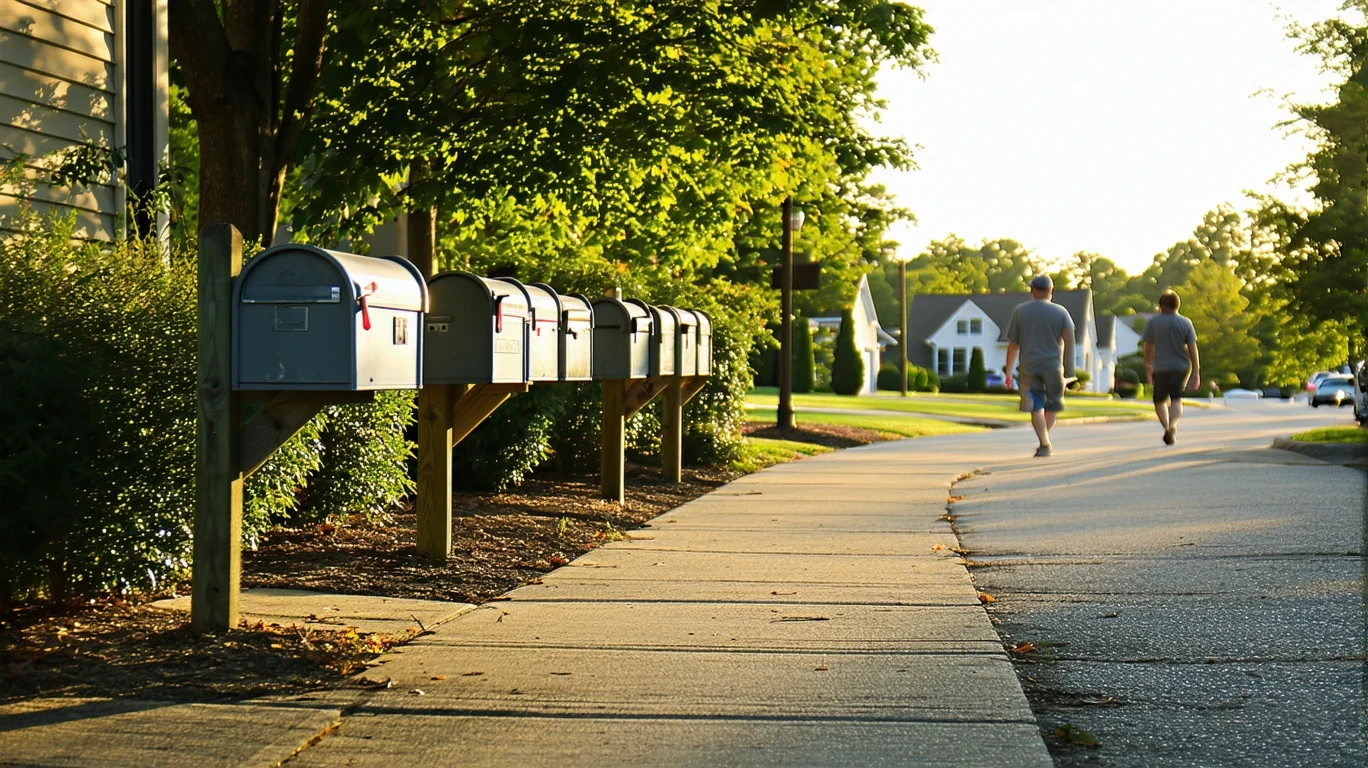
Morrisville’s emotional tone reflects its structure: this is a place where you can walk to a grocery store from certain neighborhoods, bike along dedicated paths, and access a surprising density of food and service options—yet still feel like you’re living in a planned suburban environment. The pedestrian infrastructure exceeds what you’d expect from a typical bedroom community, creating pockets of walkability that make errands less car-dependent than the surrounding region. Both residential and commercial land use mix throughout parts of town, and the building height stays in a comfortable middle range—not flat sprawl, not urban towers.
That structure shapes how people actually move through their days. Families can send kids to nearby playgrounds without driving every time. Professionals working remotely can grab lunch or coffee on foot in certain areas. Cyclists find dedicated infrastructure that makes short trips practical. But the transit options remain limited to bus service, so households still rely heavily on cars for commutes, especially those working in Raleigh, Durham, or the Research Triangle Park. The healthcare access is strong—there’s a hospital in town along with pharmacies—which matters intensely for families and older residents.
The result is a lifestyle that rewards people who want suburban safety and newer housing but don’t want to sacrifice all walkable convenience. It frustrates people who expect either deep-rooted neighborhood character or robust transit options that reduce car dependency across all trip types.
Social Media Buzz in Morrisville
Online discussion in Morrisville-focused Facebook groups and regional Reddit threads tends to circle around a few recurring themes: growth, change, newcomer integration, and the tension between preserving quiet and welcoming development. The tone is rarely angry, but it’s often wistful or cautiously optimistic, reflecting a community that’s growing faster than its identity can settle.
“It’s weird to love a place that feels like it’s still under construction,” one commenter noted. “You get great amenities, but you’re always wondering what it’ll look like in five years.”
Another common thread: “Morrisville has everything you need, but it doesn’t feel like it has a center yet. You run errands efficiently, but you don’t really ‘go downtown.’”
There’s also pride mixed with defensiveness when Morrisville gets compared to Cary or Apex. Residents point to the walkable pockets, the diversity, the proximity to Research Triangle jobs—but acknowledge the tradeoff of feeling less established, less cohesive as a community narrative.
Local News Tone
Coverage of Morrisville tends to frame the town through the lens of growth management, infrastructure expansion, and evolving identity. The stories aren’t about crisis or celebration—they’re about transition. Headlines and story themes often sound like:
- “New Mixed-Use Development Brings Walkable Retail to Growing Corridor”
- “Residents Weigh Density vs Quiet as Town Plans Next Phase”
- “Morrisville Adds Bike Lanes, Extends Pedestrian Network”
- “Schools and Services Expand to Match Population Growth”
- “Community Debates What ‘Small-Town Feel’ Means in a Fast-Growing Suburb”
The framing is rarely negative, but it’s also rarely settled. Morrisville is portrayed as a place in motion, where the infrastructure is catching up, the character is forming, and the residents are still negotiating what they want the town to become.
Review-Based Public Perception
On platforms like Google Reviews, Yelp, and Nextdoor-style community boards, Morrisville earns praise for convenience, safety, and access—but also draws mild frustration from people who expected more texture, more walkable depth, or a stronger sense of place.
Positive themes tend to emphasize:
- Errands are easy—grocery stores, pharmacies, and restaurants are accessible without long drives
- Newer housing stock feels well-maintained and thoughtfully planned
- Playgrounds and parks are present, and green space feels integrated rather than isolated
- Proximity to Research Triangle jobs makes commutes manageable
- Diversity and professional peer community create a cosmopolitan suburban feel
Critiques and disappointments often focus on:
- Lack of a distinct downtown or gathering center
- Limited nightlife or cultural venues for younger professionals
- Newer development character lacks the charm or history of older towns
- School density hasn’t kept pace with family growth, creating some logistical gaps
- Transit options remain limited, so car dependency persists for most trips
The mismatch usually comes down to expectations. People who wanted a polished, efficient suburban base with walkable pockets tend to feel satisfied. People who wanted a cohesive small-town identity or urban-style transit and nightlife tend to feel restless.
Comparison to Nearby Cities
| Dimension | Morrisville | Cary | Apex |
|---|---|---|---|
| Overall Vibe | Professional, growing, still forming identity | Established suburban polish, family-focused | Small-town charm with growth pressure |
| Walkability | Pockets of strong pedestrian infrastructure | Newer areas walkable, older areas car-dependent | Historic downtown walkable, outskirts less so |
| Community Feel | Newcomer-heavy, cosmopolitan, transient | Settled families, long-term residents common | Tighter-knit, slower pace, more rooted |
| Errands & Services | Broadly accessible, high density | Very accessible, mature retail corridors | Accessible but more spread out |
| Transit Options | Bus only, car-dependent for most trips | Bus only, similar car reliance | Minimal transit, full car dependency |
Morrisville sits between Cary’s established suburban maturity and Apex’s small-town character. If you want the most polished, family-oriented suburban experience with deep amenities, Cary tends to win. If you want a slower pace and tighter community bonds, Apex feels more cohesive. Morrisville offers a middle path: newer infrastructure, walkable pockets, and professional energy—but less settled identity and fewer deep-rooted neighborhood ties. It’s the choice for people who prioritize convenience and growth potential over established character.
What Locals Are Saying
“I love that I can bike to the grocery store and the park with my kids. It’s not something I expected in a suburb, and it makes weekends feel less car-dependent.” — Parent of two, moved from Raleigh
“Morrisville has everything I need for work and errands, but I still drive to Durham or Raleigh when I want to feel like I’m ‘going out.’ There’s no real downtown here yet.” — Remote tech worker, early 30s
“The diversity here is incredible. My kids go to school with families from all over the world. That’s not something you get in every suburb.” — Long-time resident, originally from the Midwest
“It’s a great place if you’re okay with change. Every year there’s something new—new shops, new housing, new people. If you want stability, it might feel exhausting.” — Retiree, moved from Chapel Hill
“We chose Morrisville because the housing tradeoffs made sense for our income and commute. It’s not charming, but it’s practical and safe.” — Dual-income family, both work in Research Triangle Park
“I miss having a real downtown. There are plenty of stores and restaurants, but no central gathering place where you run into neighbors.” — Newcomer from a smaller Southern town
“The bike lanes and sidewalks are better than I expected. I can actually get around without driving for short trips, which is rare in this region.” — Young professional, no kids
Does Morrisville Feel Like a Good Fit?
Morrisville’s emotional profile rewards people who value efficiency, access, and professional opportunity more than established character or deep-rooted community ties. It works well for Research Triangle commuters, tech professionals, and families who want suburban safety with walkable pockets and strong errands accessibility. The infrastructure supports a less car-dependent lifestyle than typical sprawl, and the income levels create a peer community of educated, career-focused households.
It tends to frustrate people who want a cohesive downtown, robust transit options, or a slower-paced community with long-term neighbors and settled identity. The rapid growth creates opportunity but also rootlessness, and the newer development character lacks the charm or history that some people associate with “home.”
If you’re comfortable with change, value convenience over character, and want a base that supports both suburban comfort and some walkable infrastructure, Morrisville aligns well. If you need transit depth, cultural venues, or a town that feels fully formed, the tradeoffs may wear on you.
For a clearer picture of where money goes each month or what income level supports different quality of life factors, those guides can help you map the financial side of the decision.
How this article was built: In addition to public economic data, this article incorporates location-based experiential signals derived from anonymized geographic patterns—such as access density, walkability, and land-use mix—to reflect how day-to-day living actually feels in Morrisville, NC.
The perspectives shown reflect commonly expressed local sentiment and recurring themes in public discussion, rather than individual accounts.