
Can you live in Schertz without a car? For most households, the answer is no—not comfortably. Schertz sits northeast of San Antonio in a region shaped by suburban growth, highway access, and distances that make driving the default for nearly every errand, school run, and commute. While some pockets of the city offer pedestrian-friendly streets and a handful of walkable corridors, the broader reality is that daily life here is structured around car ownership. Understanding how people actually get around—and what that means for your time, flexibility, and household logistics—is essential before committing to a move.
This article explains transportation options in Schertz, how commuting works in practice, and which households can realistically navigate the city without relying on a vehicle full-time.
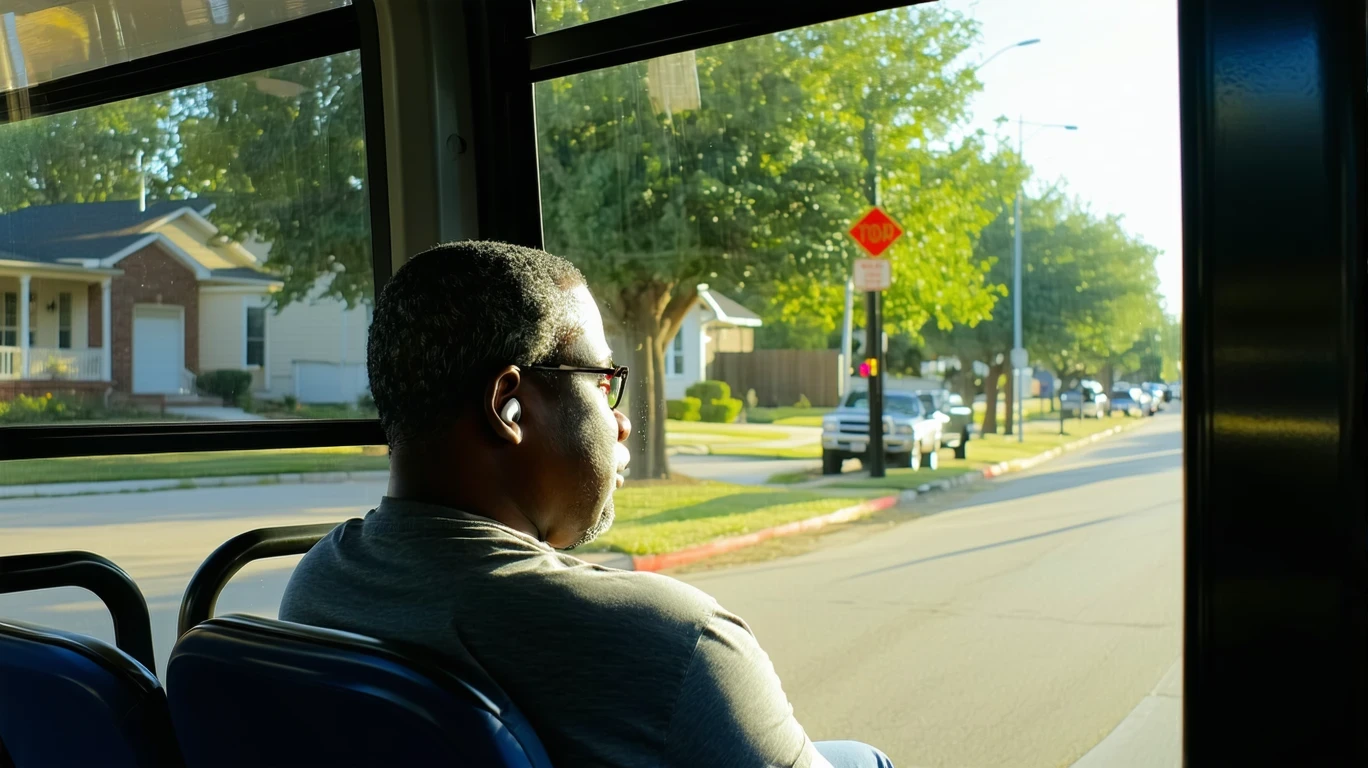
How People Get Around Schertz
Schertz operates as a car-first community. The city’s layout reflects decades of suburban development: single-family neighborhoods branch off arterial roads, commercial corridors cluster along major routes, and distances between home, work, and services are measured in miles, not blocks. For the overwhelming majority of residents, a personal vehicle isn’t a convenience—it’s a necessity.
That said, Schertz isn’t entirely uniform. Certain areas feature higher pedestrian infrastructure density relative to the road network, meaning sidewalks, crosswalks, and pathways exist in meaningful concentrations. These walkable pockets allow residents to move around their immediate neighborhood on foot, particularly for recreation or short trips within a subdivision. But even in these areas, running a full day’s errands—groceries, pharmacy, school pickup—almost always requires a car.
Food and grocery options tend to cluster along specific corridors rather than spreading evenly across the city. This corridor-clustered pattern means that while stores and restaurants are accessible, they’re not necessarily close. You might live in a neighborhood with excellent sidewalks but still need to drive several miles to reach the nearest supermarket or medical clinic. The infrastructure supports walking within your immediate area; it doesn’t eliminate the need to drive between destinations.
Newcomers often underestimate how much of daily life in Schertz hinges on driving. It’s not just the commute to work—it’s every trip to the store, every after-school activity, every evening out. The city’s structure rewards those who are comfortable behind the wheel and penalizes those who aren’t.
Public Transit Availability in Schertz
Public transit in Schertz plays a limited role in day-to-day mobility. The city does not operate a robust internal transit network, and regional connections to San Antonio and surrounding areas tend to serve specific commuter corridors rather than providing comprehensive coverage. For most residents, transit is not a viable primary transportation option.
Where transit does exist, it typically functions as a supplement for commuters traveling into San Antonio or other employment centers along predictable routes. Coverage within Schertz itself—especially in residential subdivisions and newer developments—is sparse to nonexistent. If you live outside a major corridor, reaching a bus stop may require a car, which defeats the purpose.
Transit tends to work best for individuals with fixed schedules, predictable destinations, and the flexibility to plan around limited service windows. It falls short for families managing multiple stops, irregular hours, or errands that require hauling groceries, children, or equipment. The city’s low-rise, spread-out form makes it difficult for any transit system to achieve the density and frequency needed to compete with the convenience of driving.
For households evaluating whether they can rely on public transit in Schertz, the answer is almost always no—not as a standalone solution. Transit may supplement a car-dependent lifestyle, but it rarely replaces it.
Driving & Car Dependence Reality
Driving is the structural default in Schertz. The city’s geography, density, and development pattern all assume car ownership. Parking is abundant, roads are wide, and distances are calibrated for vehicles, not pedestrians. This makes driving convenient and predictable, but it also makes not driving exceptionally difficult.
Car dependence in Schertz isn’t about preference—it’s about infrastructure. Schools are not always within walking distance, even in neighborhoods with sidewalks. Grocery stores, medical facilities, and retail centers are concentrated along commercial corridors that require highway access or multi-mile drives. Even households living in walkable pockets find themselves driving multiple times per day simply to manage routine logistics.
For families, car dependence intensifies. School runs, extracurricular activities, and weekend errands all require coordination and vehicles. With school density below typical thresholds, many families face longer drives to reach their assigned campuses. The limited family infrastructure means that playgrounds, libraries, and other child-oriented amenities are not evenly distributed, adding more miles to the weekly routine.
The tradeoff is control and flexibility. Driving gives you the ability to manage your own schedule, combine trips, and avoid the constraints of fixed routes or service windows. But it also means absorbing the costs—fuel, maintenance, insurance, and time—that come with operating a vehicle as your primary mobility tool.
Commuting Patterns & Daily Mobility
Commuting in Schertz reflects the city’s role as a bedroom community within the San Antonio metro area. According to available data, the average commute is 30 minutes, and 49.3% of workers face what’s classified as a long commute. Only 8.9% of residents work from home, meaning the vast majority leave Schertz daily for employment elsewhere.
These numbers tell a clear story: most households in Schertz are commuting significant distances, often into San Antonio or surrounding employment hubs. The commute isn’t a quick neighborhood drive—it’s a structured, time-intensive part of the day that shapes when people leave, when they return, and how much flexibility they have for mid-day errands or appointments.
For single-income households or individuals working traditional office hours, the commute is predictable but inflexible. You’re on the road twice a day, and your schedule is built around avoiding peak congestion on major routes. For dual-income families, the logistics multiply: coordinating school drop-offs, managing after-school pickups, and ensuring someone is available when a child gets sick or an appointment runs late.
Remote workers and retirees experience Schertz differently. Without the daily commute, they benefit from the city’s lower housing costs, access to parks, and quieter residential character. But even for these households, running errands or accessing services still requires driving. The difference is frequency, not necessity.
Who Transit Works For — and Who It Doesn’t
Public transit in Schertz is not a practical option for most household types. The limited coverage, infrequent service, and corridor-focused routes mean that only a narrow slice of residents can realistically use transit as a primary transportation method.
Transit might work for a single commuter living near a major route, traveling to a fixed workplace in San Antonio, and willing to structure their entire schedule around bus or regional service windows. Even then, it requires discipline, advance planning, and acceptance of reduced flexibility. Any deviation from the routine—a late meeting, an errand after work, a weekend trip—likely requires a car.
Transit does not work for families managing school runs, groceries, and extracurricular activities. It does not work for shift workers with irregular hours. It does not work for households living in newer subdivisions or areas outside the main commercial corridors. And it does not work for anyone who values spontaneity, multi-stop errands, or the ability to adjust plans on the fly.
Renters and owners face the same mobility reality in Schertz. Location within the city matters more than tenure. Living closer to commercial corridors or employment centers reduces daily driving but doesn’t eliminate it. Living farther out—common in newer developments—means longer trips and more time on the road, regardless of whether you rent or own.
Transportation Tradeoffs in Schertz
The choice between transit and driving in Schertz isn’t really a choice—it’s a structural reality. Driving offers control, predictability, and the ability to manage a complex household schedule across a spread-out city. Transit offers limited coverage, fixed schedules, and reduced flexibility in exchange for not owning a vehicle.
For most households, the tradeoff isn’t “transit vs. driving.” It’s “how much driving can we tolerate, and where should we live to minimize it?” Proximity to work, schools, and services becomes the key variable. Families who prioritize shorter commutes may pay more for housing closer to San Antonio or major employers. Those willing to absorb longer drives can access more affordable homes farther out, but they trade money for time and fuel exposure.
Driving in Schertz is predictable in the sense that roads are well-maintained, parking is abundant, and congestion is manageable compared to denser urban cores. But predictability doesn’t mean low cost. Fuel prices, vehicle maintenance, and the time spent commuting all add up, and they scale with distance. A household driving 50+ miles per day faces a different cost structure than one driving 10.
Transit, where it exists, offers an alternative for specific use cases—primarily solo commuters on fixed schedules. But it doesn’t provide the coverage, frequency, or flexibility needed to replace a car for most households. The infrastructure simply isn’t there.
FAQs About Transportation in Schertz (2026)
Is public transit usable for daily commuting in Schertz?
For most residents, no. Public transit in Schertz is limited in coverage and frequency, serving specific commuter corridors rather than providing comprehensive citywide access. A small number of commuters traveling to fixed destinations in San Antonio may find regional transit workable, but it requires living near a route and accepting reduced flexibility. For families, shift workers, or anyone managing multiple daily stops, transit is not a practical primary option.
Do most people in Schertz rely on a car?
Yes. The city’s layout, density, and development pattern assume car ownership. With 49.3% of workers facing long commutes and only 8.9% working from home, the vast majority of residents drive daily—not just for commuting, but for errands, school runs, and accessing services. Even in neighborhoods with pedestrian infrastructure, distances between home, work, and essential services make driving the default.
Which areas of Schertz are easiest to live in without a car?
No area of Schertz is truly car-free friendly. Some neighborhoods feature higher pedestrian infrastructure density, allowing residents to walk within their immediate subdivision or to nearby parks. However, grocery stores, medical facilities, and schools are typically located along commercial corridors that require driving to reach. Even in the most walkable pockets, managing daily life without a car is exceptionally difficult and limits access to employment, services, and activities.
How does commuting in Schertz compare to nearby cities?
Schertz functions as a bedroom community within the San Antonio metro area, meaning many residents commute into the city or surrounding employment centers. The average commute of 30 minutes and the fact that nearly half of workers face long commutes reflect this pattern. Compared to living directly in San Antonio, Schertz offers lower housing costs but typically longer commutes. Compared to more rural areas farther from the metro, Schertz provides better access to services and employment, though still requires significant driving.
Can a household with one car manage in Schertz?
It depends on the household structure and work arrangements. A single-income household or one where both adults work near each other may manage with one vehicle, though it requires tight coordination and limits flexibility. Dual-income families with children, especially those with school-age kids and extracurricular schedules, typically find one car insufficient. The city’s spread-out layout and limited transit options mean that most errands, school runs, and commutes require a vehicle, making two cars the norm for families.
How Transportation Fits Into the Cost of Living in Schertz
Transportation in Schertz isn’t just a line item—it’s a structural factor that shapes where you live, how you spend your time, and what tradeoffs you’re willing to accept. The city’s car-dependent layout means that mobility costs are baked into daily life, whether through fuel, vehicle maintenance, insurance, or the time spent commuting.
For households evaluating a month of expenses in Schertz, transportation is one of the largest and least flexible categories. Unlike discretionary spending, driving is rarely optional. The question isn’t whether you’ll drive, but how much, and whether you can structure your life to minimize the miles.
Proximity matters. Living closer to work, schools, or commercial corridors reduces daily driving and the costs that come with it. But proximity often comes with higher housing costs, creating a tradeoff between rent or mortgage payments and transportation expenses. Families moving to Schertz need to evaluate both together, not in isolation.
The good news is that Schertz offers predictability. Roads are well-maintained, parking is abundant, and congestion is manageable. Gas prices, currently around $3.66 per gallon, fluctuate but remain visible and plannable. The infrastructure supports driving, even if it demands it.
For newcomers, the key is to enter with realistic expectations. Schertz is not a city where you can easily live without a car. It’s not a place where transit will save you from vehicle ownership. But it is a place where driving is straightforward, and where understanding your commute, your household’s daily logistics, and your tolerance for time on the road will determine whether the city’s transportation reality works for you.
How this article was built: In addition to public economic data, this article incorporates location-based experiential signals derived from anonymized geographic patterns—such as access density, walkability, and land-use mix—to reflect how day-to-day living actually feels in Schertz, TX.